What Is a Wall Tent
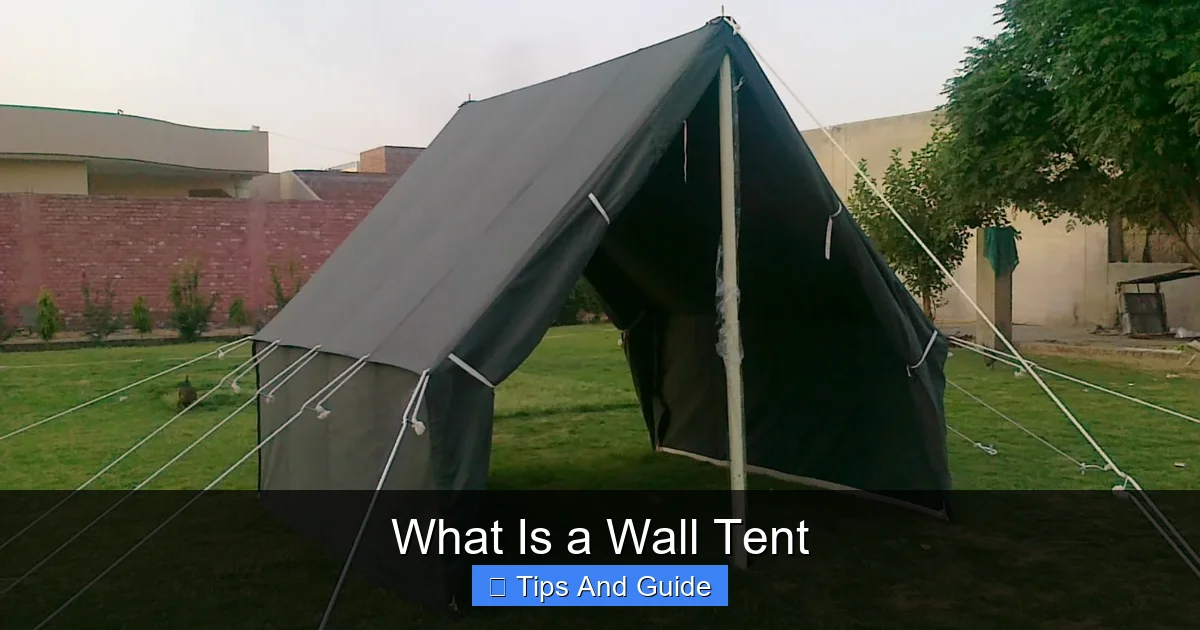
A wall tent is a durable, vertical-walled shelter designed for serious outdoor enthusiasts. Unlike traditional dome tents, wall tents offer more interior space, better weather protection, and easier standing room—making them ideal for extended camping, hunting trips, or family adventures in rugged conditions.
[FEATURED_IMAGE_PLACEHER]
Key Takeaways
- Wall tents have straight vertical walls: This design maximizes interior space and allows most people to stand upright comfortably.
- Built for durability and weather resistance: Made with heavy-duty fabrics like canvas or ripstop nylon, they withstand wind, rain, and snow better than standard tents.
- Ideal for base camps and long-term use: Perfect for hunting expeditions, family camping, or seasonal stays where comfort and stability matter.
- Require more setup time and space: Unlike quick-pitch backpacking tents, wall tents need more room and effort to assemble—often using poles, stakes, and guylines.
- Can be insulated and heated: Many wall tents are compatible with wood stoves or portable heaters, making them great for cold-weather camping.
- Heavier and less portable: Best suited for car camping or fixed locations rather than backpacking due to their weight and bulk.
- Offer excellent ventilation options: Features like mesh windows, roof vents, and zippered doors help regulate temperature and reduce condensation.
📑 Table of Contents
What Is a Wall Tent?
If you’re new to the world of outdoor shelters, you might be wondering: What exactly is a wall tent? Simply put, a wall tent is a type of camping shelter characterized by its vertical side walls—hence the name. Unlike dome or tunnel tents that slope inward from the peak, wall tents rise straight up from the ground, creating a box-like interior with ample headroom.
These tents are typically made from robust materials like cotton canvas or high-denier nylon, and they’re designed to handle harsh weather conditions. Whether you’re braving a snowy mountain range or setting up camp in a rainy forest, a wall tent provides reliable protection. They’re commonly used by hunters, glampers, families on extended trips, and even outdoor educators who need a stable, comfortable base in remote locations.
Key Features of a Wall Tent
Wall tents stand out from other tent styles thanks to several defining features. Understanding these can help you decide if a wall tent is right for your next adventure.
Vertical Walls for Maximum Space
The most obvious feature is the vertical wall design. This means the sides of the tent go straight up, creating a spacious interior. Most adults can walk around without crouching, and furniture like cots, tables, and even small chairs fit comfortably. For example, a 10×10 wall tent offers about 100 square feet of usable floor space—similar to a small room—and often has a peak height of 7 to 8 feet.
Durable, Weather-Resistant Materials
Wall tents are built to last. Many are made from canvas, a breathable yet waterproof fabric that resists tearing and mildew. Canvas also regulates temperature well—staying cooler in summer and warmer in winter. Some modern versions use ripstop nylon, which is lighter but still strong. These materials are often treated with UV inhibitors and waterproof coatings to extend their lifespan.
Sturdy Frame and Pole System
Unlike pop-up tents, wall tents require a frame—usually made of steel or aluminum poles—to support the structure. The frame connects to the tent body via grommets, clips, or sleeves. This setup provides excellent stability in high winds. Some models include a center ridge pole for added support, especially in larger sizes.
Ample Ventilation and Access Points
Condensation can be a problem in any tent, but wall tents often include features to combat it. Look for mesh windows, roof vents, and zippered doors with screens. These allow airflow while keeping bugs out. For instance, a well-ventilated wall tent can prevent morning dew buildup inside, keeping your gear dry.
Compatibility with Heating and Insulation
One of the biggest advantages of a wall tent is its ability to be heated. Many models come with a stove jack—a heat-resistant opening in the wall or roof—for safely venting a wood stove or propane heater. This makes wall tents a top choice for winter camping. Pair it with a thermal liner or insulated floor, and you’ve got a cozy shelter even in sub-zero temperatures.
Wall Tent vs. Other Tent Types
So how does a wall tent compare to other popular options like dome tents, cabin tents, or beach tents? Let’s break it down.
Wall Tent vs. Dome Tent
Dome tents are lightweight, easy to set up, and great for backpacking. But they sacrifice interior space and durability. Their sloped walls mean you can only sit up in the center, and they’re more prone to collapsing in strong winds. A wall tent, on the other hand, offers more room and better storm resistance—but at the cost of weight and setup complexity.
Wall Tent vs. Cabin Tent
Cabin tents are similar to wall tents in size and vertical walls, but they’re usually made from lighter materials and lack the ruggedness needed for extreme weather. Cabin tents are fine for fair-weather family camping, but if you’re heading into the backcountry or facing snow, a wall tent is the safer bet.
Wall Tent vs. Beach Tent
Beach tents are designed for sun protection and quick setup at the shore. They’re lightweight, low-profile, and not meant for overnight use. A wall tent is far more robust and suitable for multi-day stays, but it’s overkill for a day at the beach. For more on choosing the right shelter for coastal trips, check out our guide on Large 3 vs Beach Tent: Which Is for You?
Best Uses for a Wall Tent
Wall tents aren’t for every situation—but when you need them, they shine.
Hunting and Fishing Expeditions
Hunters often spend days or weeks in remote areas. A wall tent serves as a reliable base camp, offering space to store gear, cook meals, and rest comfortably. The ability to add a wood stove means you can dry wet clothes and stay warm after a long day in the field.
Family Camping and Glamping
Families who camp frequently appreciate the extra room a wall tent provides. Kids can play inside during rain, and parents can set up a small dining area. With proper insulation and lighting, a wall tent can feel almost like a tiny cabin. For tips on keeping your tent cozy, see our article on Best Way to Stay Warm in a Tent.
Winter and Cold-Weather Camping
Thanks to their sturdy build and stove compatibility, wall tents are excellent for winter adventures. They handle snow loads well and maintain warmth better than lighter tents. Just make sure to use a quality ground tarp and secure all guylines to prevent collapse under heavy snow.
Seasonal or Long-Term Camping
If you’re setting up a campsite for a week or more, a wall tent is ideal. It’s durable enough to stay up for extended periods and can be anchored securely to the ground. Some campers even use them as temporary shelters during outdoor events or festivals.
How to Set Up and Maintain a Wall Tent
Setting up a wall tent takes more time than a pop-up model, but with practice, it becomes straightforward.
Step-by-Step Setup Guide
- Choose a flat, dry site: Clear away rocks, sticks, and debris. A level surface ensures even tension and prevents water pooling.
- Lay down a ground tarp: This protects the tent floor from moisture and abrasion. Make sure the tarp is slightly smaller than the tent to avoid water running underneath.
- Assemble the frame: Connect the poles according to the manufacturer’s instructions. Most wall tents use a center pole and side supports.
- Drape the tent over the frame: Secure the corners with stakes, then attach the guylines for stability.
- Tighten and adjust: Pull the fabric taut to prevent sagging. Check that all zippers and vents are accessible.
For a detailed walkthrough, visit our guide on Best Way to Set Up a Tent.
Maintenance Tips
- Clean after each use: Brush off dirt and let the tent dry completely before storing to prevent mold.
- Re-waterproof as needed: Over time, coatings wear off. Use a spray-on waterproofing treatment for canvas or nylon. Learn more in Best Way to Waterproof a Nylon Tent.
- Store in a cool, dry place: Avoid compressing the tent for long periods, as this can damage the fabric.
- Inspect for damage: Check seams, zippers, and poles regularly. Small tears can be patched with a repair kit.
Choosing the Right Wall Tent for You
When shopping for a wall tent, consider size, material, and features.
Size Matters
Wall tents come in various dimensions, from 8×8 feet to 12×16 feet or larger. A 10×10 tent is a popular choice—it fits 4–6 people comfortably and offers enough space for gear. For sizing help, read our article on How Big Is a 10×10 Tent?
Material Options
Canvas is the gold standard for durability and breathability, but it’s heavier. Nylon is lighter and dries faster but may not last as long in extreme conditions. Choose based on your climate and usage.
Must-Have Features
- Stove jack for heating
- Mesh windows and roof vents
- Reinforced floor or optional groundsheet
- Multiple doors for easy access
- Guyout points for wind resistance
Conclusion
A wall tent is more than just a shelter—it’s a home away from home. With its vertical walls, rugged construction, and weather-ready design, it’s built for adventurers who value comfort, space, and reliability. Whether you’re heading into the wilderness for a hunting trip, planning a family camping vacation, or braving the cold in winter, a wall tent can make all the difference.
While they require more effort to set up and aren’t ideal for backpacking, their benefits far outweigh the drawbacks for the right user. Just remember to maintain it properly, choose the right size and material, and take advantage of features like ventilation and heating compatibility. With a wall tent, you’re not just camping—you’re creating a base for unforgettable outdoor experiences.
Frequently Asked Questions
What is a wall tent used for?
A wall tent is primarily used for extended camping trips, hunting expeditions, family glamping, and cold-weather adventures. Its durable design and spacious interior make it ideal for base camps where comfort and stability are essential.
Can you stand up in a wall tent?
Yes! One of the main advantages of a wall tent is its vertical walls, which allow most people to stand upright inside. Peak heights typically range from 7 to 8 feet, depending on the model.
Are wall tents waterproof?
Most wall tents are made from waterproof materials like treated canvas or nylon. However, over time, the coating may wear off, so re-waterproofing is recommended after heavy use or exposure to the elements.
Can you heat a wall tent?
Absolutely. Many wall tents include a stove jack for safely venting a wood stove or propane heater. This makes them excellent for winter camping, provided you follow safety guidelines and ensure proper ventilation.
How long does it take to set up a wall tent?
Setup time varies by size and experience, but most wall tents take 20 to 45 minutes to pitch. With practice and a helper, it can be done even faster.
Is a wall tent good for backpacking?
No, wall tents are generally too heavy and bulky for backpacking. They’re best suited for car camping or fixed campsites where weight and portability are less of a concern.