

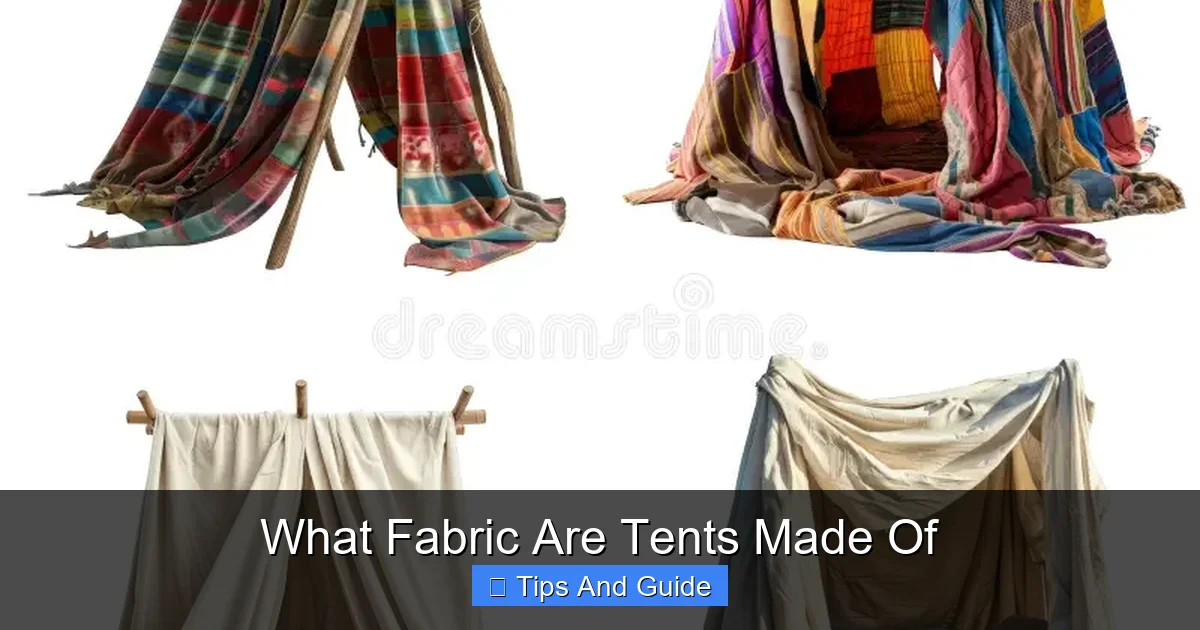
Understanding what fabric are tents made of is key to choosing the right shelter for your outdoor adventures. From lightweight nylon to heavy-duty canvas, each material offers unique benefits in terms of weight, weather protection, and breathability. This guide breaks down the most common tent fabrics so you can camp smarter and stay comfortable no matter the conditions.
If you’ve ever stood at the edge of a forest, staring at a wall of tents in an outdoor store, you know how overwhelming the choices can be. One of the biggest decisions? Figuring out what fabric are tents made of—and why it matters. The truth is, the material your tent is built from affects everything: how it handles rain, how it breathes in summer heat, how long it lasts, and even how easy it is to carry. Whether you’re a weekend warrior or a thru-hiker covering miles each day, understanding tent fabric is the first step to a better camping experience.
Tent fabric isn’t just about keeping you dry—it’s about comfort, safety, and performance. A poorly chosen material can lead to a soggy, stuffy, or collapsed shelter when you need it most. On the flip side, the right fabric can mean a cozy, dry, and breezy home away from home. In this guide, we’ll walk you through the most common tent fabrics, what makes them tick, and how to pick the best one for your needs. No jargon, no fluff—just practical info to help you make a smart choice.
Key Takeaways
- Nylon and polyester are the most common tent fabrics due to their lightweight, durability, and resistance to UV and moisture.
- Canvas tents offer superior insulation and breathability but are heavier and take longer to dry, making them ideal for long-term or cold-weather camping.
- Denier rating indicates fabric thickness—higher denier means stronger, more durable material, especially in high-wear areas like floors.
- Waterproof coatings like PU or silicone enhance weather resistance, but proper seam sealing and care are essential for long-term performance.
- Mesh panels improve ventilation and reduce condensation, crucial for comfort in warm or humid climates.
- Eco-friendly and recycled fabrics are gaining popularity as sustainable alternatives without sacrificing performance.
- Choosing the right fabric depends on your camping style—backpackers prioritize weight, while car campers may value space and durability.
📑 Table of Contents
- Common Tent Fabrics: Nylon and Polyester
- Canvas Tents: The Heavyweight Champion
- Understanding Denier: What It Means for Tent Fabric
- Waterproofing and Coatings: Staying Dry in the Rain
- Mesh and Ventilation: Fighting Condensation
- Eco-Friendly and Innovative Fabrics
- Choosing the Right Fabric for Your Camping Style
Common Tent Fabrics: Nylon and Polyester
When it comes to modern camping tents, nylon and polyester are the dynamic duo. These synthetic fabrics dominate the market because they’re lightweight, strong, and relatively affordable. But while they may look similar, they have distinct strengths.
Nylon: Lightweight and Durable
Nylon is a favorite among backpackers and ultralight campers. It’s incredibly strong for its weight and has a high tensile strength, meaning it resists tearing under stress. Most high-end tents use ripstop nylon—a weave that stops small tears from spreading. This fabric is also flexible, which helps it withstand wind and movement without snapping.
However, nylon has a downside: it absorbs water. While this might sound bad, it actually helps the fabric swell and tighten the weave, improving water resistance slightly when wet. Still, untreated nylon isn’t waterproof, so it’s always coated with a waterproof layer like polyurethane (PU) or silicone.
Polyester: UV and Weather Resistant
Polyester is slightly heavier than nylon but offers better resistance to UV rays. This makes it a great choice for long-term camping or desert environments where sun exposure is intense. Unlike nylon, polyester doesn’t absorb water, so it dries faster and won’t weaken when damp.
Many family camping tents use polyester because it holds up well over time and resists fading. It’s also less prone to sagging when wet—a common issue with nylon. For campers who prioritize longevity and sun protection, polyester is a solid pick.
Canvas Tents: The Heavyweight Champion
If you’ve ever seen a classic wall tent or a glamping setup, chances are it was made of canvas. Canvas is a heavy-duty, natural fiber fabric—usually cotton or a cotton blend—that’s been used for centuries in military, hunting, and expedition tents.
Breathability and Insulation
One of canvas’s biggest advantages is breathability. Unlike synthetic fabrics, canvas allows moisture to escape, reducing condensation inside the tent. This makes it ideal for cold weather camping where internal moisture buildup can be a problem. It also provides natural insulation, keeping the interior warmer in winter and cooler in summer.
Durability and Weather Resistance
Canvas is tough. It can withstand strong winds, heavy snow, and rough handling. When properly treated with water-repellent finishes, it becomes highly water-resistant—though not fully waterproof like coated synthetics. Over time, canvas develops a “seasoned” look and improves with use, much like a well-worn leather jacket.
The trade-off? Weight and drying time. Canvas tents are heavy—often 15 to 30 pounds or more—making them impractical for backpacking. They also take a long time to dry if they get wet, which can be a hassle in rainy climates. But for car camping, base camps, or long-term stays, canvas is hard to beat.
Understanding Denier: What It Means for Tent Fabric
You’ve probably seen numbers like “70D” or “210T” on tent specs. These refer to denier and thread count—two key indicators of fabric strength and density.
Denier Explained
Denier (D) measures the thickness of individual fibers. A higher denier means thicker, stronger threads. For example, a 40D nylon is lightweight and great for ultralight tents, while a 210D floor fabric is built to resist abrasion from rocks and gear.
Most tent bodies use 15D to 70D fabrics, balancing weight and durability. Floors, however, often use 150D to 300D materials because they take the most abuse. Always check the denier rating—especially for the floor—if you’re camping on rough terrain.
Thread Count and Weave
Thread count (T) refers to how tightly the fabric is woven. A higher thread count usually means a softer, more compact fabric. Ripstop weave, common in high-quality tents, adds small reinforcement threads in a grid pattern to prevent tears from spreading.
Waterproofing and Coatings: Staying Dry in the Rain
No matter what fabric your tent is made of, it needs protection from the elements. That’s where coatings and treatments come in.
Polyurethane (PU) Coating
PU is the most common waterproof coating. It’s applied to the inside of the tent fabric and creates a barrier that repels water. Most tents have a PU coating with a hydrostatic head rating—measured in millimeters (mm)—that indicates how much water pressure the fabric can withstand. A rating of 1,500mm is considered waterproof for light rain, while 3,000mm or higher is better for heavy downpours.
Silicone Coating
Silicone is lighter and more durable than PU. It’s often used on high-end tents because it doesn’t degrade as quickly and maintains flexibility in cold weather. Silicone-coated fabrics also dry faster and are more resistant to UV damage. However, they’re more expensive and can be harder to repair.
Seam Sealing and Floor Protection
Even the best fabric won’t keep you dry if the seams leak. Most quality tents come with taped or welded seams to prevent water from seeping through stitching holes. Always check if the tent includes a full-coverage rainfly and a bathtub-style floor—where the floor fabric wraps up the sides—to prevent water from wicking in from the ground.
For extra protection, consider using a footprint or tarp under your tent. This reduces wear on the floor and adds another layer of waterproofing.
Mesh and Ventilation: Fighting Condensation
Ever wake up to a damp tent walls and foggy windows? That’s condensation—and it’s a common issue in poorly ventilated shelters.
The Role of Mesh Panels
Mesh is a lightweight, breathable fabric used in tent doors, windows, and roofs. It allows airflow while keeping bugs out. Tents with large mesh sections are ideal for warm weather camping, as they reduce stuffiness and moisture buildup.
However, mesh offers no insulation or rain protection. That’s why most tents use a combination of solid fabric and mesh—solid walls for privacy and weather protection, and mesh panels for airflow.
Design Features That Improve Airflow
Look for tents with adjustable vents, dual doors, and high-low ventilation systems. These features let you control airflow based on conditions. For example, opening a top vent while keeping the bottom closed can create a chimney effect, pulling cool air in and pushing warm, moist air out.
Eco-Friendly and Innovative Fabrics
As sustainability becomes a bigger concern, manufacturers are exploring greener alternatives.
Recycled Materials
Many brands now use recycled nylon or polyester made from plastic bottles or fishing nets. These fabrics perform just as well as virgin materials but reduce environmental impact. For example, some high-end tents use 100% recycled ripstop nylon without sacrificing durability.
Natural and Biodegradable Options
While still rare, some companies are experimenting with hemp, organic cotton, and other natural fibers. These materials are biodegradable and have a lower carbon footprint, but they often lack the strength and weather resistance of synthetics. For now, they’re mostly found in niche or luxury camping gear.
Choosing the Right Fabric for Your Camping Style
So, what fabric are tents made of that’s best for you? It depends on how and where you camp.
Backpackers should prioritize lightweight, durable fabrics like ripstop nylon with silicone coatings. A 3-season tent made of 20D to 40D nylon is ideal for most trail conditions.
Car campers have more flexibility. If you’re heading to a family camping trip, a polyester tent with a high denier floor and full-coverage rainfly offers great value and comfort. For long-term stays or cold weather, consider a bell tent made of treated canvas.
And if you’re unsure whether your current tent can handle the rain, check out our guide on are camping tents waterproof to learn how to test and maintain your shelter.
Ultimately, the best tent fabric is the one that matches your needs—light enough to carry, strong enough to last, and reliable enough to keep you dry when the skies open up.
Frequently Asked Questions
What fabric are tents made of that’s most waterproof?
Polyester and nylon with polyurethane (PU) or silicone coatings are the most waterproof. Look for a hydrostatic head rating of at least 1,500mm for reliable rain protection.
Is canvas better than nylon for camping?
Canvas offers better breathability and insulation, making it ideal for cold or long-term camping. However, it’s heavier and slower to dry, so nylon is better for backpacking or wet climates.
Can I wash my tent fabric?
Yes, but gently. Use mild soap and cold water, and avoid machine washing unless the manufacturer says it’s safe. Always air dry completely to prevent mold.
What does “ripstop” mean in tent fabric?
Ripstop is a reinforced weave that uses thicker threads in a grid pattern to stop small tears from spreading. It’s common in high-quality nylon and polyester tents.
How do I know if my tent fabric is UV resistant?
Polyester is naturally more UV resistant than nylon. Check the product description for UV protection ratings or coatings, especially if camping in sunny, high-altitude areas.
Are all tent floors made of the same fabric?
No. Tent floors are usually made of heavier denier fabric (150D to 300D) to resist abrasion, while the walls use lighter materials for weight savings.
