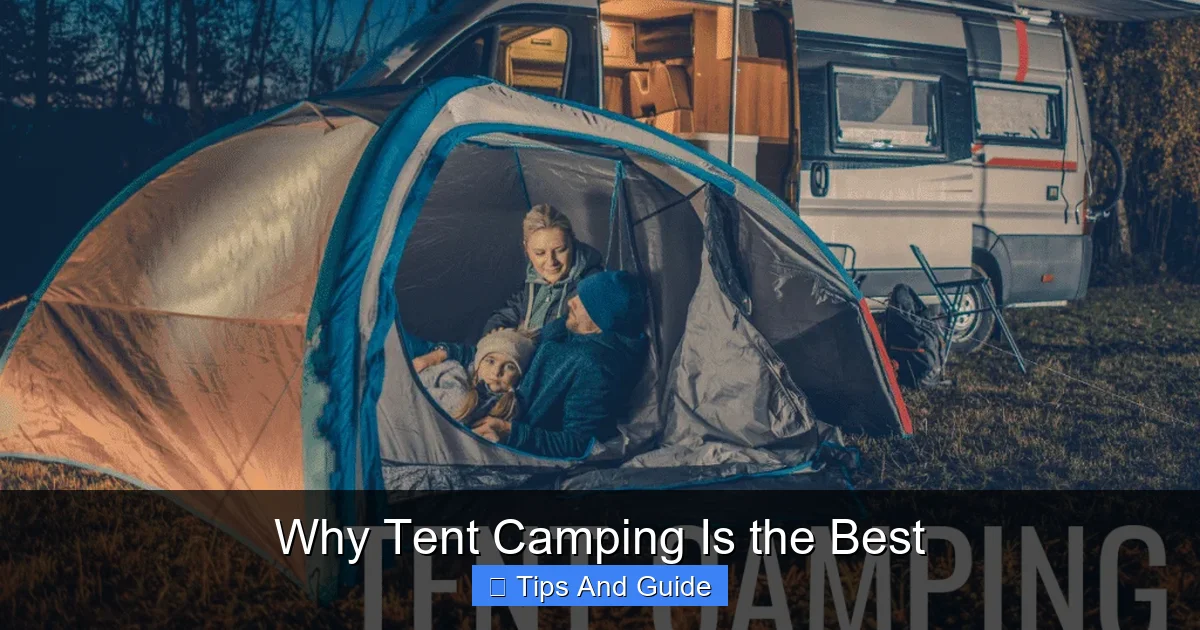
Why Tent Camping Is the Best
Tent camping offers unmatched freedom, affordability, and a deep connection to nature that other forms of outdoor lodging simply can’t match. Whether you’re a beginner or a seasoned adventurer, sleeping under the stars in a well-chosen tent brings simplicity, adventure, and joy to every trip.
Key Takeaways
- Affordable and accessible: Tent camping is one of the most budget-friendly ways to enjoy the outdoors, requiring minimal gear and no booking fees.
- Closer to nature: Sleeping in a tent puts you right in the heart of the wilderness, with sounds of wildlife and fresh air all around.
- Flexible and portable: Tents can be set up almost anywhere—forests, beaches, mountains—giving you freedom to explore remote locations.
- Builds essential skills: From pitching a tent to cooking over a fire, camping teaches self-reliance and outdoor survival skills.
- Great for families and groups: Tents come in all sizes, making them ideal for solo trips, couples, or large family adventures.
- Eco-friendly travel option: With a low environmental footprint, tent camping supports sustainable tourism and leaves no trace.
- Enhances mental well-being: Time in nature reduces stress, improves sleep, and boosts overall happiness.
📑 Table of Contents
- Introduction: The Simple Joy of Tent Camping
- Why Tent Camping Is the Best: Affordability and Accessibility
- Sleeping Under the Stars: The Ultimate Nature Experience
- Freedom and Flexibility: Go Where You Want, When You Want
- Building Skills and Confidence in the Outdoors
- Eco-Friendly and Sustainable Travel
- Conclusion: Why Tent Camping Wins Every Time
Introduction: The Simple Joy of Tent Camping
There’s something magical about unzipping your tent in the morning and stepping out into a world untouched by city noise. The crisp air, the chirping birds, the scent of pine—tent camping brings you closer to nature in a way that hotels or RVs never can. It’s not just about where you sleep; it’s about how you experience the outdoors.
Unlike glamping or cabin stays, tent camping strips away the extras and focuses on what really matters: connection, adventure, and simplicity. Whether you’re hiking deep into the woods or setting up camp at a family-friendly campground, a tent gives you the freedom to explore at your own pace. And the best part? It doesn’t take a fortune or years of experience to get started.
Why Tent Camping Is the Best: Affordability and Accessibility
One of the biggest reasons tent camping stands out is its affordability. You don’t need a luxury RV or expensive resort booking to enjoy a weekend in nature. A quality tent, sleeping bag, and basic camping gear can cost less than a single night at a hotel—and last for years.
Low Upfront and Ongoing Costs
Compared to other forms of outdoor travel, tent camping is incredibly budget-friendly. National parks and public lands often charge just $10–$30 per night for a campsite, and many dispersed camping areas are completely free. Once you’ve invested in your gear, your trips become even more economical.
No Need for Reservations (Sometimes)
While popular campgrounds do require booking, many remote or first-come, first-served sites let you roll up and set up camp without a reservation. This spontaneity is perfect for weekend warriors or those who prefer to play things by ear.
Great for Beginners
You don’t need to be an expert to start tent camping. With a little practice, anyone can pitch a tent, start a fire, and cook a meal outdoors. There are countless resources—including our guide on the best camping tent for the money—to help you choose the right gear without overspending.
Sleeping Under the Stars: The Ultimate Nature Experience
There’s no better way to disconnect from screens and reconnect with the natural world than by sleeping in a tent. The sounds of crickets, the rustle of leaves, and the sight of a star-filled sky create an experience that’s both calming and invigorating.
Immersive Outdoor Living
When you camp in a tent, you’re not just visiting nature—you’re living in it. Waking up to sunlight filtering through the fabric, hearing a nearby stream, or spotting deer grazing at dawn makes every moment feel alive. This immersion is something you simply can’t replicate in a cabin or hotel.
Perfect for Stargazing
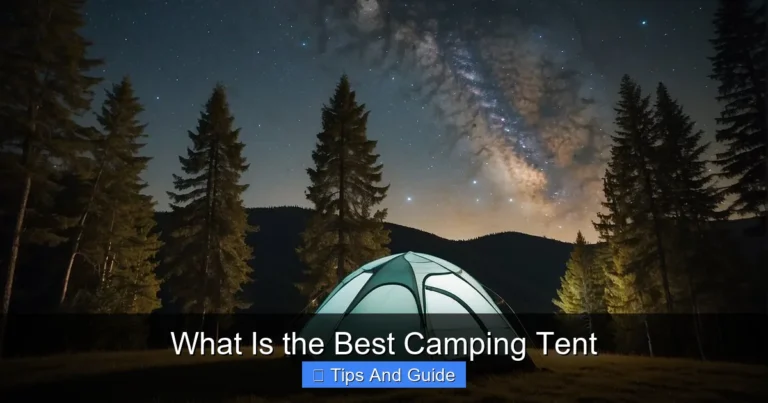
With minimal light pollution, especially in remote areas, tent camping offers some of the best stargazing opportunities. Lay back on your sleeping pad, look up, and marvel at the Milky Way. It’s a humbling and awe-inspiring experience that reminds us how small—and connected—we are in the universe.
Seasonal Variety
Each season brings its own magic to tent camping. Spring wildflowers, summer sunsets, autumn foliage, and even winter snowscapes offer unique backdrops. With the right gear—like a best all weather camping tent—you can enjoy camping year-round, no matter the conditions.
Freedom and Flexibility: Go Where You Want, When You Want
Tent camping gives you the ultimate freedom to explore. Unlike RVs or trailers, tents are lightweight, portable, and can be set up in a wide range of environments—from mountain ridges to sandy beaches.
Access to Remote Locations
Love hiking? Tent camping lets you reach trailheads and backcountry sites that are off-limits to vehicles. Pack your tent, food, and water, and spend the night deep in the wilderness. It’s the perfect way to escape crowds and find solitude.
Easy to Transport
Modern tents are designed to be compact and lightweight. Many fit easily in a backpack or car trunk, making them ideal for road trips, bike tours, or spontaneous weekend getaways. For cyclists, a best bike camping tent can be a game-changer, offering shelter without weighing you down.
Adaptable to Any Terrain
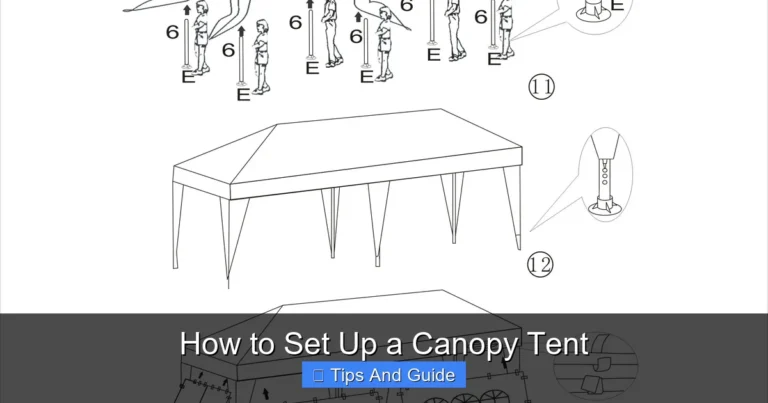
Whether you’re camping on rocky ground, soft sand, or forest soil, there’s a tent and setup method to match. With the right stakes, footprint, and anchoring techniques, you can pitch your tent almost anywhere. Check out our tips on the best way to set up a tent in the rain for wet-weather confidence.
Building Skills and Confidence in the Outdoors
Tent camping isn’t just fun—it’s educational. Every trip teaches valuable skills that boost confidence and self-reliance. From navigation to fire-building, these experiences stay with you long after you’ve packed up camp.
Learning Outdoor Survival Basics
Setting up a tent, filtering water, and cooking over a campfire are all essential skills that come naturally with practice. These abilities not only make camping safer and more enjoyable but also prepare you for unexpected situations in the wild.
Problem-Solving in Real Time
What do you do if it starts raining while you’re setting up? Or if your stove won’t light? These challenges encourage creativity and resilience. Over time, you’ll develop a “can-do” mindset that applies far beyond the campsite.
Teaching Kids Responsibility
For families, tent camping is a fantastic way to teach children about nature, teamwork, and responsibility. Letting kids help with tent setup, meal prep, or fire safety builds confidence and creates lasting memories.
Eco-Friendly and Sustainable Travel
In an age of over-tourism and environmental concern, tent camping stands out as a sustainable way to explore the outdoors. With a focus on minimal impact, it aligns perfectly with eco-conscious values.
Leave No Trace Principles
Tent camping encourages responsible behavior. By following Leave No Trace guidelines—packing out all trash, minimizing campfire impact, and respecting wildlife—you help preserve natural areas for future generations.
Low Carbon Footprint
Compared to flying to a destination or driving an RV, tent camping typically involves shorter trips and less fuel consumption. Many campers choose nearby parks or state forests, reducing travel emissions while still enjoying adventure.
Supporting Local Conservation
Campsite fees often go directly toward maintaining trails, restrooms, and visitor centers. By choosing public lands and national parks, you’re contributing to the protection and upkeep of these precious spaces.
Conclusion: Why Tent Camping Wins Every Time
Tent camping isn’t just a way to spend a weekend—it’s a lifestyle that promotes health, happiness, and harmony with nature. It’s affordable, flexible, and deeply rewarding, offering experiences that no hotel or resort can match. Whether you’re seeking solitude, family bonding, or a digital detox, a tent is your ticket to freedom.
So next time you’re planning an outdoor adventure, skip the fancy accommodations and pitch a tent instead. Feel the breeze, listen to the night, and wake up refreshed. Once you experience the simple joy of tent camping, you’ll wonder why you ever camped any other way.
Frequently Asked Questions
Is tent camping safe for beginners?
Yes! With proper preparation and the right gear, tent camping is very safe for beginners. Start at established campgrounds with amenities, and practice setting up your tent at home first.
What’s the best tent for first-time campers?
Look for a lightweight, easy-to-pitch tent with good ventilation and weather protection. The best camping tent for the money offers great value and reliability for new campers.
Can you camp in a tent during winter?
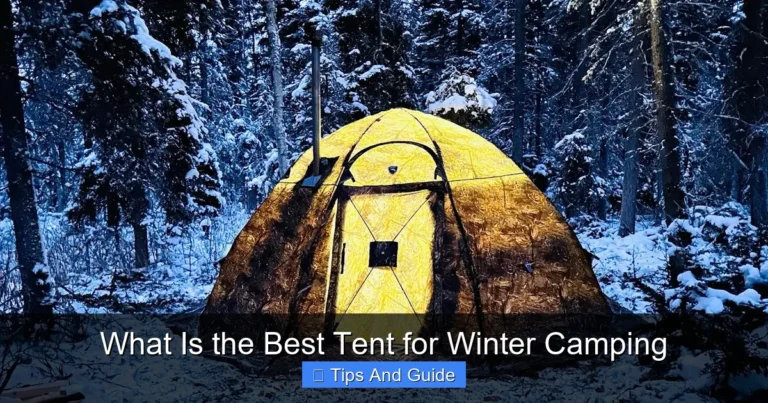
Absolutely! With a four-season tent, insulated sleeping bag, and proper layering, winter tent camping can be cozy and magical. Just be sure to check weather conditions and prepare for snow and cold.
Do I need a permit to camp in a tent?
It depends on the location. National parks and some public lands require permits or reservations, while dispersed camping on BLM land often does not. Always check local regulations before you go.
How do I stay warm while tent camping?
Use a high-quality sleeping bag rated for the season, add a sleeping pad for insulation, and wear warm layers. For extra warmth, consider a best way to heat a tent camping method like a safe, portable heater.
What should I do if it rains while camping?
Choose a tent with a full-coverage rainfly, set up on high ground, and use a ground tarp. If rain starts unexpectedly, stay calm and follow our guide on the best way to set up a tent in the rain to stay dry and comfortable.