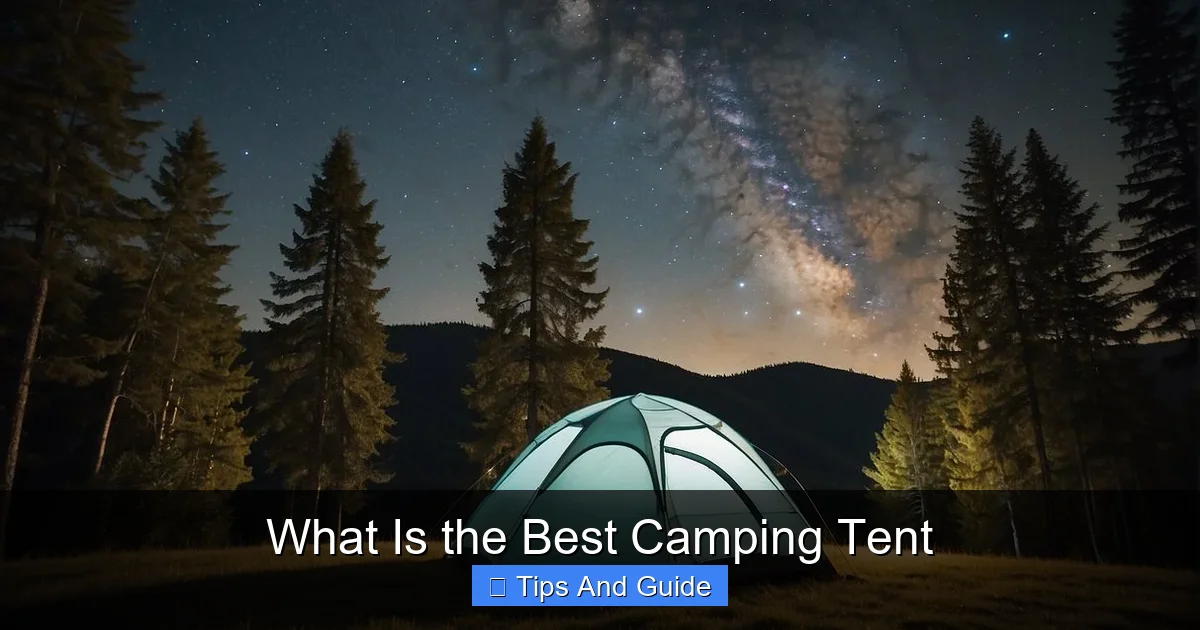
What Is the Best Camping Tent
Finding the best camping tent depends on your needs—whether it’s family trips, solo adventures, or beach getaways. This guide breaks down key features like size, weather resistance, and setup ease to help you choose wisely.
Key Takeaways
- Size matters: Choose a tent that fits your group plus gear—add one person to the tent’s rating for comfort.
- Weather readiness is key: Look for waterproof materials, sealed seams, and sturdy poles for rain or wind.
- Setup speed counts: Instant or pop-up tents save time, especially in bad weather or with kids in tow.
- Ventilation prevents condensation: Mesh panels and roof vents keep air flowing and reduce morning dampness.
- Durability over price: A well-made tent lasts years—invest in quality frames and ripstop fabric.
- Specialty tents exist: From beach shades to bikepacking shelters, match your tent to your camping style.
📑 Table of Contents
- What Is the Best Camping Tent? A Friendly Guide to Picking the Right One
- How to Choose the Right Tent Size
- Weather Resistance: Staying Dry and Safe
- Ease of Setup: Save Time and Energy
- Ventilation and Comfort: Beat the Heat and Condensation
- Specialty Tents: Matching Your Camping Style
- Durability and Value: What’s Worth the Investment?
- Final Thoughts: Finding Your Perfect Tent
What Is the Best Camping Tent? A Friendly Guide to Picking the Right One
So, you’re planning your next outdoor adventure—maybe a weekend in the woods, a lakeside family trip, or a solo backpacking journey. One thing’s for sure: you need a solid tent. But with so many options out there, how do you know what is the best camping tent for *you*?
The truth is, there’s no single “best” tent for everyone. The right choice depends on where you’re going, who you’re going with, and what kind of weather you expect. A tent that’s perfect for a summer beach trip might be a nightmare in a mountain storm. And a lightweight backpacking tent won’t cut it for a family of five.
That’s why we’re here—to help you cut through the noise and find a tent that fits your real-life needs. Whether you’re a first-time camper or a seasoned outdoor lover, this guide will walk you through the essentials. We’ll cover size, materials, setup, weather protection, and even specialty options like beach or bike camping tents.
By the end, you’ll know exactly what to look for—and feel confident in your purchase.
How to Choose the Right Tent Size
One of the most common mistakes campers make is picking a tent that’s too small. Tent manufacturers often rate tents by the number of people they can sleep—like a “3-person tent.” But here’s the catch: those numbers assume you’re sleeping shoulder-to-shoulder with no room for gear.
Tip: Always size up. If you’re camping with two people, go for a 3- or 4-person tent. This gives you space for backpacks, boots, and a little breathing room.
Family Camping: Go Big and Comfortable
For families, space is everything. A best big family camping tent should have room for kids, parents, and all the extras—sleeping bags, toys, snacks, and maybe even a small camp chair. Look for models with multiple rooms or dividers. These offer privacy and help keep things organized.
Some top family tents even come with screened-in vestibules—perfect for storing muddy shoes or letting in a breeze without bugs.
Backpacking: Lightweight and Compact
If you’re hiking to your campsite, every ounce counts. Backpacking tents are designed to be ultra-light and pack down small. A 2-person tent might weigh under 4 pounds. But remember: these are snug. You’ll sleep close to your partner, and gear usually goes outside in a vestibule.
For solo adventurers, a 1- or 2-person tent is ideal. Just make sure it’s easy to set up—because when you’re tired from a long hike, you don’t want to wrestle with poles.
Weather Resistance: Staying Dry and Safe
A great tent doesn’t just keep you off the ground—it protects you from the elements. Rain, wind, and even morning dew can ruin a trip if your tent isn’t up to the task.
Waterproofing: More Than Just a Rainfly
Look for a tent with a waterproof rating of at least 1,500mm—this means the fabric can resist heavy rain. But don’t stop there. Check for:
– Taped seams: These prevent water from seeping through stitching holes.
– Full-coverage rainfly: It should extend over the tent walls, not just the top.
– Bathtub floor: The bottom fabric should rise up the sides a few inches to stop groundwater from soaking in.
If you’re camping in rainy areas like the Pacific Northwest, consider a best all weather camping tent with extra storm flaps and reinforced poles.
Wind and Storm Protection
Strong winds can collapse a weak tent. Look for:
– Sturdy pole structure: Aluminum poles are lighter and stronger than fiberglass.
– Multiple guylines: These tie down the tent and keep it stable in gusts.
– Low profile design: Tents that sit closer to the ground handle wind better.
Always stake your tent properly—use all the provided stakes and angle them away from the tent at 45 degrees.
Ease of Setup: Save Time and Energy
Let’s be honest—no one wants to spend 30 minutes setting up camp after a long drive. The best camping tents are quick and easy to assemble, even for beginners.
Instant and Pop-Up Tents
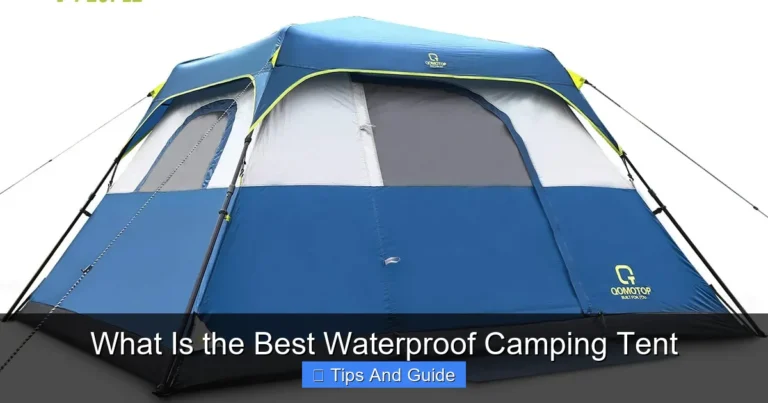
These are game-changers. Instant tents use pre-attached poles that snap into place in under two minutes. Pop-up tents literally spring open—just pull them out of the bag and they’re ready.
They’re perfect for car camping, family trips, or anyone who values convenience. Just make sure the zippers and fabric are durable—some cheaper pop-ups wear out fast.
Traditional Freestanding Tents
These require more steps—inserting poles, attaching clips, staking down—but they’re often more customizable and durable. Many backpackers prefer them because you can pitch them on rocky or uneven ground without stakes.
If you’re new to camping, practice setting up your tent at home first. It’s way less stressful than doing it in the dark at the campsite.
Ventilation and Comfort: Beat the Heat and Condensation
A stuffy, sweaty tent is no fun. Poor airflow leads to condensation—damp walls, wet sleeping bags, and that “sticky” feeling no one wants.
Mesh Panels and Roof Vents
Look for tents with large mesh windows and roof vents. These let hot air escape and keep bugs out. Some models even have adjustable vents you can open or close depending on the weather.
For hot climates, a best way to stay cool tent camping setup includes a light-colored tent (reflects heat), a ground tarp for insulation, and a battery-powered fan inside.
Condensation Control
Even the best tents get condensation on cold nights. To reduce it:
– Avoid bringing wet gear inside.
– Keep the tent slightly ventilated—crack a window or vent.
– Use a footprint or tarp under the tent to prevent ground moisture from rising.
Specialty Tents: Matching Your Camping Style
Not all camping happens in the woods. Sometimes you’re at the beach, on a bike tour, or just hanging out in the backyard. That’s where specialty tents come in.
Beach Camping: Shade and Sand Protection
Beach tents are designed for sun protection and wind resistance. They’re usually low to the ground with sand pockets or heavy bases to stay put. Look for UPF 50+ fabric and large mesh windows for ocean breezes.
Check out our guide on the best beach tent camping options for coastal adventures.
Bike Camping: Light and Portable
Bike campers need tents that are ultra-light and pack small. These often sacrifice space for weight savings. A best bike camping tent might weigh under 3 pounds and fit in a pannier.
They’re ideal for multi-day tours where every gram counts.
Backyard and Car Camping: Comfort First
If you’re not hiking far, go for comfort. Tall tents let you stand up, and models with room dividers feel like mini cabins. Some even have built-in LED lights or gear lofts.
For a fun staycation, try a best backyard camping tent—it’s a great way to introduce kids to camping without leaving home.
Durability and Value: What’s Worth the Investment?
You don’t need to buy the most expensive tent on the market—but you also don’t want the cheapest one that falls apart after two trips.
Materials That Last
– Fabric: Ripstop nylon or polyester resists tears.
– Poles: Aluminum is best for strength and weight.
– Zippers: YKK zippers are reliable and smooth.
Warranty and Brand Reputation
Reputable brands like Coleman, REI, MSR, and Big Agnes offer solid warranties and customer support. A 1- to 3-year warranty is a good sign the company stands behind its product.
And remember: a tent is an investment. Spending $200 on a quality tent that lasts five years is smarter than buying a $50 tent every season.
Final Thoughts: Finding Your Perfect Tent
So, what is the best camping tent? It’s the one that fits your life—your group size, your destination, your budget, and your camping style.
Don’t chase the latest trend or the shiniest ads. Instead, focus on real needs: space, weather protection, ease of use, and durability. Read reviews, compare features, and when in doubt, size up.
Whether you’re heading to the mountains, the beach, or your own backyard, the right tent makes all the difference. It’s your home away from home—your shelter, your retreat, your base camp for adventure.
Take your time. Do your research. And when you find that perfect tent, you’ll know it. Because the best camping tent isn’t just about specs—it’s about the memories you’ll make inside it.
Frequently Asked Questions
What is the best camping tent for families?
The best camping tent for families is spacious, easy to set up, and weather-resistant. Look for a 6- to 8-person tent with room dividers, a full-coverage rainfly, and strong poles. Models like the Coleman WeatherMaster or REI Co-op Base Camp are popular choices.
Can a 3-person tent fit three people comfortably?
A 3-person tent can sleep three people, but it will be tight with no room for gear. For comfort, choose a 4- or 5-person tent if you’re camping with two people and want space for backpacks and movement.
Are instant tents worth it?
Yes—if you value speed and convenience. Instant tents set up in under two minutes and are great for car camping or families. Just make sure to choose a durable model with quality zippers and fabric to avoid wear over time.
How do I keep my tent cool in summer?
Use a light-colored tent, keep vents open, and avoid closing all windows. Add a reflective tarp over the top for extra shade, and consider a small battery-powered fan inside for airflow.
What should I look for in a waterproof tent?
Look for a waterproof rating of at least 1,500mm, taped seams, a full-coverage rainfly, and a bathtub-style floor. These features keep you dry during rainstorms and prevent ground moisture from soaking in.
Can I use a beach tent for regular camping?
Beach tents are great for sun and wind protection but often lack the waterproofing and insulation needed for forest or mountain camping. Use them only for dry, warm conditions—otherwise, choose a traditional camping tent.