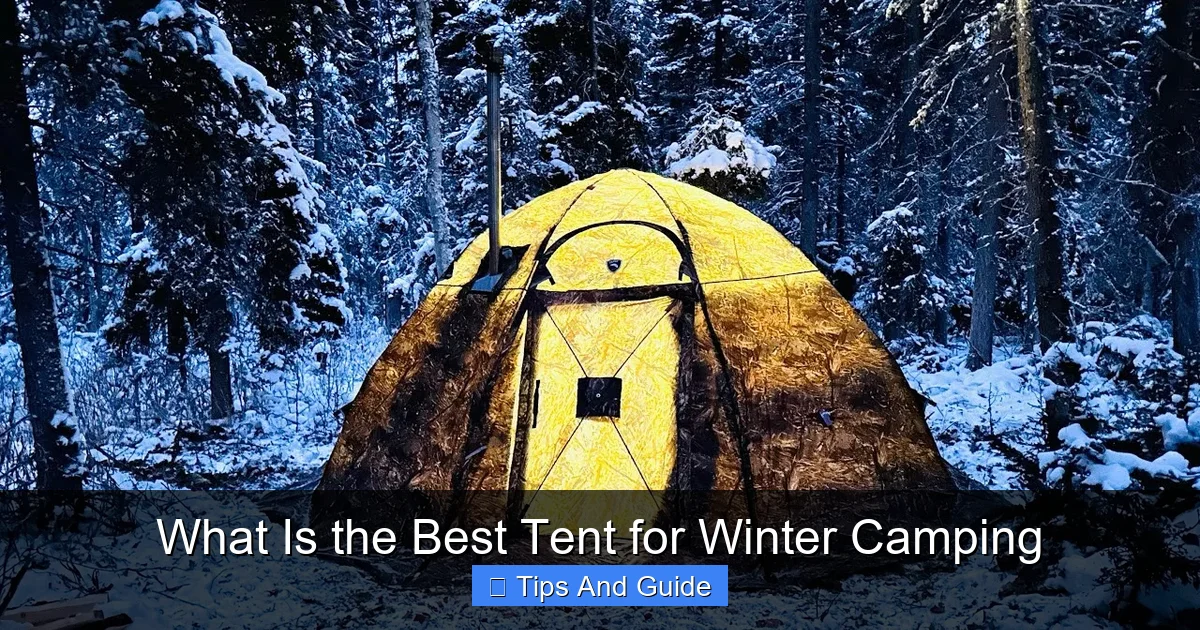
What Is the Best Tent for Winter Camping
Winter camping demands a tent built to handle snow, wind, and freezing temperatures. The best tent for winter camping combines robust materials, smart design, and reliable insulation to keep you safe and comfortable. Whether you’re backpacking or car camping, choosing the right shelter is essential for a successful cold-weather adventure.
Key Takeaways
- Four-season tents are essential: Unlike three-season tents, four-season models are designed to withstand heavy snow, high winds, and sub-zero temperatures.
- Look for strong, low-profile designs: Geodesic and dome-shaped tents offer better wind resistance and snow shedding.
- Material matters: High-denier fabrics, reinforced poles, and waterproof coatings improve durability and weather protection.
- Vestibules provide storage and ventilation: A good vestibule keeps gear dry and allows for airflow to reduce condensation.
- Proper insulation and heating go hand-in-hand: Pair your tent with a quality sleeping pad and consider safe heating options like a tent-safe stove.
- Ventilation prevents moisture buildup: Even in winter, airflow is crucial to avoid condensation, which can make you colder.
- Choose the right size: A smaller tent retains heat better, but ensure it’s spacious enough for gear and comfort.
📑 Table of Contents
Why Winter Camping Requires a Specialized Tent
Winter camping is not just summer camping with a thicker jacket. The cold, wind, snow, and ice demand gear that can handle extreme conditions. A regular three-season tent might keep you dry in a summer rainstorm, but it won’t survive a blizzard or keep you warm when temperatures drop below freezing. That’s why choosing the best tent for winter camping is one of the most important decisions you’ll make before heading out.
Winter tents are built differently. They use stronger materials, have steeper walls to shed snow, and feature robust pole structures that resist bending or breaking under pressure. They also prioritize ventilation to prevent condensation—a common issue in cold weather when warm breath meets cold fabric. Without proper airflow, moisture builds up inside the tent, soaking your gear and making you feel even colder. A true winter tent balances warmth, durability, and breathability.
What Makes a Tent “Winter-Ready”?
Not all tents labeled “four-season” are created equal. To truly be the best tent for winter camping, a shelter must meet several key criteria. First, it needs a robust structure. Look for tents with multiple cross-supported poles, preferably made from aluminum, which is lighter and stronger than fiberglass. Geodesic designs—where poles intersect in multiple places—offer the best stability in high winds.
Second, the fabric must be durable and weather-resistant. High-denier nylon or polyester with a silicone or polyurethane coating provides excellent waterproofing and tear resistance. The floor should have a high hydrostatic head rating (at least 3000mm) to prevent moisture from seeping up from the ground. Additionally, the tent should have a full-coverage rainfly that extends close to the ground, sealing out wind and snow.
Ventilation and Condensation Control
One of the biggest challenges in winter camping is condensation. When you breathe inside a cold tent, moisture escapes into the air and condenses on the inner walls. Over time, this can drip back down, soaking your sleeping bag and clothes. The best winter tents include adjustable vents, often located near the top and bottom, to promote airflow without creating drafts.
Some advanced models feature dual-layer walls or mesh panels that allow air to circulate between layers, reducing internal moisture. If your tent has a vestibule, use it wisely—keep the main door closed and store wet gear in the vestibule to minimize humidity inside the sleeping area.
Top Features to Look for in a Winter Tent
When shopping for the best tent for winter camping, focus on these must-have features. Start with the pole structure. Aluminum poles are a must—they’re lightweight and won’t snap in freezing temperatures. Look for tents with at least three poles that cross over the top, creating a dome or geodesic shape. These designs handle snow loads and wind better than simple A-frame tents.
Next, consider the tent’s weight and packability. If you’re backpacking in winter, every ounce counts. Many four-season tents are heavier than their three-season counterparts, but newer models use advanced materials to reduce weight without sacrificing strength. Aim for a tent under 6 pounds if you’re hiking long distances.
Vestibules and Gear Storage
A well-designed vestibule is a game-changer in winter camping. It acts as a buffer zone between the outside elements and your sleeping area. Use it to store boots, backpacks, and cooking gear—keeping them dry and freeing up space inside. Some tents offer multiple vestibules or large front entries that make it easy to enter and exit without bringing snow inside.
Look for vestibules with snow flaps—extensions of the rainfly that can be buried in snow to create an airtight seal. This prevents wind from sneaking in and helps trap warm air near the tent floor.
Doors and Accessibility
In a winter storm, you don’t want to struggle with a complicated tent door. The best winter tents have large, easy-to-open doors with dual zippers. This allows you to enter from either side and vent the tent without fully opening it. Some models even feature a “dry entry” system, where the door opens into the vestibule, minimizing snow intake.
Best Tent Shapes for Winter Conditions
Not all tent shapes perform equally in winter. Dome and geodesic tents are the top choices for cold-weather camping. Dome tents are stable and easy to set up, with a balanced structure that resists wind from multiple directions. Geodesic tents take it a step further, with intersecting poles that create a web-like framework. These are ideal for high-altitude or exposed locations where wind speeds can exceed 50 mph.
Avoid cabin-style or wall tents with vertical sides. While they offer more headroom, their flat surfaces collect snow and are more prone to collapsing. Similarly, tunnel tents can work in mild winter conditions but may struggle in heavy snow or strong crosswinds.
Low-Profile vs. High-Volume Designs
Low-profile tents sit closer to the ground, reducing wind exposure and heat loss. They’re ideal for exposed ridges or alpine environments. However, they offer less interior space. High-volume tents have more vertical walls, giving you room to sit up and move around. For family winter camping, a high-volume geodesic tent might be the best balance of space and stability.
Recommended Winter Tent Models
Several tents consistently rank as the best tent for winter camping. The Mountain Hardwear Trango 2 is a favorite among mountaineers for its bombproof construction and excellent ventilation. It features a geodesic design, aluminum poles, and dual vestibules. While it’s on the heavier side (around 8 lbs), it’s a reliable choice for serious winter expeditions.
For backpackers, the MSR Access 2 offers a lighter option at just under 5 pounds. It uses a hybrid single-wall design that reduces weight while maintaining weather protection. The steep side walls shed snow efficiently, and the large vestibule provides ample gear storage.
Families or groups might prefer the Hilleberg Anjan 3, a spacious three-person tent with exceptional durability. Made in Sweden, Hilleberg tents are known for their top-tier materials and lifetime warranty. The Anjan 3 handles snow loads with ease and includes multiple venting options to control condensation.
Budget-Friendly Options
You don’t need to spend $1,000 to get a solid winter tent. The Coleman Instant Cabin Tent (available in 4- and 6-person sizes) offers a more affordable entry point. While not as rugged as mountaineering tents, it’s a great option for car camping in mild winter conditions. It sets up in under a minute and has a sturdy frame, but avoid using it in high winds or heavy snow.
Another budget pick is the REI Co-op Half Dome SL 2+. Though technically a three-season tent, it has many winter-ready features, including strong poles, a full-coverage rainfly, and good ventilation. With added snow anchors and a footprint, it can handle light winter use in protected areas.
Setting Up Your Tent in Winter Conditions
Even the best tent for winter camping won’t perform well if it’s not set up correctly. Always pitch your tent on flat, elevated ground to avoid drifting snow and water runoff. Clear away rocks, sticks, and ice to prevent punctures. Use a quality footprint or tarp underneath for extra insulation and moisture protection.
Stake out all guylines and use snow stakes or deadman anchors if regular stakes won’t hold. In deep snow, bury logs or use snow blocks to secure your tent. Angle the vestibule away from the wind to reduce snow accumulation. And never skip the rainfly—even if it’s not snowing, it provides critical insulation and wind protection.
Heating and Insulation Tips
While your tent keeps the elements out, you’ll need additional strategies to stay warm. Start with a high R-value sleeping pad (R-5 or higher) to insulate yourself from the cold ground. Pair it with a winter-rated sleeping bag rated for at least 10°F below the expected low.
For heat, consider a tent-safe wood or liquid fuel stove. Never use propane heaters inside a tent—they produce carbon monoxide and can melt fabric. If you’re car camping, a small catalytic heater designed for tents can be used with proper ventilation. Always follow manufacturer guidelines and never leave a heat source unattended.
Conclusion
Finding the best tent for winter camping means prioritizing strength, weather resistance, and smart design. A quality four-season tent with a strong pole system, durable fabric, and excellent ventilation will keep you safe and comfortable in harsh conditions. Whether you’re summiting a mountain or camping in a snowy forest, your tent is your lifeline—choose wisely.
Remember, the right tent is just one part of winter camping success. Pair it with proper insulation, safe heating, and smart setup techniques to make the most of your cold-weather adventure. With the right gear and preparation, winter camping can be one of the most rewarding experiences in the outdoors.
Frequently Asked Questions
Can I use a three-season tent in winter?
It’s not recommended. Three-season tents lack the structural strength and insulation needed for snow, wind, and freezing temperatures. They may collapse under snow loads or fail in high winds. For safety and comfort, invest in a true four-season tent.
How do I prevent condensation in my winter tent?
Use adjustable vents to promote airflow, keep the main door closed, and store wet gear in the vestibule. Avoid drying clothes inside the tent, and consider using a moisture-wicking sleeping bag liner to reduce humidity.
What’s the difference between a four-season and three-season tent?
Four-season tents are built with stronger poles, heavier fabrics, and better wind/snow resistance. They often have fewer mesh panels and more robust rainflies. Three-season tents are lighter but not designed for extreme winter conditions.
Do I need a special footprint for winter camping?
Yes. A durable footprint protects the tent floor from ice, rocks, and moisture. It also adds an extra layer of insulation. Choose one that matches your tent size and is made from waterproof material.
Can I heat my tent safely in winter?
Only with tent-safe heating devices like liquid fuel or catalytic heaters. Never use open flames or propane heaters inside a tent due to fire and carbon monoxide risks. Always ensure proper ventilation.
What size tent is best for winter camping?
A smaller tent retains heat better, so choose one that fits your group snugly. For two people, a two- or three-person tent is ideal. Add extra space if you’re carrying bulky winter gear.