Where to Tent Camp in Yosemite
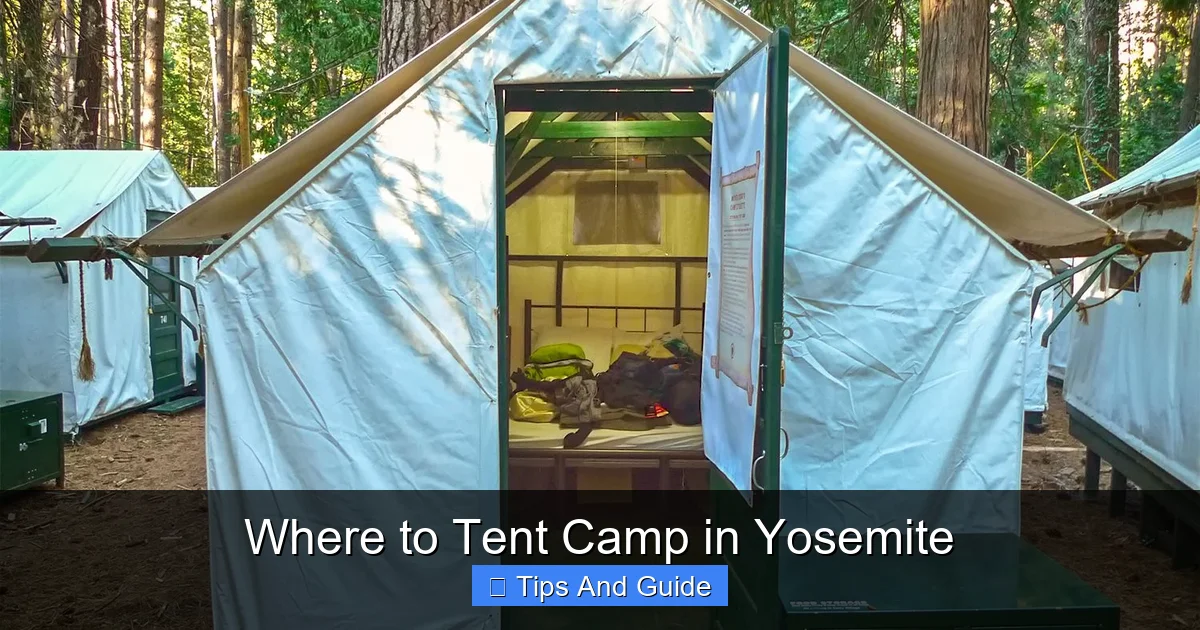
Yosemite National Park offers some of the most breathtaking tent camping experiences in the U.S., with over a dozen campgrounds set against granite cliffs, giant sequoias, and alpine lakes. Whether you’re a first-time camper or a seasoned adventurer, choosing the right spot can make all the difference in your trip.
If you’ve ever dreamed of waking up to the sound of rustling pine trees, the distant echo of waterfalls, and the golden glow of sunrise on El Capitan, then tent camping in Yosemite is calling your name. Yosemite National Park isn’t just a destination—it’s an experience that stays with you long after you’ve packed up your gear. With its towering granite monoliths, ancient sequoia groves, and crystal-clear rivers, Yosemite offers some of the most iconic and serene camping spots in the United States.
But with so many options, where do you even begin? The park has over a dozen designated campgrounds, each with its own vibe, elevation, and access to trails and attractions. Whether you’re looking for a family-friendly site near Yosemite Valley or a remote backcountry escape above the tree line, there’s a perfect spot for you. The key is knowing what to expect—and planning ahead. From reservation windows to bear safety, a little preparation goes a long way in making your Yosemite tent camping adventure smooth and unforgettable.
Key Takeaways
- Reserve early: Most Yosemite campgrounds fill up months in advance, especially during summer.
- Valley campgrounds are popular: Sites like Upper Pines and North Pines offer easy access to major attractions.
- High-elevation options exist: Tuolumne Meadows provides a cooler, quieter experience above 8,600 feet.
- First-come, first-served sites are limited: Only a few campgrounds operate on a walk-in basis.
- Follow bear safety rules: Use bear-proof lockers and never store food in your tent.
- Check seasonal closures: Many high-elevation campgrounds close in winter due to snow.
- Pack for changing weather: Temperatures can drop quickly, even in summer.
📑 Table of Contents
Top Tent Camping Campgrounds in Yosemite Valley
Yosemite Valley is the heart of the park and home to some of the most sought-after tent camping spots. These campgrounds put you within walking distance of Half Dome, Yosemite Falls, and the Merced River. While they’re popular (and often booked solid), they offer unmatched convenience and scenery.
Upper Pines Campground
Upper Pines is one of the largest and most popular campgrounds in Yosemite Valley. Nestled among pine trees and just a short walk from the valley floor, it’s ideal for families and first-time visitors. The campground has 238 sites, all reservable up to five months in advance through Recreation.gov. Each site includes a fire ring, picnic table, and access to flush toilets and drinking water. Showers and laundry facilities are available nearby at the Yosemite Valley Lodge.
One of the best perks? You’re only a 10-minute walk from the Mist Trailhead, which leads to Vernal and Nevada Falls. Just remember: this campground fills up fast, especially from May through September. If you’re planning a summer trip, set a calendar reminder to book the moment reservations open.
North Pines and South Pines Campgrounds
These two adjacent campgrounds offer a slightly quieter alternative to Upper Pines while still being in the heart of the action. North Pines has 81 sites, and South Pines has 105—all reservable. Both are located along the Merced River, giving campers the chance to fall asleep to the sound of flowing water. Tent sites are well-spaced, and many offer partial shade, which is a bonus during hot summer afternoons.
South Pines is particularly great for photographers. Early morning light reflecting off the river creates stunning photo opportunities right outside your tent. Both campgrounds are also close to the Yosemite Village shuttle stop, making it easy to explore without driving.
High-Elevation Camping: Tuolumne Meadows
If you’re looking to escape the summer crowds and enjoy cooler temperatures, head to Tuolumne Meadows. Located at 8,600 feet along Tioga Road (Highway 120), this high-elevation campground offers a completely different Yosemite experience. The air is crisp, the wildflowers bloom in July, and the views of the Sierra Nevada are nothing short of spectacular.
Tuolumne Meadows Campground
With 304 sites, Tuolumne Meadows is the largest campground in Yosemite and one of the few that operates on a first-come, first-served basis—though reservations are available for some sites during peak season. The campground is open roughly from late June to early September, depending on snowmelt. It’s a favorite among backpackers and those heading into the backcountry, as it’s the gateway to the John Muir Trail and other high-country routes.
Keep in mind that services are limited here. There are no showers, and water is available only from spigots near restrooms. But the trade-off is solitude and star-filled skies. On clear nights, the Milky Way is clearly visible—something you won’t see in the valley. If you’re planning to camp here, arrive early in the day, especially on weekends.
Family-Friendly and Accessible Options
Yosemite welcomes campers of all ages and abilities. Several campgrounds are designed with families and accessibility in mind, offering flat terrain, nearby restrooms, and proximity to visitor services.
Wawona Campground
Located near the park’s South Entrance, Wawona is a quieter option that’s perfect for families. It’s close to the Mariposa Grove of Giant Sequoias, making it a great base for exploring these ancient trees. The campground has 98 sites, a mix of tent and RV spots, with some reservable and others first-come, first-served. Amenities include flush toilets, drinking water, and a nearby store.
The Merced River runs alongside the campground, offering safe swimming spots and shaded picnic areas. It’s also less crowded than valley campgrounds, so you’re more likely to snag a site even during busy times. Just be aware that it’s about an hour’s drive from Yosemite Valley, so plan your days accordingly.
Accessible Campsites
Yosemite offers ADA-compliant campsites at several campgrounds, including Upper Pines, North Pines, and Wawona. These sites feature level tent pads, accessible restrooms, and nearby parking. When making a reservation, specify your accessibility needs to ensure you’re assigned the right site. The park also provides accessible shuttle service in the valley, making it easier to get around without a car.
First-Come, First-Served Campgrounds
While most Yosemite campgrounds require reservations, a few operate on a first-come, first-served basis. These can be great options if you’re flexible with your plans—but they come with risks.
Hodgdon Meadow and Crane Flat Campgrounds
Hodgdon Meadow, near the park’s Big Oak Flat Entrance, and Crane Flat, just east of the valley, are two of the few campgrounds that don’t require advance reservations. Both have a mix of tent and RV sites and offer basic amenities like fire rings, picnic tables, and vault toilets. Hodgdon Meadow is especially popular with RVers, but it has plenty of tent sites too.
Crane Flat is higher in elevation (about 6,200 feet), so it’s cooler and less crowded. It’s also a great starting point for hikes to Hetch Hetchy or the Tuolumne Grove of sequoias. That said, these campgrounds can fill up by mid-morning on weekends, so arrive early if you’re relying on walk-in availability.
Tips for a Successful Tent Camping Trip in Yosemite
Camping in Yosemite is more than just pitching a tent—it’s about respecting nature, staying safe, and making the most of your time in one of the world’s most beautiful parks.
Make Reservations Early
Reservations for most Yosemite campgrounds open five months in advance and often sell out within minutes. Use the Recreation.gov website or app to set alerts and be ready when booking opens. If you miss out, check for cancellations—people do change their plans.
Practice Bear Safety
Bears are active in Yosemite, and they love human food. Every campsite has a bear-proof food locker. Use it for all food, toiletries, and scented items—even toothpaste. Never leave food in your tent or car. Violations can result in fines, and more importantly, they endanger wildlife.
Pack for All Weather
Yosemite’s weather can change quickly. Summer days can be hot, but nights—especially at higher elevations—can drop below 40°F. Bring layers, a warm sleeping bag, and a rainfly for your tent. For tips on staying comfortable in extreme conditions, check out our guide on the best way to camp in a tent.
Leave No Trace
Pack out everything you bring in, including trash and food scraps. Stay on designated trails to protect fragile ecosystems. And remember: drones are not allowed in the park without a permit.
Use the Shuttle System
Parking in Yosemite Valley is limited. Use the free shuttle buses to get around instead of driving. They run frequently and stop at all major campgrounds, trailheads, and attractions.
Seasonal Considerations
When you visit matters—a lot. Yosemite’s campgrounds have different opening and closing dates based on elevation and weather.
Summer (June–September)
This is peak season. All campgrounds are open, and the weather is generally warm and dry. But it’s also the busiest time, so expect crowds and limited availability.
Spring and Fall (April–May, October)
These shoulder seasons offer fewer crowds and lower prices. Some high-elevation campgrounds may still be closed in spring due to snow, but valley sites are usually open. Fall brings stunning foliage, especially along the Merced River.
Winter (November–March)
Only a few campgrounds, like Upper Pines, remain open year-round—and even those may close during heavy snow. Winter camping is magical but requires preparation. For advice on staying warm and safe, read our guide on how to winter camp in a tent. If you’re up for snow camping, we also have tips on how to tent camp in the snow.
Conclusion
Tent camping in Yosemite is more than just a place to sleep—it’s a chance to connect with nature in one of the most awe-inspiring landscapes on Earth. Whether you’re gazing up at Half Dome from your tent door in Upper Pines or stargazing under a high-alpine sky in Tuolumne Meadows, the experience is unforgettable. With careful planning, respect for the environment, and a spirit of adventure, your Yosemite camping trip can be the highlight of your year. So pack your tent, charge your camera, and get ready to answer the call of the wild.
Frequently Asked Questions
Do I need a reservation to camp in Yosemite?
Most Yosemite campgrounds require reservations, which can be made up to five months in advance on Recreation.gov. Only a few campgrounds, like Hodgdon Meadow and Crane Flat, operate on a first-come, first-served basis.
Can I camp for free in Yosemite?
No, all designated campgrounds in Yosemite charge a fee, typically ranging from $26 to $36 per night. Backcountry camping requires a wilderness permit, which is free but must be reserved in advance.
Are there showers at Yosemite campgrounds?
Showers are available at Yosemite Valley Lodge and Curry Village, but not at all campgrounds. Tuolumne Meadows and Wawona do not have shower facilities, so plan accordingly.
What should I do if I encounter a bear?
Never approach or feed bears. Store all food in bear-proof lockers. If you see a bear, stay calm, make noise, and back away slowly. Report aggressive behavior to park rangers immediately.
Can I bring my dog to Yosemite campgrounds?
Yes, dogs are allowed in most campgrounds and on paved roads and trails, but they must be leashed at all times. Dogs are not allowed on most hiking trails or in the wilderness.
What’s the best time of year to tent camp in Yosemite?
Late spring through early fall (May to September) offers the best weather and full access to campgrounds. Summer is busiest, while spring and fall provide fewer crowds and pleasant temperatures.