Who Makes the Best Camping Tents
Finding the best camping tents isn’t just about price—it’s about durability, weather resistance, and comfort. This guide breaks down the top brands and models based on real-world performance, helping you choose a tent that fits your needs and budget.
Key Takeaways
- Quality materials matter: Look for ripstop nylon or polyester with high-denier fabric for long-term durability.
- Weather protection is key: The best camping tents feature full-coverage rainflies and taped seams for storm-ready performance.
- Ventilation prevents condensation: Mesh panels and adjustable vents keep airflow strong, even in humid conditions.
- Ease of setup counts: Freestanding designs with color-coded poles make pitching fast and frustration-free.
- Size and weight balance: Choose a tent that fits your group size without being overly heavy—especially important for backpacking.
- Brand reputation helps: Trusted names like MSR, REI, Coleman, and Big Agnes consistently deliver reliable gear.
- Consider your camping style: Car campers can prioritize space and comfort, while hikers need lightweight, compact options.
📑 Table of Contents
Who Makes the Best Camping Tents? A Complete Buyer’s Guide
Choosing the right tent can make or break your camping experience. Whether you’re heading into the backcountry for a weekend or setting up base camp at a music festival, your tent is your home away from home. With so many options on the market, it’s easy to feel overwhelmed. That’s why understanding who makes the best camping tents—and why—can save you time, money, and sleepless nights in a soggy shelter.
The truth is, there’s no single “best” tent for everyone. The ideal choice depends on your camping style, climate, group size, and budget. But certain brands consistently rise to the top thanks to innovation, reliability, and customer satisfaction. In this guide, we’ll explore the leading manufacturers, what sets their tents apart, and how to match their products to your needs. From ultralight backpacking shelters to spacious family domes, we’ve got you covered.
Top Brands That Consistently Deliver Quality
Several companies have earned their reputation as leaders in outdoor gear by focusing on performance, durability, and user-friendly design. These aren’t just flashy names—they’re trusted by weekend warriors and thru-hikers alike.
MSR (Mountain Safety Research)
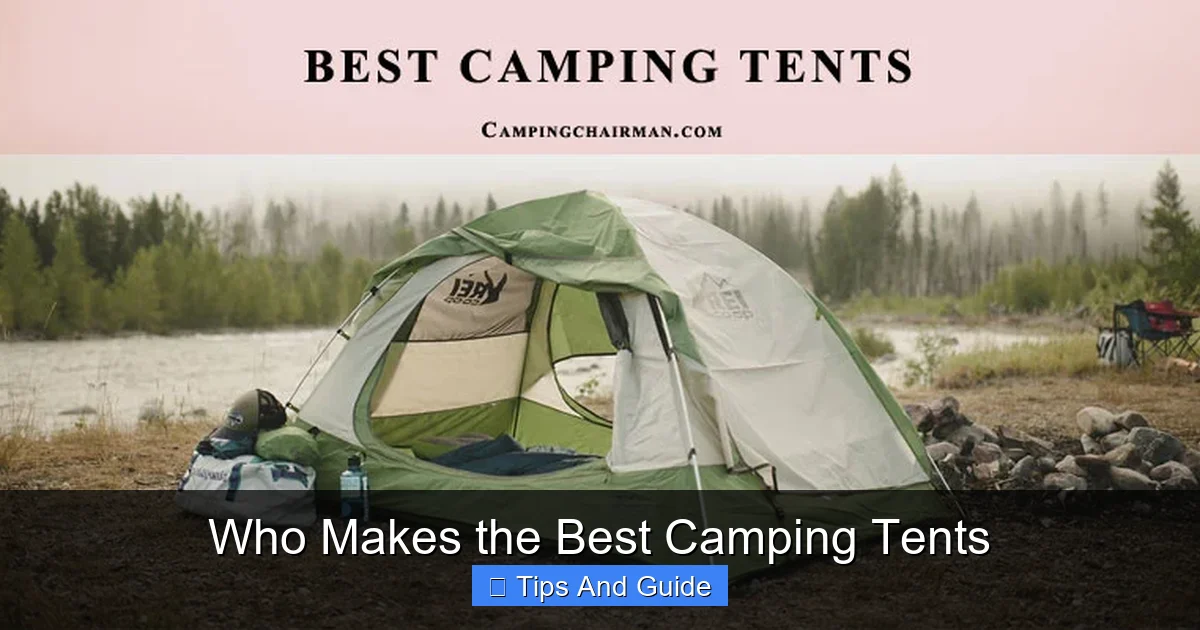
MSR is synonymous with high-performance outdoor equipment, especially among serious backpackers. Their tents, like the MSR Hubba Hubba NX, are engineered for extreme conditions. Built with lightweight yet rugged materials, these tents offer excellent wind resistance and quick setup. While they come with a higher price tag, MSR’s attention to detail—like reinforced guylines and intuitive pole systems—makes them a favorite for those who prioritize safety and efficiency in the wild.
REI Co-op
REI strikes a great balance between quality and affordability. Their Half Dome SL series is a standout for car campers and casual hikers. These tents feature generous headroom, large vestibules for gear storage, and smart ventilation systems. Plus, REI’s commitment to sustainability and member benefits (like generous return policies) adds extra value. If you’re looking for reliable performance without breaking the bank, REI is a solid choice.
Coleman
For families and first-time campers, Coleman remains a household name. Known for easy setup and spacious interiors, models like the Coleman Sundome are perfect for weekend getaways. While not designed for alpine expeditions, Coleman tents excel in fair-weather camping and offer great value. Their WeatherTec system—with welded floors and inverted seams—provides decent rain protection for casual use.
Big Agnes
Big Agnes has revolutionized tent design with features like integrated sleeping pad sleeves and ultralight materials. Their Copper Spur HV UL series is a favorite among backpackers who want comfort without the weight. Big Agnes also prioritizes eco-friendly practices, using recycled fabrics and responsible manufacturing. If you’re serious about minimizing pack weight without sacrificing livability, this brand deserves a close look.
What Makes a Tent “The Best”?
So, what separates an average tent from one that truly stands out? It comes down to a few critical factors that directly impact your comfort and safety in the outdoors.
Material and Construction
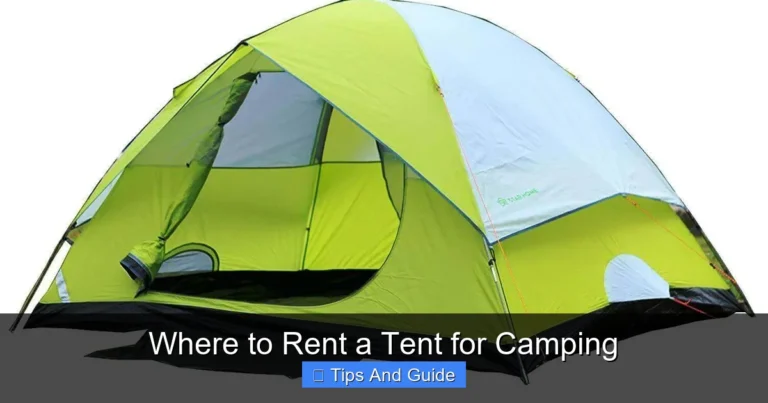
The fabric of your tent determines how well it withstands rain, wind, and wear. Look for ripstop nylon or polyester with a denier rating of at least 40D for durability. Higher denier means thicker, stronger fabric—ideal for rocky or abrasive terrain. Also, check the hydrostatic head (HH) rating: 1,500mm or higher is good for light rain, while 3,000mm+ is better for heavy storms.
Weather Resistance
A great tent must keep you dry and stable in bad weather. Full-coverage rainflies, taped or welded seams, and bathtub-style floors (where the floor material wraps up the sides) are essential. Freestanding designs with strong pole structures (like aluminum DAC poles) handle wind better than non-freestanding models. For winter or high-altitude trips, consider a four-season tent with reinforced frames and minimal mesh.
Ventilation and Condensation Control
Even the best camping tents can turn into saunas without proper airflow. Mesh roof panels, adjustable vents, and dual doors help reduce condensation—a common issue in cold or humid climates. Tents with strategic vent placement allow cross-breezes to flow through, keeping the interior fresh and dry.
Matching Tents to Your Camping Style
Not all tents are created equal—and neither are camping trips. Your adventure type should heavily influence your choice.
Backpacking: Lightweight and Compact
If you’re hiking miles to your campsite, every ounce counts. Ultralight tents from brands like MSR or Big Agnes weigh under 3 pounds and pack down small. These often sacrifice space for weight savings, so look for models with vestibules to store boots and packs outside. The MSR Hubba NX 2 is a top pick for solo or duo trips.
Car Camping: Space and Comfort
When your vehicle is nearby, you can prioritize room and convenience. Look for tall ceilings, multiple rooms, and gear lofts. The REI Co-op Kingdom 6 offers near-home comfort with standing height and room dividers—perfect for families. For even more luxury, check out glamping-style tents with screened porches and built-in lighting.
Family Camping: Room to Grow
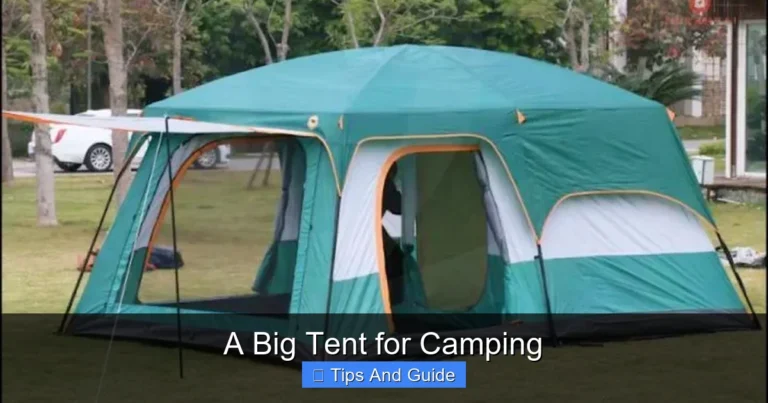
Families need space for kids, pets, and gear. Six- to eight-person tents like the Coleman Montana or Core 9-Person Extended Dome provide ample room. Look for easy setup (many use instant-pitch technology) and durable floors. For larger groups, consider spacious multi-room options that keep sleeping and living areas separate.
Beach and Festival Camping
Sand, sun, and crowds require a different approach. Beach tents need sand anchors, UV-resistant fabric, and quick shade setup. The OT QOMOTOP Beach Tent is a popular choice. For festivals, opt for bright colors (easier to spot) and bug-proof mesh. See our guide on best beach camping tents for more tips.
Budget vs. Premium: Getting the Best Value
You don’t need to spend $500 to get a good tent—but you also shouldn’t expect storm-proof performance from a $50 model. Here’s how to find the sweet spot.
Affordable Options That Deliver
Brands like Coleman, CORE, and Gazelle offer reliable tents under $150. The CORE 6-Person Instant Cabin sets up in under a minute and includes a room divider—great for families on a budget. These tents may not last decades, but they’re perfect for seasonal use and casual campers.
Mid-Range Gems
For $200–$400, you unlock better materials, improved weather protection, and smarter designs. REI’s Half Dome series and Kelty’s Late Start tents fall here. They’re durable enough for yearly trips and often include extras like gear pockets and LED light clips.
Investing in Premium Gear
If you camp frequently or in harsh conditions, spending $400+ makes sense. Premium tents last longer, perform better, and often come with lifetime warranties. MSR and Big Agnes lead here, but even premium brands offer great value when you consider cost per use.
Final Tips for Choosing Your Perfect Tent
Before you buy, ask yourself: How many people will sleep inside? Will I be hiking or driving? What’s the worst weather I might face? Test the setup at home—many frustrating trips start with a tent that’s harder to pitch than expected.
Also, read real user reviews. A tent might look great on paper but fail in windy conditions or leak at the seams. And don’t forget accessories: a quality footprint extends floor life, and a tarp adds extra weather protection.
Ultimately, the best camping tents are the ones that match your lifestyle. Whether you’re chasing sunrises on mountain peaks or roasting marshmallows with kids by the lake, the right shelter makes all the difference.
Frequently Asked Questions
What’s the most durable camping tent brand?
MSR and Big Agnes are known for exceptional durability, especially in harsh conditions. Their use of high-denier fabrics and reinforced poles ensures long-term performance.
Are expensive tents worth it?
Yes—if you camp often or in extreme weather. Premium tents offer better materials, weather resistance, and longevity, making them cost-effective over time.
Can a 3-season tent handle snow?
Generally no. 3-season tents aren’t built for heavy snow loads or high winds. For winter camping, choose a 4-season tent designed for snow and cold.
How do I prevent condensation in my tent?
Maximize ventilation by opening vents, using mesh panels, and avoiding breathing directly onto walls. A well-ventilated tent reduces moisture buildup.
What size tent do I need for a family of four?
A 6- to 8-person tent is ideal. It provides sleeping space plus room for gear. Look for models with room dividers for privacy.
Do I need a footprint for my tent?
Yes—it protects the floor from abrasion and moisture. Many brands sell matching footprints, or you can use a custom-cut tarp.