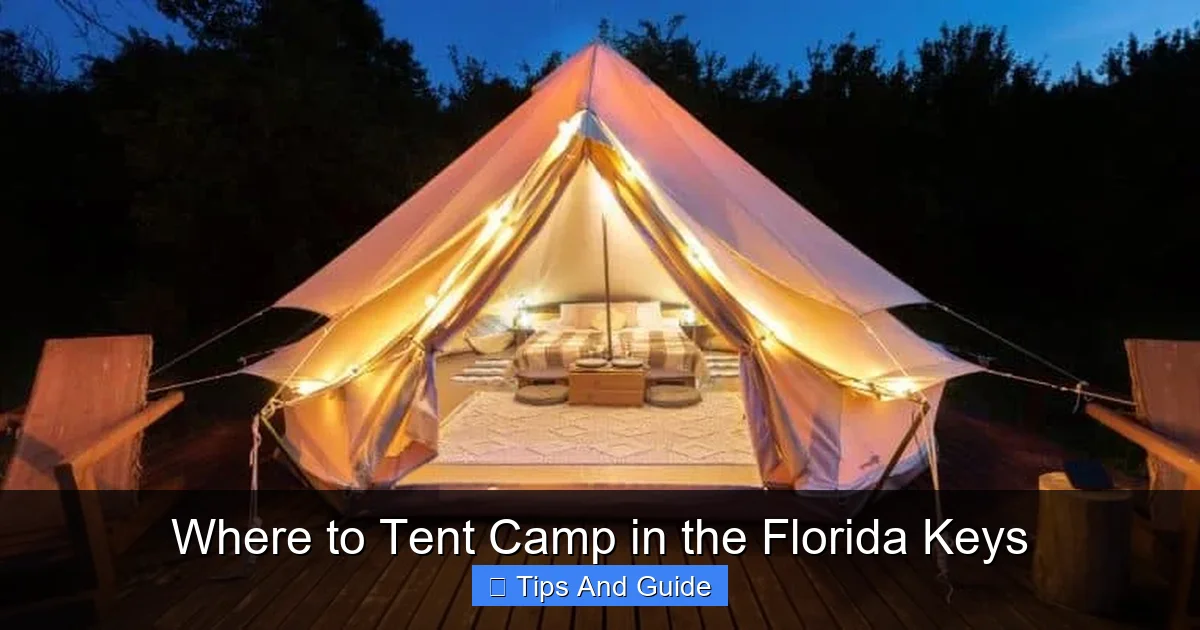
Where to Tent Camp in the Florida Keys
Looking to pitch a tent under swaying palms with ocean views? The Florida Keys offer some of the most scenic and accessible tent camping spots in the U.S. From national parks to family-friendly campgrounds, you’ll find options for every type of camper—whether you’re seeking solitude or adventure.
Dreaming of waking up to turquoise waters, gentle sea breezes, and the sound of waves lapping just beyond your tent? Tent camping in the Florida Keys isn’t just possible—it’s an unforgettable experience. Stretching over 100 miles of coral islands connected by the iconic Overseas Highway, the Keys blend tropical beauty with outdoor adventure. While RVs and glamping are popular, nothing beats the simplicity and connection to nature that comes with sleeping under the stars in a well-placed tent.
Unlike mainland Florida, the Keys have limited land area and strict environmental protections, which means tent camping options are more curated than sprawling. But what they lack in quantity, they make up for in quality. Whether you’re a first-time camper or a seasoned backpacker, the Keys offer unique opportunities to camp near coral reefs, mangrove forests, and some of the clearest waters in the continental U.S. Just remember: this isn’t the kind of place where you can just pull over and pitch a tent. Planning is key.
Key Takeaways
- National parks dominate the scene: Most tent camping in the Florida Keys happens within protected areas like Dry Tortugas and Bahia Honda State Park.
- Reservations are essential: Popular sites fill up months in advance—book early, especially during winter and spring break.
- Beach camping is limited but magical: Only a few locations allow tent camping directly on the beach, making them highly sought after.
- Weather matters year-round: The Keys stay warm, but hurricane season (June–November) requires extra planning and flexibility.
- Pack smart for humidity and bugs: Lightweight, breathable gear and insect repellent are must-haves for comfort.
- Leave No Trace is critical: Protect fragile ecosystems by packing out all trash and minimizing your environmental impact.
- Boat-in camping adds adventure: Remote islands like those in Dry Tortugas require a boat or seaplane but offer unmatched solitude.
📑 Table of Contents
Top Public Campgrounds for Tent Camping
If you’re looking for established campgrounds with amenities like restrooms, picnic tables, and fire rings, your best bets are state and national parks. These sites offer safety, convenience, and proximity to natural wonders.
Bahia Honda State Park – The Crown Jewel
Located on Big Pine Key, Bahia Honda is arguably the most popular tent camping destination in the Florida Keys. With over 80 campsites—many suitable for tents—it offers stunning views of the Atlantic Ocean and the historic Sunshine Skyway Bridge. Sites are nestled among Australian pines and sea grapes, providing natural shade and privacy.
Tent campers love Site 101 and 102 for their oceanfront views, though these book up fast. The park also features a sandy beach perfect for swimming, snorkeling, and sunset watching. Restrooms with cold showers, potable water, and a small camp store make it comfortable for families. Reservations open four months in advance and often sell out within minutes—set a calendar reminder!
John Pennekamp Coral Reef State Park – Gateway to the Reef
On Key Largo, John Pennekamp is America’s first underwater park and a fantastic base for tent campers interested in snorkeling or kayaking. The park has 47 campsites, all accessible by car, with some shaded by palm trees. While not directly on the beach, several sites are just a short walk from the water.
This is a great spot if you want to combine camping with marine exploration. Guided glass-bottom boat tours and snorkel trips depart daily from the marina. Keep in mind that the campground can get busy, so reserve early. Also, be prepared for mosquitoes—bring repellent!
Long Key State Park – Quiet and Scenic
For a more secluded experience, head to Long Key State Park, about halfway down the Keys. This smaller park has 54 campsites, many shaded and close to the beach. The campground sits on a narrow strip of land between the Atlantic and a tidal lagoon, offering beautiful sunrise and sunset views.
Tent campers appreciate the peaceful atmosphere and the chance to spot birds, crabs, and even manatees in the lagoon. The park has restrooms, cold showers, and a nature trail. It’s less crowded than Bahia Honda, making it ideal for those seeking tranquility.
Backcountry and Boat-In Camping Options
If you’re up for a true adventure, consider backcountry or boat-in tent camping. These options require more preparation but reward you with solitude and untouched beauty.
Dry Tortugas National Park – The Ultimate Escape
Accessible only by seaplane or a 2.5-hour boat ride from Key West, Dry Tortugas is a remote paradise of seven small islands. Garden Key, home to Fort Jefferson, offers primitive tent camping with no facilities—just you, the sea, and the stars.
There are only 16 campsites, and permits are required. You’ll need to bring all your water, food, and gear. But the payoff? Pristine coral reefs, sea turtle sightings, and some of the darkest skies in Florida for stargazing. This is not for beginners—check weather conditions and ensure you have reliable transportation.
No Name Key – Off-the-Grid Wilderness
This uninhabited island near Big Pine Key is reachable only by boat and offers free, primitive tent camping. There are no facilities, so you must pack in everything and pack out all waste. The island is known for its Key deer population and quiet beaches.
Access is via a narrow channel that requires careful navigation. It’s best for experienced paddlers or boaters. Always check tides and weather before heading out.
Tips for Tent Camping in the Florida Keys
Camping in the Keys is unlike camping anywhere else. The tropical climate, salt air, and unique ecosystems require special preparation.
Choose the Right Gear
Opt for a lightweight, well-ventilated tent with a full-coverage rainfly. The humidity stays high year-round, so condensation can build up quickly. A mesh-heavy design helps with airflow. Don’t forget a groundsheet to protect your tent floor from sharp shells or coral fragments.
Because of the heat and bugs, consider a tent with built-in bug netting. And if you’re camping on the beach, sand stakes or heavy-duty pegs are a must—regular tent pegs won’t hold in loose sand.
Stay Cool and Hydrated
Even in winter, temperatures in the Keys can reach the 80s. Heat and humidity make staying cool a priority. Bring a battery-powered fan, wear lightweight clothing, and drink plenty of water. Avoid alcohol and caffeine, which can dehydrate you faster.
For extra comfort, check out our guide on how to tent camp in the heat for smart strategies like using reflective tarps and timing your activities.
Protect Yourself from Bugs and Sun
Mosquitoes, no-see-ums, and sand flies are common, especially at dawn and dusk. Use EPA-approved insect repellent and consider a bug net for your tent door. Wearing long sleeves during buggy times helps too.
Sun protection is non-negotiable. Bring reef-safe sunscreen, a wide-brimmed hat, and UV-protective clothing. The Keys’ latitude means the sun is intense—even on cloudy days.
Practice Leave No Trace
The Florida Keys are ecologically sensitive. Coral reefs, mangroves, and seagrass beds support diverse marine life. Never touch coral, feed wildlife, or leave trash behind. Use biodegradable soap and wash dishes at least 200 feet from water sources.
Pack out all food scraps—even fruit peels can harm local wildlife. And always store food securely to avoid attracting raccoons or birds.
When to Go: Best Times for Tent Camping
Timing your trip can make or break your camping experience.
Winter (December–February): Peak Season
This is the most popular time to camp in the Keys. Temperatures are mild (70s–80s), humidity is lower, and bugs are minimal. However, this also means crowds and higher demand for campsites. Book reservations as soon as they open.
Spring (March–May): Ideal Conditions
Spring offers warm weather, fewer crowds than winter, and excellent water clarity for snorkeling. It’s a great time for families and first-time campers. Just watch for spring break weeks, when parks get busy.
Summer (June–August): Hot and Humid
Summer brings heat, humidity, and the start of hurricane season. Afternoon thunderstorms are common, so be prepared for sudden rain. If you don’t mind the heat, you’ll find better availability and lower rates. Just stay flexible with your plans.
Fall (September–November): Hurricane Season
This is the least crowded time, but also the riskiest. Hurricanes and tropical storms can disrupt travel and camping. If you camp during this time, monitor weather forecasts closely and have a backup plan. For tips on staying safe, read our guide on how to tent camp in the rain.
What to Expect: Realities of Keys Camping
Tent camping in the Florida Keys is rewarding, but it’s not without challenges.
Limited Facilities
Most campgrounds have basic amenities—restrooms, cold showers, and picnic tables. Hot showers are rare. Generators are usually prohibited, so don’t expect electricity at your site. If you need power, consider a portable solar charger.
Wildlife Encounters
You might see Key deer, raccoons, iguanas, and a variety of birds. Never feed animals—it’s illegal and dangerous. Store food in sealed containers or use bear-proof lockers if available.
Transportation and Access
You’ll need a car to reach most campgrounds. The Overseas Highway (U.S. 1) is well-maintained, but some roads to campgrounds are narrow or unpaved. Boaters should check marina availability and fuel stations in advance.
Costs and Reservations
State park campsites typically cost $30–$40 per night. National parks may charge similar or slightly higher rates. Reservations are made through official state or federal websites—beware of third-party booking sites that charge extra fees.
Final Thoughts: Is Tent Camping in the Florida Keys Right for You?
Tent camping in the Florida Keys offers a rare blend of tropical beauty, outdoor adventure, and laid-back island vibes. Whether you’re snorkeling over coral reefs at John Pennekamp, watching stars from a beach tent at Bahia Honda, or paddling to a remote island in Dry Tortugas, the experience is unforgettable.
It’s not the easiest camping destination—reservations are competitive, weather can be unpredictable, and you’ll need to pack carefully. But for those willing to plan ahead, the rewards are immense. Just remember to respect the environment, stay safe, and embrace the slow pace of island life.
And if you’re new to tent camping or want to improve your setup, check out our guide on the best way to set up a tent in the rain—because even in paradise, a little rain is always possible.
Frequently Asked Questions
Can you camp on the beach in the Florida Keys?
Yes, but only in designated areas. Bahia Honda State Park and Long Key State Park offer beachside tent camping. Dry Tortugas also allows primitive beach camping, but it’s accessible only by boat or plane.
Do I need a permit to camp in the Florida Keys?
Yes, most campgrounds require reservations and payment in advance. Dry Tortugas National Park also requires a backcountry permit for overnight stays.
Are there showers at Keys campgrounds?
Most state parks have cold-water showers. Hot showers are rare. Bring biodegradable soap and be prepared for basic facilities.
What should I pack for tent camping in the Keys?
Pack lightweight, breathable clothing, insect repellent, reef-safe sunscreen, a well-ventilated tent, sand stakes, and plenty of water. Don’t forget a first-aid kit and a portable fan.
Is it safe to camp during hurricane season?
It can be, but you must monitor weather forecasts closely. Have an evacuation plan and consider travel insurance. Many campgrounds close during storms.
Can I bring my dog tent camping in the Florida Keys?
Yes, dogs are allowed at most state park campgrounds, but they must be leashed and are not permitted on beaches or in certain areas. Check specific park rules before you go.