What Is a Car Camping Tent
A car camping tent is designed for campers who drive directly to their campsite, offering more space, comfort, and ease of setup than backpacking tents. These tents prioritize livability over weight, making them ideal for families, groups, or anyone seeking a cozy outdoor retreat with the convenience of vehicle access.
Key Takeaways
- Car camping tents are built for comfort and space: Unlike ultralight backpacking tents, these tents focus on roominess, height, and features like gear storage and ventilation.
- Easy setup is a major advantage: Most car camping tents use instant or pop-up designs, allowing you to pitch your shelter in under 10 minutes.
- They connect to your vehicle (optional): Some models feature vehicle attachable designs, letting you extend your living space right from your car trunk or hatch.
- Ideal for families and groups: With options ranging from 4-person to 10-person tents, they’re perfect for group trips or family vacations.
- Durable and weather-resistant: Made with thicker fabrics and stronger poles, they handle rain, wind, and rough terrain better than lightweight alternatives.
- Extra features enhance comfort: Look for built-in lighting, room dividers, and mesh windows for airflow and privacy.
- Storage and organization matter: Many include gear lofts, vestibules, and interior pockets to keep your campsite tidy.
📑 Table of Contents
What Is a Car Camping Tent?
So, what exactly is a car camping tent? Simply put, it’s a shelter designed for campers who arrive at their campsite by car—not on foot. Unlike ultralight backpacking tents that prioritize minimal weight and compact size, car camping tents focus on comfort, space, and convenience. You can bring more gear, set up a proper sleeping area, and even enjoy a bit of luxury while still being close to nature.
These tents are perfect for weekend getaways, family vacations, or group adventures where your vehicle is parked nearby. Since you don’t need to carry your tent long distances, you can choose larger, heavier models with more features. Think of it as your home away from home—complete with room to stand up, store your belongings, and relax after a day of hiking or exploring.
Key Features of Car Camping Tents
Car camping tents come packed with features that make outdoor living more enjoyable. Let’s break down what makes them stand out.
Spacious Interior and High Ceilings
One of the biggest perks of a car camping tent is the generous interior space. Most models offer peak heights of 6 feet or more, allowing most adults to stand upright inside. This is a game-changer when you’re changing clothes, organizing gear, or just stretching out after a long day. Look for tents labeled “tall” or “high-ceiling” if standing room is important to you.
Easy and Fast Setup
Nobody wants to spend 30 minutes wrestling with poles and stakes after a long drive. That’s why many car camping tents use instant or pop-up designs. Brands like Coleman and CORE offer models that go up in under 60 seconds—just unfold, extend the poles, and secure the corners. This is especially helpful if you’re camping with kids or arriving late in the day.
Durable Materials and Weather Protection
Since you’re not carrying your tent on your back, manufacturers can use heavier, more durable materials. Look for tents with ripstop polyester or nylon fabrics, reinforced seams, and waterproof coatings. A full-coverage rainfly is essential for keeping you dry during sudden downpours. Some tents even include bathtub-style floors—where the floor material wraps up the sides—to prevent water from seeping in.
Ventilation and Mesh Panels
Good airflow is crucial, especially on warm nights. Most car camping tents feature large mesh windows and roof vents that let air circulate while keeping bugs out. This helps reduce condensation inside the tent and keeps the interior feeling fresh. For summer camping, a tent with ample mesh is a must.
Storage and Organization Options
Let’s face it—camping gear adds up fast. That’s why many car camping tents include built-in storage solutions. Look for features like gear lofts (netting near the ceiling), interior pockets, and vestibules (covered areas outside the main door) to store shoes, backpacks, and wet clothes. Some larger models even have room dividers to create private sleeping areas.
Types of Car Camping Tents
Not all car camping tents are created equal. Depending on your needs, you’ll find several styles to choose from.
Traditional Dome Tents
The classic dome tent is a favorite for its balance of space, stability, and affordability. Its curved shape helps shed rain and wind, making it reliable in various weather conditions. Dome tents come in sizes from 2-person up to 10-person, making them versatile for solo trips or large family outings.
Instant or Pop-Up Tents
If speed is your priority, an instant tent might be your best bet. These tents use pre-attached poles that spring into shape when you unfold them. The best pop up car camping tent options can be set up in under a minute—perfect for families with impatient kids or campers who just want to relax fast.
Cabin Tents
For maximum space and comfort, cabin tents are hard to beat. They feature near-vertical walls, creating a roomy, house-like feel inside. Many include multiple rooms, large doors, and even screened porches. If you’re camping with a group or want a true “glamping” experience, a cabin-style tent is worth considering. Check out the best 8 person car camping tent for large family trips.
Vehicle-Attachable Tents
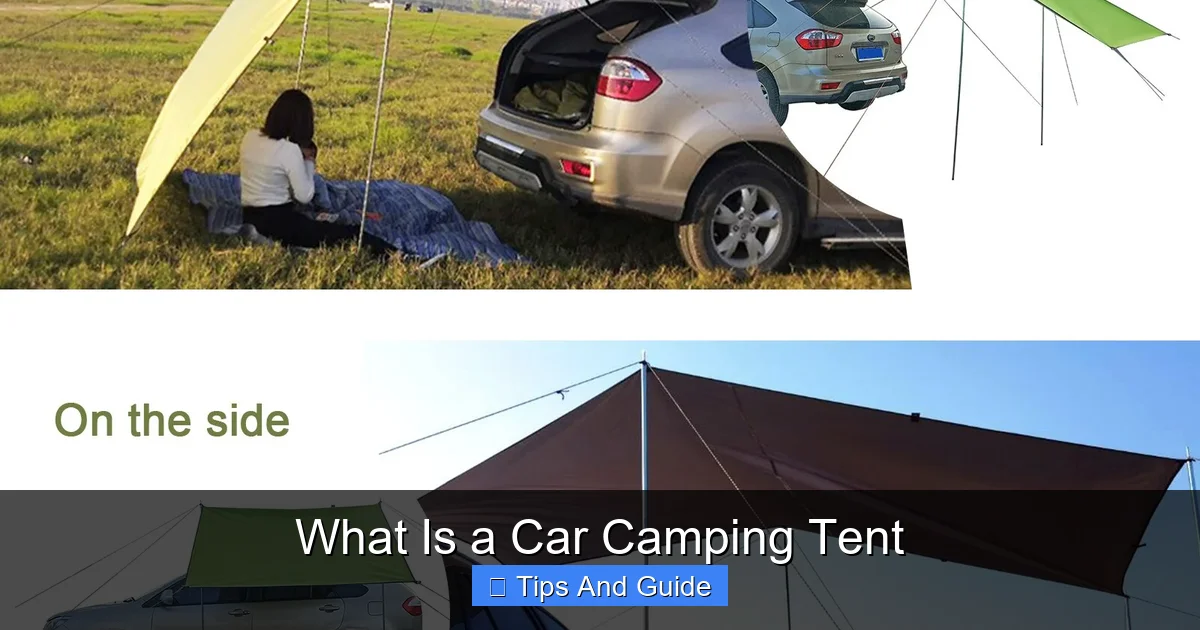
Some innovative designs let you connect your tent directly to your car. These vehicle attachable tents extend from your hatchback or SUV, creating a seamless transition between your vehicle and sleeping area. It’s a great option if you want quick access to your gear or need extra shelter during rainy weather. For more on this style, see the best camping tent attached to car guide.
How to Choose the Right Car Camping Tent
With so many options available, picking the right tent can feel overwhelming. Here are a few tips to help you decide.
Consider the Number of Occupants
Tents are labeled by the number of people they can sleep—like 4-person or 6-person. But don’t take those numbers at face value. A 4-person tent might feel cramped for four adults. For comfort, choose a tent rated for one more person than you actually have. So, for a family of three, a 4-person tent is ideal.
Check the Season Rating
Most car camping tents are 3-season, meaning they’re designed for spring, summer, and fall. They offer great ventilation and rain protection but aren’t built for heavy snow or extreme cold. If you plan to camp in winter, look for a 4-season tent with stronger poles and better insulation. For cold-weather tips, read about the best way to heat a tent while camping.
Evaluate Setup Time and Portability
Even though you’re using a car, you still want a tent that’s easy to carry from the parking area to your campsite. Look for models with wheeled carry bags or lightweight frames. And if you hate complicated setups, go for an instant tent or one with color-coded poles.
Look for Added Comfort Features
Small details can make a big difference. Features like LED lighting, USB ports, and built-in fans add convenience. Some tents even have blackout fabric to block early morning sun. If you’re camping in warm weather, consider the best way to cool a tent while camping to stay comfortable at night.
Tips for Setting Up and Maintaining Your Tent
Once you’ve chosen your tent, proper setup and care will extend its life and improve your camping experience.
Choose a Level, Clear Spot
Always set up your tent on flat, debris-free ground. Remove rocks, sticks, and pinecones that could puncture the floor. If you’re camping on hard surfaces like concrete, use a groundsheet or tarp underneath for extra protection. For guidance, see how to set up a camping tent on concrete.
Use a Footprint or Tarp
A footprint is a small, custom-sized tarp that goes under your tent. It protects the floor from abrasion and moisture. Even if your tent has a durable floor, a footprint adds an extra layer of defense and makes cleanup easier.
Keep It Clean and Dry
After each trip, let your tent dry completely before storing it. Mold and mildew can ruin fabric and zippers. Use mild soap and water to clean off dirt, then hang it up in a shaded area. For detailed steps, check out how to clean a tent after camping.
Store Properly
Never store a tent while it’s damp or folded the same way every time. This can weaken the fabric and cause creases. Instead, loosely roll or stuff it into its bag to maintain flexibility and longevity.
Conclusion
A car camping tent is more than just a shelter—it’s your basecamp for adventure. With the right model, you can enjoy the great outdoors without sacrificing comfort. Whether you’re heading to a national park, a lakeside campground, or a music festival, a quality car camping tent makes all the difference.
From spacious cabin tents to quick-setup pop-ups, there’s an option for every camper. Focus on your needs—size, ease of use, weather resistance, and extra features—and you’ll find the perfect match. And don’t forget the little things: a good groundsheet, proper ventilation, and regular maintenance will keep your tent in top shape for years to come.
Frequently Asked Questions
What’s the difference between a car camping tent and a backpacking tent?
Car camping tents are heavier and larger, designed for comfort and ease of setup when you have vehicle access. Backpacking tents are ultralight and compact, built for hikers who carry everything on their backs.
Can I use a car camping tent for backpacking?
Technically yes, but it’s not ideal. Car camping tents are heavier and bulkier, making them difficult to carry long distances. Stick to them for drive-up campsites only.
How many people can sleep in a 6-person car camping tent?
A 6-person tent can sleep six adults, but it will be tight. For comfort, it’s better suited for four people with gear, or five if you don’t mind close quarters.
Do car camping tents come with a rainfly?
Most quality car camping tents include a full-coverage rainfly. Always check the product details to ensure it’s included and covers the entire tent, including the roof and sides.
Can I attach a car camping tent to my SUV?
Yes, some models are designed to connect directly to your vehicle’s hatch or trunk. These vehicle attachable tents create a seamless extension of your car’s interior.
How do I keep my car camping tent cool in summer?
Use mesh windows and roof vents for airflow, set up in the shade, and consider a portable fan or evaporative cooler. For more tips, see the best way to cool a tent while camping.