When Camping Outdoors Do Raccoons Attack Tents
Raccoons rarely attack tents aggressively, but they are highly curious and may investigate or tear into them searching for food. Most incidents happen when food is left inside or near the tent. With smart habits and proper campsite setup, you can enjoy a safe, raccoon-free outdoor experience.
Key Takeaways
- Raccoons don’t usually attack tents out of aggression: They’re more interested in food than confrontation, but their curiosity can lead to damaged gear.
- Food is the biggest attractant: Leaving snacks, coolers, or trash in or near your tent greatly increases the risk of a raccoon visit.
- Secure your food properly: Use bear-proof containers or hang food at least 100 feet from your tent to keep raccoons away.
- Choose a smart campsite: Avoid setting up near raccoon hotspots like streams, trash bins, or dense brush where they forage.
- Use deterrents wisely: Motion-activated lights, noise makers, or natural repellents can discourage raccoons from approaching.
- Stay calm if you encounter one: Raccoons are generally non-aggressive—back away slowly and don’t corner them.
- Pick a sturdy, well-sealed tent: Reinforced zippers and durable fabric help prevent curious critters from getting in.
📑 Table of Contents
Do Raccoons Actually Attack Tents?
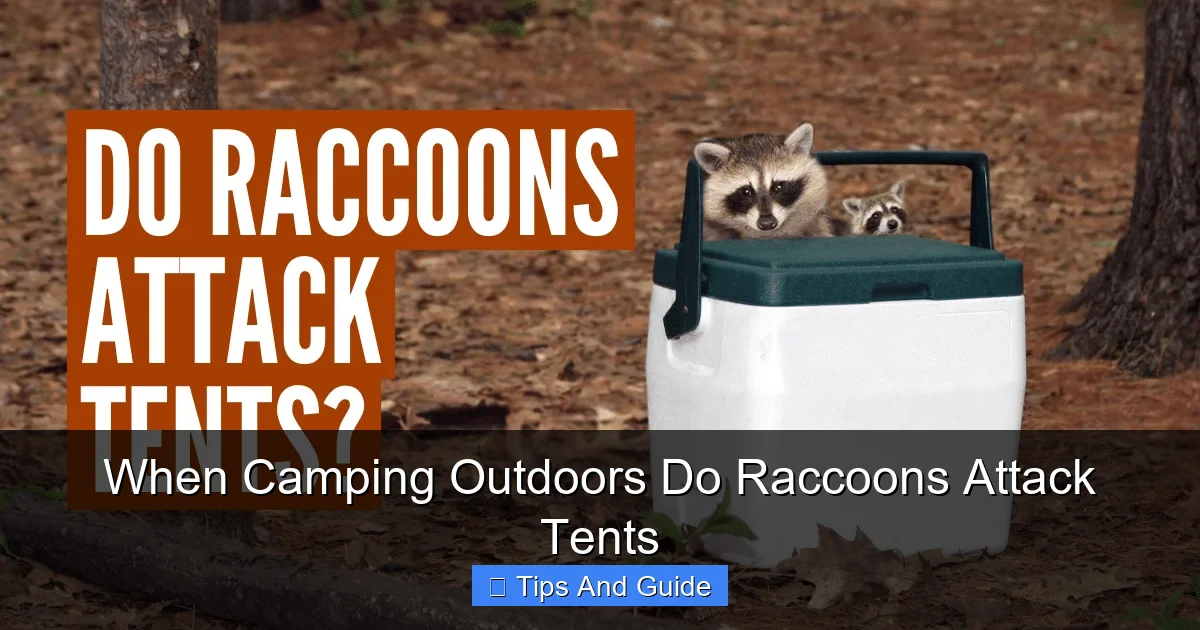
Let’s clear up a common myth right away: raccoons aren’t predators that hunt humans or charge into tents looking for trouble. When camping outdoors, do raccoons attack tents? Not in the way you might fear. They don’t “attack” like a bear or coyote might. Instead, raccoons are clever, nimble scavengers with a strong drive to explore—especially if they smell food.
Most raccoon encounters at campsites are about curiosity and opportunity. If your tent smells like last night’s dinner or you’ve left a granola bar in your backpack, a raccoon might try to get in. Their dexterous paws can unzip tent doors, tear mesh, or even chew through fabric if motivated enough. So while it’s not an “attack” in the aggressive sense, it can definitely feel like one when you wake up to shredded gear or missing snacks.
Why Raccoons Are Drawn to Campsites
Raccoons are opportunistic eaters. In the wild, they forage for insects, fruits, eggs, and small animals—but they’ve also adapted remarkably well to human environments. Campsites, especially those near trails or popular parks, often smell like a buffet to a raccoon: leftover food, open coolers, unwashed dishes, and even toothpaste can be tempting.
Common Attractants at Your Campsite
- Food inside the tent: Even sealed wrappers can emit odors that raccoons detect from far away.
- Unsecured coolers or bags: If not stored properly, these become easy targets.
- Dirty cookware or utensils: Grease and food residue attract wildlife.
- Trash left outside: Never leave garbage bags or food scraps near your tent overnight.
- Scented items: Toothpaste, deodorant, and lotions can smell like food to raccoons.
The key takeaway? If it smells edible—or even just interesting—to a raccoon, it’s a risk. The good news is that most of these attractants are completely avoidable with a little planning.
How to Prevent Raccoon Encounters
The best defense is a clean, scent-free campsite. Think of it like this: if your campsite were a restaurant, you wouldn’t leave the kitchen door open all night. The same logic applies in the woods.
Store Food the Right Way
Always store food in bear-proof containers or hang it at least 10–15 feet off the ground and 4–6 feet away from tree trunks. This keeps raccoons—and other wildlife—from reaching it. Never keep food, drinks, or scented items inside your tent. Even something as small as a mint wrapper can draw attention.
Clean Up Immediately After Meals
Wash dishes right after eating and pack out all food scraps. Use biodegradable soap and dispose of wastewater at least 200 feet from water sources and your tent. A clean site is a quiet site.
Choose Your Campsite Wisely
Avoid setting up near raccoon highways—like streams, dense underbrush, or areas with visible tracks or droppings. Open, elevated spots with good visibility are safer and less appealing to nocturnal visitors.
Use Deterrents Strategically
Motion-activated lights or ultrasonic repellents can startle raccoons and encourage them to move on. Natural deterrents like sprinkling cayenne pepper around your tent (reapply after rain) or using ammonia-soaked rags in sealed containers (placed away from your sleeping area) may also help. Just be sure not to harm the animals or damage the environment.
What to Do If a Raccoon Approaches Your Tent
If you hear rustling outside your tent at night, stay calm. Most raccoons will leave if they realize there’s no easy meal. Turn on a flashlight or make loud noises—clap your hands, shout, or bang a pot—to scare them off. Never try to touch or feed a raccoon. While they’re generally not aggressive, they can carry diseases like rabies or roundworm, and a cornered animal may bite or scratch in self-defense.
If a raccoon does get into your tent, don’t panic. Back away slowly and give it space to exit. Most will flee once they realize they’re trapped or startled. Afterward, inspect your gear for damage and clean the area thoroughly to remove any lingering scents.
Choosing the Right Tent for Raccoon-Prone Areas
While no tent is 100% raccoon-proof, some designs offer better protection than others. Look for tents with:
- Reinforced zippers and seams: Raccoons can’t chew through thick fabric easily, but weak zippers are vulnerable.
- Double-layered doors: These add an extra barrier between you and curious critters.
- Durable, tear-resistant materials: Ripstop nylon or polyester holds up better against claws and teeth.
- Full-coverage rainflies: These help mask food smells and reduce visibility from outside.
If you’re camping in areas known for raccoon activity—like forests in the eastern U.S. or suburban campgrounds—consider investing in a high-quality, well-sealed tent. For example, a best all weather tents for camping often includes reinforced construction and better sealing, which can deter wildlife. Similarly, best 3 person tents for camping models with full-coverage vestibules give you extra space to store gear outside the sleeping area, reducing the chance of food smells inside.
For families or groups, a best 3 room tents for camping can help separate cooking, sleeping, and storage zones—keeping food far from where you sleep. And if you’re car camping, a best 3 person tents for car camping often includes heavier-duty materials and better weather protection, which can also help keep raccoons out.
Final Tips for a Raccoon-Free Camping Trip
Prevention is always easier than dealing with a nighttime visitor. Here’s a quick checklist to follow:
- Never eat or store food in your tent.
- Pack out all trash and food waste daily.
- Use odor-proof bags for snacks and toiletries.
- Set up camp away from water sources and dense vegetation.
- Keep your tent zipped at all times—even during the day.
- Educate everyone in your group about wildlife safety.
Remember, raccoons aren’t out to get you. They’re just smart, adaptable animals looking for an easy meal. By respecting their space and securing your campsite, you can coexist peacefully—and enjoy a peaceful night under the stars.
Frequently Asked Questions
Do raccoons bite humans?
Raccoons rarely bite unless they feel threatened, are sick, or are protecting their young. Most bites occur when people try to handle or feed them. Always keep your distance and never approach a wild raccoon.
Can raccoons open tent zippers?
Yes, raccoons have incredibly dexterous front paws and can learn to unzip tent doors if they’re not fully secured. Always double-check that zippers are closed and consider using zipper locks or clips for extra security.
Are raccoons dangerous to campers?
Generally, no—raccoons are not aggressive toward humans. However, they can carry diseases and may damage gear if attracted by food. The risk is low if you follow proper food storage and campsite hygiene.
What time of night are raccoons most active?
Raccoons are nocturnal and most active between dusk and dawn. This is when they forage for food, so campsite activity should be minimized after dark.
Should I use bear spray for raccoons?
No, bear spray is unnecessary and potentially harmful for raccoon encounters. Loud noises, bright lights, or simply making your presence known are usually enough to scare them away.
Can I keep raccoons away with sound?
Yes, raccoons dislike sudden or loud noises. Clapping, shouting, or using a whistle can deter them. Motion-activated alarms or radios playing talk shows at low volume may also help.