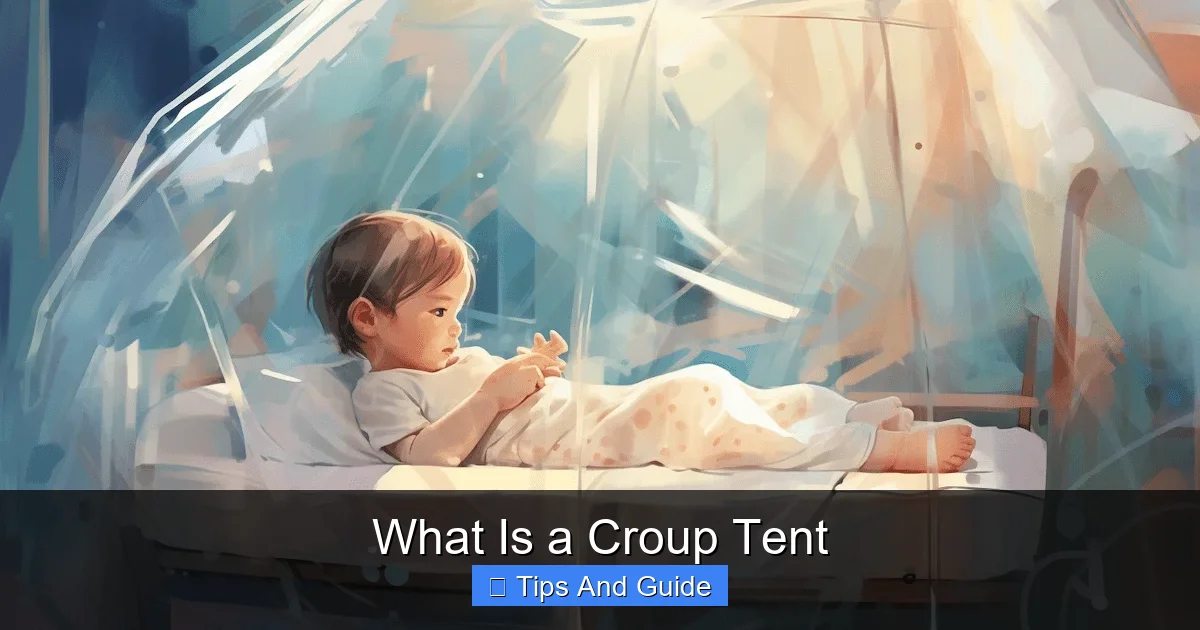
What Is a Croup Tent
A croup tent is a medical device used to deliver moist, cool air to children suffering from croup, a respiratory condition that causes coughing and breathing difficulties. It creates a controlled environment that helps ease symptoms and improve comfort during recovery.
Key Takeaways
- What it is: A croup tent is a clear plastic enclosure placed over a child’s bed to deliver humidified air, helping relieve breathing issues caused by croup.
- How it works: It connects to a humidifier or oxygen source, filling the enclosed space with cool, moist air that soothes irritated airways.
- Primary use: It’s mainly used in hospitals or at home for children with mild to moderate croup to reduce coughing and stridor.
- Benefits: Helps keep airways open, reduces anxiety, and allows restful sleep during illness.
- Modern alternatives: Nebulizers, steam treatments, and cool mist humidifiers have largely replaced traditional croup tents in many settings.
- Safety considerations: Requires supervision, proper cleaning, and monitoring to prevent overheating or suffocation risks.
- Comfort tips: Use soft bedding, favorite toys, and dim lighting to help children feel secure inside the tent.
📑 Table of Contents
What Is a Croup Tent?
If you’ve ever had a child with a barking cough, tight breathing, or that classic “seal-like” sound when they inhale, you might have heard the term “croup tent.” But what exactly is it? Simply put, a croup tent is a medical device designed to help children breathe more easily when they’re suffering from croup—a common respiratory illness in young kids.
The tent itself is typically made of clear, flexible plastic and is placed over a child’s bed or crib. It’s connected to a humidifier or oxygen source that pumps cool, moist air into the enclosed space. This helps loosen mucus, reduce airway swelling, and calm the harsh cough that comes with croup. While it may look a bit like a mini camping shelter, its purpose is far more therapeutic.
Why Is a Croup Tent Used?
Croup is most common in children between 6 months and 3 years old. It’s usually caused by a virus—often the parainfluenza virus—and leads to inflammation in the upper airways, especially the larynx and trachea. This swelling can make breathing noisy and difficult, especially at night.
The main goal of a croup tent is to deliver humidified air directly to the child’s airways. Dry air can worsen irritation, but cool, moist air helps soothe the inflamed tissues. This can reduce coughing fits, ease breathing, and help the child rest—something that’s crucial for recovery.
Common Symptoms of Croup
- Barking cough (often described as “seal-like”)
- Stridor (a high-pitched sound when inhaling)
- Hoarse voice
- Difficulty breathing, especially at night
- Mild fever
When these symptoms appear, especially if they worsen at night, a croup tent can be a helpful tool—especially in hospital settings or at home under medical guidance.
How Does a Croup Tent Work?
The croup tent operates on a simple principle: creating a controlled environment rich in moisture. The plastic cover forms a sealed or semi-sealed space over the child’s bed. A tube connected to a humidifier or nebulizer feeds cool, moist air into the tent. This air circulates around the child, helping to keep their airways hydrated and relaxed.
Types of Humidifiers Used
- Cool mist humidifiers: Most common and safest, especially for children.
- Nebulizers: Can deliver medication along with moisture, used in more severe cases.
- Oxygen humidifiers: Used in hospitals when supplemental oxygen is needed.
The key is consistency—keeping the air inside the tent moist and cool throughout the night or treatment period. This helps prevent the airways from drying out and becoming more irritated.
Benefits of Using a Croup Tent
One of the biggest advantages of a croup tent is that it provides continuous, targeted relief. Unlike a steamy bathroom (a common home remedy), a croup tent maintains humidity over a longer period, allowing the child to sleep comfortably.
Key Benefits Include:
- Reduced coughing: Moist air loosens mucus and calms the throat.
- Improved breathing: Helps minimize stridor and labored breathing.
- Better sleep: Children rest more easily when their airways are less irritated.
- Non-invasive: No needles or medications required—just air.
- Calming effect: The enclosed space can feel cozy and secure, reducing anxiety.
For parents, seeing their child breathe easier and sleep peacefully can be a huge relief. And in hospital settings, croup tents allow nurses to monitor the child closely while providing consistent care.
Setting Up a Croup Tent at Home
While croup tents are more commonly used in hospitals, some families use them at home with a doctor’s recommendation. If you’re considering this, here’s how to set it up safely and effectively.
Step-by-Step Setup Guide
- Choose the right space: Use a crib, toddler bed, or playpen that fits comfortably inside the tent.
- Assemble the tent: Follow the manufacturer’s instructions to attach the plastic cover securely.
- Connect the humidifier: Place the humidifier nearby and connect the tubing to the tent’s inlet port.
- Fill with water: Use distilled water to prevent mineral buildup and bacteria growth.
- Test the airflow: Turn on the humidifier and ensure mist is flowing into the tent evenly.
- Place the child inside: Make sure they’re comfortable and supervised at all times.
Always follow your healthcare provider’s instructions. Never leave a child unattended in a croup tent, especially if they’re very young or restless.
Safety Tips
- Ensure proper ventilation to avoid overheating.
- Clean the humidifier and tent daily to prevent mold or bacteria.
- Monitor the child’s temperature and breathing closely.
- Remove the tent immediately if the child shows signs of distress.
For added comfort, include soft blankets, a favorite stuffed animal, and dim lighting. This helps create a calming environment, much like how you’d set up a cozy space in a cool camping tent for better rest.
Modern Alternatives to Croup Tents
While croup tents were once a standard treatment, modern medicine has introduced more convenient and effective alternatives. Many of these are now preferred due to ease of use and better results.
Popular Alternatives Include:
- Cool mist humidifiers: Used in the child’s room without a tent. Easy to operate and maintain.
- Steam therapy: Sitting in a steamy bathroom for 10–15 minutes can provide quick relief.
- Nebulized epinephrine: Used in hospitals for severe croup to reduce airway swelling fast.
- Dexamethasone: An oral steroid that reduces inflammation and is often prescribed for croup.
- Portable nebulizers: Allow medication delivery at home without needing a tent setup.
These options are often more practical for home use and reduce the need for bulky equipment. However, in certain cases—especially in pediatric hospitals—croup tents may still be used for continuous humidification.
When to Seek Medical Help
While a croup tent can help manage mild symptoms, it’s not a substitute for medical care. Always consult a doctor if your child shows any of the following:
- Severe stridor (even when resting)
- Difficulty swallowing or drooling
- Blue or gray tint around lips or nails
- Rapid breathing or chest retractions
- Extreme fatigue or irritability
These could indicate a more serious condition, such as epiglottitis or bacterial tracheitis, which require immediate treatment.
Conclusion
A croup tent is a helpful medical tool designed to ease breathing in children with croup by delivering cool, moist air in a controlled environment. While it may look unusual, its purpose is simple: to help little ones breathe easier and sleep better during illness. Though modern alternatives like humidifiers and medications are now more common, croup tents still play a role in certain healthcare settings.
If your child is diagnosed with croup, talk to your pediatrician about the best treatment options. Whether you use a tent, a humidifier, or medication, the goal is the same—helping your child feel better, one breath at a time. And just like setting up a reliable camping tent ensures a good night’s sleep outdoors, creating a comfortable, safe space for your child ensures peace of mind at home.
Frequently Asked Questions
Is a croup tent safe for home use?
Yes, but only under a doctor’s guidance. Proper setup, supervision, and hygiene are essential to ensure safety and effectiveness.
How long should a child stay in a croup tent?
Typically, 30 minutes to several hours, depending on symptoms. Some children use it overnight for continuous relief.
Can a croup tent be used for adults?
No, croup is primarily a childhood condition. Adults with similar symptoms should see a doctor for proper diagnosis and treatment.
Do croup tents require electricity?
Yes, they rely on a powered humidifier or nebulizer to generate moist air. Always use a safe, child-friendly outlet and avoid overloading circuits.
Can I make a DIY croup tent at home?
While possible, it’s not recommended. Improper sealing or materials could pose safety risks. Use only medically approved equipment.
Are croup tents still used in hospitals?
Yes, though less commonly than in the past. They’re still used in pediatric units for children needing continuous humidified air therapy.