How to Set Up a Pop Up Canopy
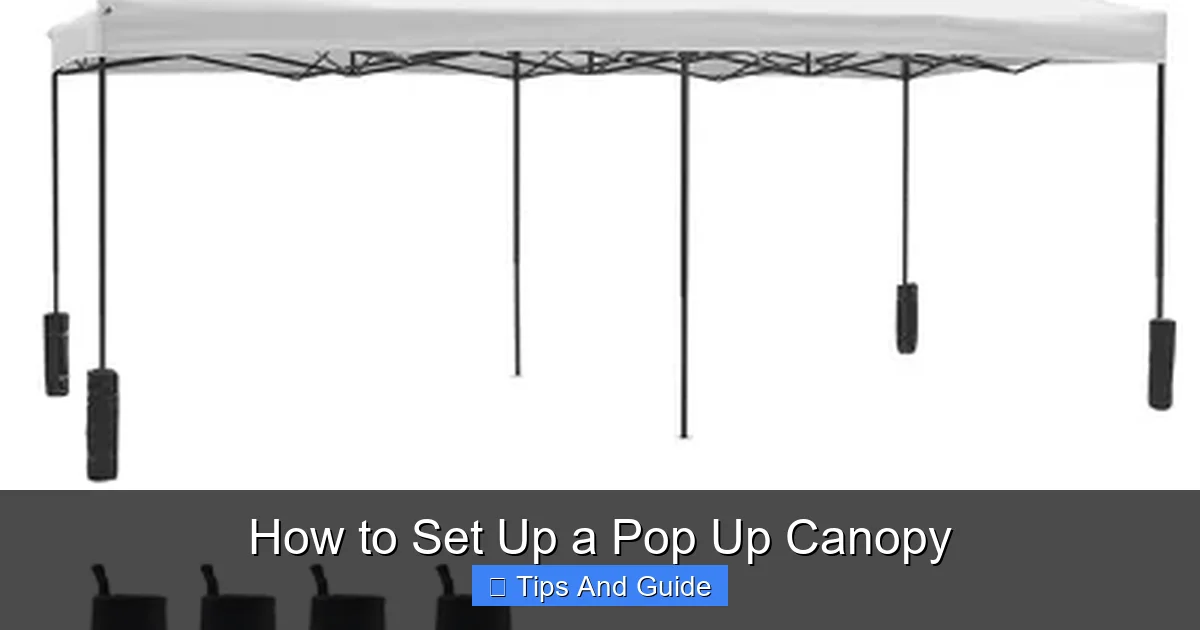
Setting up a pop up canopy is a straightforward process that can provide instant shade and shelter. This guide offers a clear, step-by-step approach to ensure you can erect your canopy efficiently. Follow these instructions for a hassle-free setup, perfect for any outdoor event or gathering. We’ll cover everything from preparation to securing your shelter effectively.
## How to Set Up a Pop Up Canopy
Pop up canopies, also known as instant shelters, are incredibly useful. They offer quick shade and protection from the elements for a variety of events. Whether you’re heading to a picnic, a farmer’s market, a sporting event, or just want some extra shade in your backyard, a pop up canopy is a fantastic solution. But how do you actually get one up and ready to use? It might seem a little daunting at first, especially with all those moving parts. Don’t worry! Setting up a pop up canopy is much simpler than you might think.
In this comprehensive guide, we’ll walk you through the entire process, from the moment you pull it out of its bag to the final step of securing it. You’ll learn the best practices for a smooth and efficient setup, ensuring your canopy stands strong and serves its purpose perfectly. We’ll cover everything you need to know, including preparing your space, extending the frame, attaching the top, and anchoring it down securely. By the end of this guide, you’ll be a pro at setting up your pop up canopy with confidence.
## Step 1: Unpack and Inspect Everything
Before you even think about lifting a leg of your canopy, it’s essential to get organized. This initial step saves you a lot of potential frustration later on.
### Remove from the Bag
Carefully take your pop up canopy out of its carrying bag. Most canopies come in a wheeled bag, making it easy to transport. Gently slide the canopy out of the bag, trying not to snag any fabric or metal parts.
### Lay Out All Components
Once it’s out of the bag, lay the collapsed canopy frame on the ground. You’ll notice it’s essentially a folded metal frame with the canopy top already attached or folded neatly within it. Also, locate any accessories that came with your canopy. This typically includes stakes, ropes, and sometimes a carrying bag. Make sure you can easily access these.
### Inspect for Damage or Missing Parts
This is a critical step. Before you start extending anything, give everything a thorough once-over.
* Frame: Check each metal leg and joint for any signs of bending, denting, or rust. Ensure all telescoping legs slide smoothly and that there are no obstructions.
* Canopy Top: Examine the fabric for any rips, tears, or holes. Make sure the Velcro straps or ties used to attach the top to the frame are intact.
* Accessories: Count your stakes and ropes. Ensure they are all present and not damaged. If your canopy has side walls, inspect those as well.
If you discover any damage or missing parts, it’s best to contact the manufacturer or seller immediately before attempting to set up the canopy. Trying to force a damaged canopy can lead to more significant problems.
## Step 2: Choose the Right Location
The spot where you set up your canopy is just as important as the setup itself. A good location ensures stability and safety.
### Flat and Stable Ground
Always choose a level surface for your pop up canopy. An uneven surface can cause the legs to be at different heights, putting undue stress on the frame and making the canopy unstable. Grass is usually ideal, but paved surfaces like concrete or asphalt can work if you have the right anchoring methods.
### Clear of Obstructions
Look up and around your chosen spot. Avoid setting up under power lines, low-hanging branches, or anything that could fall on your canopy. Also, ensure there’s enough clear space around the canopy to fully extend its legs and for people to walk around it comfortably. Consider the footprint of the canopy, which is larger than the top itself when the legs are extended.
### Consider Wind and Sun Exposure
Think about the prevailing wind direction. While you can’t always predict it perfectly, try to orient the canopy to offer the best protection. If possible, position it so the wind isn’t directly hitting a large side panel, which can act like a sail. Also, consider the sun’s path throughout the day to maximize shade. For events like farmers’ markets, check if there are any specific regulations about placement. If you’re looking for a canopy designed for specific needs, you might consider a best pop up canopy for farmers market or even a best pop up canopy tent for sports depending on your use.
## Step 3: Begin Extending the Frame
Now it’s time to start bringing your canopy to life. This part is usually the most straightforward.
### Partially Extend the Frame
With the canopy still collapsed but laid out, gently push the legs outwards away from the center. You’ll see the frame start to spread. Don’t try to extend the legs to their full height yet. The goal here is just to loosen the frame and allow the top to be draped over it.
### Locate Locking Mechanisms
Most pop up canopy frames have a central locking mechanism or a ratchet system where the upper parts of the legs meet. Familiarize yourself with how these work on your specific model. Some have simple push-buttons, others have levers.
## Step 4: Drape and Center the Canopy Top
With the frame partially opened, you can now attach the fabric canopy.
### Drape the Top Over the Frame
Carefully lift the folded canopy top and drape it over the partially extended frame. Ensure it’s centered as much as possible. The corners of the canopy top usually have Velcro straps or loops that will attach to the corners of the frame.
### Align Corners and Secure Loosely
Pull the canopy top down towards the legs. Align the corner pockets or Velcro tabs of the canopy with the corresponding points on the frame. Secure them loosely for now. This allows you to adjust the fabric as you continue to extend the frame. Make sure there are no major wrinkles or twists in the fabric.
## Step 5: Extend the Legs to Full Height
This is where the canopy really starts to take shape.
### Extend Each Leg Systematically
Starting with one leg, extend it downwards. Most telescoping legs have an internal mechanism that needs to be unlocked before extending. This might be a spring-loaded pin that pops out, or a lever you need to push.
#### Releasing Locking Pins
If your legs have locking pins, identify the button or lever. Press it to release the pin, allowing the leg to slide down.
#### Engaging Locking Mechanisms
Once a leg is extended to your desired height, you need to lock it in place. This is crucial for stability. Most legs have multiple height settings. Find the setting that works for you and ensure the locking pin or mechanism fully engages to hold the leg securely. You should hear a distinct click or feel it lock into place.
### Repeat for All Legs
Go around the canopy and extend each leg to the same height. It’s important that all legs are at the same level. This ensures the canopy is stable and the top remains taut. Double-check each leg to confirm it is securely locked. If you are having trouble extending or retracting the legs, consult your canopy’s manual. For consistent performance, consider looking into best pop up canopy tents that offer durable and easy-to-use mechanisms.
## Step 6: Secure the Canopy Tightly
This is arguably the most important step for safety and longevity. A pop up canopy can become a dangerous projectile in high winds if not properly anchored.
### Attach Stakes
Most canopies come with stakes. Locate the designated stake loops or holes on the bottom of each leg. Insert a stake through each loop and drive it firmly into the ground. Use a mallet or a heavy object to ensure the stakes are fully submerged.
### Use Guy Ropes (If Provided)
Many canopies also include guy ropes. These ropes attach to the upper corners of the canopy frame (usually near the top of the legs or the canopy joints) and extend outwards to be staked to the ground.
#### Proper Tensioning
Attach the guy ropes to the canopy frame. Pull them taut and stake them into the ground at an angle away from the canopy. The angle helps create tension and provides resistance against wind. Ensure the ropes are tight but not so tight that they are distorting the frame. This is especially important for canopies intended for rainy weather; a best pop up canopy for rain will require robust anchoring.
### Consider Additional Anchoring
For added security, especially in areas prone to strong winds, consider purchasing additional anchoring solutions. These can include:
* Sandbags or Water Weights: These are placed on the legs of the canopy to add significant weight. They are particularly useful on hard surfaces like pavement where stakes can’t be used.
* Concrete Blocks: Similar to sandbags, these provide substantial weight.
* Heavy-Duty Stakes: If you’re on soft ground, longer and thicker stakes will offer more grip.
### Double-Check Everything
Walk around the entire canopy one last time. Give each leg a gentle shake. Ensure all stakes are firmly in the ground and all ropes are taut. The canopy should feel solid and stable.
## Practical Tips for a Smooth Setup
Beyond the basic steps, a few extra tips can make your pop up canopy experience even better.
Read the Manual
Every canopy is slightly different. Before your first setup, take a few minutes to read the manufacturer’s instructions. They often contain specific details about your model’s unique features and locking mechanisms.
Two People Are Better Than One
While many canopies can be set up by a single person, having a second person makes the process much easier and faster. One person can hold the frame steady while the other extends the legs, or one can manage the top while the other works on the frame.
Practice at Home
If you have an important event coming up, try setting up your canopy in your backyard or garage a few days beforehand. This allows you to get familiar with the process and identify any potential issues without the pressure of a deadline.
Keep it Clean
After use, brush off any dirt or debris from the canopy top and frame. Store it in its bag in a dry place. Keeping your canopy clean and dry will prolong its life and ensure it’s ready for its next use.
Be Mindful of the Weather
While canopies offer protection, they are not indestructible. Always monitor weather conditions. In severe storms or very high winds, it is best to take the canopy down for safety. For continuous use in varied weather, you might explore models designed for durability, such as those found in reviews of the best pop up canopy tent reviews.
Key Takeaways
- Unpack and Inspect: Before you begin, fully unpack your canopy and its components. Check for any damage or missing parts to avoid problems during setup.
- Choose the Right Location: Select a flat, stable, and clear area for your canopy, away from hazards like overhead wires or low-hanging branches.
- Initial Frame Extension: Loosen the frame by pushing the legs outwards. Start extending the legs by releasing any locking mechanisms and pulling them down.
- Unfurling the Top: Once the frame is partially extended, drape the canopy top over it. Ensure it’s centered and the corners align with the frame.
- Full Frame Extension and Locking: Continue extending the legs until the desired height is reached. Secure each leg by engaging its locking mechanism firmly.
- Securing the Canopy: Use the provided stakes and ropes to anchor your canopy securely to the ground. This is crucial for stability, especially in windy conditions.
- Troubleshooting Common Issues: Be prepared for common problems like sticky joints or uneven legs by knowing simple fixes.
Troubleshooting Common Issues
Even with the best preparation, you might encounter a minor hiccup. Here are a few common problems and their solutions.
Sticky or Stubborn Legs
Sometimes, the telescoping legs can become a bit stiff, especially if they’ve been stored for a while or exposed to dust.
- Solution: Try wiggling the leg gently while releasing the lock. If that doesn’t work, a light spray of silicone lubricant on the telescoping parts can help. Be sure to wipe off any excess.
Uneven Legs After Setup
If you find your canopy is leaning or the top is saggy, it’s likely one or more legs aren’t fully extended or locked.
- Solution: Carefully inspect each leg. Release the locking mechanism on the shorter legs, extend them further, and re-lock them until all legs are at the same height.
Canopy Top Won’t Stay Centered
If the top keeps shifting as you try to set it up.
- Solution: Ensure the initial draping is as centered as possible. As you extend the legs, pull the fabric taut towards the corners. Once the legs are fully extended and locked, you can adjust the Velcro straps or ties to make sure the top is snug.
Difficulty with Locking Pins
Some locking pins can be tricky to engage or disengage.
- Solution: Ensure the leg is at the correct position for locking. Sometimes, a slight jiggle or applying gentle pressure in the right direction is needed. If a pin seems stuck, do not force it. Check for any debris jamming the mechanism.
## Conclusion
Setting up a pop up canopy is a straightforward process that can be accomplished quickly with a little practice and by following these steps. From carefully unpacking and inspecting your equipment to choosing the ideal location and securely anchoring your shelter, each stage is designed to ensure a stable, safe, and effective setup.
Remember to always prioritize safety, especially when it comes to anchoring your canopy. A well-secured pop up canopy can provide hours of comfortable shade and shelter for any outdoor occasion. With this guide, you’re well-equipped to set up your pop up canopy with confidence and ease. Enjoy your newfound shade!