

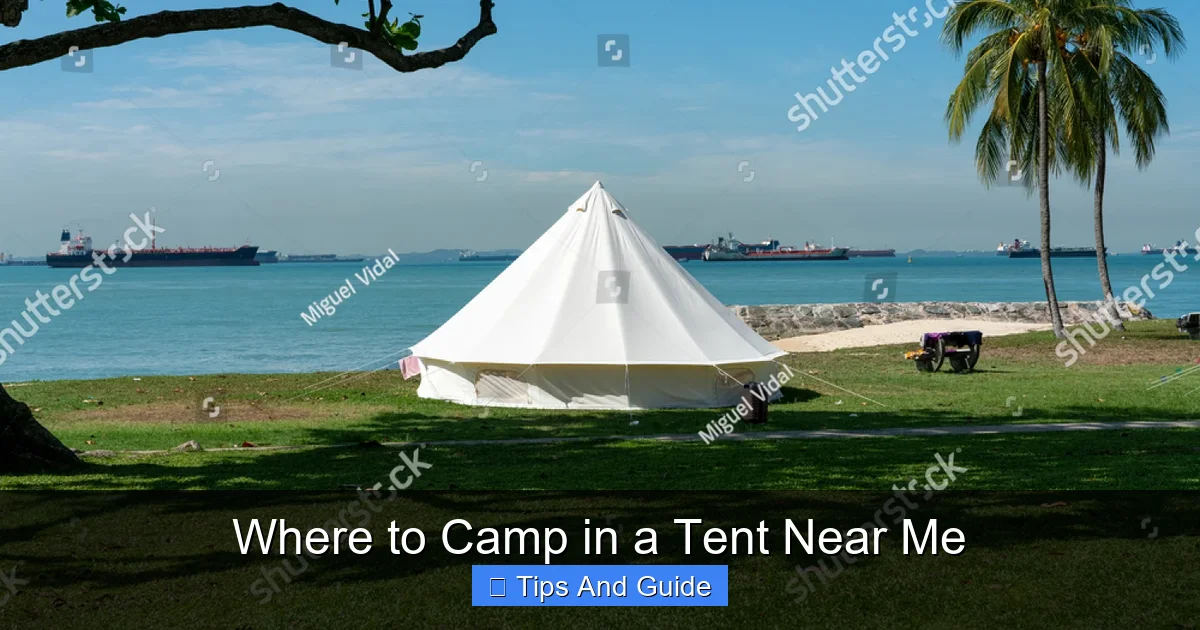
Looking for the best spots to camp in a tent near you? This guide covers everything from national parks to free dispersed camping areas, helping you find safe, scenic, and accessible locations. Whether you’re a beginner or a seasoned camper, you’ll find practical tips to make your next trip unforgettable.
Key Takeaways
- Use online tools like The Dyrt and Recreation.gov: These platforms help you find and book campsites with real-time availability and user reviews.
- National and state parks offer reliable tent camping: They provide amenities like restrooms, fire pits, and marked sites, ideal for first-time campers.
- Dispersed camping on public lands is often free: Bureau of Land Management (BLM) and National Forest areas allow tent camping without fees, but with fewer services.
- Check local regulations and permits: Some areas require reservations or permits, especially during peak seasons.
- Practice Leave No Trace principles: Always pack out trash, minimize campfire impact, and respect wildlife to preserve natural spaces.
- Prepare for weather and wildlife: Bring appropriate gear for rain, cold, or heat, and store food safely to avoid attracting animals.
- Start close to home: Choose nearby campgrounds to reduce travel time and test your gear before longer trips.
📑 Table of Contents
- Where to Camp in a Tent Near Me: Your Ultimate Guide
- 1. National and State Parks: The Gold Standard for Tent Camping
- 2. Free Dispersed Camping on Public Lands
- 3. Private Campgrounds and RV Parks
- 4. Backyard and Urban Camping: Close to Home
- 5. Tips for a Safe and Comfortable Tent Camping Experience
- Conclusion
Where to Camp in a Tent Near Me: Your Ultimate Guide
There’s something magical about pitching a tent under the stars, listening to the sounds of nature, and waking up to birdsong instead of an alarm clock. Whether you’re new to camping or a seasoned outdoor enthusiast, finding the perfect spot to camp in a tent near you doesn’t have to be complicated. With so many options—from well-maintained campgrounds to remote wilderness areas—there’s a tent camping destination for every type of adventurer.
The key is knowing where to look and what to expect. Are you looking for a family-friendly site with restrooms and picnic tables? Or do you prefer a secluded spot deep in the woods with nothing but a trail and a stream nearby? This guide will walk you through the best places to camp in a tent near you, how to find them, and what to bring for a safe and enjoyable experience. Let’s get started!
1. National and State Parks: The Gold Standard for Tent Camping
National and state parks are some of the most popular and reliable places to camp in a tent near you. These areas are specifically managed for outdoor recreation, offering designated campsites, clean facilities, and often stunning scenery. From the redwoods of California to the mountains of Colorado, these parks provide a safe and structured environment for campers of all levels.
Why Choose a National or State Park?
These parks are ideal because they offer amenities like restrooms, potable water, fire rings, and picnic tables. Many also have ranger stations, visitor centers, and educational programs. For first-time campers, this level of support can make the experience much more comfortable and less intimidating.
How to Find and Book a Site
Use official websites like Recreation.gov to search for available campsites in national parks. For state parks, check your state’s Department of Natural Resources or Parks and Recreation website. Booking in advance is highly recommended, especially during summer and holiday weekends. Popular spots like Yosemite, Yellowstone, or the Great Smoky Mountains fill up months ahead of time.
Pro Tip: Visit During the Off-Season
If you’re flexible with dates, consider camping in the shoulder season (spring or fall). You’ll enjoy fewer crowds, lower temperatures, and often lower fees. Just be sure to check if facilities like showers or visitor centers are still open.
2. Free Dispersed Camping on Public Lands
If you’re looking to camp in a tent near you without spending a dime, dispersed camping on public lands is a fantastic option. The Bureau of Land Management (BLM) and U.S. Forest Service allow free, primitive camping in many areas across the country—no reservations needed.
What Is Dispersed Camping?
Dispersed camping means setting up your tent outside of designated campgrounds. You won’t have access to restrooms or picnic tables, but you’ll enjoy solitude, wide-open spaces, and the freedom to choose your own spot. It’s perfect for those who want a more rugged, back-to-nature experience.
Where to Find Free Camping Spots
Start by searching for BLM land or National Forests near you. Apps like The Dyrt and FreeCampsites.net can help you locate free spots with user-submitted reviews. Popular dispersed camping areas include the Angeles National Forest in California and the Pisgah National Forest in North Carolina.
Rules to Follow
Always camp at least 200 feet from water sources and trails to protect the environment. Stay no more than 14 days in one location, and pack out all trash. Remember: no hookups, no showers—just you, your tent, and nature.
3. Private Campgrounds and RV Parks
Not all tent camping has to be rustic. Private campgrounds and even some RV parks welcome tent campers and offer a range of amenities, from Wi-Fi to swimming pools. These are great options if you want a little more comfort or are camping with kids.
Benefits of Private Campgrounds
Many private sites have well-maintained grounds, clean bathhouses, and even activities like mini-golf or horseback riding. Some even offer tent-only sections, so you can enjoy the outdoors without being surrounded by RVs.
How to Find Them
Websites like Campendium and ReserveAmerica list private campgrounds with photos, reviews, and booking options. Prices vary, but many offer discounts for AAA members or longer stays.
Tip: Call Ahead
Some private campgrounds have specific rules about tent size, campfires, or quiet hours. A quick phone call can save you from surprises when you arrive.
4. Backyard and Urban Camping: Close to Home
Sometimes the best place to camp in a tent near you is right in your own backyard. Urban camping has become increasingly popular, especially for families with young kids or people new to the outdoors.
Why Try Backyard Camping?
It’s safe, convenient, and a great way to introduce kids to camping. You can practice setting up your tent, making s’mores, and telling stories under the stars—all without leaving home. Plus, if the weather turns bad, you’re just steps away from your house.
Urban Camping in Public Spaces
In some cities, local parks or community centers allow overnight camping during special events or festivals. Check with your city’s parks department to see if this is an option. Some schools and churches also host “family camp nights” during the summer.
Make It Fun
Bring out sleeping bags, string up fairy lights, and play nature sounds on a Bluetooth speaker. You can even set up a small projector for an outdoor movie night. The goal is to create a camping vibe, even if you’re just 20 feet from your kitchen.
5. Tips for a Safe and Comfortable Tent Camping Experience
No matter where you choose to camp in a tent near you, preparation is key. A little planning goes a long way in ensuring your trip is fun, safe, and memorable.
Check the Weather
Always look at the forecast before you go. If rain is expected, make sure your tent is waterproof and practice setting it up in the rain. For cold weather, bring extra layers and a sleeping pad for insulation. Learn more about the best way to camp in a tent for year-round comfort.
Pack the Essentials
Your packing list should include a sturdy tent, sleeping bag, sleeping pad, headlamp, first aid kit, food, water, and a map. Don’t forget bug spray and sunscreen! For longer trips, consider a portable stove and cooler.
Store Food Properly
Bears, raccoons, and other wildlife are attracted to food smells. Use bear-proof containers or hang your food in a tree at least 10 feet off the ground and 4 feet from the trunk. Never keep food in your tent.
Practice Leave No Trace
Respect nature by leaving your campsite cleaner than you found it. Pack out all trash, avoid cutting branches, and use established fire rings. This helps preserve these spaces for future campers.
Test Your Gear at Home
Before heading out, set up your tent in the backyard to make sure all parts are there and it works properly. This is also a good time to check for leaks or tears.
Conclusion
Finding where to camp in a tent near you is easier than ever, thanks to online tools, public lands, and a growing camping community. Whether you choose a national park, a free dispersed site, or your own backyard, the most important thing is to get outside and enjoy nature. With the right preparation and a sense of adventure, your next tent camping trip could be your best one yet.
So grab your tent, pack your bag, and start exploring. The great outdoors is waiting—and it’s closer than you think.
Frequently Asked Questions
Can I camp in a tent anywhere for free?
No, not everywhere. Free tent camping is allowed on many public lands like BLM and National Forest areas, but always check local rules. Some places require permits or prohibit camping altogether.
Do I need a permit to camp in a tent?
It depends on the location. National parks often require reservations, while dispersed camping on public lands usually doesn’t. Always verify with the managing agency before you go.
What’s the best app to find tent camping spots?
The Dyrt, FreeCampsites.net, and Recreation.gov are top choices. They offer maps, reviews, and real-time availability for both paid and free sites.
Is it safe to camp alone in a tent?
Yes, but take precautions. Tell someone your plans, carry a phone or satellite communicator, and choose well-known areas. Start with shorter trips close to home.
How do I stay warm while camping in a tent?
Use a sleeping bag rated for the temperature, wear warm layers, and sleep on an insulated pad. For extra warmth, check out the best way to stay warm in a tent.
Can I bring my dog when I camp in a tent?
Most campgrounds allow dogs, but they must be leashed and under control. Always clean up after them and check rules at your specific site. For tips, see how to tent camp with a dog.
