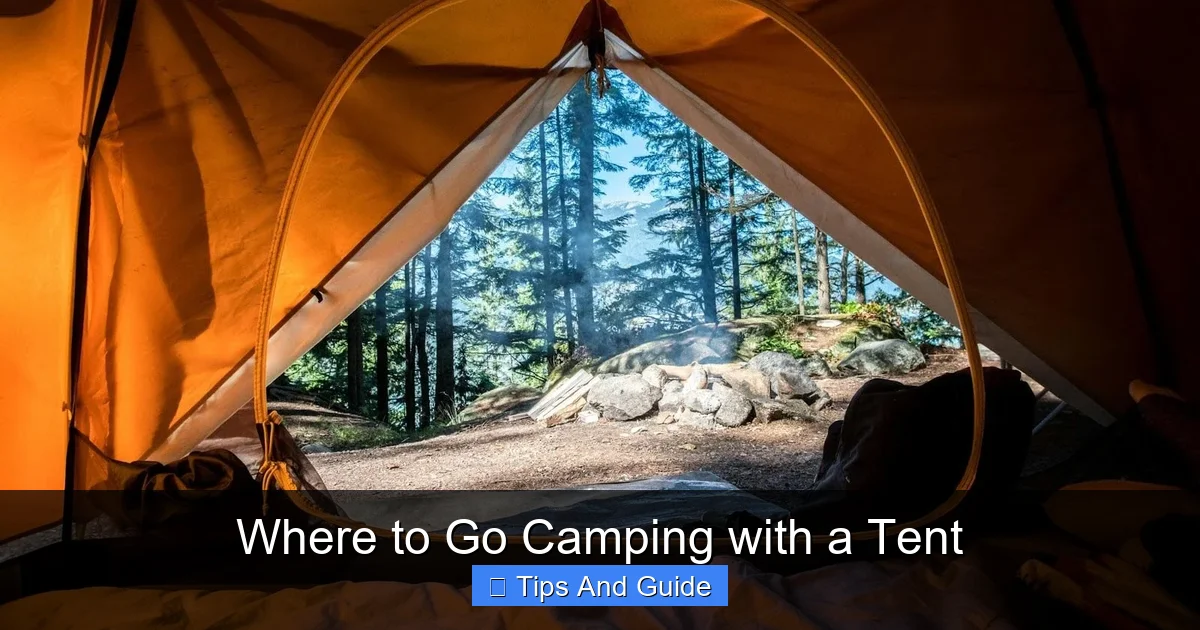
Where to Go Camping with a Tent
Whether you’re a beginner or seasoned camper, choosing the right spot to pitch your tent can make or break your outdoor adventure. From scenic national parks to quiet lakeside retreats, this guide covers top tent camping destinations and essential tips for a safe, comfortable, and unforgettable experience.
Key Takeaways
- National parks offer safe, scenic, and well-maintained campsites: Ideal for first-time campers and families.
- State parks provide a balance of nature and convenience: Often less crowded than national parks with easy access to amenities.
- Backcountry camping is perfect for solitude seekers: Requires planning and gear but rewards with untouched wilderness.
- Always check local regulations and permits: Some areas require reservations or have fire bans.
- Choose a site with natural windbreaks and flat ground: Ensures comfort and safety during your stay.
- Pack for weather extremes: Even summer nights can get chilly—prepare accordingly.
- Leave no trace: Respect nature by packing out all trash and minimizing your impact.
📑 Table of Contents
Why Tent Camping Is the Ultimate Outdoor Adventure
Tent camping is more than just sleeping under the stars—it’s a chance to disconnect from daily stress and reconnect with nature. Whether you’re hiking deep into the forest or setting up near a calm lake, pitching a tent gives you freedom, flexibility, and a sense of accomplishment. Unlike cabins or RVs, tents let you truly immerse yourself in the environment, waking up to birdsong, fresh air, and breathtaking views.
But the magic of tent camping only works if you choose the right location. A poorly selected site can lead to soggy gear, sleepless nights, or even safety risks. That’s why knowing where to go camping with a tent is just as important as packing the right gear. The good news? There are incredible spots across the country—and beyond—that cater to every type of camper, from families with kids to solo adventurers chasing solitude.
Top National Parks for Tent Camping
National parks are some of the most popular and reliable places to go camping with a tent. They offer well-marked trails, designated campsites, and stunning natural beauty. Plus, many have ranger stations, restrooms, and fire pits, making them ideal for beginners.
Yosemite National Park, California
Yosemite is a dream destination for tent campers. With iconic landmarks like Half Dome and Yosemite Falls, the park offers a mix of easy and challenging hikes. Campgrounds like Upper Pines and North Pines are centrally located and fill up fast, so book your spot months in advance. For a quieter experience, try Tuolumne Meadows at higher elevation—cooler temps and fewer crowds.
Great Smoky Mountains National Park, Tennessee/North Carolina
As the most visited national park in the U.S., the Smokies offer over 100 backcountry sites and several frontcountry campgrounds. Cades Cove is a favorite for families, with flat terrain and abundant wildlife. If you’re up for a challenge, try a backcountry permit and hike to Abrams Falls for a peaceful riverside tent site.
Yellowstone National Park, Wyoming
Yellowstone’s vast wilderness means endless options for tent camping. Madison and Grant Village campgrounds are great for first-timers, while backcountry sites near Yellowstone Lake offer solitude and geothermal wonders. Just remember: bears are active here, so store food properly and follow park guidelines.
State Parks: Hidden Gems for Tent Campers
State parks are often overlooked but offer excellent tent camping experiences with fewer crowds and lower fees. They’re perfect for weekend getaways and often feature lakes, forests, and hiking trails just as beautiful as their national counterparts.
Letchworth State Park, New York
Known as the “Grand Canyon of the East,” Letchworth offers dramatic cliffs, waterfalls, and miles of trails. The Highbanks Campground has tent sites with river views, and the park allows campfires—great for cozying up at night. It’s also dog-friendly, so bring your furry friend along.
Brazos Bend State Park, Texas
Just an hour from Houston, this park is a nature lover’s paradise. Tent campers can explore wetlands, spot alligators, and stargaze under some of the darkest skies in the state. The Creekfield Lake Loop is a flat, easy trail perfect for families.
Julia Pfeiffer Burns State Park, California
Located along the Pacific Coast, this park offers tent sites with ocean views and access to McWay Falls—an 80-foot waterfall that drops onto a secluded beach. It’s a bit more rugged, so come prepared with layers and sturdy shoes.
Backcountry and Dispersed Camping for the Adventurous
If you crave solitude and don’t mind roughing it, backcountry or dispersed camping might be your ideal way to go camping with a tent. These areas are usually free, require no reservations, and offer true wilderness experiences—but they demand more preparation.
What Is Dispersed Camping?
Dispersed camping means setting up your tent outside of designated campgrounds, often on public lands managed by the Bureau of Land Management (BLM) or U.S. Forest Service. It’s first-come, first-served, and you’re responsible for your own safety and waste.
Best Spots for Dispersed Tent Camping
The American Southwest is a hotspot for dispersed camping. Areas near Moab, Utah—like along the Colorado River—offer stunning red rock landscapes and total privacy. In Colorado, the San Juan National Forest has countless free sites along forest roads. Just remember: pack out all trash, avoid damaging vegetation, and never camp in dry washes that could flood.
Safety Tips for Backcountry Camping
Always tell someone your plans and expected return time. Carry a map, compass, or GPS—cell service is unreliable. Bring enough water or a filtration system, and know how to identify local wildlife. And don’t forget to check weather forecasts; mountain storms can roll in fast.
Family-Friendly Tent Camping Destinations
Camping with kids is a wonderful way to build memories, but it requires extra planning. Choose locations with easy access, clean restrooms, and nearby activities to keep little ones engaged.
Assateague Island National Seashore, Maryland/Virginia
This barrier island is famous for its wild horses. Tent campers can pitch near the beach and watch ponies roam freely. The ocean breeze keeps bugs down, and ranger-led programs entertain kids during the day. Just be ready for sand—everywhere.
Devil’s Lake State Park, Wisconsin
With clear water, sandy beaches, and towering quartzite bluffs, Devil’s Lake is a family favorite. The park has multiple campgrounds with showers and playgrounds. Rent a kayak or hike the East Bluff Trail for panoramic views.
Tips for Camping with Kids
Bring familiar snacks, a favorite stuffed animal, and a small flashlight for nighttime comfort. Set up a “base camp” with a tarp and chairs so kids have a safe play area. And don’t over-schedule—let them explore, skip rocks, or catch frogs at their own pace.
Essential Tips for a Comfortable Tent Camping Experience
No matter where you go camping with a tent, comfort and safety should be top priorities. A few smart choices can turn a good trip into a great one.
Choose the Right Tent and Gear
Make sure your tent is rated for the season and has a full-coverage rainfly. A footprint or tarp under your tent prevents moisture and wear. For cold nights, bring a sleeping bag rated for lower temperatures than expected—better safe than sorry. If you’re camping in chilly weather, check out our guide on the best way to heat a tent while camping for safe and effective tips.
Pick the Perfect Campsite
Look for flat, dry ground away from dead trees or loose rocks. Avoid low spots that collect water during rain. Face your tent door away from the wind, and use natural windbreaks like bushes or hills. If you’re unsure how to secure your setup, read our article on the best way to put a tarp under a tent to stay dry and stable.
Stay Cool and Comfortable
Even in summer, tent interiors can get hot. Ventilate by opening windows and using a mesh roof. A battery-powered fan or battery-operated lantern with a breeze setting can help. For more ideas, see our tips on the best way to cool a tent while camping.
Leave No Trace
Pack out all trash, including food scraps and toilet paper. Use biodegradable soap and wash dishes at least 200 feet from water sources. Respect wildlife by observing from a distance and never feeding animals.
Conclusion
Knowing where to go camping with a tent opens the door to unforgettable adventures. From the towering peaks of Yosemite to the quiet shores of Assateague Island, the perfect spot is out there—whether you’re seeking solitude, family fun, or rugged exploration. With the right preparation, a little research, and respect for nature, your tent camping trip can be safe, comfortable, and deeply rewarding. So pack your gear, grab your tent, and head into the wild. The great outdoors is waiting.
Frequently Asked Questions
Do I need a permit to go camping with a tent?
Yes, in many places. National and state parks often require reservations or permits, especially during peak season. Always check the official website of the park or land management agency before you go.
Can I camp anywhere on public land?
Not always. While dispersed camping is allowed on many BLM and National Forest lands, some areas have restrictions. Avoid private property, protected habitats, and areas with posted signs prohibiting camping.
What’s the best time of year to go tent camping?
It depends on the location. Spring and fall offer mild weather in most regions. Summer is great for mountain and northern areas, while winter camping is possible with proper gear—just be prepared for cold and snow.
How do I keep my tent dry in the rain?
Use a waterproof rainfly, set up on high ground, and place a tarp under your tent. Avoid touching the tent walls, as moisture can seep through. For extra protection, learn how to waterproof your gear with our guide on how to waterproof a camping tent.
Is it safe to camp alone in a tent?
Yes, with proper planning. Tell someone your itinerary, carry a personal locator beacon, and choose well-traveled areas. Trust your instincts and avoid isolated spots if you’re uncomfortable.
Can I bring my dog when I go camping with a tent?
Many campgrounds allow dogs, but rules vary. Keep your dog leashed, clean up after them, and never leave them unattended. For tips on making the trip fun and safe, check out our guide on how to tent camp with a dog.