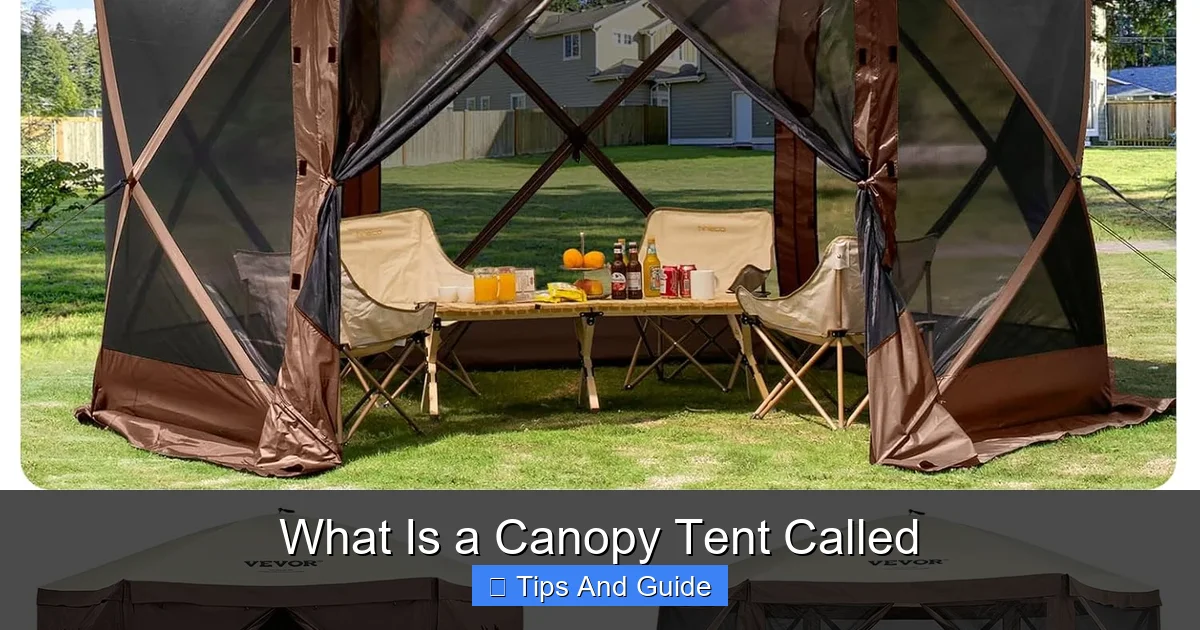
What Is a Canopy Tent Called
A canopy tent is commonly called a pop-up canopy, shade tent, or party tent, depending on its design and use. These versatile shelters provide quick shade for beaches, backyards, markets, and events. Understanding their different names and functions helps you choose the right one for your needs.
Have you ever been at a backyard barbecue, a beach picnic, or a farmers’ market and noticed a large, open-sided shelter providing instant shade? Chances are, you were looking at a canopy tent. But what exactly is a canopy tent called? The answer might surprise you—because it goes by many names.
A canopy tent is often referred to as a pop-up canopy, shade tent, party tent, or instant shelter. These names reflect how quickly they can be set up, their primary function of providing shade, and their common use at social gatherings. Whether you’re shielding guests from the sun at a wedding or protecting your goods at a craft fair, these portable shelters are a go-to solution. But with so many names and styles, it’s easy to get confused. That’s why understanding the different terms and what they mean can help you make a smarter purchase.
In this guide, we’ll explore the various names for a canopy tent, break down their features, and help you decide which type best fits your needs. From beach days to backyard parties, we’ve got you covered—literally.
Key Takeaways
- Multiple Names: A canopy tent is also known as a pop-up canopy, shade tent, party tent, or instant shelter.
- Versatile Use: Ideal for outdoor events, beach trips, camping, and backyard gatherings.
- Easy Setup: Most canopy tents are designed for quick assembly, often in under 60 seconds.
- Size Options: Common sizes include 10×10 feet, but larger and smaller models are available.
- Material Matters: Look for UV-resistant, waterproof, and durable fabrics like polyester or polyethylene.
- Stability Tips: Use weights, stakes, or sandbags to secure your canopy tent in windy conditions.
- Brand Variations: Popular brands include Commouds, Gorich, and Oileus, each offering unique features.
📑 Table of Contents
Common Names for a Canopy Tent
One of the first things you’ll notice when shopping for outdoor shade is that canopy tents go by many names. This can be confusing, especially if you’re new to outdoor gear. Let’s clear up the terminology so you know exactly what you’re looking for.
Pop-Up Canopy
The term “pop-up canopy” is one of the most popular names for this type of shelter. It refers to the quick, tool-free setup—most models spring into shape when unfolded, requiring only a few seconds to expand. These are perfect for spontaneous outings or events where time is limited. Pop-up canopies often come with a carrying bag, making them highly portable.
Shade Tent
A “shade tent” emphasizes the primary purpose of the structure: blocking sunlight. These are commonly used at beaches, parks, and outdoor markets. Shade tents are usually made with UV-resistant fabric to protect users from harmful rays. They’re lightweight and easy to carry, making them ideal for personal use.
Party Tent
When used for events like weddings, birthdays, or festivals, a canopy tent is often called a “party tent.” These are typically larger, more durable, and may include sidewalls for added privacy or wind protection. Party tents are designed to accommodate groups and often feature elegant designs or branding options.
Instant Shelter
“Instant shelter” is another term you’ll see, especially in marketing materials. It highlights the speed and ease of setup—no tools, no complicated instructions. Just unfold, extend the legs, and you’re done. This name is popular among campers and outdoor enthusiasts who value efficiency.
Types of Canopy Tents by Use
Not all canopy tents are created equal. Depending on where and how you plan to use yours, different types may suit you better. Let’s look at the main categories based on usage.
Beach Canopy Tents
Beach canopy tents are designed specifically for sandy environments. They’re usually lightweight, compact, and made with sand-resistant features like sand pockets or anchor systems. These tents often have a low profile to reduce wind resistance and are made with breathable, UV-protective fabric. Brands like Commouds and Gorich offer excellent options for beachgoers.
Backyard and Party Canopies
For home use, backyard canopy tents are larger and more durable. They’re perfect for hosting barbecues, family reunions, or outdoor movie nights. Many come with sidewalls that can be attached or removed depending on the weather. These tents often feature sturdy steel or aluminum frames and waterproof tops.
Market and Vendor Canopies
Vendor canopies are built for commercial use. They’re heavier-duty, with reinforced frames and commercial-grade fabric. These are commonly used at farmers’ markets, craft fairs, and food trucks. They offer ample space for tables, products, and signage, and are designed to withstand frequent setup and takedown.
Camping Canopy Tents
While not a replacement for a full camping tent, camping canopy tents provide shade and shelter at campsites. They’re great for covering picnic tables or creating a communal area. These are usually more rugged than beach models and may include features like mosquito netting or rainfly compatibility.
Key Features to Look For
When choosing a canopy tent, it’s important to consider more than just the name. Several features can make a big difference in performance and durability.
Frame Material
The frame is the backbone of your canopy tent. Most are made from steel or aluminum. Steel is strong and affordable but can rust over time. Aluminum is lighter and rust-resistant, making it ideal for frequent use and travel. For long-term durability, look for powder-coated frames.
Fabric Quality
The top fabric should be water-resistant, UV-protected, and tear-resistant. Polyester is common and affordable, while polyethylene offers better waterproofing. Look for a high denier rating (e.g., 300D or higher) for added strength. Some premium models use ripstop fabric to prevent tears from spreading.
Size and Coverage
Canopy tents come in various sizes, with 10×10 feet being the most popular. This size offers 100 square feet of coverage—enough for a small group or a market stall. Larger options like 12×12 or 10×20 are available for bigger events. Always consider the space you’ll be using it in and how many people need coverage.
Portability and Weight
If you plan to move your canopy tent frequently, weight and portability matter. Look for models with carrying bags and wheels. Lightweight aluminum frames help, but don’t sacrifice stability for portability—especially in windy areas.
How to Choose the Right Canopy Tent
With so many options, picking the right canopy tent can feel overwhelming. Here’s a simple guide to help you decide.
Assess Your Needs
Ask yourself: Where will I use it most? How often? How many people need coverage? If you’re heading to the beach weekly, a lightweight shade tent like the Commouds or Gorich models might be best. For backyard parties, a sturdy 10×10 party tent with sidewalls is ideal.
Check the Weather Resistance
If you live in a windy area, prioritize stability. Look for reinforced corners, guy lines, and the option to add weights. For rainy climates, ensure the fabric is fully waterproof and the frame won’t corrode. Some tents come with storm straps for extra security.
Read Reviews and Compare Brands
Not all canopy tents are equal, even if they look similar. Brands like Commouds, Gorich, and Oileus are known for quality and customer support. Reading user reviews can reveal real-world performance, especially regarding setup ease, durability, and wind resistance.
Consider Accessories
Many canopy tents support add-ons like sidewalls, mesh screens, LED lights, or banners. If you plan to use your tent for events, these extras can enhance comfort and branding. For example, adding a banner can help promote your business at a market.
Tips for Setup and Maintenance
Even the best canopy tent needs proper care to last. Here are some practical tips to keep yours in top shape.
Set Up Correctly
Always follow the manufacturer’s instructions. Most pop-up canopies can be set up in under a minute, but rushing can lead to damage. Make sure the legs are fully extended and locked in place. For windy conditions, use stakes or weights immediately.
Secure It Properly
An unsecured canopy tent can become a dangerous projectile in strong winds. Use sandbags, weights, or stakes depending on your surface. On concrete, consider using concrete anchors or weighted bases. Never leave your tent unattended in windy weather.
Clean and Store Properly
After use, wipe down the frame and let the fabric dry completely before folding. Store in a cool, dry place to prevent mold and rust. Use the original bag or a durable carrying case to protect it during transport.
Inspect Regularly
Check for loose screws, torn fabric, or bent frames before each use. Small issues can become big problems if ignored. Replace damaged parts promptly to extend the life of your tent.
Conclusion
So, what is a canopy tent called? The answer is: it depends. Whether you call it a pop-up canopy, shade tent, party tent, or instant shelter, you’re likely referring to the same versatile outdoor structure. These tents are essential for anyone who loves spending time outside—whether at the beach, in the backyard, or at a market.
Understanding the different names and types helps you choose the right one for your needs. From lightweight beach models to heavy-duty vendor canopies, there’s a perfect fit for every occasion. Just remember to prioritize quality, stability, and ease of use.
With the right canopy tent, you can enjoy shade, shelter, and comfort no matter where your adventures take you. So go ahead—pick the one that fits your lifestyle, set it up in seconds, and enjoy the great outdoors with confidence.
Frequently Asked Questions
What is another name for a canopy tent?
A canopy tent is also commonly called a pop-up canopy, shade tent, party tent, or instant shelter. These names reflect its quick setup and primary function of providing shade.
Is a canopy tent the same as a pop-up tent?
Yes, “canopy tent” and “pop-up tent” are often used interchangeably. Both refer to portable, easy-to-assemble shelters with open sides and a fabric top.
Can I use a canopy tent on the beach?
Absolutely! Many canopy tents are designed specifically for beach use. Look for models with sand anchors, UV protection, and lightweight frames for best results.
How do I keep my canopy tent from blowing away?
Use weights, sandbags, or stakes to secure your tent. On hard surfaces like concrete, consider using weighted bases or specialized anchors.
What size canopy tent do I need for 4 people?
A 10×10 canopy tent provides 100 square feet of coverage, which is ideal for 4–6 people. It offers enough space for a small table and chairs or a cozy seating area.
Do canopy tents come with sidewalls?
Some do, especially party and vendor models. Sidewalls can be added for privacy, wind protection, or rain cover. Check the product details to see if they’re included or sold separately.