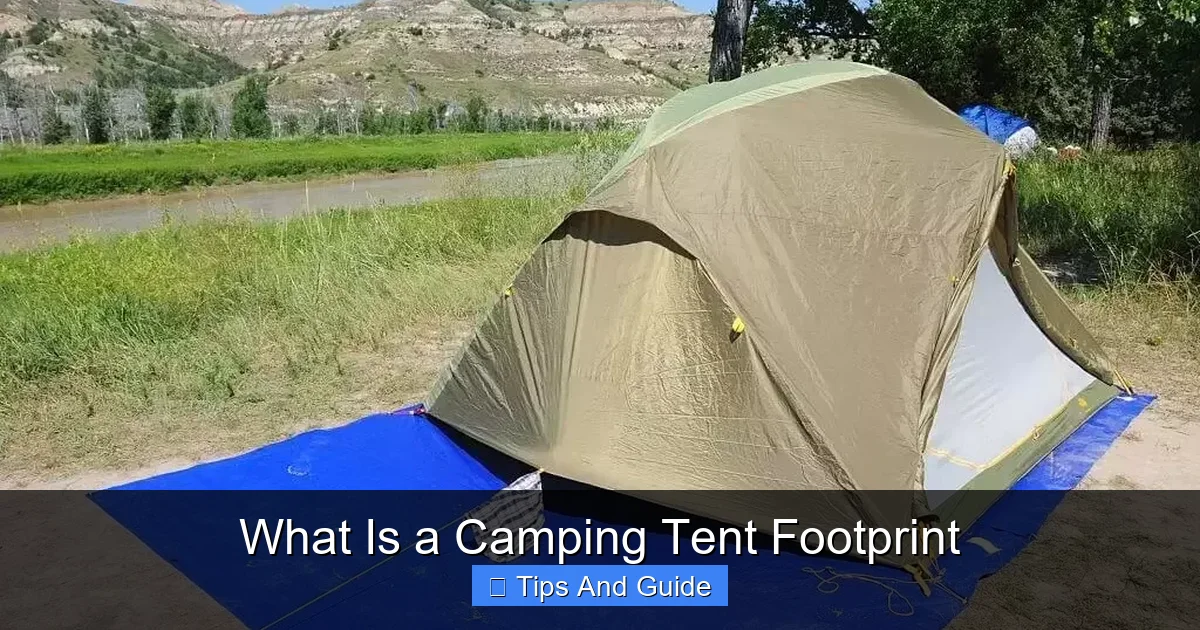
What Is a Camping Tent Footprint
A camping tent footprint is a protective ground cloth placed beneath your tent to shield the floor from moisture, abrasion, and punctures. It extends the life of your tent and improves comfort during outdoor stays.
If you’ve ever set up a tent on a rocky trail or damp forest floor, you know how quickly the bottom can get scratched, wet, or torn. That’s where a camping tent footprint comes in. Think of it as a superhero cape for your tent—small, simple, but incredibly powerful in protecting your shelter. A tent footprint is a durable ground cloth that goes underneath your tent to guard against moisture, sharp objects, and general wear and tear.
Many new campers overlook this essential piece of gear, assuming the tent floor is tough enough on its own. But even the most rugged tent floors can be damaged over time, especially on uneven or wet ground. A footprint acts as a sacrificial layer, absorbing the abuse so your tent doesn’t have to. Whether you’re backpacking through the mountains or car camping at a family-friendly site, using a footprint is a smart, low-cost way to extend the life of your investment.
Key Takeaways
- Protects tent floors: Prevents wear from rocks, roots, and rough terrain.
- Improves waterproofing: Adds an extra barrier against ground moisture and leaks.
- Keeps tent cleaner: Reduces dirt and debris tracked into your shelter.
- Easy to clean and store: Most footprints are lightweight and simple to maintain.
- Customizable fit: Can be trimmed to match your tent’s shape and size.
- Not always included: Many tents require a separate purchase—check before camping.
- Versatile uses: Can double as a picnic mat or gear storage area.
📑 Table of Contents
What Exactly Is a Camping Tent Footprint?
A camping tent footprint is a waterproof or water-resistant sheet—usually made from polyethylene, nylon, or polyester—that’s placed directly on the ground before you pitch your tent. It’s typically slightly smaller than the tent floor to prevent water from pooling underneath during rain. This design helps keep moisture out while still offering full coverage where it matters most.
Footprints come in various materials and thicknesses. Some are ultra-lightweight for backpackers who prioritize every ounce, while others are heavier and more durable for car campers or long-term base camps. Many are coated with a waterproof layer like polyurethane (PU) or silicone to enhance protection.
You might also hear a footprint called a “ground cloth,” “tarp,” or “under-tent protector.” While these terms are sometimes used interchangeably, a true footprint is specifically sized and designed to match your tent model. That said, you can use a generic tarp in a pinch—just be sure to trim it so it doesn’t extend beyond the tent walls.
Why Use a Tent Footprint? The Key Benefits
Using a camping tent footprint isn’t just a nice-to-have—it’s a practical upgrade that pays off in comfort and longevity. Here’s why experienced campers swear by them.
Protects Against Abrasion and Punctures
Tent floors, even on high-end models, are surprisingly thin. A sharp rock, pinecone, or stick can easily puncture or wear through the fabric over time. A footprint creates a buffer between the ground and your tent, reducing the risk of tears. This is especially important on rocky or root-filled terrain where setting up without a footprint could mean a ruined trip.
Keeps Moisture Out
Even if your tent is waterproof, moisture can seep up from the ground—especially in humid or rainy conditions. A footprint adds an extra layer of defense, helping keep the tent floor dry. This not only improves comfort but also prevents mildew and odor buildup inside your shelter.
Extends Tent Lifespan
Replacing a tent floor can be costly or impossible, depending on the model. By protecting it with a footprint, you significantly extend the usable life of your tent. Think of it as cheap insurance for your gear.
Keeps Your Tent Cleaner
Dirt, sand, and mud can cling to the bottom of your tent, making it heavier and harder to pack. A footprint catches most of this debris, so when you pack up, your tent stays cleaner. This also makes setup easier at your next campsite.
Improves Insulation and Comfort
While not its primary purpose, a footprint can add a tiny bit of insulation between you and the cold ground. This is especially helpful in cooler weather or on hard surfaces like concrete. For better warmth, pair it with a sleeping pad or insulated cot—check out our guide on the best beds for camping in a tent for more comfort tips.
Types of Tent Footprints
Not all footprints are created equal. Choosing the right one depends on your camping style, terrain, and gear.
Manufacturer-Specific Footprints
Many tent brands sell custom-fit footprints designed for their models. These are ideal because they match the exact shape and size of your tent floor. For example, if you own a Coleman Instant Tent, you can buy a footprint made specifically for it. These often attach via grommets or clips, making setup faster and more secure. Learn more about choosing the right tent in our comparison of Coleman Instant vs camping tent 2.
Universal or DIY Footprints
If you can’t find a brand-specific option, you can use a generic tarp or cut a piece of plastic sheeting to size. Heavy-duty painter’s drop cloths or poly tarps from hardware stores work well and are budget-friendly. Just make sure to trim it so it doesn’t stick out beyond the tent walls—this prevents water from running under the tent during rain.
Material Options
– Polyethylene (PE): Affordable and waterproof, but can be bulky. Great for car camping.
– Silicone-coated nylon: Lightweight and packable, ideal for backpacking.
– Polyester with PU coating: Durable and water-resistant, a good middle-ground option.
How to Use a Tent Footprint Properly
Using a footprint is simple, but there are a few best practices to follow.
Step-by-Step Setup
1. Clear the campsite of rocks, sticks, and debris.
2. Lay the footprint flat on the ground, ensuring it’s smooth and wrinkle-free.
3. Position your tent on top, aligning the corners.
4. Stake out the tent as usual, making sure the footprint stays centered.
Important Tips
– Never let the footprint extend beyond the tent walls. This can channel rainwater underneath.
– Use guylines if your footprint has attachment points. This keeps it from shifting in wind.
– Clean the footprint after each trip. Shake off dirt and let it dry before storing to prevent mold.
When to Skip the Footprint
In rare cases, you might skip the footprint—like when camping on soft grass or snow where abrasion isn’t a concern. But even then, it’s usually worth the extra weight for the added protection.
DIY vs. Buying: Which Is Better?
Some campers prefer to make their own footprint to save money or customize the size. Others swear by buying a pre-made one for convenience and durability.
DIY Advantages
– Cost-effective: A tarp from a hardware store can cost under $10.
– Custom sizing: You can trim it to fit any tent shape.
– Multi-use: Can double as a picnic blanket or gear cover.
Buying Advantages
– Precise fit: Designed to match your tent perfectly.
– Lightweight materials: Often made from high-tech fabrics that pack small.
– Attachment features: Some include loops or clips for secure setup.
For most people, a store-bought footprint is worth the small investment—especially if you camp frequently. But if you’re on a tight budget or enjoy DIY projects, a homemade version works just fine.
Maintaining and Storing Your Footprint
Like any piece of camping gear, your footprint needs care to last.
Cleaning Tips
After each trip, shake off dirt and rinse with water if needed. Avoid harsh detergents—they can degrade waterproof coatings. Let it air dry completely before folding to prevent mildew.
Storage
Store your footprint in a breathable sack or loosely folded in your gear bag. Avoid keeping it compressed for long periods, as this can weaken the material over time.
Inspect Regularly
Check for tears, holes, or worn spots before each trip. A small hole can quickly become a big problem if water seeps through.
Common Misconceptions About Tent Footprints
Despite their usefulness, some myths persist about tent footprints.
“My Tent Floor Is Tough Enough”
Even the most durable tent floors are designed for weather resistance, not ground abuse. A footprint adds a critical layer of protection.
“It’s Just Extra Weight”
While footprints do add a little weight, modern options are extremely lightweight—often under 10 ounces. The protection they offer far outweighs the minimal pack impact.
“It Makes Setup Harder”
Actually, a footprint can make setup easier by giving you a clean, flat surface to work on. Plus, pre-attached models streamline the process.
Conclusion
A camping tent footprint is a small but mighty piece of gear that every camper should consider. It protects your tent from damage, keeps you dry, and helps your shelter last for years. Whether you buy a custom-fit version or make your own, using a footprint is a simple step that makes a big difference in your outdoor experience.
From rocky trails to muddy campsites, a footprint ensures your tent stays in top condition—so you can focus on enjoying the adventure. Pair it with proper tent care, like regular cleaning and waterproofing, and you’ll be set for countless memorable trips. For more tips on keeping your tent in great shape, check out our guide on how to clean a tent after camping.
Frequently Asked Questions
Do all tents need a footprint?
Not all tents require a footprint, but it’s highly recommended. Even high-quality tents benefit from the added protection against moisture and abrasion.
Can I use a tarp instead of a footprint?
Yes, you can use a tarp as a DIY footprint. Just make sure to trim it so it doesn’t extend beyond the tent walls to avoid water pooling underneath.
Should the footprint be bigger than the tent?
No, the footprint should be slightly smaller than the tent floor. This prevents rainwater from collecting under the tent during storms.
How do I clean my tent footprint?
Rinse it with water, avoid harsh soaps, and let it air dry completely before storing. Regular cleaning prevents mold and extends its life.
Can I use a footprint on concrete or pavement?
Yes, a footprint works well on hard surfaces like concrete. It adds a protective layer and can slightly improve insulation—ideal for urban or car camping.
Do footprints help with tent insulation?
They offer minimal insulation, but the real benefit is moisture protection. For better warmth, combine with a sleeping pad or insulated cot.