Why Tent Camping Is Better
Tent camping offers unmatched freedom, affordability, and connection to nature. It’s simpler, more flexible, and lets you truly unplug and recharge under the stars.
Key Takeaways
- Closer to nature: Tent camping puts you right in the heart of the outdoors, with birdsong, fresh air, and starry skies just outside your door.
- More affordable: No need for expensive RVs or cabins—tents are budget-friendly and require minimal gear to get started.
- Greater flexibility: You can camp almost anywhere, from national parks to remote backcountry sites, without being tied to reservations or hookups.
- Easier to pack and go: Lightweight tents make spontaneous trips possible—just throw your gear in the car and hit the road.
- Builds outdoor skills: Setting up camp, cooking over a fire, and navigating trails help you grow more confident and self-reliant.
- Eco-friendly option: Tent camping has a smaller environmental footprint compared to motorized RVs or permanent structures.
- Perfect for all seasons: With the right gear, you can enjoy tent camping year-round—even in snow or rain.
📑 Table of Contents
Why Tent Camping Is Better: The Ultimate Outdoor Experience
There’s something magical about crawling into a tent after a long day of hiking, the scent of pine in the air, and the sound of crickets lulling you to sleep. Tent camping isn’t just a way to spend a weekend—it’s a lifestyle that reconnects you with the natural world. Unlike staying in an RV, cabin, or hotel, tent camping strips away the extras and brings you back to basics. And honestly? That’s exactly what most of us need.
In a world full of screens, schedules, and constant noise, tent camping offers a rare escape. It’s quiet, simple, and deeply grounding. Whether you’re a seasoned adventurer or a first-time camper, there’s a unique joy in pitching your own shelter, building a fire, and watching the sunset from your campsite. And the best part? You don’t need a lot to get started. A good tent, a sleeping bag, and a sense of adventure are really all it takes.
You’re Closer to Nature—Literally
One of the biggest reasons tent camping is better is that it puts you right in the middle of the wild. When you sleep in a tent, you’re not separated from nature by walls, windows, or air conditioning. You hear the wind rustling through the trees, feel the morning dew on the grass, and wake up to the first light of dawn.
Wake Up to Wildlife
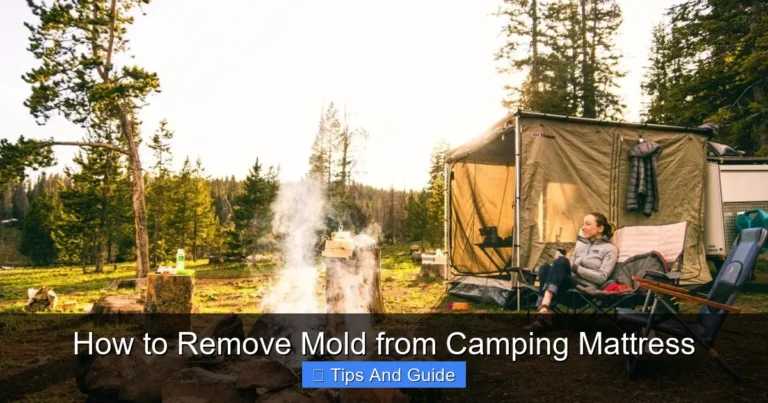
Imagine opening your tent flap in the morning and seeing a deer grazing nearby, or hearing owls calling as the sun sets. These moments are common when you’re tent camping because you’re part of the environment, not just visiting it. You’ll notice things you’d miss in an RV—like the way the forest smells after rain or how the stars shine brighter without city lights.
Sleep Under the Stars
Many tents come with mesh roofs or removable rainflies, so you can stargaze from inside your shelter. On a clear night, the Milky Way stretches across the sky like a glowing river. There’s nothing quite like falling asleep under that kind of view. And if you’re near the beach, a beach tent can give you that same open-air feeling with a little extra shade during the day.
It’s More Affordable Than Other Camping Options
Let’s be real—outdoor adventures can get expensive. RVs cost thousands, cabin rentals add up, and even glamping sites can break the bank. Tent camping, on the other hand, is one of the most budget-friendly ways to enjoy the outdoors.
Low Upfront Costs
A quality tent can cost anywhere from $50 to $300, depending on size and features. Compare that to the $10,000+ price tag of a basic RV, and the savings are obvious. Plus, once you have your gear, most public campgrounds charge just $10–$30 per night—way cheaper than hotels or vacation rentals.
No Fuel or Maintenance Fees
RVs need gas, oil changes, and regular upkeep. Tents? Just pack them up and go. There’s no engine to maintain, no propane tanks to refill, and no worries about breaking down on the side of the road. This makes tent camping ideal for spontaneous trips or long-term travel on a budget.
And if you’re looking for a great deal, check out our guide to the best affordable camping tent—perfect for beginners who want quality without the high price tag.
Greater Freedom and Flexibility
Tent camping gives you the freedom to go wherever the trail leads—literally. Unlike RVs, which are limited by size and road access, tents can be set up almost anywhere. That means you can camp in remote mountain valleys, quiet forest clearings, or even your own backyard.
No Reservations Needed (Often)
Many backcountry and dispersed camping areas don’t require reservations. You can hike in, find a flat spot, and pitch your tent without worrying about booking weeks in advance. This makes tent camping perfect for last-minute getaways or solo adventures.
Perfect for Bike and Backpacking Trips
If you love biking or backpacking, a lightweight tent is essential. You can carry everything you need on your back and set up camp at the end of the day. For bike campers, a bike tent is a compact, durable option that fits easily on your rack.
Even car campers benefit from this flexibility. You can drive to a scenic overlook, spend the day exploring, and camp right where you parked—no need to tow a heavy trailer or worry about hookups.
Builds Real Outdoor Skills
Tent camping isn’t just fun—it’s also a great way to learn valuable outdoor skills. Unlike glamping or RV camping, where many comforts are built-in, tent camping encourages self-reliance.
Learn to Set Up Camp Like a Pro
Pitching a tent teaches you how to read terrain, tie knots, and secure your shelter against wind and rain. These skills come in handy whether you’re camping in the desert or the mountains. And once you’ve mastered it, setting up camp becomes second nature—even in the dark.
Cook Over a Fire and Navigate Trails
Cooking meals over a campfire, filtering water, and using a map and compass are all part of the tent camping experience. These activities build confidence and prepare you for more advanced adventures. Plus, there’s something deeply satisfying about eating a meal you cooked yourself under the open sky.
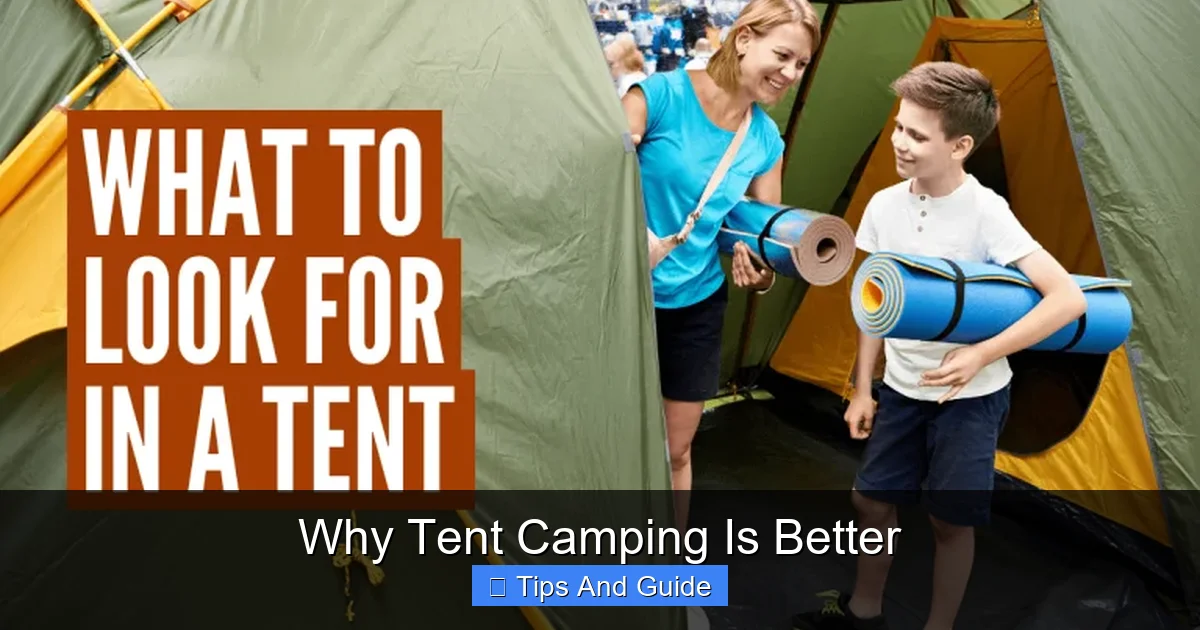
For families, tent camping is a fantastic way to teach kids about nature, responsibility, and teamwork. Assigning tasks like gathering firewood or helping with meals turns camping into a shared adventure.
Eco-Friendly and Low-Impact
If you care about the environment, tent camping is one of the greenest ways to explore the outdoors. It has a much smaller carbon footprint than RVs or cabins, which require energy, water, and construction materials.
Leave No Trace Principles
Tent camping encourages minimal impact. You carry in what you need and carry out what you bring. There’s no sewage to dump, no generators running all night, and no permanent structures left behind. By following Leave No Trace principles, you help preserve wild spaces for future generations.
Supports Local Campgrounds
Many tent campers choose public or state-run campgrounds, which reinvest fees into trail maintenance, wildlife protection, and visitor services. Your camping dollars go directly toward conserving the places you love.
Year-Round Adventure Awaits
Some people think tent camping is just a summer activity—but with the right gear, you can enjoy it in any season. Winter camping, for example, offers serene snowy landscapes and fewer crowds. And in the fall, the colors are breathtaking.
Stay Warm in Cold Weather
With a four-season tent, insulated sleeping pad, and a warm sleeping bag, you can camp comfortably even when temperatures drop. Our guide to the best way to stay warm while tent camping has tips on layering, heating options, and choosing the right gear.
Beat the Heat in Summer
Hot weather? No problem. Many tents are designed with ventilation in mind, and you can use battery-powered fans or portable air conditioners for extra comfort. For beach trips, a beach camping tent with UV protection keeps you cool and shaded.
Final Thoughts: Embrace the Simplicity
At the end of the day, tent camping is better because it’s real. It’s not about luxury or convenience—it’s about connection. Connection to nature, to yourself, and to the people you’re with. It’s about slowing down, breathing deeply, and remembering what matters.
Whether you’re escaping the city for a weekend or planning a month-long road trip, tent camping offers an experience that’s hard to match. It’s affordable, flexible, and full of adventure. So next time you’re thinking about where to go, skip the hotel and pitch a tent instead. You might just find that the best nights of your life happen under the stars.
Frequently Asked Questions
Is tent camping safe for beginners?
Yes! Tent camping is very safe for beginners, especially when you start at established campgrounds with amenities like restrooms and fire rings. Just learn basic safety tips, like storing food properly and checking the weather.
Do I need a special tent for different seasons?
Yes, season matters. Three-season tents work great for spring, summer, and fall, while four-season tents are built for snow and high winds. Choose based on when and where you plan to camp.
Can I camp in a tent during rain?
Absolutely. A good rainfly and waterproof tent will keep you dry. Just make sure to set up on high ground and avoid low spots where water can pool.
How do I stay warm while tent camping in winter?
Use a four-season tent, a high-quality sleeping bag rated for cold weather, and an insulated sleeping pad. Layer clothing and consider a small tent-safe heater if needed.
What’s the best tent for a family?
Look for a spacious, easy-to-set-up tent with room dividers or multiple rooms. The best big family camping tent options offer comfort and privacy for everyone.
Can I use a tent on the beach?
Yes! Beach tents are designed to resist wind and sand. They often have sand pockets, UV protection, and easy setup. Just avoid setting up too close to the waterline.