Why Are Tented Camps Popular for African Safaris
Tented camps offer a perfect blend of adventure and comfort on African safaris. They bring you closer to nature while providing safety, luxury, and unforgettable wildlife experiences in remote wilderness areas.
If you’ve ever dreamed of an African safari, chances are you’ve pictured yourself sitting by a crackling fire at dusk, listening to the distant roar of a lion while stars light up the sky. That magical moment? It often happens in a tented camp. These aren’t your average camping tents—think luxury canvas suites with real beds, hot showers, and gourmet meals served under the stars. So why are tented camps so popular for African safaris? It’s not just about sleeping under the stars; it’s about experiencing the wild in a way that’s both thrilling and comfortable.
Unlike traditional hotels or lodges, tented camps bring you right into the heart of nature. They’re often set up in remote, untouched areas where wildlife roams freely. This means you’re not just visiting the wilderness—you’re living in it. Whether you’re in the Serengeti, the Okavango Delta, or the Maasai Mara, tented camps offer a front-row seat to nature’s greatest show. And the best part? You don’t have to sacrifice comfort to get there.
Key Takeaways
- Immersive Wildlife Experience: Tented camps are located deep in nature, allowing guests to hear, smell, and see wildlife up close—something hotels can’t match.
- Eco-Friendly and Sustainable: Most tented camps use solar power, composting toilets, and minimal environmental impact designs to protect the ecosystem.
- Affordable Luxury: Compared to lodges, tented camps offer high-end amenities like en-suite bathrooms and gourmet meals at a lower cost.
- Flexible and Mobile: These camps can be set up in remote areas, giving access to untouched wildlife zones and private game reserves.
- Authentic Safari Feel: Sleeping under canvas with the sounds of the bush creates a raw, adventurous atmosphere that enhances the safari experience.
- Personalized Service: With fewer guests, tented camps offer intimate, tailored experiences with expert guides and attentive staff.
- Minimal Environmental Footprint: Temporary structures mean no permanent damage to the land, supporting conservation efforts.
📑 Table of Contents
Immersive Connection with Nature
One of the biggest reasons tented camps are so beloved is the deep, sensory connection they offer with the natural world. When you stay in a tented camp, you’re not separated from the environment by thick walls and air conditioning. Instead, you’re surrounded by it.
Sleeping to the Sounds of the Wild
Imagine drifting off to sleep with the sound of crickets chirping, hyenas laughing in the distance, and maybe even an elephant passing by your tent. That’s the reality at many tented camps. The thin canvas walls let in the natural sounds of the bush, making you feel truly part of the ecosystem. It’s a far cry from the silence of a city hotel—and that’s exactly what many travelers are looking for.
Waking Up to Wildlife
There’s nothing quite like waking up to the sight of a giraffe grazing just outside your tent or a herd of zebras crossing the plains at sunrise. Because tented camps are often located in prime wildlife areas, you don’t need to go on a game drive to see animals—they come to you. This constant proximity to wildlife creates a sense of wonder and excitement that’s hard to replicate elsewhere.
Eco-Friendly and Sustainable Travel
As travelers become more conscious of their environmental impact, tented camps have emerged as a sustainable alternative to traditional lodges. These camps are designed to leave minimal trace on the land, making them a favorite among eco-conscious adventurers.
Low Environmental Impact
Most tented camps are temporary structures that can be taken down without damaging the environment. They often use solar power for electricity, collect rainwater, and employ composting toilets to reduce waste. This means you can enjoy a luxurious stay without contributing to deforestation or pollution.
Supporting Local Conservation
Many tented camps partner with local conservation groups and community projects. A portion of your stay often goes toward protecting wildlife, supporting anti-poaching efforts, or funding education and healthcare in nearby villages. By choosing a tented camp, you’re not just having an adventure—you’re helping preserve it for future generations.
Affordable Luxury in the Wild
You might think that sleeping in a tent means roughing it, but modern tented camps redefine what “camping” means. These aren’t the flimsy pop-up tents you’d use for a weekend in the woods. We’re talking about spacious, well-appointed accommodations that rival five-star hotels.
Real Beds and En-Suite Bathrooms
Forget sleeping on the ground. Most luxury tented camps feature real beds with high-quality linens, en-suite bathrooms with hot water, and even private verandas with stunning views. Some even have bathtubs where you can soak under the stars. It’s comfort meets adventure in the most beautiful way possible.
Gourmet Dining Under the Stars
Meals at tented camps are often a highlight of the experience. Talented chefs prepare fresh, locally sourced dishes that blend international flavors with African influences. Imagine sipping a glass of South African wine while watching the sunset over the savanna, followed by a candlelit dinner in the open air. It’s dining with a view you’ll never forget.
And compared to permanent lodges, tented camps often offer similar—or even better—amenities at a lower price. Because they don’t require massive infrastructure, operators can pass the savings on to guests without cutting corners on quality.
Access to Remote and Exclusive Locations
One of the biggest advantages of tented camps is their mobility. Since they’re not permanent structures, they can be set up in some of the most remote and breathtaking locations across Africa.
Private Game Reserves and Conservancies
Many tented camps are located within private game reserves or community conservancies. These areas often have fewer tourists and stricter conservation rules, meaning you’ll have more space and better wildlife sightings. Some camps even offer exclusive access to areas where larger lodges can’t go.
Seasonal and Mobile Camps
Some tented camps are mobile, meaning they move with the wildlife. For example, in the Serengeti, camps may relocate to follow the Great Migration, ensuring guests are always in the best position to witness this natural wonder. This flexibility allows for a more dynamic and personalized safari experience.
Authentic and Intimate Safari Experience
Tented camps typically host fewer guests than large lodges, creating a more personal and intimate atmosphere. This allows for a deeper connection with your guides, staff, and fellow travelers.
Personalized Service
With smaller guest numbers, staff can offer tailored experiences. Your guide might adjust the game drive based on your interests, or the chef might prepare a special meal for a celebration. This level of attention makes every moment feel special.
Community and Connection
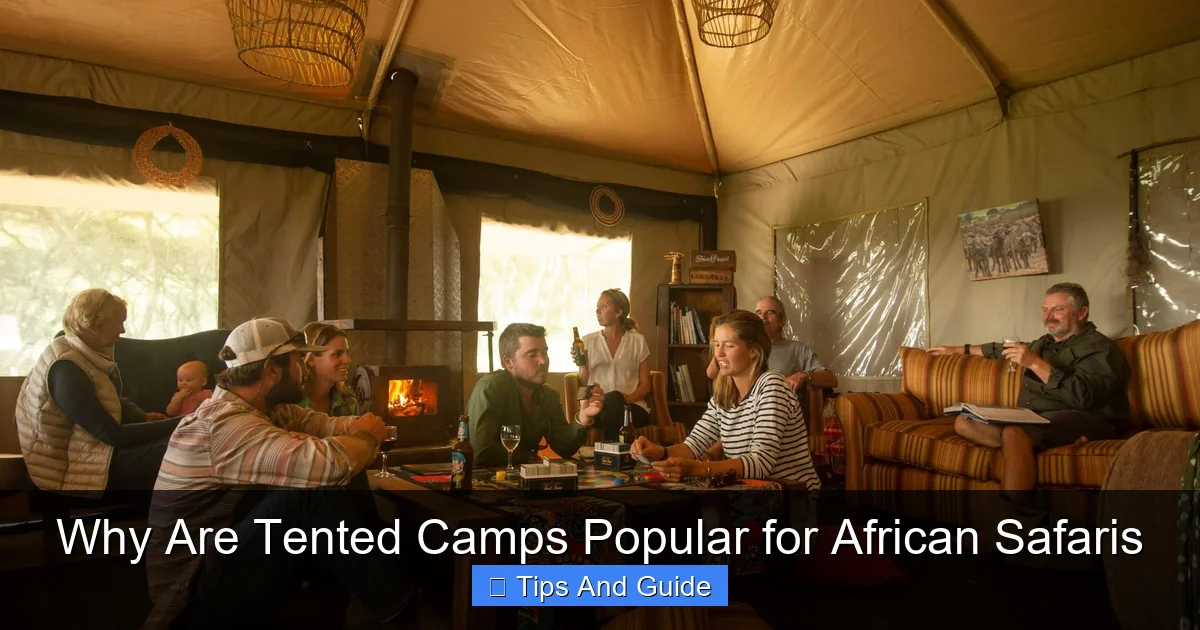
Staying in a tented camp often feels like being part of a small community. Meals are shared, stories are exchanged around the fire, and everyone bonds over the shared wonder of the wild. It’s a social experience that adds warmth and depth to your safari.
Safety and Security in the Wild
You might wonder: Is it safe to sleep in a tent in the middle of the African bush? The answer is a resounding yes—thanks to careful planning and expert management.
Professional Staff and Guides
Tented camps are staffed by highly trained professionals who understand wildlife behavior and safety protocols. Rangers and guides are always on duty, and many camps have 24-hour security. Tents are often elevated on platforms and surrounded by electric fences or natural barriers to keep animals at a safe distance.
Modern Amenities for Comfort and Safety
Even in remote locations, tented camps are equipped with modern conveniences. Solar-powered lighting, emergency communication systems, and first-aid kits are standard. Some even have Wi-Fi (though many guests choose to unplug and fully embrace the wilderness).
Conclusion
Tented camps have become the gold standard for African safaris because they offer the perfect balance of adventure, comfort, and sustainability. They bring you closer to nature without asking you to give up luxury. Whether you’re listening to the call of a fish eagle at dawn, sipping coffee on your private deck as elephants wander by, or falling asleep to the sounds of the bush, a tented camp delivers an experience that’s both thrilling and deeply peaceful.
For travelers who want more than just a photo op—who want to truly connect with the wild—tented camps are the ideal choice. They’re not just a place to sleep; they’re a gateway to one of the most extraordinary adventures on Earth.
And if you’re curious about different types of tents used in camping adventures, you might enjoy learning about whether bell tents are good for camping, or how pop-up tents compare in outdoor settings. For those planning family trips, the best big tents for families can offer useful insights into spacious, comfortable outdoor accommodations.
Frequently Asked Questions
Are tented camps safe during an African safari?
Yes, tented camps are very safe. They are managed by experienced staff, often have 24-hour security, and use elevated platforms and barriers to keep wildlife at a safe distance. Guides are trained in emergency procedures and wildlife behavior.
Do tented camps have electricity and running water?
Most luxury tented camps have solar-powered electricity for lighting and charging devices. Many also offer en-suite bathrooms with hot running water, though some remote camps may use bucket showers to conserve resources.
What should I pack for a stay at a tented camp?
Pack lightweight, neutral-colored clothing, a hat, sunscreen, binoculars, and a good camera. Don’t forget a flashlight or headlamp, as paths may be dark at night. Most camps provide towels and toiletries, but check in advance.
Can children stay at tented camps?
Yes, many tented camps welcome families and offer child-friendly activities. Some camps have age restrictions for safety during game drives, so it’s best to check with the camp beforehand.
Are tented camps suitable for solo travelers?
Absolutely. Tented camps are great for solo travelers seeking adventure and connection. The intimate setting encourages social interaction, and guided activities ensure you’re never alone in the wilderness.
How do tented camps support local communities?
Many tented camps hire local staff, source food from nearby farms, and contribute to community development projects. A portion of your stay often funds conservation, education, or healthcare initiatives in surrounding areas.