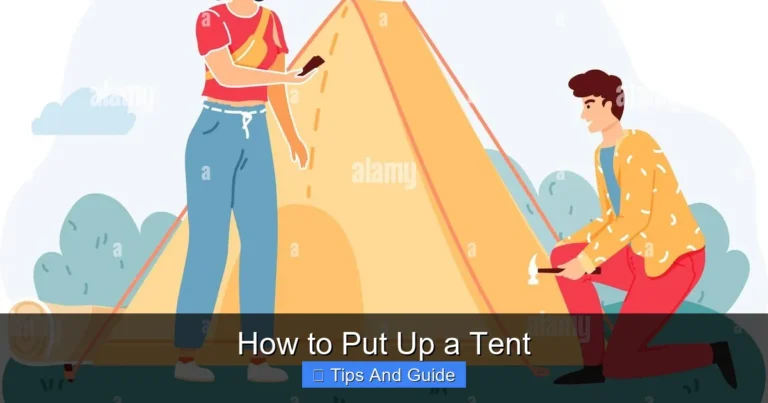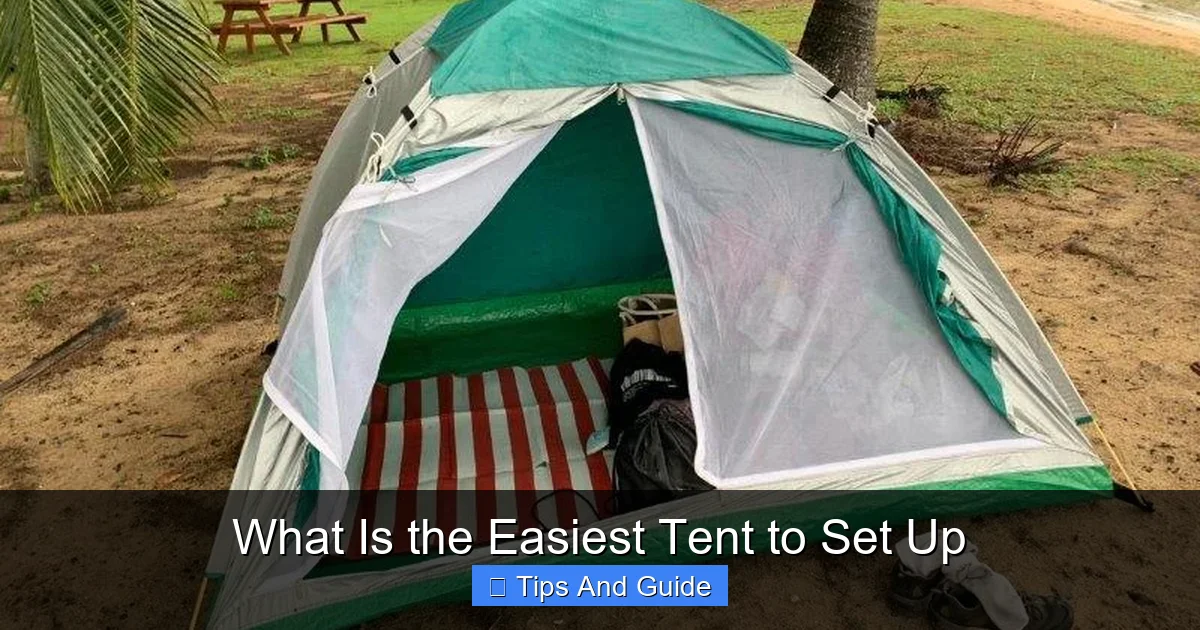
What Is the Easiest Tent to Set Up
Looking for the easiest tent to set up? Pop-up tents and instant dome models lead the pack with near-effortless assembly in under two minutes. Whether you’re a beginner or just want more time enjoying nature, these user-friendly designs make camping hassle-free.
Key Takeaways
- Pop-up tents are the fastest to deploy: Many spring open in seconds—perfect for solo campers or families with kids.
- Instant dome tents use pre-attached poles: These reduce setup time significantly and require minimal effort.
- Freestanding designs offer flexibility: You can move the tent after setup without taking it down.
- Look for color-coded clips and sleeves: This simplifies alignment and reduces frustration during assembly.
- Practice at home first: Even the easiest tent benefits from a dry run before your trip.
- Weather matters: Some tents are easier to set up in calm conditions—check our guide on how to set up tent for camping for tips.
- Size affects simplicity: Larger tents may have more parts, so choose based on group size and ease needs.
📑 Table of Contents
Why Setup Ease Matters More Than You Think
Let’s be honest—nobody goes camping to spend 20 minutes wrestling with tangled poles and confusing instructions. The truth is, the easiest tent to set up isn’t just about convenience; it’s about comfort, safety, and enjoyment. After a long hike or a rainy drive to your campsite, the last thing you want is a complicated shelter system that leaves you frustrated before you’ve even unpacked your sleeping bag.
Easy setup also means less stress for families, beginners, or anyone camping in unpredictable weather. Imagine arriving at dusk with kids melting down—having a tent that pops up in under two minutes can literally save the trip. Plus, simpler designs often mean fewer parts to lose or break, which increases durability over time. Whether you’re heading to a music festival, a weekend in the woods, or just backyard glamping, choosing a tent that’s simple to assemble makes all the difference.
Top Types of Tents That Are Super Easy to Set Up
Not all tents are created equal when it comes to setup speed and simplicity. Some modern designs have revolutionized how we pitch shelters, making it possible for one person to do it alone—even in under a minute. Here are the most user-friendly categories worth considering.
Pop-Up Tents: The Ultimate in Speed
Pop-up tents are arguably the easiest tent to set up on the market today. These clever designs come pre-assembled with flexible frames that “pop” into shape the moment you release them from their bag. Brands like Coleman, Quechua, and Neso have perfected this technology for everything from beach shelters to weekend camping tents.
To use one, simply unfold it from its compact carry case, give it a gentle shake, and watch it spring into place. No poles to connect, no clips to fumble with—just lift, release, and secure with stakes. Most pop-ups take less than 10 seconds to deploy. They’re ideal for casual campers, festival-goers, or parents who need a quick refuge for kids. Just remember: while they’re fast, they may not handle high winds as well as traditional tents, so always anchor them properly.
Instant Dome Tents: Ready in Under Two Minutes
If you want something slightly more robust than a pop-up but still incredibly easy, instant dome tents are your best bet. These feature pre-attached pole structures that hinge together, allowing you to lift the entire tent body and have it stand upright in one motion. Models like the Coleman Instant Cabin or the CORE Instant Cabin are popular choices.
Setup typically involves laying the tent flat, lifting the center hub, and watching the walls rise automatically. Then, you just stake down the corners and attach the rainfly if needed. Many include color-coded grommets or clips that match pole sections, eliminating guesswork. This design is especially helpful if you’re setting up in low light or with limited help. For detailed steps, check out our guide on how to set up a Coleman tent.
Freestanding Tents: Move It After Setup
Freestanding tents don’t rely on guylines or external anchors to hold their shape, which makes them not only easy to set up but also easy to reposition. Once pitched, you can lift and shift the entire structure—great if you realize your spot is rocky or too close to a trail.
These tents usually come with integrated pole systems and clip-on fabric, reducing the need for complex threading through sleeves. They’re a favorite among car campers and RV users who value flexibility. While not always as stormworthy as non-freestanding models, many high-quality freestanding tents (like those from REI or Kelty) offer excellent weather resistance without sacrificing ease.
Features That Make a Tent Truly “Easy” to Pitch
Beyond the overall design, certain features can turn a moderately simple tent into one of the easiest tents to set up. Knowing what to look for helps you avoid buyer’s remorse and ensures smooth sailing on your next adventure.
Pre-Attached Poles and Hubs
Tents with poles already connected to the canopy eliminate the most frustrating part of traditional setup: matching poles to sleeves or clips. Instead of sorting through multiple rods and figuring out which goes where, you simply unfold and lift. This is standard in instant and pop-up models but increasingly common in premium dome tents too.
Color-Coded Components
Nothing speeds up setup like visual cues. Look for tents where pole ends, clip attachments, or guylines are color-matched to their corresponding points on the tent body. This removes confusion, especially helpful when setting up in dim light or with impatient travel companions.
Single-Pole or Hub Systems
Fewer poles mean fewer steps. Some ultra-simple tents use a single continuous pole loop or a central hub that connects all support rods. These reduce complexity and minimize the chance of misalignment. They’re common in 1–2 person backpacking tents but also appear in larger family models designed for ease.
Tool-Free Setup
The best easy-setup tents require no tools—just your hands. Avoid models that need wrenches, tensioners, or special adapters. Everything should snap, clip, or twist into place intuitively. Bonus points if the instructions are printed directly on the carry bag!
Real-World Tips for Stress-Free Tent Setup
Even the easiest tent can become frustrating if you’re unprepared. A few smart habits go a long way in ensuring your setup is as smooth as advertised.
Practice Before You Go
Never assume you’ll master a new tent on-site. Unpack it at home, lay it out in the backyard, and time yourself. You’ll discover quirks, confirm the process, and build confidence. This is especially important if you’re using a pop-up or instant tent for the first time—some require a specific folding technique to repack correctly.
Choose the Right Spot
A level, debris-free area makes setup faster and safer. Clear rocks, twigs, and pinecones before laying down your footprint or tarp. If you’re camping on concrete or pavement, consider a ground tarp or mat for protection. For tips on tricky surfaces, see our article on how to set up a camping tent on concrete.
Work With a Partner (Even If You Don’t Need To)
Even solo campers benefit from having someone hold a corner while you stake or clip. It prevents the tent from shifting or collapsing mid-setup. Plus, teamwork reduces fatigue and doubles as a bonding moment—especially with kids who love “helping.”
Use a Footprint or Tarp
While not part of the tent itself, a ground cloth protects the floor and makes cleanup easier. Some tents include one; if not, buy a slightly smaller cut-to-fit tarp. Just make sure it doesn’t extend beyond the tent edges to avoid water pooling underneath during rain.
When Easy Setup Meets Weather Challenges
One common misconception is that easy-to-set-up tents can’t handle bad weather. While it’s true that some ultra-simple models prioritize speed over storm readiness, many modern designs strike a great balance. However, wind and rain do add complexity—even to the easiest tent.
In windy conditions, always stake down your tent immediately after popping it up. Use sturdy, Y-shaped stakes and angle them away from the tent at 45 degrees for maximum hold. If your tent has guylines (even on instant models), deploy them early. For rainy setups, consider practicing in your garage or under cover first. And if you’re expecting storms, check out our detailed guide on best way to set up tent in the rain for pro tips on staying dry while pitching.
Remember: ease doesn’t have to mean fragility. Many top-rated instant tents now feature reinforced fabrics, bathtub floors, and full-coverage rainflies that rival traditional designs—all while keeping setup under three minutes.
Final Thoughts: Choosing Your Perfect Easy-Setup Tent
The easiest tent to set up ultimately depends on your needs: group size, weather expectations, and how much gear you’re carrying. For solo trips or beach days, a pop-up might be all you need. For families or car camping, an instant dome offers the best blend of space, speed, and durability.
Don’t sacrifice essential features like ventilation, headroom, or waterproofing just for simplicity—but do prioritize designs that minimize hassle. Read reviews, watch setup videos, and when in doubt, choose a reputable brand known for user-friendly engineering. With the right tent, you’ll spend less time assembling and more time enjoying the great outdoors.
Frequently Asked Questions
What is the absolute easiest tent to set up?
The easiest tent to set up is typically a pop-up model, which springs into shape in under 10 seconds with no poles to assemble. Brands like Quechua and Neso offer reliable options for quick deployment.
Can one person set up an instant dome tent alone?
Yes! Most instant dome tents are designed for single-person setup. With pre-attached poles and intuitive clips, one person can pitch them in under two minutes—even in low light.
Are easy-to-set-up tents less durable?
Not necessarily. While some ultra-simple models may sacrifice storm resistance, many modern instant and pop-up tents use high-denier fabrics and reinforced frames that rival traditional designs.
Do I need to stake down a pop-up tent?
Absolutely. Even though pop-ups are stable when open, wind can easily flip or shift them. Always use stakes and guylines in outdoor conditions to keep your shelter secure.
Can I set up a tent in the rain without getting soaked?
Yes—with practice and the right technique. Use a tarp overhead, work quickly, and keep your gear organized. For step-by-step advice, see our guide on how to set up a tent in the rain.
Should I practice setting up my tent before camping?
Definitely. Practicing at home helps you understand the process, identify missing parts, and build confidence—so you’re not fumbling in the dark at the campsite.