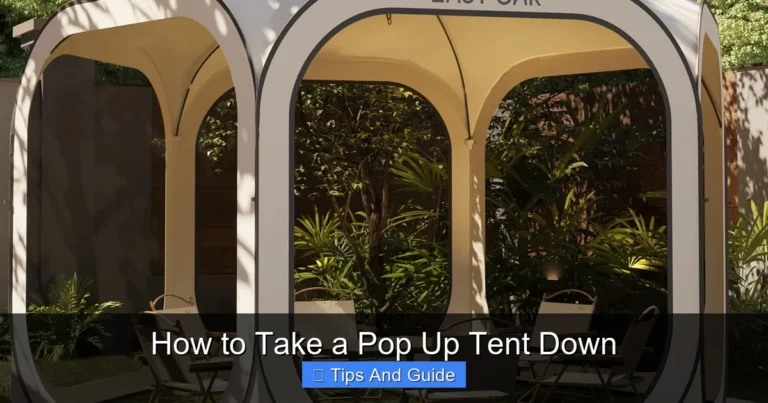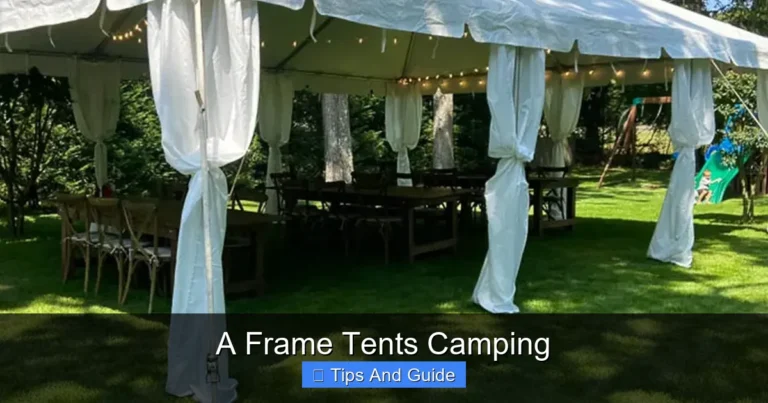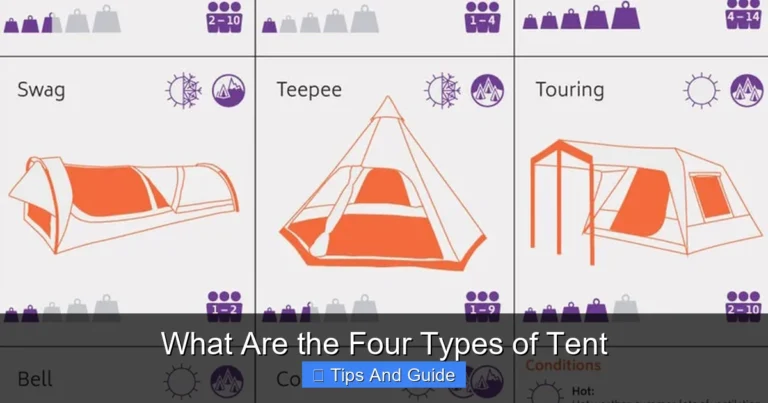
Where X Camping Tent
Choosing where to set up your X camping tent can make or break your outdoor experience. Whether you’re heading to the mountains, the beach, or your backyard, this guide helps you pick the perfect spot for comfort, safety, and fun.
If you’ve recently invested in an X camping tent, congratulations—you’re one step closer to unforgettable outdoor adventures. But here’s the thing: even the best tent won’t save you if you pitch it in the wrong spot. Whether you’re a weekend warrior or a full-time vanlifer, knowing where to set up your X camping tent is just as important as the gear itself.
Camping isn’t just about escaping the city lights—it’s about connecting with nature on your terms. And that means making smart choices about location. From rocky mountain trails to sandy coastlines, every environment demands a different approach. The good news? With a little planning and awareness, you can enjoy a safe, dry, and comfortable night—no matter where your journey takes you.
Key Takeaways
- Match your tent to the terrain: Use your X camping tent on flat, dry ground to avoid leaks and discomfort.
- Consider weather conditions: High winds, rain, and snow require sturdy setups—choose sheltered areas when possible.
- Check local regulations: Some parks and beaches have rules about where you can camp—always verify first.
- Prioritize accessibility: Pick spots near trails, water sources, or restrooms for convenience.
- Think about privacy and noise: Avoid busy campsites if you want a peaceful night under the stars.
- Use the right accessories: A quality ground tarp and stakes improve performance in rough conditions.
- Test your setup at home: Practice pitching your X camping tent before heading out to save time and stress.
📑 Table of Contents
Understanding Your X Camping Tent’s Strengths
Before you even think about where to go, it’s essential to understand what your X camping tent is built for. Most modern tents, including the X model, are designed with specific conditions in mind—like weight, weather resistance, and ease of setup.
Weather Resistance and Durability
Your X camping tent likely features a waterproof rainfly, sealed seams, and a durable floor—great for rainy nights or damp ground. But that doesn’t mean you should set up camp in a riverbed. Always look for high, dry ground with natural drainage. If you’re heading into storm-prone areas, consider pairing your tent with a best all weather camping tent for extra peace of mind.
Weight and Portability
If you’re backpacking, every ounce counts. The X camping tent is probably lightweight and compact, making it ideal for long hikes. That means you can reach remote spots most car campers can’t. Just remember: lighter tents may sacrifice some durability, so avoid sharp rocks or thorny bushes when selecting a site.
Setup Ease and Time
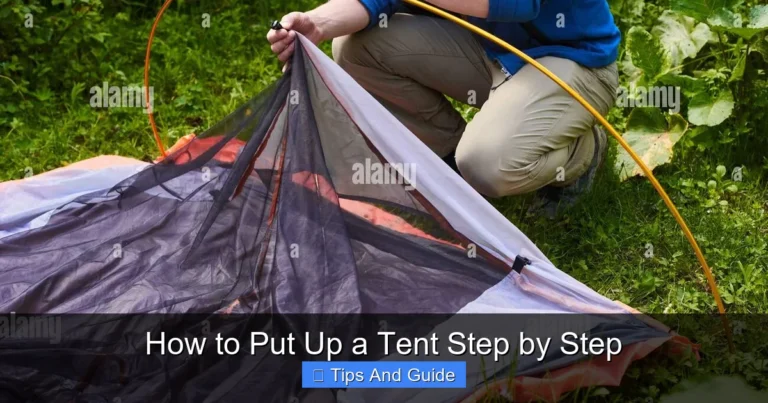
One of the biggest perks of the X camping tent is how quickly it goes up—often in under five minutes. This is perfect for late arrivals or sudden weather changes. But don’t let speed fool you: always practice setting it up at home first. You’ll thank yourself when you’re fumbling with poles in the dark.
Best Terrains for Your X Camping Tent
Not all ground is created equal. The surface you choose can affect everything from comfort to condensation buildup inside your tent.
Flat, Grassy Meadows
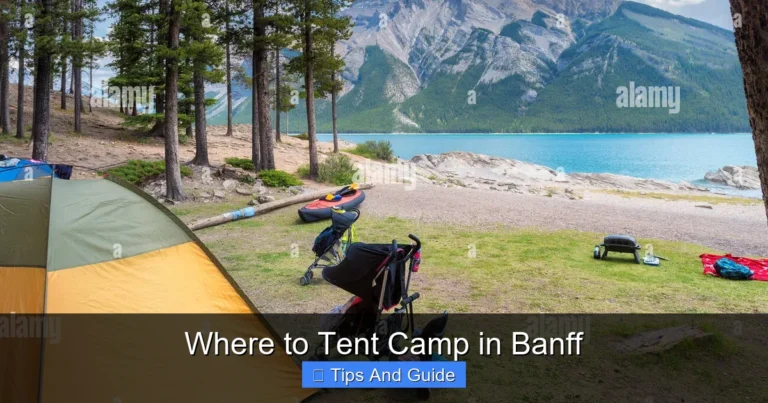
These are the gold standard for camping. Soft grass cushions your sleep, and flat ground makes setup a breeze. Look for meadows slightly elevated from water sources to avoid morning dew. National parks and forest service areas often have designated grassy sites—perfect for your X camping tent.
Forest Floors with Leaf Litter
Forests offer natural windbreaks and shade, making them ideal for summer camping. The layer of leaves acts as a soft mattress, but be sure to clear away sticks and rocks first. Avoid setting up under dead branches—“widowmakers” can fall without warning.
Beach Camping (With Caution)
Yes, you *can* use your X camping tent on the beach—but it takes extra care. Sand shifts, and high tides can sneak up fast. Always camp above the high-tide line and use sand anchors instead of regular stakes. For a complete guide, check out our article on the best beach tent camping tips.
Mountain and Alpine Zones
High-altitude camping is thrilling but risky. Winds can be fierce, and temperatures drop fast. Choose a spot sheltered by rocks or trees, and avoid ridge tops. Your X camping tent should handle light snow, but always pack a four-season footprint if winter camping.
Where NOT to Set Up Your X Camping Tent
Even experienced campers make mistakes. Avoid these common pitfalls to keep your trip safe and dry.
In Dry Riverbeds or Washes
They might look harmless by day, but flash floods can strike without warning. Never camp in arroyos, gullies, or low-lying areas that look like they’ve carried water before.
Under Dead Trees or Loose Rock
Dead trees, cracked branches, or unstable cliffs are dangerous. A sudden gust or rainstorm can send debris crashing down. Always scan your surroundings before unpacking.
Too Close to Water Sources
While it’s tempting to camp right next to a lake or stream, it’s risky. Water levels can rise overnight, and wildlife tends to visit these areas at dawn and dusk. Keep at least 200 feet away from lakes and rivers.
In Dense Brush or Poisonous Plants
Poison ivy, poison oak, and stinging nettle love shady, moist areas. Clear your site thoroughly and wear long sleeves if needed. Better yet, choose an open area with good airflow.
Specialized Camping Scenarios for Your X Tent
Your X camping tent isn’t just for traditional campgrounds. With a little creativity, you can use it in unique settings—each with its own tips and tricks.
Backyard Camping for Beginners
New to camping? Start in your own backyard. It’s safe, familiar, and lets you test your gear without driving hours away. Pitch your X camping tent on the lawn, add some fairy lights, and enjoy s’mores under the stars. For more ideas, see our guide on the best backyard camping tent setups.
Family Camping Trips
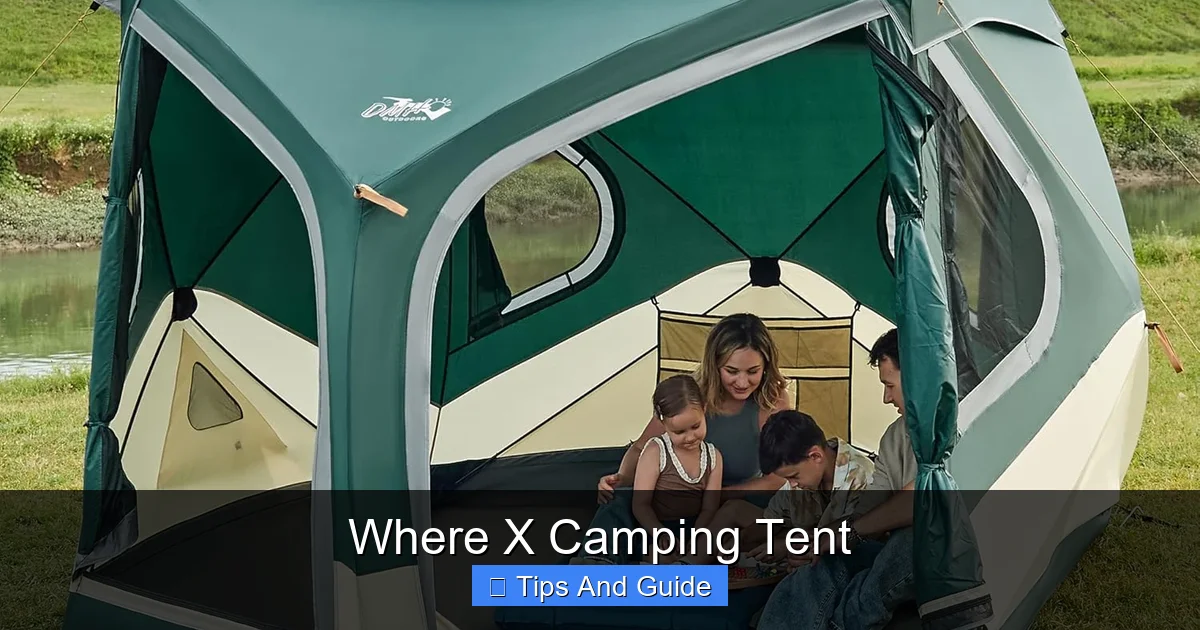
When camping with kids, comfort is key. Choose a site with restrooms nearby and plenty of space to play. The X camping tent works well for small families, but if you need more room, consider a best big family camping tent for extra headroom and storage.
Bikepacking and Ultralight Adventures
If you’re pedaling into the wild, every gram matters. The X camping tent’s compact size makes it a favorite among bikepackers. Pair it with a lightweight sleeping pad and minimal cookware for a true minimalist experience. For gear recommendations, explore our article on the best bike tent for camping.
Essential Tips for a Smooth Setup
No matter where you go, these pro tips will help you get the most out of your X camping tent.
Use a Ground Tarp
Always lay down a tarp or footprint beneath your tent. It prevents moisture from seeping up and protects the floor from punctures. Just make sure it’s slightly smaller than the tent base to avoid water pooling underneath.
Stake It Down Properly
Wind can flip a poorly staked tent in minutes. Use all guylines and drive stakes at a 45-degree angle away from the tent. In soft ground, use longer stakes or sand anchors.
Check the Weather Forecast
A sudden thunderstorm can turn a fun trip into a soggy nightmare. Use apps like Weather Underground or Windy to monitor conditions. If storms are likely, choose a lower-elevation site with natural cover.
Pack a Repair Kit
Bring duct tape, spare poles, and seam sealer. Small tears or broken zippers happen—being prepared saves the night.
Leave No Trace
When it’s time to go, pack out everything—including trash, food scraps, and even orange peels. Restore the site to its natural state so others can enjoy it too.
Making the Most of Your X Camping Tent Experience
At the end of the day, camping is about more than just shelter. It’s about slowing down, breathing fresh air, and reconnecting with the world around you. Your X camping tent is your home away from home—so treat it with care and respect.
Whether you’re chasing sunrises on a mountain peak or stargazing from a quiet desert canyon, the right location makes all the difference. Take time to scout your site, listen to your instincts, and always prioritize safety. And when in doubt, choose a spot that feels peaceful and secure.
With the right knowledge and a little preparation, your X camping tent can take you anywhere—from backyard adventures to cross-country road trips. So pack your bag, check your gear, and get ready to explore. The great outdoors is waiting.
Frequently Asked Questions
Can I use my X camping tent in the rain?
Yes, the X camping tent is designed with a waterproof rainfly and sealed seams to keep you dry. Just make sure to pitch it on high ground and use a ground tarp for extra protection.
Is the X camping tent good for winter camping?
It can handle light snow and cold weather, but it’s not a four-season tent. For heavy snow or extreme winds, consider upgrading to a specialized winter model.
How do I keep my X camping tent cool in summer?
Choose a shaded site, keep vents open, and use light-colored tarps. For more tips, read our guide on the best way to stay cool while tent camping.
Can I camp on the beach with my X tent?
Yes, but only above the high-tide line and with sand anchors. Avoid windy days and always check local regulations first.
How many people fit in the X camping tent?
Most X models are designed for 2–3 people. If you need more space, consider a larger family-sized option.
Do I need a footprint for my X camping tent?
While not required, a footprint extends the life of your tent floor and improves waterproofing. It’s a small investment for big protection.