What Do I Need to Take Tent Camping
Planning your first tent camping trip? You don’t need fancy gear—just the right basics. From a reliable tent and sleeping bag to cooking tools and lighting, this guide covers everything you need to stay safe, comfortable, and ready for nature.
Key Takeaways
- Shelter is essential: Choose a weather-appropriate tent that fits your group size and is easy to set up.
- Sleep comfortably: A quality sleeping bag, sleeping pad, and pillow make a huge difference in rest and warmth.
- Cooking gear matters: Bring a portable stove, fuel, utensils, and easy-to-prepare meals for hassle-free meals.
- Lighting keeps you safe: Headlamps, lanterns, and backup batteries help you navigate after dark.
- Pack smart clothing: Layer moisture-wicking, insulating, and waterproof clothes for changing weather.
- Don’t forget safety and hygiene: First aid kits, water purification, and sanitation tools are must-haves.
- Plan for the unexpected: Always carry a map, whistle, fire starter, and emergency shelter.
📑 Table of Contents
What Do I Need to Take Tent Camping? A Complete Beginner’s Guide
So, you’ve decided to try tent camping—congratulations! There’s nothing quite like falling asleep under the stars, waking up to birdsong, and breathing in fresh mountain or forest air. But before you head out, it’s important to know exactly what do I need to take tent camping so you’re prepared, comfortable, and safe.
Camping doesn’t have to be complicated or expensive. With the right gear and a little planning, even your first trip can feel like a success. The key is focusing on essentials: shelter, sleep, food, safety, and comfort. This guide walks you through each category, offering practical tips and real-world examples so you can pack smart and enjoy every moment outdoors.
Whether you’re heading to a national park, a lakeside campground, or a remote backcountry site, this checklist will help you avoid common mistakes—like forgetting a flashlight or bringing the wrong kind of sleeping bag. Let’s dive in.
1. Shelter and Tent Essentials
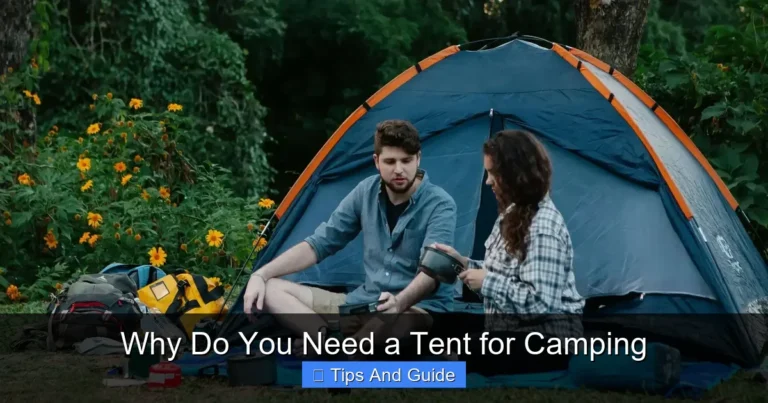
Your tent is your home away from home, so choosing the right one is crucial. When asking what do I need to take tent camping, shelter always tops the list.
Choosing the Right Tent
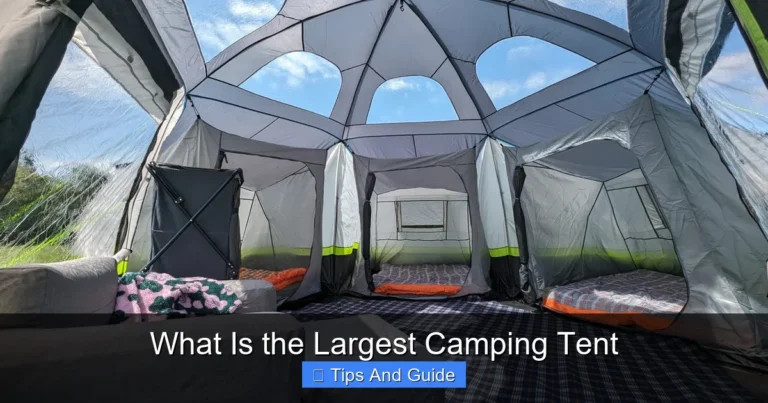
Start with a tent that matches your group size. A 2-person tent is cozy for couples, while families might prefer a 4- or 6-person model. Look for a waterproof rating of at least 1,200mm, and make sure it has a full-coverage rainfly. Freestanding tents are easier to set up, especially on uneven ground.
Tent Accessories You Can’t Skip
Don’t forget a ground tarp to place under your tent—this protects the floor from rocks and moisture. Stakes and guylines help secure your tent in windy conditions. A footprint (a custom-sized tarp) adds extra protection and makes cleanup easier. For more tips on keeping your tent in great shape, check out our guide on how to clean a tent after camping.
Setting Up Your Tent
Practice pitching your tent at home before your trip. This saves time and frustration at the campsite. Choose a flat, dry spot away from water sources and dead trees. If you’re unsure how to set up your tent quickly, read our step-by-step guide on how to set up a camping tent.
2. Sleep System: Getting a Good Night’s Rest
A bad night’s sleep can ruin an otherwise perfect trip. That’s why your sleep system—sleeping bag, pad, and pillow—is just as important as your tent.
Sleeping Bag Basics
Choose a sleeping bag rated for the lowest temperature you expect. For summer camping, a 40°F (4°C) bag is usually enough. For cooler weather, go for 20°F (-6°C) or lower. Down bags are lightweight and warm but lose insulation when wet. Synthetic bags are heavier but perform better in damp conditions.
Sleeping Pads for Comfort and Warmth
A sleeping pad isn’t just for comfort—it insulates you from the cold ground. Foam pads are cheap and durable, while inflatable ones offer more cushioning. Look for an R-value of at least 2.5 for three-season camping. For winter trips, aim for R-4 or higher. Want to know more? See our tips on the best way to sleep while tent camping.
Pillows and Extras
Don’t underestimate the power of a good pillow. Inflatable camping pillows are compact and surprisingly comfy. You can also use a stuff sack filled with clothes. A eye mask and earplugs help block out light and noise, especially in busy campgrounds.
3. Cooking and Food Supplies
Eating well while camping makes the experience more enjoyable. You don’t need a full kitchen—just the right tools and planning.
Portable Stove and Fuel
A compact camping stove is a game-changer. Propane or butane stoves are reliable and easy to use. Bring enough fuel for your trip—calculate about 1 canister per person for a weekend. Don’t forget a lighter or waterproof matches.
Cookware and Utensils
A lightweight pot, pan, and spatula are enough for most meals. Collapsible bowls and cups save space. Bring reusable utensils and a small cutting board. For cleanup, pack biodegradable soap, a sponge, and a portable sink or basin.
Food and Storage
Plan simple, no-fuss meals like oatmeal, pasta, or foil packet dinners. Pre-chop ingredients at home to save time. Store food in airtight containers or bear-proof bags. Never keep food in your tent—animals have sharp noses! For safe storage tips, visit our guide on how to store food when tent camping.
4. Clothing and Personal Items
What you wear can make or break your comfort level. The key is layering and choosing the right materials.
Dress in Layers
Start with a moisture-wicking base layer (like merino wool or synthetic fabric). Add an insulating mid-layer (fleece or down jacket) and a waterproof outer shell. Avoid cotton—it stays wet and makes you cold.
Footwear and Extras
Bring sturdy hiking boots for trails and camp shoes (like sandals or lightweight sneakers) for relaxing at the site. Pack extra socks—wet feet lead to blisters. Don’t forget a hat, sunglasses, and gloves if it’s chilly.
Personal Hygiene
Pack travel-sized toiletries, hand sanitizer, and toilet paper. Use a trowel to dig a cathole (6–8 inches deep) for waste, at least 200 feet from water sources. For showers, consider a portable solar shower or baby wipes. Learn more in our article on how to shower while tent camping.
5. Lighting and Power
When the sun goes down, good lighting keeps you safe and helps you enjoy evening activities.
Headlamps and Flashlights
A headlamp is hands-free and perfect for cooking or walking at night. Choose one with red light mode to preserve night vision. Bring extra batteries or a rechargeable model with a USB port.
Camp Lanterns
A lantern lights up your entire campsite. LED models are energy-efficient and long-lasting. Some even double as phone chargers. Hang it from a tent pole or place it on a table for ambient light.
Power Solutions
If you need to charge devices, bring a portable power bank. Solar chargers work well in sunny areas but can be slow. Limit phone use to conserve battery—embrace the digital detox!
6. Safety and Emergency Gear
Nature is beautiful, but it can be unpredictable. Being prepared for emergencies is non-negotiable.
First Aid Kit
Pack a basic kit with bandages, antiseptic wipes, tweezers, pain relievers, and any personal medications. Add blister treatment and allergy meds if needed. Check it before each trip.
Navigation and Communication
Always carry a map and compass—even if you use GPS. Tell someone your plans and expected return time. A whistle can signal for help if you’re lost. A personal locator beacon (PLB) is ideal for remote areas.
Fire and Emergency Shelter
Waterproof matches, a lighter, or a fire starter are essential. Practice building a fire before you go. In an emergency, a space blanket or bivy sack can provide lifesaving warmth.
Conclusion
Knowing what do I need to take tent camping doesn’t have to be overwhelming. Start with the basics: a good tent, a warm sleeping bag, reliable cooking gear, and smart clothing. Add lighting, safety items, and personal touches to match your style.
Remember, camping is about simplicity and connection—with nature, with friends, and with yourself. You don’t need the most expensive gear, just the right preparation. With this guide, you’re ready to pitch your tent, build a fire, and enjoy the great outdoors with confidence.
So pack your bag, double-check your list, and head out. Adventure awaits—and now, you’re ready for it.
Frequently Asked Questions
What’s the most important thing to bring when tent camping?
The most important item is a reliable tent that’s waterproof and properly sized for your group. Without shelter, you’re exposed to weather and wildlife, which can quickly turn a fun trip into a dangerous situation.
Can I go tent camping without a stove?
Yes, but it limits your meal options. You can cook over a campfire if allowed, or bring ready-to-eat foods like sandwiches, fruit, and trail mix. Just make sure to follow fire safety rules and pack out all trash.
How do I keep my tent warm at night?
Use a sleeping bag rated for cold weather, add a sleeping pad with a high R-value, and wear warm base layers. You can also bring a hot water bottle or use a safe tent heater—check out our guide on the best way to stay warm tent camping for more tips.
What should I do if it rains while camping?
Make sure your tent is properly pitched with the rainfly on and seams sealed. Use a ground tarp and keep gear in waterproof bags. Stay inside, play cards, or read a book. Avoid touching the tent walls to prevent leaks.
How much should I pack for a weekend camping trip?
Pack light but smart. Focus on essentials: shelter, sleep system, food, water, clothing, and safety gear. A 40–60 liter backpack is usually enough for two nights. Roll clothes to save space and avoid overpacking.
Is it safe to camp alone?
Yes, but take extra precautions. Tell someone your location and return time, carry a whistle and first aid kit, and avoid risky areas. Start with well-marked, populated campgrounds until you gain experience.