Where to Tent Camp in Colorado
Colorado offers some of the most stunning tent camping destinations in the U.S., with over 42 state parks and countless national forest sites. Whether you’re a beginner or a seasoned camper, you’ll find breathtaking landscapes, clean facilities, and unforgettable outdoor experiences across the state.
If you’ve ever dreamed of waking up to crisp mountain air, the sound of a nearby stream, and a sky full of stars, then tent camping in Colorado might just be your perfect escape. With over 23 million acres of public land—including national parks, forests, and wilderness areas—Colorado is a camper’s paradise. Whether you’re looking for a family-friendly site with restrooms and fire rings or a remote backcountry spot where you’re the only one for miles, the Centennial State has it all.
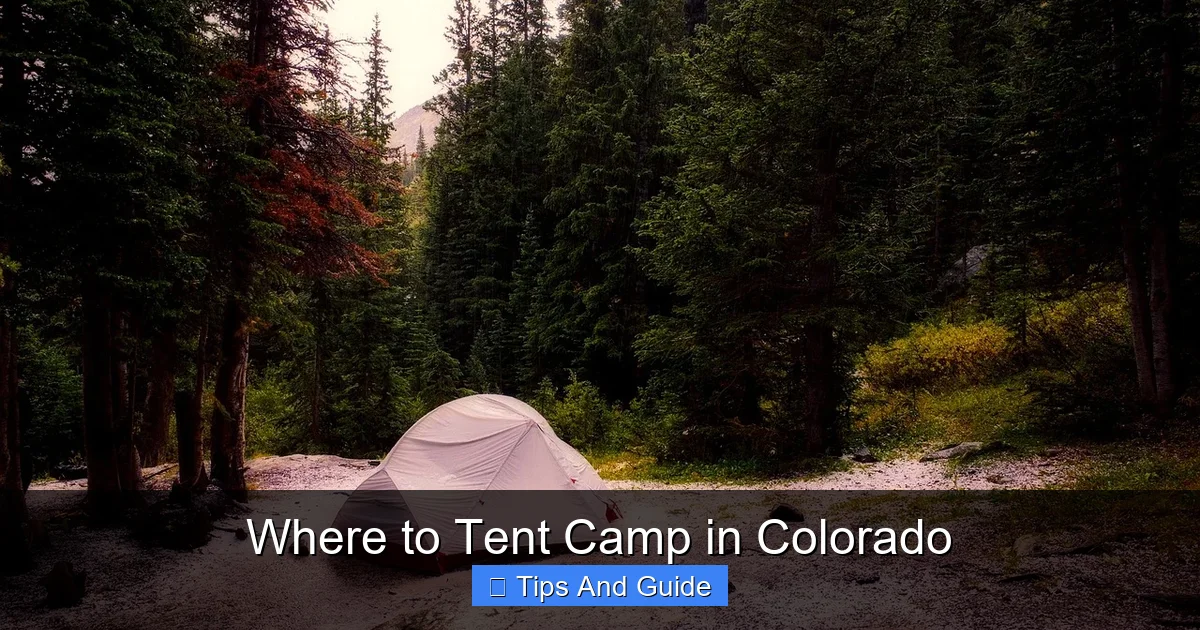
Tent camping here isn’t just about sleeping under the stars—it’s about immersion. You’ll find yourself surrounded by towering pines, wildflower meadows, and views of snow-capped peaks that seem to touch the sky. And the best part? Many of these incredible spots are surprisingly accessible, even for first-time campers. From well-maintained campgrounds to free dispersed sites deep in the forest, Colorado makes it easy to disconnect and reconnect with nature.
Key Takeaways
- Colorado has diverse camping options: From high alpine lakes to desert canyons, there’s a perfect spot for every type of camper.
- National forests offer free or low-cost dispersed camping: Areas like Pike and San Isabel National Forests allow backcountry-style tent camping with minimal fees.
- Reservations are essential for popular parks: Sites in Rocky Mountain National Park and Maroon Bells fill up months in advance—book early.
- Altitude affects comfort and safety: Many campsites sit above 8,000 feet, so acclimate slowly and stay hydrated.
- Weather changes fast in the mountains: Always pack layers and be prepared for sudden rain, snow, or temperature drops—even in summer.
- Leave No Trace principles are critical: Help protect Colorado’s wild spaces by packing out all trash and minimizing your impact.
- Some areas allow year-round tent camping: With proper gear, you can enjoy winter camping in places like Grand Lake or near Vail.
📑 Table of Contents
Top Tent Camping Destinations in Colorado
Rocky Mountain National Park
One of the most iconic places to tent camp in Colorado is Rocky Mountain National Park. With five developed campgrounds—including Moraine Park, Aspenglen, and Timber Creek—this park offers stunning alpine scenery and abundant wildlife. Moraine Park is especially popular for its flat terrain, easy access, and views of the Continental Divide. Most sites here require reservations, which can be made up to six months in advance through Recreation.gov.
Keep in mind that altitudes in the park range from 7,500 to over 12,000 feet. If you’re not used to high elevation, take it slow the first day. Drink plenty of water, avoid alcohol, and consider spending a night at a lower elevation before heading up. The park also enforces strict food storage rules to protect bears and other wildlife—always use the provided bear lockers.
Maroon Bells-Snowmass Wilderness
Just outside Aspen, the Maroon Bells are among the most photographed mountains in North America—and for good reason. The Maroon Lake Scenic Trail offers easy access to tent camping areas, though overnight stays require a free wilderness permit. Most campers choose to backpack in, but there are a few first-come, first-served sites near the trailhead.
This area is best for experienced campers due to its rugged terrain and unpredictable weather. Afternoon thunderstorms are common in summer, so aim to be off the peaks by early afternoon. If you’re new to high-altitude camping, consider starting with a lower-elevation site and working your way up.
Great Sand Dunes National Park
For a completely different camping experience, head to Great Sand Dunes National Park. Yes, you can tent camp among the tallest sand dunes in North America! The Piñon Flats Campground offers 88 sites with stunning views of the dunes and the Sangre de Cristo Mountains. It’s one of the few places where you can fall asleep under a blanket of stars and wake up to a sunrise over golden sand.
Nighttime temperatures can drop significantly, even in summer, so bring warm sleeping gear. And don’t forget bug spray—mosquitoes can be active near Medano Creek. The park also offers ranger-led programs and night sky viewing, making it a great destination for families.
Free and Dispersed Tent Camping Options
Not every great camping spot in Colorado requires a reservation or a fee. Dispersed camping—also known as boondocking—is allowed in most national forests and Bureau of Land Management (BLM) areas. This means you can pitch your tent almost anywhere, as long as you follow a few simple rules: stay at least 100 feet from water sources, avoid private property, and pack out all trash.
Pike National Forest
Just an hour from Denver, Pike National Forest offers hundreds of free dispersed sites. Popular areas include the Rampart Range and the area around Cheesman Reservoir. These spots are ideal for those who want solitude and don’t mind roughing it a bit. There are no restrooms or water sources, so come prepared with everything you need.
One favorite among locals is the area near Guanella Pass. It’s easily accessible by car, yet feels remote. You’ll find plenty of flat spots among the pines, and the views of Mount Bierstadt are unbeatable. Just remember: no fires during fire bans, and always check current conditions before heading out.
San Juan National Forest
In southwestern Colorado, San Juan National Forest is a hidden gem for tent campers. With over 1.8 million acres of wilderness, it offers endless opportunities for solitude and adventure. Areas near Ouray, Telluride, and Pagosa Springs are especially scenic.
Try the dispersed sites along the Alpine Loop or near Molas Pass. These high-altitude meadows are perfect for stargazing and wildlife watching. Elk, deer, and even moose are common sightings. Just be aware that weather can change quickly—summer afternoons often bring thunderstorms.
Tips for Safe and Comfortable Tent Camping
Camping in Colorado is rewarding, but it comes with unique challenges. The high elevation, variable weather, and rugged terrain mean you need to be prepared.
Prepare for Altitude
Many campsites in Colorado are above 8,000 feet. Altitude sickness can affect anyone, regardless of fitness level. Symptoms include headache, nausea, and dizziness. To reduce your risk, ascend gradually, stay hydrated, and avoid strenuous activity on your first day. If symptoms worsen, descend to a lower elevation immediately.
Dress in Layers
Weather in the mountains can shift in minutes. It’s not uncommon to experience sunshine, rain, and snow all in one day. Pack moisture-wicking base layers, an insulating mid-layer like fleece, and a waterproof outer shell. A good sleeping bag rated for cold weather is essential—even summer nights can dip below 40°F.
Protect Your Food
Bears, raccoons, and marmots are common in Colorado campgrounds. Never store food in your tent. Use bear-proof containers or lockers when available. If you’re dispersed camping, hang your food at least 10 feet off the ground and 4 feet from the tree trunk.
Know the Fire Rules
Fire restrictions change frequently based on drought conditions. Always check local regulations before lighting a campfire. In many areas, only propane stoves are allowed during fire bans. And remember: drown your fire completely before leaving—never assume it’s out.
Seasonal Considerations for Tent Camping
Summer Camping (June–August)
Summer is peak season for tent camping in Colorado. Days are warm and sunny, and wildflowers are in full bloom. However, afternoon thunderstorms are common, especially above treeline. Set up your tent on high ground and avoid ridge tops during storms. Mosquitoes can also be intense—bring repellent and consider a bug net for your tent.
Fall Camping (September–October)
Fall brings cooler temperatures and stunning foliage, especially in aspen groves. Crowds thin out, and the weather is generally stable. This is a great time for families or those seeking a quieter experience. Just be prepared for early snow at higher elevations.
Winter Camping (November–March)
Yes, you can tent camp in Colorado during winter—but it takes preparation. Sub-zero temperatures and snow are common. A four-season tent, a sleeping bag rated for extreme cold, and a high-quality sleeping pad are must-haves. Popular winter camping areas include Grand Lake and the Vail area.
For tips on staying warm and safe, check out our guide on how to winter camp in a tent. It covers everything from layering strategies to choosing the right gear.
Spring Camping (April–May)
Spring is unpredictable. Snowmelt can make trails muddy, and some high-elevation roads remain closed. Lower-elevation sites near rivers and lakes are your best bet. Be cautious of flash floods in canyons and always check road conditions before heading out.
Final Thoughts
Tent camping in Colorado is more than just a trip—it’s an adventure. Whether you’re gazing at the stars from a sandy dune, listening to elk bugle in a mountain meadow, or sipping coffee with a view of the Maroon Bells, the memories you make will last a lifetime. With so many options—from developed campgrounds to remote backcountry sites—there’s truly something for everyone.
Remember to plan ahead, respect the environment, and always be prepared for the unexpected. And if you’re new to tent camping, start with a well-equipped site and work your way up to more remote adventures. For a smooth experience, read our guide on the best way to camp in a tent to learn setup tips, gear recommendations, and safety essentials.
With the right preparation, your Colorado camping trip can be safe, comfortable, and absolutely unforgettable.
Frequently Asked Questions
Do I need a permit to tent camp in Colorado?
It depends on the location. Developed campgrounds in national parks usually require reservations, while dispersed camping in national forests often does not. However, some wilderness areas—like Maroon Bells—require free permits for overnight stays. Always check local regulations before you go.
Can I camp for free in Colorado?
Yes! Dispersed camping is free in most national forests and BLM lands. Just make sure you’re not on private property and follow Leave No Trace principles. Popular free areas include Pike and San Juan National Forests.
What’s the best time of year to tent camp in Colorado?
Summer (June to August) offers the most reliable weather, but it’s also the busiest. Fall (September to October) is ideal for fewer crowds and beautiful foliage. Winter camping is possible with proper gear, and spring can be great at lower elevations.
Are there bears in Colorado campgrounds?
Yes, black bears are common in many areas. Always store food in bear-proof containers or lockers. Never leave food or scented items in your tent. If you’re dispersed camping, hang your food properly or use a bear canister.
Can I bring my dog tent camping in Colorado?
Yes, dogs are allowed in most campgrounds, but they must be leashed and under control. Some wilderness areas have restrictions, so check the rules for your destination. For tips, see our guide on how to tent camp with a dog.
How do I stay warm while tent camping in cold weather?
Use a four-season tent, a sleeping bag rated for low temperatures, and a high R-value sleeping pad. Wear warm layers to bed and consider a hot water bottle. For more tips, read our article on the best way to stay warm in a tent.