Where to Rent a Camping Tent
Renting a camping tent is a smart, budget-friendly way to enjoy the outdoors without the upfront cost of buying gear. Whether you’re a first-time camper or traveling light, this guide covers top rental options, what to look for, and how to ensure a comfortable, hassle-free camping experience.
Key Takeaways
- Local outdoor stores often offer tent rentals: Many REI Co-op locations and independent outfitters provide clean, well-maintained tents for short-term use.
- Online platforms like Outdoors Geek and LowerGear make renting easy: These services deliver high-quality tents right to your door, perfect for travelers or last-minute trips.
- Check tent condition and included gear before renting: Ensure the tent is waterproof, has intact zippers, and comes with stakes, guylines, and a footprint.
- Compare rental costs vs. buying: For occasional campers, renting is far more economical than purchasing a tent you’ll rarely use.
- Book early during peak seasons: Summer and holiday weekends fill up fast—reserve your tent at least 2–3 weeks in advance.
- Know how to set up the tent beforehand: Practice at home using online guides like how to set up a camping tent to avoid stress at the campsite.
- Return the tent clean and dry: Most rental companies charge cleaning fees if the tent is returned dirty or wet—follow best practices for cleaning a tent after camping.
📑 Table of Contents
Why Rent a Camping Tent?
So you’ve decided to go camping—great choice! But before you pack your bags, there’s one big question: Do you really need to buy a tent? If you’re new to camping, traveling from afar, or just don’t camp often enough to justify the expense, renting a camping tent is a brilliant alternative.
Buying a quality tent can cost anywhere from $100 to $500 or more. Add in the cost of a sleeping bag, sleeping pad, and other gear, and your weekend getaway suddenly feels like a major investment. Renting lets you enjoy all the benefits of camping without the long-term commitment. It’s eco-friendly, cost-effective, and perfect for testing different tent styles before committing to a purchase.
Top Places to Rent a Camping Tent
Whether you prefer in-person service or the convenience of online delivery, there are plenty of reliable options for renting a camping tent. Here are the most popular and trusted sources:
Local Outdoor Retailers
Many outdoor stores offer tent rentals, especially in areas near national parks or popular camping destinations. REI Co-op is one of the most well-known, with locations across the U.S. offering rentals for tents, sleeping bags, and backpacks. Their staff are knowledgeable, and their gear is typically well-maintained.
Independent outfitters are another great option. Shops like Mountain Equipment Co-op (MEC) in Canada or local adventure centers often rent high-quality tents at competitive rates. These stores may also offer discounts for multi-day rentals or package deals that include other camping essentials.
Online Rental Platforms
If you’re traveling or don’t have a nearby rental shop, online platforms deliver tents right to your door. Outdoors Geek and LowerGear Outdoor Rentals are two top choices. They offer a wide range of tents—from compact 2-person models to spacious family-sized options—and ship them clean, packed, and ready to go.
These services are ideal for fly-in campers or those heading to remote locations. Just make sure to order at least a week in advance to account for shipping time. Many platforms also include helpful extras like gear checklists and setup instructions.
University Outdoor Programs
College students and alumni should check if their university’s outdoor recreation program offers gear rentals. Schools like the University of Colorado Boulder or Oregon State University have extensive rental fleets available to students, faculty, and sometimes the public. Rates are often student-subsidized, making them some of the cheapest options around.
Peer-to-Peer Rental Services
Platforms like Fat Llama or KitSplit let individuals rent out their own gear, including camping tents. This can be a more affordable and flexible option, especially for unique or high-end models. Just be sure to read reviews, verify the condition of the tent, and communicate clearly with the renter about pickup/drop-off logistics.
What to Look for When Renting a Tent
Not all rented tents are created equal. To ensure a comfortable and dry night under the stars, keep these factors in mind:
Tent Size and Capacity
Always check the actual sleeping capacity. A “4-person” tent might fit four people—but only if you’re cozy. For comfort, look for a tent rated for one fewer person than your group size. For example, a 3-person tent works best for two campers with gear.
Weather Resistance
Ask whether the tent is rated for three-season or four-season use. Three-season tents are fine for spring, summer, and fall, but if you’re camping in rain or snow, you’ll want a more robust model. Also, confirm that the rainfly covers the entire tent and that the floor is fully waterproof.
Included Accessories
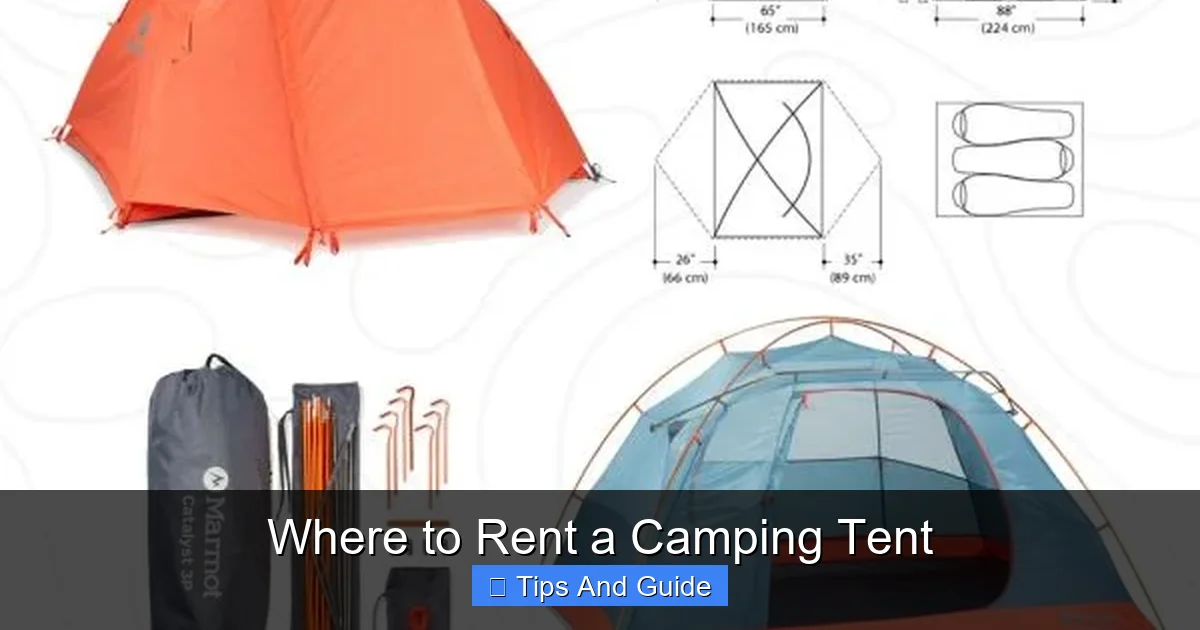
A good rental should include more than just the tent. Make sure it comes with stakes, guylines, a footprint (groundsheet), and a carrying bag. Some companies even throw in a repair kit—super handy if you encounter unexpected wear.
Cleanliness and Condition
Inspect the tent before you leave the store or upon delivery. Look for mold, tears, broken zippers, or missing parts. Reputable rental services will provide clean, dry tents, but it never hurts to double-check. If something’s off, speak up immediately.
Cost Comparison: Renting vs. Buying
Let’s do the math. A decent 2-person camping tent costs around $150–$250 to buy. Most rental services charge $15–$30 per day. So if you camp fewer than 8–10 times a year, renting is almost always cheaper.
Plus, renting eliminates storage issues. No more wrestling a bulky tent into a cramped closet or garage. And if your camping style evolves—say, you switch from car camping to backpacking—you can try different tent types without buying new gear each time.
That said, if you camp regularly (more than once a month), investing in your own tent may make sense. But for weekend warriors and occasional adventurers, renting is the clear winner.
Tips for a Smooth Rental Experience
To avoid headaches and make the most of your rental, follow these practical tips:
Book Early
Popular rental periods—like Memorial Day, Fourth of July, and fall foliage season—fill up fast. Reserve your tent at least 2–3 weeks in advance, especially if you’re using an online service that requires shipping.
Practice Setup at Home
Even if the rental company provides instructions, practice pitching the tent in your backyard or living room. This saves time and stress at the campsite. Check out our guide on how to set up a tent for camping for step-by-step help.
Protect Your Tent
Use a footprint or tarp underneath to prevent ground moisture and abrasion. Avoid placing the tent on rocky or muddy ground if possible. And never store a tent wet—mold and mildew can ruin both the fabric and your rental deposit.
Return It Clean
Most companies charge a cleaning fee if the tent is returned dirty. Shake out dirt, wipe down the floor, and let it air dry completely before packing. For detailed steps, see our article on the best way to clean a tent after camping.
Final Thoughts
Renting a camping tent is a smart, sustainable, and budget-friendly way to enjoy the great outdoors. With so many convenient options—from local shops to online delivery services—there’s no reason to overspend on gear you might only use once or twice a year.
Just remember to inspect your rental, practice setup, and return it in good condition. That way, you’ll keep costs low, stay comfortable, and be ready for your next adventure. Whether you’re heading to the mountains, the desert, or a lakeside campground, a rented tent can be your ticket to a stress-free, memorable trip.
Frequently Asked Questions
Can I rent a tent for a weekend trip?
Yes! Most rental services offer weekend packages, often at a discounted rate compared to daily pricing. Just make sure to book in advance, especially during busy seasons.
Do I need to clean the tent before returning it?
Yes, most companies require the tent to be clean and dry. Dirt, mud, or moisture can lead to cleaning fees or damage charges. Always shake out debris and air-dry the tent before packing.
What if the tent gets damaged during my trip?
Check the rental agreement for damage policies. Many companies offer damage waivers for a small fee, which covers minor repairs. For major damage, you may be responsible for replacement costs.
Can I rent a tent for winter camping?
Yes, but make sure to request a four-season tent designed for snow and cold weather. These are more insulated and durable than standard three-season models.
Do rental tents come with a rainfly?
Reputable rental services include a full-coverage rainfly with every tent. Always confirm this before renting, especially if rain is in the forecast.
Is it cheaper to rent or buy a tent for one-time use?
Absolutely. For a single trip, renting is far cheaper than buying. You’ll save $100+ and avoid the hassle of storing gear you’ll never use again.