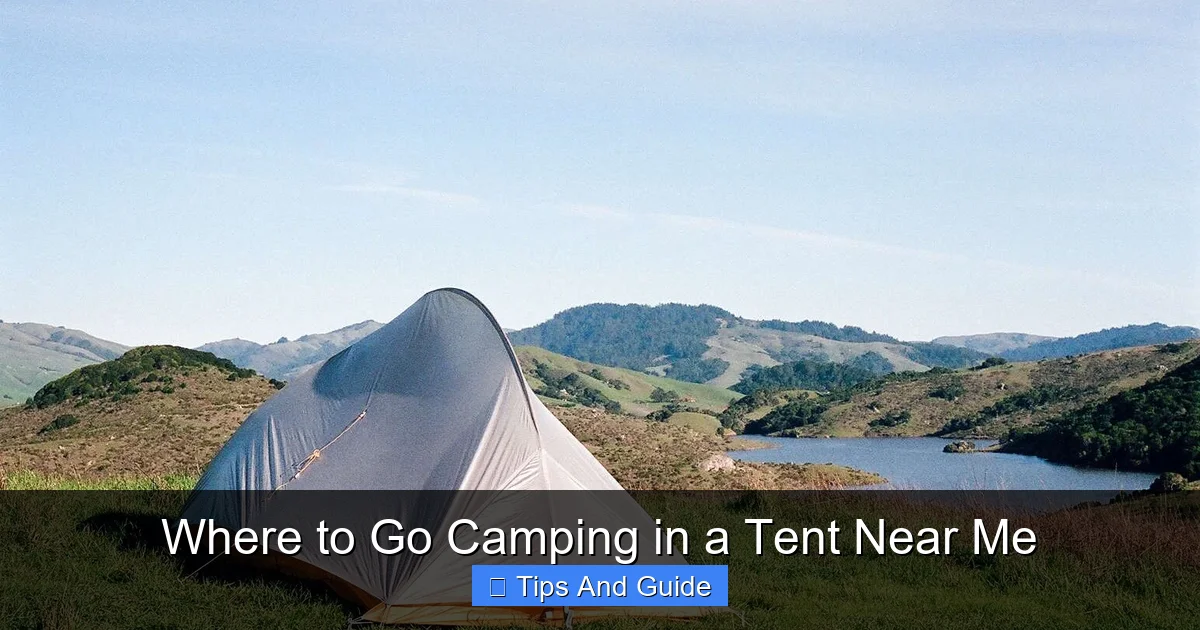
Where to Go Camping in a Tent Near Me
Looking for the perfect spot to go camping in a tent near you? Whether you’re a beginner or a seasoned camper, this guide helps you discover safe, scenic, and accessible locations close to home. From national forests to lakeside retreats, we’ll show you how to find the ideal campsite and make the most of your outdoor experience.
Key Takeaways
- Use online tools like Recreation.gov: Easily search for nearby campgrounds, check availability, and book your spot in advance.
- Check local state and national parks: These often offer well-maintained tent sites with restrooms, fire pits, and scenic views.
- Consider dispersed camping on public lands: Free, primitive camping is available in many national forests and BLM areas—just follow Leave No Trace principles.
- Look for amenities that match your comfort level: Some sites offer water and restrooms, while others are more rustic—choose based on your experience.
- Always check weather and regulations: Prepare for changing conditions and follow local fire and wildlife rules.
- Pack smart for comfort and safety: Bring a quality tent, sleeping pad, and weather-appropriate gear for a better night’s sleep.
- Explore lesser-known areas: Avoid crowds by visiting off-season or less popular trails and campgrounds.
📑 Table of Contents
Introduction: The Joy of Tent Camping Close to Home
There’s something magical about pitching a tent under the stars, listening to the rustle of leaves, and waking up to birdsong instead of an alarm clock. You don’t need to drive for hours or plan a week-long expedition to enjoy the outdoors. In fact, some of the best places to go camping in a tent near you might be just a short drive away.
Whether you’re escaping the city for a weekend or introducing your kids to nature for the first time, tent camping offers a simple, affordable way to reconnect with the natural world. The key is knowing where to look and how to prepare. With a little research and the right gear, you can turn any nearby forest, lake, or mountain into your personal retreat.
How to Find the Best Tent Camping Spots Near You
Finding a great campsite doesn’t have to be complicated. Start by using trusted online resources to narrow down your options.
Use Campground Search Tools
Websites like Recreation.gov allow you to filter campgrounds by location, amenities, and activity type. Simply enter your city or ZIP code and see a list of nearby options. You can sort by distance, availability, and even user ratings. Many sites also include photos and detailed descriptions, so you know exactly what to expect.
Another helpful tool is The Dyrt, a camping app that features user reviews, photos, and real-time availability. It’s especially useful for finding hidden gems that aren’t listed on major booking platforms.
Check State and National Parks
State and national parks are among the most popular—and often the most scenic—places to go camping in a tent near you. These parks typically offer designated campsites with fire rings, picnic tables, and access to hiking trails.
For example, if you’re near a coastline, state parks like Big Sur in California or Acadia in Maine offer breathtaking ocean views and well-maintained tent sites. Inland, parks like Shenandoah in Virginia or Great Smoky Mountains in Tennessee provide lush forests and mountain streams.
Explore National Forests and BLM Lands
If you’re looking for a more rugged, off-the-grid experience, consider dispersed camping on public lands. The U.S. Forest Service and Bureau of Land Management (BLM) allow free camping in many areas, as long as you follow their rules.
These spots don’t have amenities like restrooms or showers, but they offer solitude and a true back-to-nature feel. Just remember to pack out all trash, avoid sensitive habitats, and check local fire restrictions.
Types of Tent Camping Experiences
Not all tent camping is the same. Depending on your preferences, you can choose from several types of experiences.
Frontcountry Camping
Frontcountry camping refers to established campgrounds with easy access by car. These sites often include amenities like potable water, restrooms, and picnic tables. They’re perfect for families, beginners, or anyone who wants a comfortable outdoor experience.
Many frontcountry sites also offer activities like ranger-led programs, swimming areas, and playgrounds. For example, Yosemite National Park has several frontcountry campgrounds with stunning views of waterfalls and granite cliffs.
Backcountry Camping
For a more adventurous trip, try backcountry camping. This involves hiking into remote areas and setting up your tent away from developed sites. You’ll need a backpacking tent, lightweight gear, and a wilderness permit in many cases.
Backcountry camping offers incredible solitude and access to untouched landscapes. However, it requires more planning and preparation. Always let someone know your itinerary and carry a map, compass, or GPS device.
Dispersed Camping
Dispersed camping is free and allowed in many national forests and BLM lands. Unlike frontcountry sites, these areas don’t have designated spots—you can camp almost anywhere, as long as you’re at least 100 feet from water sources and roads.
This option is ideal for those who want privacy and don’t mind roughing it. Just be sure to follow Leave No Trace principles and avoid damaging vegetation.
What to Look for in a Good Campsite
Choosing the right spot can make or break your camping trip. Here are a few things to consider when selecting where to pitch your tent.
Flat, Dry Ground
Always look for level ground to ensure a comfortable night’s sleep. Avoid low spots where water might collect during rain. A slight incline is okay, but too much slope can make sleeping difficult.
Natural Shelter and Wind Protection
Trees, rocks, or hills can provide windbreaks and shade. Just be careful not to camp directly under dead branches or in areas prone to flash floods.
Proximity to Water and Trails
Being close to a water source is convenient, but don’t camp too close—mosquitoes love stagnant water, and wildlife may visit at night. Aim for a balance: close enough to access, but far enough to stay safe and comfortable.
Sunlight and Shade
Morning sun can help dry dew off your tent, while afternoon shade keeps you cool. Consider the direction of the sun when choosing your site.
Essential Tips for a Comfortable Tent Camping Experience
Once you’ve found the perfect spot, it’s time to focus on comfort and safety.
Choose the Right Tent
Your tent should match the season and weather conditions. A three-season tent is fine for spring, summer, and fall, but winter camping requires a four-season tent designed to handle snow and strong winds.
Make sure your tent is waterproof and has a rainfly. If you’re camping in the rain, check out our guide on the best way to set up a tent in the rain to stay dry.
Sleep Comfortably
A good night’s sleep starts with a quality sleeping pad or air mattress. These provide insulation from the cold ground and cushion your body. For more tips, read our article on the best way to sleep comfortably in a tent.
Stay Warm or Cool as Needed
Weather can change quickly outdoors. In cold weather, wear warm layers and use a sleeping bag rated for low temperatures. For advice, see our guide on how to stay warm while camping in a tent.
In summer, keep your tent cool by using a reflective tarp, opening vents, and avoiding dark-colored tents that absorb heat. Learn more in our article on how to stay cool while camping in a tent.
Pack Smart
Bring only what you need. Overpacking can make your trip harder, especially if you’re hiking to your site. Use a checklist to ensure you don’t forget essentials like a first-aid kit, flashlight, and extra food.
Conclusion: Start Your Next Adventure Today
You don’t have to travel far to enjoy a memorable tent camping trip. With so many beautiful and accessible options nearby, the perfect outdoor escape is closer than you think. Whether you’re drawn to the quiet of a national forest, the views of a mountain lake, or the simplicity of a backyard campout, there’s a spot waiting for you.
Start by using online tools to find campgrounds in your area, then pack your tent and hit the road. Remember to prepare for the weather, respect nature, and prioritize comfort. With the right planning, your next adventure could be just around the corner.
Frequently Asked Questions
How do I find free places to camp in a tent near me?
Look for dispersed camping areas in national forests and BLM lands. These public lands often allow free, primitive camping as long as you follow local rules and Leave No Trace principles.
Can I camp in a tent in my backyard?
Yes, backyard camping is a fun and easy way to introduce kids to camping or enjoy a quiet night under the stars. Just check local ordinances and ensure your yard is safe and level.
Do I need a permit to camp in a tent?
It depends on the location. Most state and national parks require reservations or permits, while dispersed camping on public lands usually doesn’t. Always check ahead of time.
What should I do if it rains while camping?
Set up your tent on high ground, use a rainfly, and place a tarp underneath. Keep gear in waterproof bags and avoid touching the inside of the tent walls to reduce condensation.
How do I keep animals away from my tent?
Store food in bear-proof containers or hang it from a tree away from your campsite. Avoid cooking or eating inside your tent, and keep the area clean to reduce odors.
Is it safe to camp alone in a tent?
Yes, but take extra precautions. Tell someone your plans, carry a phone or satellite communicator, and choose well-known, populated campgrounds for your first solo trips.