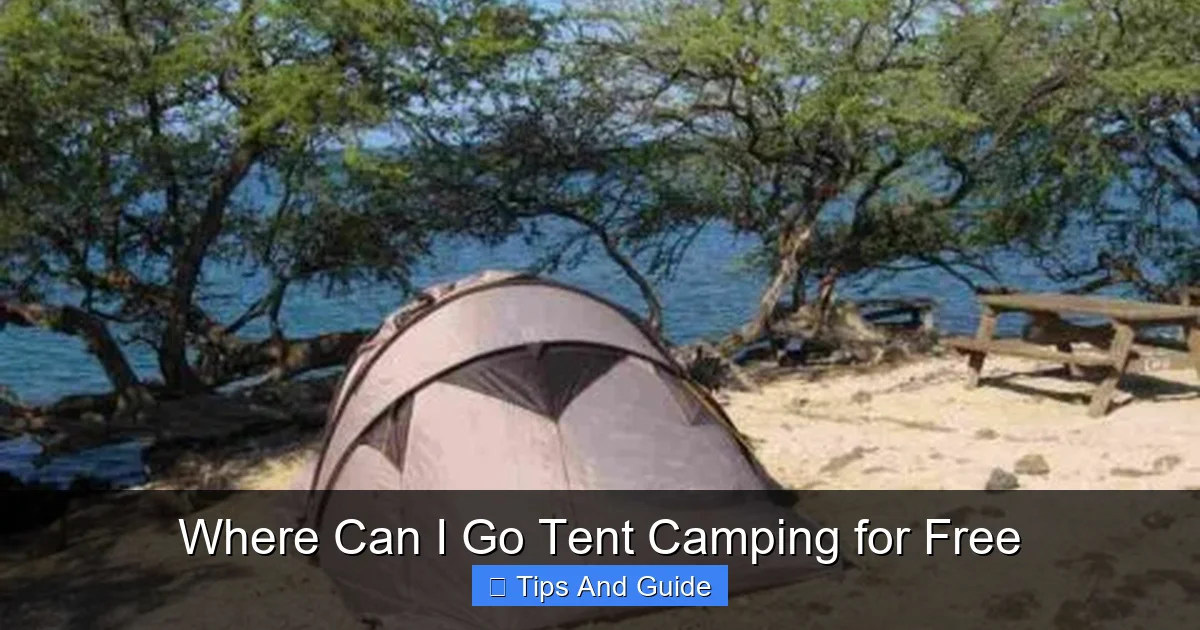
Where Can I Go Tent Camping for Free
Looking to go tent camping for free? You’re in luck—there are thousands of legal, safe, and scenic spots across the U.S. where you can pitch a tent at no cost. From national forests to Bureau of Land Management (BLM) lands, this guide covers the top free camping areas, essential tips, and how to camp responsibly without spending a dime.
Key Takeaways
- Free tent camping is legal on most public lands: National forests, BLM lands, and some state forests allow dispersed camping at no cost.
- Dispersed camping means no amenities: You’ll need to bring your own water, food, and waste management supplies—pack it in, pack it out.
- Use apps and websites to find spots: Tools like FreeRoam, iOverlander, and The Dyrt help locate verified free camping areas.
- Follow Leave No Trace principles: Respect nature by minimizing your impact, staying on durable surfaces, and packing out all trash.
- Avoid private property and restricted zones: Always check local regulations to ensure you’re camping legally and safely.
- Best free camping is often in remote areas: The farther you go from cities, the more likely you’ll find quiet, untouched spots.
- Season and weather matter: Some free campsites are only accessible in dry months—always check road conditions and forecasts.
📑 Table of Contents
- Why Free Tent Camping Is Worth It
- Where to Find Free Tent Camping: Public Lands Are Your Best Bet
- Apps and Websites to Locate Free Camping Spots
- Tips for Safe and Responsible Free Tent Camping
- Best Regions for Free Tent Camping in the U.S.
- What to Bring for a Successful Free Camping Trip
- Final Thoughts: Embrace the Freedom of Free Camping
Why Free Tent Camping Is Worth It
Camping doesn’t have to cost a fortune. In fact, some of the most beautiful and peaceful places to sleep under the stars are completely free. Whether you’re a weekend warrior or a full-time van-lifer, free tent camping offers adventure without the price tag of private campgrounds. You can save money while still enjoying nature’s best views—mountain vistas, quiet lakesides, and star-filled desert skies.
But free doesn’t mean lawless. There are rules, etiquette, and smart strategies to follow so you can enjoy your trip without fines, conflicts, or environmental harm. The key is knowing where to go and how to do it right. With a little planning, you can find safe, legal, and stunning spots to pitch your tent—no reservation or fee required.
Where to Find Free Tent Camping: Public Lands Are Your Best Bet
The majority of free tent camping opportunities in the U.S. are on public lands managed by federal agencies. These areas are open to the public and often allow dispersed camping, which means you can camp outside of designated campgrounds—usually for free.
National Forests
National forests are among the most accessible and scenic places to go tent camping for free. Managed by the U.S. Forest Service, these lands cover over 193 million acres across the country. In most national forests, you can camp for free in dispersed areas as long as you’re at least 100–200 feet from roads, trails, and water sources.
For example, the White Mountain National Forest in New Hampshire offers miles of quiet forest roads where you can pull off and set up camp. Similarly, the Shasta-Trinity National Forest in California has countless hidden spots near lakes and rivers. Just remember: no fires during fire bans, and always check local ranger district rules.
Bureau of Land Management (BLM) Lands
BLM manages over 245 million acres of public land, mostly in the western U.S. These areas are goldmines for free tent camping. BLM lands often include deserts, canyons, and high desert plateaus—perfect for stargazing and solitude.
One popular spot is the Red Rock Canyon National Conservation Area near Las Vegas. While the main campground costs money, you can find free dispersed camping just a few miles away on BLM-managed land. Another favorite is the Mojave Desert in California, where you can camp among Joshua trees and sand dunes—just be prepared for extreme heat in summer.
U.S. Fish and Wildlife Service Refuges
Some wildlife refuges allow free camping, especially in more remote areas. These spots are ideal for birdwatchers and nature lovers. For instance, the Bosque del Apache National Wildlife Refuge in New Mexico offers limited dispersed camping during certain seasons. Always check the refuge website or call ahead—rules vary widely.
Apps and Websites to Locate Free Camping Spots
Finding free tent camping areas used to mean relying on word of mouth or outdated maps. Today, several apps and websites make it easy to discover verified, up-to-date free camping locations.
FreeRoam
FreeRoam is one of the most popular tools for finding free dispersed camping. It uses GPS to show nearby BLM lands, national forests, and other public areas where camping is allowed. Users can filter by amenities, road type, and cell service. The app also includes reviews and photos from other campers.
iOverlander
Originally designed for overlanders and international travelers, iOverlander has become a go-to for free camping in the U.S. It’s community-driven, so users submit and rate campsites. You’ll find everything from desert pull-offs to forest clearings—many with notes on water sources, cell signal, and safety.
The Dyrt and Campendium
While these platforms focus on paid campgrounds, both have robust free camping sections. The Dyrt, in particular, allows users to filter for “free dispersed” sites and includes detailed descriptions and photos. Campendium also offers offline maps, which is helpful when you’re out of cell range.
Tips for Safe and Responsible Free Tent Camping
Free camping is a privilege, not a right. To keep these spaces open and enjoyable for everyone, it’s important to camp responsibly.
Follow Leave No Trace Principles
The seven Leave No Trace principles are your camping bible. Key tips include:
– Camp on durable surfaces like rock, gravel, or dry grass.
– Pack out all trash, including food scraps and toilet paper.
– Never cut live trees or damage vegetation.
– Keep noise levels low, especially at night.
– Respect wildlife—don’t feed animals or approach them.
Be Prepared for No Amenities
Free campsites rarely have restrooms, water, or trash service. Bring a portable toilet or use a trowel to dig a cathole 6–8 inches deep, at least 200 feet from water. Carry all the water you’ll need, or bring a reliable filter if you’re near a clean water source.
Check Local Regulations
Rules vary by location. Some areas limit camping to 14 days per visit, while others require permits even for dispersed camping. Always check with the local ranger district or BLM office before you go. For example, in parts of Utah’s Canyonlands, you need a free permit for backcountry camping.
Stay Safe and Informed
Tell someone your plans, including where you’re going and when you’ll return. Bring a map and compass (or GPS), and know how to use them. Weather can change quickly in remote areas—check forecasts and be ready to leave if conditions worsen.
Best Regions for Free Tent Camping in the U.S.
While free camping exists nationwide, some regions offer more opportunities than others.
The American West
The western U.S. is the epicenter of free tent camping. States like Utah, Colorado, Arizona, Nevada, and Idaho have vast stretches of public land. In Utah, you can camp for free in the Manti-La Sal National Forest or along the San Rafael Swell. In Colorado, the Roosevelt National Forest near Boulder has countless dispersed sites.
The Pacific Northwest
Oregon and Washington are rich in national forests and BLM lands. Try the Gifford Pinchot National Forest in Washington for lush rainforests and volcanic views. In Oregon, the Ochoco National Forest offers quiet meadows and pine groves.
The Southwest Desert
Desert camping is a unique experience—think red rocks, cacti, and endless skies. The Mojave National Preserve in California allows free camping in many areas. Just remember: deserts are fragile ecosystems. Stick to established roads and avoid driving on vegetation.
What to Bring for a Successful Free Camping Trip
Since free campsites lack amenities, your gear list is crucial. Here’s what to pack:
– A sturdy tent with a rainfly
– Sleeping bag and sleeping pad
– Portable stove (campfires may be banned)
– Water containers and filtration system
– Headlamp or flashlight with extra batteries
– First aid kit and emergency whistle
– Map, compass, or GPS device
– Trash bags for packing out waste
Pro tip: Bring a small tarp to place under your tent. It adds insulation and protects your tent floor from rocks and moisture.
Final Thoughts: Embrace the Freedom of Free Camping
Going tent camping for free isn’t just about saving money—it’s about freedom, adventure, and connecting with nature on your own terms. With millions of acres of public land open to dispersed camping, the opportunities are endless. Whether you’re chasing mountain peaks, desert sunsets, or quiet forest trails, there’s a free spot waiting for you.
Just remember: with great freedom comes great responsibility. Follow the rules, respect the land, and leave every campsite better than you found it. That way, future campers—and you—can keep enjoying these incredible places for years to come.
Frequently Asked Questions
Is it legal to camp for free on public lands?
Yes, in most cases. Dispersed camping is allowed on national forests, BLM lands, and some state forests without a fee. However, always check local regulations, as rules can vary by location and season.
Can I camp anywhere in a national forest?
No. You must camp at least 100–200 feet from roads, trails, and water sources. Avoid private property, designated campgrounds (which usually charge fees), and areas with posted restrictions.
Do I need a permit for free dispersed camping?
Usually not, but some areas—especially in popular regions like Utah’s national parks or certain BLM zones—require free permits. Check with the local ranger district before you go.
What if there’s no cell service at my campsite?
That’s common in remote areas. Download offline maps using apps like Gaia GPS or Google Maps. Bring a paper map and compass as backup, and let someone know your itinerary.
Can I have a campfire when camping for free?
It depends. Campfires are often banned during fire season or in dry conditions. Always check local fire restrictions and use a portable stove if fires aren’t allowed.
How long can I stay at a free campsite?
Most areas allow 14–16 days per visit, with a 30-day limit per year. After that, you must move at least 25 miles away. Rules vary, so confirm with the managing agency.