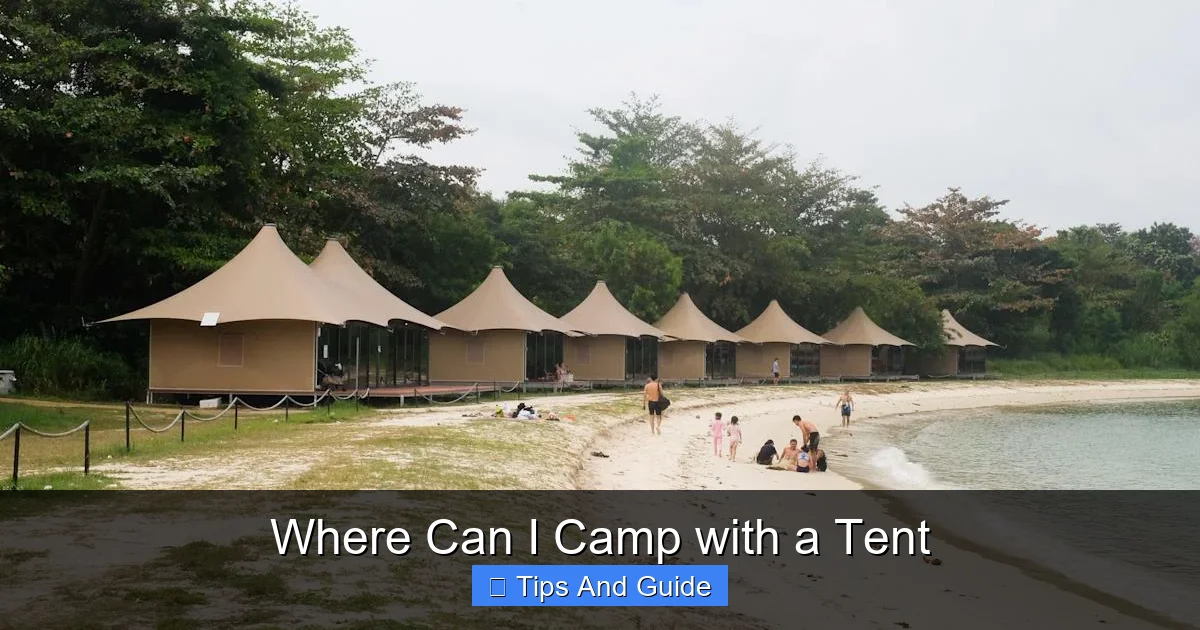
Where Can I Camp with a Tent
Wondering where you can camp with a tent? You’ve got more options than you think—from scenic national parks to free public lands and private campgrounds. This guide breaks down the top spots, rules, and tips to help you find the perfect tent camping destination.
Key Takeaways
- National and state parks offer designated campsites: These are safe, well-maintained, and often include amenities like restrooms and fire rings.
- Public lands allow free dispersed camping: BLM and national forest lands often permit tent camping outside developed sites—just follow Leave No Trace principles.
- Private campgrounds provide comfort and convenience: Ideal for beginners, they offer showers, Wi-Fi, and sometimes even cabins or glamping options.
- Always check local regulations: Permits, fire bans, and seasonal closures can affect where and when you can camp.
- Urban and backyard camping are fun alternatives: Great for testing gear or introducing kids to camping without traveling far.
- Apps and websites help you find legal spots: Tools like The Dyrt, Recreation.gov, and FreeRoam make planning easier.
- Safety and preparation are key: Know the area, pack appropriately, and let someone know your plans.
📑 Table of Contents
- Where Can I Camp with a Tent? A Complete Guide for Every Camper
- 1. National and State Parks: The Classic Choice
- 2. Public Lands: Free and Wild Camping
- 3. Private Campgrounds: Comfort and Convenience
- 4. Backcountry and Wilderness Camping
- 5. Urban and Backyard Camping: Close to Home
- 6. How to Find Legal and Safe Tent Camping Spots
- Safety Tips for Tent Camping
- Conclusion
Where Can I Camp with a Tent? A Complete Guide for Every Camper
So you’ve got your tent, sleeping bag, and a sense of adventure—now where can you actually camp with a tent? Whether you’re a first-timer or a seasoned backpacker, finding the right spot to pitch your tent can make or break your outdoor experience. The good news? There are more legal and exciting places to camp than most people realize.
From lush national parks to remote public lands and cozy private campgrounds, tent camping is more accessible than ever. But it’s not just about finding a pretty view—you also need to know the rules, safety tips, and best practices to camp responsibly. In this guide, we’ll walk you through the top places to camp with a tent, how to find them, and what to expect so you can enjoy a safe, fun, and memorable trip.
1. National and State Parks: The Classic Choice
If you’re looking for a reliable, family-friendly place to camp with a tent, national and state parks are a great starting point. These parks offer designated campsites with basic amenities, making them ideal for beginners or those who want a little more comfort.
What to Expect
Most national parks—like Yosemite, Yellowstone, or Great Smoky Mountains—have established campgrounds with numbered sites, picnic tables, fire rings, and access to restrooms or showers. Reservations are often required and can fill up months in advance, especially during peak seasons.
State parks, such as those in Colorado, Oregon, or Texas, also offer excellent tent camping options. They’re usually less crowded than national parks and often more affordable. For example, Devil’s Lake State Park in Wisconsin has lakeside sites perfect for a weekend getaway.
Tips for Booking
Use Recreation.gov to reserve spots in national parks. For state parks, check your state’s official parks website. Book early—popular sites like those in Acadia or Zion can sell out within minutes of opening reservations.
2. Public Lands: Free and Wild Camping
Want to camp for free and enjoy more solitude? Public lands managed by the Bureau of Land Management (BLM) and U.S. Forest Service are your best bet. These areas often allow dispersed camping, meaning you can pitch your tent almost anywhere outside developed campgrounds.
Where to Find Dispersed Sites
Look for BLM land in the western U.S.—places like Utah’s Moab area, Nevada’s Black Rock Desert, or Montana’s Custer Gallatin National Forest. National forests, such as the Pisgah in North Carolina or the Gifford Pinchot in Washington, also permit tent camping in undeveloped areas.
A great example is the Gunks (Shawangunk Ridge) in New York, where hikers and climbers often camp along the trail in permitted zones. Just remember: dispersed camping is usually allowed up to 14 days in one location, and you must stay at least 200 feet from water sources and trails.
Rules to Follow
Always follow Leave No Trace principles. Pack out all trash, avoid building new fire rings, and use biodegradable soap. Check local fire restrictions—many areas ban campfires during dry seasons. And never camp in restricted zones like private property, protected habitats, or active timber areas.
3. Private Campgrounds: Comfort and Convenience
If you prefer a few more comforts—like hot showers, electric hookups, or even Wi-Fi—private campgrounds are a fantastic option. These range from small family-run sites to large RV parks with tent areas.
What Makes Them Great
Private campgrounds often offer amenities you won’t find in public parks: flush toilets, laundry facilities, playgrounds, and camp stores. Some even have themed weekends, guided hikes, or food trucks. For example, Jellystone Park has locations across the U.S. and Canada, offering family fun with tent sites near pools and mini-golf.
They’re also great for first-time campers or families with young kids. You’ll feel safer with staff on-site and fellow campers nearby. Plus, many are located near attractions like lakes, rivers, or hiking trails.
How to Find Them
Use apps like The Dyrt or Campendium to search for private campgrounds by location, price, and amenities. Read recent reviews to get a sense of cleanliness, noise levels, and site privacy. Booking in advance is still recommended, especially on holidays.
4. Backcountry and Wilderness Camping
For the adventurous soul, backcountry camping offers the ultimate escape. This means hiking or paddling into remote areas and setting up camp far from roads and crowds.
Permits and Preparation
Many wilderness areas require permits, especially in popular spots like the Grand Canyon, Glacier National Park, or the Adirondacks. These help manage visitor impact and protect fragile ecosystems. Apply early—some permits are issued via lottery.
You’ll need lightweight gear, a good map, and solid navigation skills. Always carry a water filter, first-aid kit, and bear canister if required. For example, in Yosemite’s backcountry, you must store food properly to avoid attracting bears.
Leave No Trace Is Essential
In the backcountry, your impact matters more than ever. Camp on durable surfaces like rock or gravel, not on vegetation. Bury human waste 6–8 inches deep and at least 200 feet from water. And never leave food scraps behind—even apple cores can harm wildlife.
5. Urban and Backyard Camping: Close to Home
Not ready for a long trip? Urban and backyard camping are fun, low-pressure ways to enjoy tent camping without going far.
City Parks and Campgrounds
Some cities have designated campgrounds within city limits. For example, San Francisco’s Rob Hill Campground in the Presidio offers tent sites with bay views. Portland, Oregon, has several urban campgrounds near parks and trails.
Check local regulations—many cities require permits or have noise restrictions. But for a quick escape, they’re perfect.
Backyard Camping: Fun for All Ages
Pitch a tent in your backyard for a fun family night under the stars. It’s a great way to test gear, tell stories, or introduce kids to camping. Add string lights, a projector for stargazing, or a DIY s’mores station for extra fun.
Even apartment dwellers can try “balcony camping” with a small tent or hammock. It’s cozy, safe, and a great conversation starter.
6. How to Find Legal and Safe Tent Camping Spots
With so many options, how do you find the right place to camp with a tent? The key is using the right tools and doing a little research.
Use Camping Apps and Websites
Apps like The Dyrt, Campendium, and FreeRoam let you filter by tent-only sites, amenities, and user ratings. FreeRoam is especially useful for finding free dispersed camping on public lands.
Recreation.gov is essential for booking national and state park sites. For international travelers, platforms like Hipcamp (available in the U.S., U.K., and Australia) connect you with private landowners offering unique camping experiences—from vineyards to mountain meadows.
Check Local Rules and Conditions
Always verify current conditions before you go. Check for fire bans, trail closures, or wildlife activity. Visit the official website of the land manager—whether it’s the National Park Service, BLM, or a state agency.
Call ahead if you’re unsure. Rangers and campground hosts are usually happy to help with advice on the best sites, water sources, and safety tips.
Safety Tips for Tent Camping
No matter where you camp, safety should always come first. Here are a few essential tips:
- Tell someone your plans: Share your itinerary, expected return time, and location with a friend or family member.
- Pack a first-aid kit: Include bandages, antiseptic, tweezers, and any personal medications.
- Know the weather: Check the forecast and be prepared for sudden changes—especially in mountains or deserts.
- Store food properly: Use bear-proof containers or hang food in a tree if required. Never keep food in your tent.
- Stay hydrated: Bring enough water or a reliable filtration system.
Conclusion
So, where can you camp with a tent? The answer is: almost anywhere—if you know where to look and follow the rules. From the well-maintained sites of national parks to the wild freedom of public lands, there’s a perfect spot for every kind of camper.
Whether you’re seeking solitude in the backcountry, comfort at a private campground, or a fun night in your own backyard, tent camping offers endless possibilities. Just remember to plan ahead, respect nature, and prioritize safety.
Grab your tent, pack your sense of adventure, and start exploring. The great outdoors is waiting—and now you know exactly where to set up camp.
Frequently Asked Questions
Can I camp with a tent on public land for free?
Yes, in many cases. BLM and national forest lands often allow free dispersed camping outside developed campgrounds. Just check local rules, avoid restricted areas, and follow Leave No Trace principles.
Do I need a permit to camp in a national park?
Most national parks require a reservation for designated campsites, and some backcountry areas need permits. Use Recreation.gov to book sites and apply for permits well in advance.
Is it safe to camp alone with a tent?
It can be, with proper preparation. Choose well-known areas, tell someone your plans, carry safety gear, and avoid risky locations. Start with established campgrounds if you’re new to solo camping.
Can I camp with a tent in the city?
Yes, in some urban campgrounds or city parks. Check local regulations—many cities allow camping in designated areas, especially in parks or recreation zones.
What’s the best app to find tent camping spots?
The Dyrt and Campendium are excellent for finding both paid and free sites. FreeRoam is great for discovering dispersed camping on public lands.
Can I camp with a tent in my backyard?
Absolutely! Backyard camping is a fun, safe way to enjoy the outdoors at home. Just make sure you’re not violating any local ordinances or HOA rules.