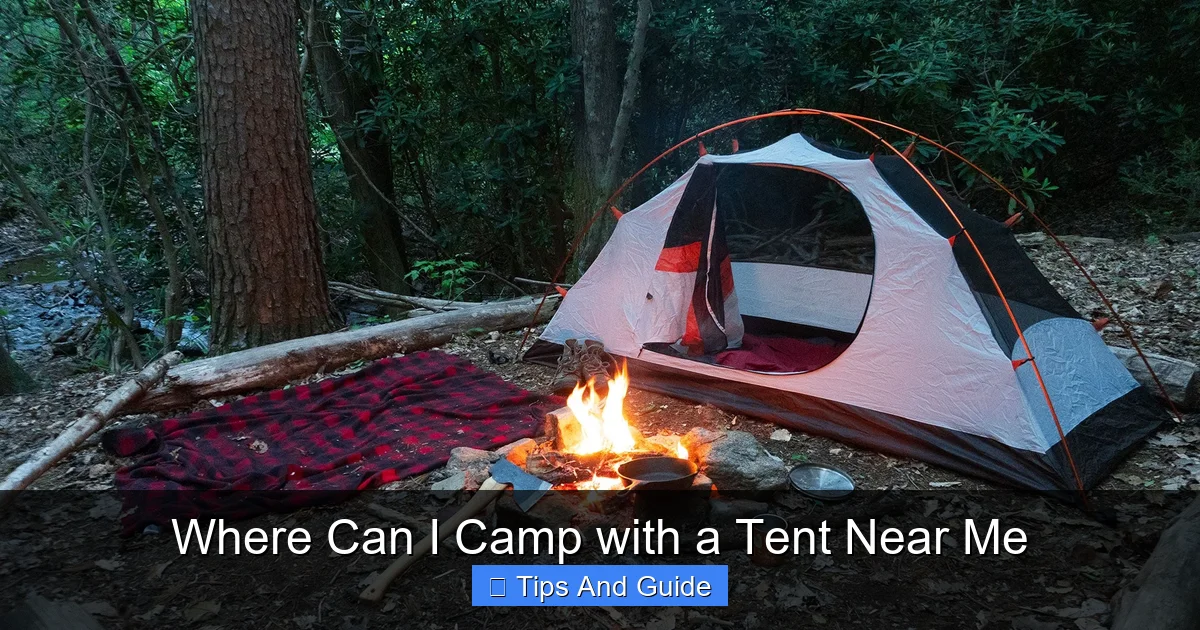
Where Can I Camp with a Tent Near Me
Looking for the perfect spot to pitch your tent? Whether you’re near a city or deep in nature, there are countless places to camp with a tent near you. From public campgrounds to free dispersed sites, this guide helps you find safe, legal, and scenic locations for your next outdoor escape.
Key Takeaways
- Use online tools like AllTrails and Recreation.gov: These platforms help you find nearby campgrounds, check availability, and read real camper reviews.
- Public lands offer free or low-cost camping: National forests, BLM lands, and state parks often allow tent camping with minimal fees or permits.
- Always follow Leave No Trace principles: Respect nature by packing out trash, minimizing campfire impact, and staying on designated trails.
- Check local regulations and fire restrictions: Rules vary by location—some areas require permits or ban campfires during dry seasons.
- Consider proximity to water and amenities: Choose sites near restrooms, drinking water, or scenic views based on your comfort level and trip goals.
- Weekdays and off-seasons offer quieter experiences: Avoid crowds by camping midweek or during shoulder seasons like spring and fall.
- Tell someone your plans and pack essentials: Safety first—always share your itinerary and bring a first-aid kit, map, and weather-appropriate gear.
📑 Table of Contents
Where Can I Camp with a Tent Near Me? Your Complete Guide
So you’ve got your tent, sleeping bag, and a craving for fresh air—now what? Finding the perfect spot to camp with a tent near you doesn’t have to be overwhelming. Whether you’re a weekend warrior or a first-time camper, there are plenty of accessible, beautiful, and legal places to pitch your tent within driving distance of most cities and towns.
Camping isn’t just about escaping the hustle—it’s about reconnecting with nature, unplugging from screens, and enjoying simple pleasures like stargazing and morning coffee by a campfire. The good news? You don’t need to drive for hours to find a great spot. With a little research and the right tools, you can discover hidden gems just a short trip from home.
Start with Public Lands and National Parks
One of the best places to camp with a tent near you is on public lands managed by federal or state agencies. These areas are designed for outdoor recreation and often offer well-maintained campgrounds with basic amenities.
National Parks
National parks like Yosemite, Yellowstone, or the Great Smoky Mountains are iconic camping destinations. While some require advance reservations (especially during peak season), many have first-come, first-served sites. Even if you don’t get a spot in the main campground, nearby national forests often allow dispersed camping—more on that below.
For example, if you’re near Denver, Rocky Mountain National Park offers stunning alpine views and multiple campgrounds. Just remember: reservations fill up fast, so book early or aim for weekdays.
State Parks
State parks are often overlooked but are fantastic for tent camping. They’re usually closer to urban areas and offer a balance of nature and convenience. Many have restrooms, picnic tables, and fire rings—perfect for families or beginners.
Try searching your state’s official parks website. For instance, California State Parks has over 130 campgrounds, while Texas State Parks offers everything from lakeside sites to desert escapes. Most charge a small nightly fee ($15–$35), and you can often reserve online.
National Forests and BLM Lands
If you’re looking for free or low-cost camping, head to national forests or Bureau of Land Management (BLM) areas. These public lands often allow dispersed camping—meaning you can camp for free in undeveloped areas, as long as you follow the rules.
For example, if you’re near Portland, Oregon, the Mount Hood National Forest has miles of forest roads where you can legally camp with a tent. Just make sure you’re at least 100–200 feet from water sources and roads, and always pack out what you pack in.
Use Apps and Websites to Find Campsites
Gone are the days of flipping through paper maps. Today, a few smart apps can help you find the perfect tent camping spot near you—fast.
AllTrails and The Dyrt
AllTrails isn’t just for hiking—it also lists campgrounds with photos, reviews, and GPS coordinates. You can filter by distance, amenities, and difficulty. The Dyrt is another favorite among campers, offering detailed campground info, user photos, and even a “camping near me” feature.
Try searching “tent camping near me” on either app, and you’ll see options within 10, 25, or 50 miles. Many listings include tips like “quiet after 9 p.m.” or “great for stargazing.”
Recreation.gov
This is the official site for booking campsites in national parks, forests, and other federal lands. You can search by location, date, and activity. It’s especially useful for reserving spots in popular areas like Glacier National Park or Zion.
Pro tip: Set up alerts for cancellations. Popular sites often open up last-minute, and you can snag a prime spot with a little patience.
Free Camping Apps
Apps like FreeCampsites.net and iOverlander list free dispersed camping areas, rest stops, and even Walmart parking lots (with permission). These are great for road trips or when you just need a safe place to sleep for one night.
Just remember: free doesn’t mean no rules. Always check local regulations and leave the area cleaner than you found it.
Consider Dispersed and Backcountry Camping
If you’re up for a more rugged experience, dispersed or backcountry camping might be for you. These options let you camp off the beaten path—often for free—with fewer people and more solitude.
What Is Dispersed Camping?
Dispersed camping means setting up your tent in undeveloped areas on public land, usually in national forests or BLM areas. There are no assigned sites, no fees, and no amenities—just you, your gear, and nature.
For example, if you’re near Moab, Utah, you can camp for free in the Manti-La Sal National Forest. Just follow the “14-day stay limit” rule and avoid sensitive habitats.
Backcountry Camping
Backcountry camping involves hiking into remote areas, often with a permit. It’s ideal for experienced campers who want true isolation. Many national parks require a backcountry permit, which you can get online or at ranger stations.
Yosemite, for instance, offers wilderness permits for overnight hikes. You’ll need to plan your route, carry all your supplies, and be prepared for changing weather.
Check Local Regulations and Permits
Before you head out, always check the rules. Camping regulations vary widely by location, and breaking them can result in fines or being asked to leave.
Permits and Fees
Some areas require a permit for overnight stays, even for dispersed camping. For example, parts of the Angeles National Forest near Los Angeles require a free “Adventure Pass” for parking and camping.
Always check the official website of the land manager—whether it’s the National Park Service, U.S. Forest Service, or a state agency.
Fire Restrictions and Quiet Hours
During dry seasons, many areas ban campfires due to wildfire risk. Always check current fire restrictions before bringing a stove or firewood.
Also, respect quiet hours—usually from 10 p.m. to 6 a.m.—to keep the peace with other campers and wildlife.
Tips for a Safe and Enjoyable Tent Camping Trip
Finding the right spot is just the beginning. Here’s how to make your trip safe, comfortable, and fun.
Pack the Essentials
Bring the 10 essentials: tent, sleeping bag, sleeping pad, headlamp, first-aid kit, map, water, food, fire starter, and extra clothes. Don’t forget a tarp to put under your tent for extra protection.
Test Your Gear at Home
Set up your tent in the backyard before you go. This helps you spot missing parts and ensures you know how to pitch it quickly.
Choose the Right Spot
Look for level ground, away from dead trees, rivers, and animal trails. Avoid low areas that could flood if it rains.
Leave No Trace
Pack out all trash, bury human waste 6–8 inches deep and 200 feet from water, and don’t disturb plants or wildlife. Leave the campsite better than you found it.
Tell Someone Your Plans
Let a friend or family member know where you’re going and when you’ll return. Carry a charged phone or satellite communicator in case of emergencies.
Conclusion
So, where can you camp with a tent near you? The answer is: probably closer than you think. From national parks to free dispersed sites, there are countless options for every type of camper. Use online tools to find nearby spots, respect local rules, and always prioritize safety and sustainability.
Whether you’re escaping for a night or a week, tent camping offers a simple, rewarding way to experience the outdoors. So grab your gear, pick a spot, and get ready to unplug, unwind, and wake up to the sound of birds—not your alarm clock.
Frequently Asked Questions
Can I camp for free near me?
Yes, many public lands like national forests and BLM areas allow free dispersed camping. Just make sure you follow local rules and leave no trace.
Do I need a permit to camp in a national park?
Some national parks require reservations or permits for overnight stays. Check the park’s official website before you go to avoid surprises.
Is it safe to camp alone?
Camping alone can be safe if you prepare well. Tell someone your plans, carry emergency gear, and choose well-known, populated campgrounds for your first solo trip.
What’s the difference between a campground and dispersed camping?
Campgrounds have designated sites with amenities like restrooms and fire rings. Dispersed camping is free, undeveloped camping on public land with no facilities.
Can I camp in my backyard?
Yes, as long as local ordinances allow it. It’s a great way to practice camping skills and enjoy a night under the stars without leaving home.
What should I do if it rains while camping?
Pitch your tent on high ground, use a tarp, and keep gear dry in waterproof bags. Stay calm—rain is part of the adventure, and a good rainfly makes all the difference.