What You Need to Camp in a Tent
Camping in a tent is one of the most rewarding ways to connect with nature, but it requires the right gear and preparation. From choosing the perfect tent to packing smart essentials like sleeping gear and cooking tools, knowing what you need to camp in a tent ensures comfort, safety, and fun. Whether you’re a beginner or a seasoned camper, this guide covers everything you need for a successful outdoor experience.
Key Takeaways
- Tent selection matters: Choose a weather-appropriate, properly sized tent with a rainfly and sturdy poles for durability and protection.
- Sleeping gear is essential: A quality sleeping bag, sleeping pad, and pillow are crucial for warmth and comfort through the night.
- Lighting and power keep you safe: Headlamps, lanterns, and portable chargers ensure visibility and device functionality after dark.
- Cooking supplies simplify meals: A camp stove, fuel, utensils, and easy-to-prepare food make outdoor dining convenient and enjoyable.
- Clothing and footwear should match the weather: Layered, moisture-wicking clothes and sturdy shoes keep you dry and comfortable in changing conditions.
- Practice setup before you go: Test your tent and gear at home to avoid frustration and save time at the campsite.
- Pack smart and stay organized: Use packing cubes, dry bags, and a checklist to keep gear accessible and protected from the elements.
📑 Table of Contents
Choosing the Right Tent for Your Adventure
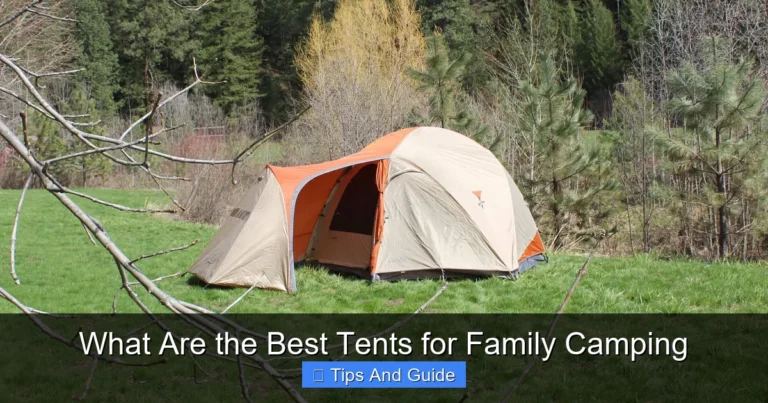
When it comes to camping, your tent is your home away from home. Picking the right one can mean the difference between a cozy, restful night and a soggy, uncomfortable ordeal. Start by considering the season and weather conditions you’ll face. A three-season tent works great for spring, summer, and fall, but if you’re planning a winter trip, you’ll need a four-season tent designed to handle snow and strong winds. For more on cold-weather camping, check out our guide on how to winter camp in a tent.
Size and Capacity
Tents are labeled by the number of people they can sleep—like 2-person or 4-person—but don’t assume those numbers reflect comfort. A 2-person tent often fits two people with minimal gear. If you’re sharing with a partner or bringing a dog, consider sizing up. Look for tents with vestibules—covered areas outside the main entrance—to store boots, backpacks, and wet gear without tracking dirt inside.
Weather Resistance and Ventilation
A good tent should keep you dry and comfortable. Make sure it includes a full-coverage rainfly, sealed seams, and a bathtub-style floor (where the floor material wraps up the sides slightly) to prevent water from seeping in. At the same time, ventilation is key—mesh panels and adjustable vents reduce condensation and keep air flowing. If you’re camping in rainy conditions, learn the best way to set up a tent in the rain to stay dry from the start.
Sleeping Gear for Comfort and Warmth
A great night’s sleep is essential for enjoying your camping trip. Even in mild weather, the ground can be cold and uneven, so investing in quality sleeping gear is a must. Your sleeping system includes three main components: the sleeping bag, sleeping pad, and pillow.
Sleeping Bags: Match Them to the Climate
Sleeping bags are rated by temperature—choose one that matches the lowest expected temperature at your campsite. For summer trips, a 40°F (4°C) bag is usually sufficient. For cooler nights, go for a 20°F (-6°C) or lower rating. Down bags are lightweight and pack small but lose insulation when wet. Synthetic bags are bulkier but perform better in damp conditions. For tips on staying warm, see our article on the best way to stay warm in a tent.
Sleeping Pads: Your Hidden Comfort Hero
Sleeping pads do more than cushion your body—they insulate you from the cold ground. Inflatable pads offer excellent comfort and packability, while foam pads are durable and never leak. Look for an R-value (a measure of insulation) of at least 2.0 for three-season camping and 4.0 or higher for winter. Pairing a sleeping bag with a quality pad ensures you stay warm and well-rested.
Pillows: Small but Mighty
Don’t underestimate the power of a good pillow. Inflatable camping pillows are compact and lightweight, or you can stuff a small sack with clothes for a DIY option. A proper pillow supports your neck and improves sleep quality, especially on uneven ground.
Lighting and Power: Stay Safe After Dark
Once the sun goes down, having reliable lighting is crucial for safety and convenience. Whether you’re cooking, reading, or navigating to the restroom, good lighting makes all the difference.
Headlamps: Hands-Free Illumination
A headlamp is one of the most useful tools in your pack. It keeps your hands free for setting up camp, cooking, or reading. Look for one with adjustable brightness and a red light mode—red light preserves night vision and doesn’t disturb others. Bring extra batteries or choose a rechargeable model.
Portable Lanterns for Ambient Light
For ambient lighting inside or around your tent, a battery-powered lantern is ideal. Some models are collapsible and USB-rechargeable, making them easy to pack and eco-friendly. Hang one inside your tent for a cozy glow or place it on a picnic table for evening meals.
Power Banks for Devices
Even if you’re unplugging from technology, a power bank can be a lifesaver for emergencies. Charge your phone, GPS, or camera before you leave, and keep the power bank in a dry, accessible spot. Solar chargers are another option for longer trips, though they depend on sunlight.
Cooking and Food Essentials
Eating well while camping doesn’t have to mean complicated meals. With the right tools and planning, you can enjoy delicious, satisfying food in the great outdoors.
Camp Stoves and Fuel
A portable camp stove is the easiest way to cook meals. Propane and butane stoves are reliable and quick to set up. For backpacking, consider a lightweight canister stove. Always bring extra fuel and check that your stove works before you leave. Never use a stove inside your tent—carbon monoxide buildup can be deadly.
Cookware and Utensils
A basic cookset includes a pot, pan, and utensils. Look for nesting sets that save space. Don’t forget a spatula, spoon, and knife. For cleanup, pack biodegradable soap, a small sponge, and a collapsible sink. Store food in bear-proof containers or hang it from a tree if you’re in bear country.
Easy Meal Ideas
Keep meals simple: oatmeal for breakfast, sandwiches or wraps for lunch, and one-pot dinners like pasta or chili for dinner. Pre-chop ingredients at home and store them in labeled bags. Bring snacks like trail mix, granola bars, and fruit to keep energy levels up.
Clothing and Footwear: Dress for the Elements
What you wear while camping is just as important as your gear. The key is layering—wearing multiple lightweight layers that you can add or remove as temperatures change.
Base, Mid, and Outer Layers
Start with a moisture-wicking base layer (like merino wool or synthetic fabric) to keep sweat away from your skin. Add an insulating mid-layer, such as a fleece or down jacket, for warmth. Top it off with a waterproof and windproof outer shell to protect against rain and wind. Avoid cotton—it retains moisture and can make you cold.
Footwear That Supports Your Feet
Sturdy hiking boots or trail shoes provide ankle support and grip on uneven terrain. Break them in before your trip to avoid blisters. Bring extra socks—wool or synthetic blends keep feet dry and warm. Sandals or camp shoes are great for relaxing at the site.
Rain Gear and Extras
Even if the forecast looks clear, pack a lightweight rain jacket and pants. A wide-brimmed hat, sunglasses, and sunscreen protect against sun exposure. Don’t forget gloves and a warm hat for chilly mornings or evenings.
Packing and Organizing Your Gear
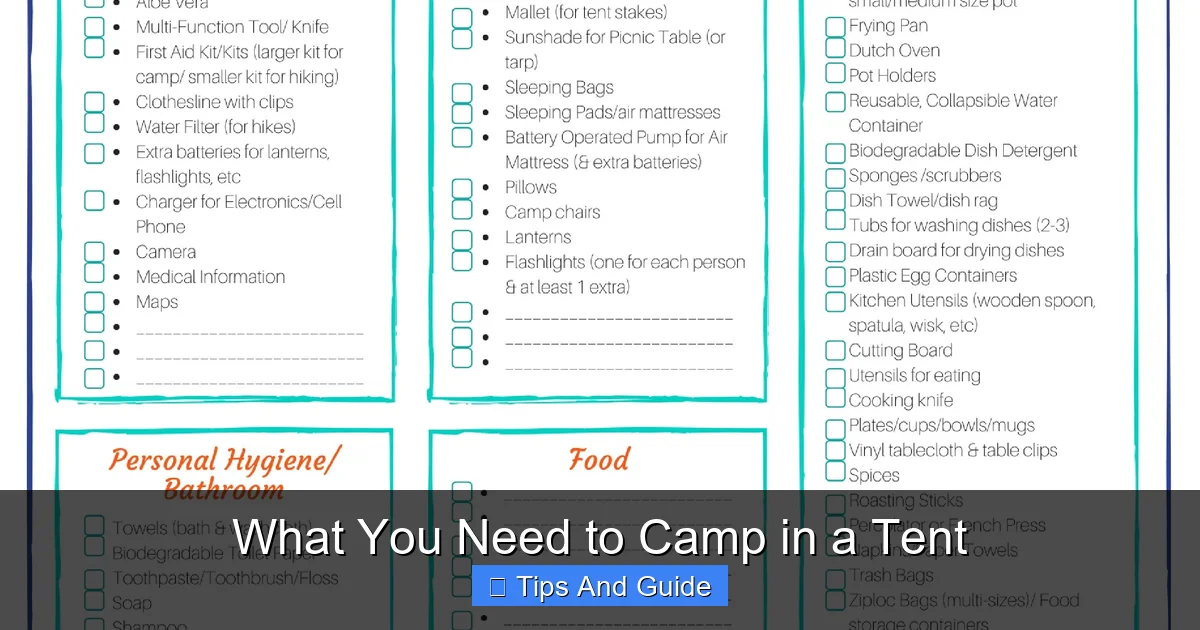
An organized pack saves time, reduces stress, and helps you find what you need quickly. Use a checklist to ensure nothing is forgotten.
Use Packing Cubes and Dry Bags
Packing cubes keep clothes neat and separated by type. Dry bags protect electronics, sleeping bags, and extra clothes from moisture. Label bags for easy identification.
Practice Setting Up Your Tent
Before your trip, practice pitching your tent at home. This helps you learn the process and catch any missing parts. It also builds confidence so you can set up quickly at the campsite—even in low light or bad weather.
Leave No Trace Principles
Respect nature by following Leave No Trace principles: pack out all trash, minimize campfire impact, and camp on durable surfaces. Store food securely to avoid attracting wildlife.
Conclusion
Knowing what you need to camp in a tent sets the foundation for a safe, comfortable, and enjoyable outdoor experience. From selecting the right tent and sleeping gear to packing smart clothing and cooking essentials, preparation is key. With the right tools and a bit of practice, you’ll be ready to embrace the beauty of nature—rain or shine. So gather your gear, check the weather, and head out with confidence. Your next adventure awaits!
Frequently Asked Questions
What is the most important thing to bring when camping in a tent?
The most important thing is a reliable, weather-appropriate tent with a rainfly and proper stakes. Without shelter, you’re exposed to the elements, which can quickly turn a fun trip into a dangerous situation.
Can I use a regular sleeping bag for camping?
Yes, but make sure it’s rated for the expected temperatures. Regular sleeping bags may not insulate well against cold ground, so always use a sleeping pad underneath for warmth and comfort.
Do I need a camp stove, or can I cook over a fire?
A camp stove is convenient and reliable, especially in areas where fires are restricted. If you do cook over a fire, ensure it’s allowed and always fully extinguish it before leaving.
How do I keep my tent from getting wet inside?
Keep the tent zipped, avoid bringing wet gear inside, and use a footprint or tarp under the tent. Proper ventilation also reduces condensation, which can make the interior damp.
What should I do if it rains while I’m camping?
Stay in your tent, keep gear dry with tarps or dry bags, and avoid walking on wet tent floors. If you’re setting up in the rain, learn how to set up a tent in the rain to minimize moisture inside.
Can I camp in a tent with my dog?
Absolutely! Just make sure your dog is comfortable in the tent and bring a blanket or bed for them. Check out our guide on how to tent camp with a dog for tips on keeping your pup safe and happy.