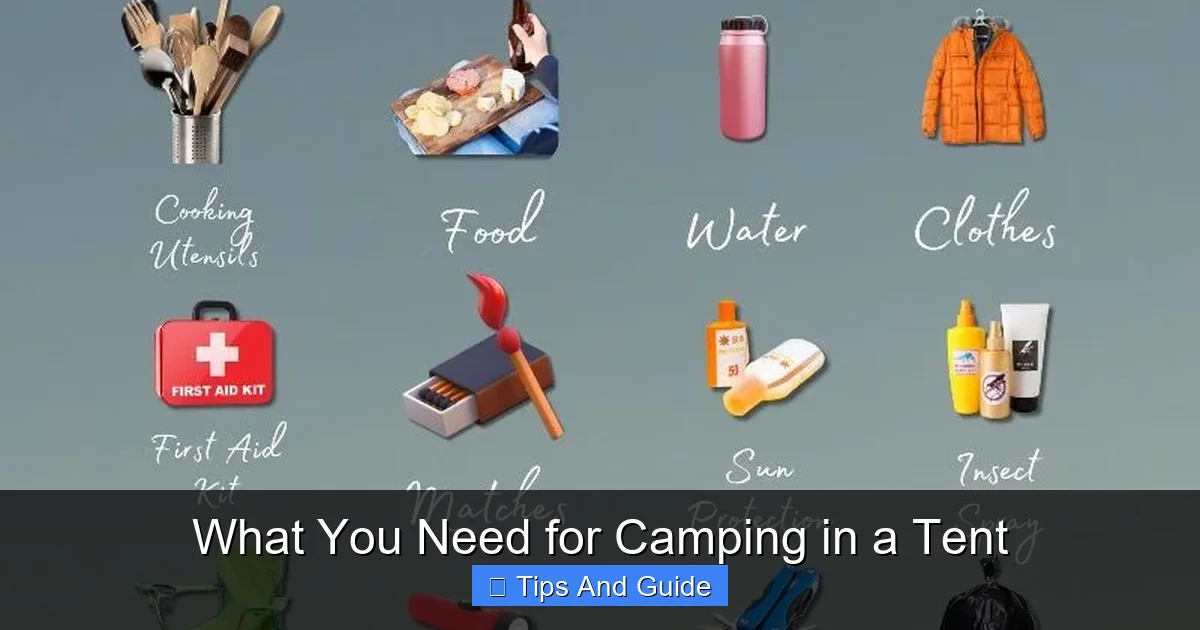
What You Need for Camping in a Tent
Camping in a tent is a rewarding way to connect with nature, but it requires the right gear and preparation. Whether you’re a beginner or a seasoned camper, knowing what you need for camping in a tent ensures comfort, safety, and fun. This guide covers everything from tents and sleeping gear to cooking tools and weather protection.
Camping in a tent is one of the most authentic ways to experience the great outdoors. Whether you’re escaping to a national park, setting up by a serene lake, or enjoying a weekend in the woods, a tent provides shelter, privacy, and a cozy home base. But before you pitch that first stake, it’s important to know exactly what you need for camping in a tent. The right gear can mean the difference between a miserable night and a restful, memorable adventure.
Many first-time campers make the mistake of underestimating the essentials. They might forget a sleeping pad and wake up cold, or skip a rainfly and get soaked in a storm. That’s why planning ahead is key. This guide walks you through every category of gear you’ll need—from the tent itself to the small details that make camping enjoyable. Whether you’re heading out for a solo trip or bringing the whole family, we’ve got you covered.
Key Takeaways
- Choose the right tent: Match size, weight, and weather resistance to your camping style—car camping vs. backpacking.
- Sleep comfortably: Use a quality sleeping bag, sleeping pad, or air mattress for insulation and support.
- Pack smart cooking gear: Bring a portable stove, fuel, utensils, and easy-to-prepare meals.
- Stay safe and visible: Carry a first-aid kit, headlamp, and emergency whistle for unexpected situations.
- Dress for the weather: Layer clothing and bring rain gear to handle changing conditions.
- Keep your tent dry: Use a footprint and practice good ventilation to prevent condensation.
- Plan for comfort: Add extras like camp chairs, lanterns, and a small table for a better experience.
📑 Table of Contents
1. The Tent: Your Home Away from Home
The tent is the heart of your camping setup. It protects you from wind, rain, insects, and curious wildlife. When choosing a tent, consider three main factors: size, weight, and weather resistance.
Size Matters
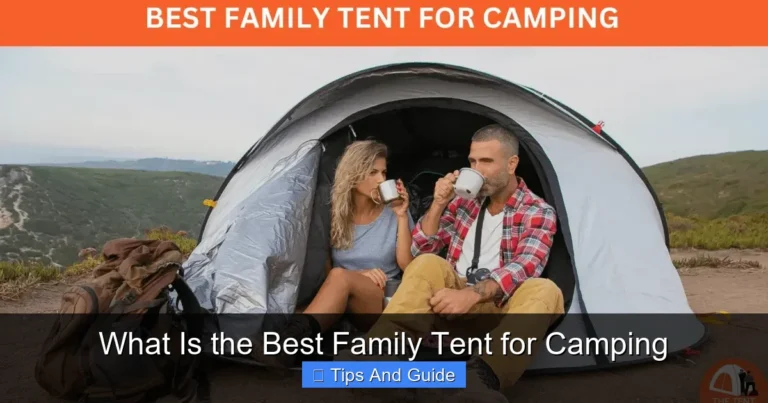
Tents are labeled by the number of people they can sleep—like 2-person or 4-person—but these numbers can be optimistic. A 2-person tent often fits two people with gear, but feels tight. For comfort, consider sizing up. If you’re camping with a partner, a 3-person tent gives you extra space. Families should look for larger options, such as a best camping tent for a family of 4 that includes room for gear and movement.
Weight and Portability
If you’re backpacking, every ounce counts. Ultralight tents made from ripstop nylon are ideal for long hikes. But if you’re car camping, weight is less of a concern. You can opt for heavier, more durable models with extra features like multiple doors, vestibules, and standing height. A best camping tent you can stand up in makes changing clothes and moving around much easier.
Weather Resistance
Look for a tent with a waterproof rainfly, sealed seams, and a bathtub-style floor. These features keep you dry during unexpected downpours. For winter camping, consider a four-season tent designed to handle snow and strong winds. Always check the tent’s hydrostatic head rating—higher numbers mean better water resistance.
2. Sleeping System: Rest Easy Under the Stars
A good night’s sleep is crucial when camping. Without proper insulation and support, you’ll wake up stiff, cold, and miserable. Your sleeping system includes three key components: sleeping bag, sleeping pad, and pillow.
Sleeping Bag
Choose a bag rated for the lowest temperature you expect. A 20°F bag is great for summer, but winter campers need something rated for 0°F or lower. Down bags are lightweight and compressible but lose insulation when wet. Synthetic bags are bulkier but perform better in damp conditions. For added warmth, consider a how to stay warm while camping in a tent guide that covers layering and heat retention tips.
Sleeping Pad or Air Mattress
The ground is cold and uneven. A sleeping pad provides insulation and cushioning. Foam pads are affordable and durable, while inflatable pads offer more comfort. For car campers, an air mattress can feel like home. Check out the best air mattress for tent camping for models that fit well inside tents and stay inflated all night.
Pillow and Extras
Don’t forget a small camping pillow or use a stuff sack filled with clothes. Some air mattresses come with built-in pillows. For extra comfort, bring a lightweight blanket or sleeping bag liner.
3. Cooking and Food Essentials
Eating well while camping boosts energy and morale. You don’t need a full kitchen, but a few smart tools make meal prep easy and safe.
Portable Stove and Fuel
A compact camping stove is a must. Propane or butane stoves are reliable and easy to use. Bring extra fuel canisters—better to have too much than run out. For backpackers, alcohol or wood-burning stoves save weight.
Cookware and Utensils
Pack a lightweight pot, pan, and utensils. Collapsible silicone bowls and sporks save space. A small cutting board and knife help with food prep. Don’t forget a mug for coffee or tea.
Food and Storage
Bring non-perishable, easy-to-cook meals like oatmeal, pasta, or dehydrated backpacking food. Use airtight containers or bear-proof canisters to store food away from your tent. Follow local regulations—some areas require bear bags or lockers.
4. Lighting and Power
When the sun goes down, you’ll need light to move around, cook, and relax.
Headlamps and Flashlights
A headlamp keeps your hands free for setting up camp or reading. LED models are bright and energy-efficient. Bring extra batteries or choose rechargeable options. A small flashlight is a good backup.
Camp Lanterns
String lights or battery-powered lanterns create a cozy atmosphere. Some models clip to tent poles or hang from the ceiling. Solar-powered lanterns are eco-friendly and perfect for sunny campsites.
Power Sources
If you need to charge phones or GPS devices, bring a portable power bank. For longer trips, consider a solar charger. Avoid running electronics inside the tent unless necessary—battery life lasts longer in cooler temps.
5. Clothing and Personal Items
Dressing smart keeps you comfortable in changing weather.
Layering System
Use the three-layer system: base (moisture-wicking), mid (insulating), and outer (weatherproof). Avoid cotton—it stays wet and makes you cold. Wool and synthetic fabrics dry fast and retain warmth.
Rain Gear
Pack a lightweight rain jacket and pants. Even in summer, mountain weather can change fast. Waterproof boots with good traction prevent slips on muddy trails.
Personal Care
Bring biodegradable soap, toothbrush, toilet paper, and a small towel. Use a trowel to dig a cathole for waste—follow Leave No Trace principles. Hand sanitizer and wet wipes are handy when water is scarce.
6. Safety and Extras
Preparation prevents problems. A few extra items can save your trip.
First-Aid Kit
Include bandages, antiseptic, pain relievers, tweezers, and any personal medications. Know basic first aid and carry a small guidebook.
Navigation Tools
Even on marked trails, it’s easy to get turned around. Bring a map, compass, and GPS device. Tell someone your plans and expected return time.
Fire and Emergency Gear
Pack waterproof matches, a lighter, and a fire starter. A whistle and signal mirror help in emergencies. For cold weather, consider a small tent heater—but only use it safely outside the tent.
Comfort Extras
Camp chairs, a foldable table, and a tarp for shade or rain protection improve comfort. A small book, cards, or journal adds fun. For families, bring games or a frisbee.
Conclusion
Camping in a tent doesn’t have to be complicated. With the right gear and a bit of planning, you can enjoy a safe, comfortable, and unforgettable outdoor experience. Start with a reliable tent, build a cozy sleeping system, and pack smart for cooking and safety. Remember, the goal is to unplug, unwind, and connect with nature.
Don’t forget the small things—like a warm drink at sunset or the sound of crickets at night. These moments make camping special. So gather your gear, check the forecast, and head out with confidence. Whether you’re exploring a forest trail or relaxing by a quiet lake, knowing what you need for camping in a tent ensures every trip is a success.
Frequently Asked Questions
What is the most important item for camping in a tent?
The tent itself is the most important item—it provides shelter from weather and wildlife. Without a good tent, other gear won’t matter much. Choose one that fits your group size and weather conditions.
Do I need a sleeping pad if I have an air mattress?
An air mattress offers comfort, but it doesn’t insulate well from the cold ground. For better warmth, use a foam pad underneath or choose an insulated air mattress designed for camping.
Can I cook inside my tent?
No, never cook inside a tent. Open flames and stoves produce carbon monoxide and can start fires. Always cook outside, at least 20 feet from your tent, and use a designated cooking area.
How do I keep my tent dry in the rain?
Use a waterproof rainfly, set up on high ground, and place a footprint under the tent. Keep wet gear outside and avoid bringing damp clothes inside. Good ventilation also reduces condensation.
What should I do if my tent leaks?
Apply seam sealer before your trip to prevent leaks. If it leaks during camping, use waterproof tape or a repair patch. Dry the tent thoroughly when you get home to avoid mold.
Is it safe to camp alone in a tent?
Yes, but take extra precautions. Tell someone your location and return time, carry a whistle and phone, and choose a well-marked, populated campsite. Trust your instincts and stay aware of your surroundings.