What to Take Tent Camping
Knowing what to take tent camping can make or break your outdoor experience. From shelter essentials to food and safety gear, packing smart ensures comfort, safety, and fun. This guide covers everything you need—so you don’t forget the little things that matter most.
Key Takeaways
- Shelter and sleep gear are non-negotiable: Your tent, sleeping bag, and sleeping pad form the foundation of a good night’s rest.
- Pack layers for weather flexibility: Weather changes fast outdoors—bring clothing for warmth, rain, and sun protection.
- Food and cooking supplies need planning: Bring easy-to-prepare meals, a stove, fuel, and proper storage to keep food safe and critters away.
- Lighting and power keep you safe at night: Headlamps, lanterns, and portable chargers are essential for visibility and device use.
- Don’t skip hygiene and first aid: Basic toiletries, hand sanitizer, and a well-stocked first aid kit prevent discomfort and handle emergencies.
- Always prepare for the unexpected: Bring a multi-tool, fire starters, and a way to purify water—just in case.
- Check your gear before you go: Test your tent, stove, and lights at home to avoid surprises in the wild.
📑 Table of Contents
Introduction: Why Packing Right Matters for Tent Camping
Tent camping is one of the most rewarding ways to connect with nature. Whether you’re heading to a national park, a lakeside campsite, or a remote mountain trail, the experience can be magical—but only if you’re prepared. Nothing ruins a trip faster than forgetting something essential, like a rain jacket during a storm or a way to cook your dinner.
That’s why knowing what to take tent camping is so important. It’s not just about bringing stuff—it’s about bringing the *right* stuff. A well-packed camping trip means better sleep, safer meals, and more time enjoying the outdoors instead of troubleshooting problems. In this guide, we’ll walk you through every category of gear you’ll need, from shelter and sleep systems to food, clothing, and emergency supplies.
Shelter and Sleep Essentials
Your tent is your home away from home, so it’s the first thing you should pack—and the first thing you should double-check. Choose a tent that matches your group size and the season. A 3-season tent works for spring, summer, and fall, but winter camping requires a 4-season model designed to handle snow and wind.
Tent and Rainfly
Always bring your tent, stakes, guylines, and a rainfly. Even if the forecast looks clear, weather can change quickly. A waterproof rainfly keeps you dry during unexpected rain. Practice setting up your tent at home so you’re not fumbling in the dark at the campsite.
Sleeping Bag and Pad
Your sleeping bag should match the expected nighttime temperatures. Look for the temperature rating on the label—don’t guess. Pair it with a sleeping pad for insulation and comfort. Air pads are lightweight and pack small, while foam pads are durable and never lose air. For extra warmth, consider a fleece liner.
If you’re camping in cold weather, check out our guide on the best way to stay warm tent camping for tips on layering and heat retention.
Ground Tarp or Footprint
Place a ground tarp under your tent to protect the floor from rocks, roots, and moisture. Make sure it’s slightly smaller than the tent floor so water doesn’t pool underneath.
Clothing and Personal Items
Packing the right clothes can mean the difference between shivering all night and staying cozy. The key is layering—bring items you can add or remove as the temperature changes.
Base, Mid, and Outer Layers
Start with moisture-wicking base layers (like merino wool or synthetic fabrics) to keep sweat off your skin. Add a fleece or insulated mid-layer for warmth, and finish with a waterproof and windproof outer shell. Avoid cotton—it stays wet and makes you colder.
Footwear and Extras
Bring sturdy hiking boots for trails and camp shoes (like sandals or lightweight sneakers) for relaxing at the site. Pack extra socks—wet feet lead to blisters and discomfort. Don’t forget a hat, gloves, and sunglasses for sun and wind protection.
Rain Gear
Even if rain isn’t in the forecast, pack a lightweight rain jacket and pants. A sudden downpour can soak your clothes and gear in minutes. Look for breathable, packable options that won’t weigh you down.
Food, Cooking, and Water
Eating well while camping doesn’t have to mean gourmet meals—but it should mean safe, satisfying food. Planning your meals ahead of time saves time and reduces waste.
Cooking Equipment
Bring a portable camping stove, fuel, and a lighter or matches in a waterproof container. A small pot, pan, and utensils are essential. Don’t forget a cutting board, knife, and sponge for cleaning. If you’re near a fire pit, you can cook over the fire—but always check local fire regulations first.
Food and Snacks
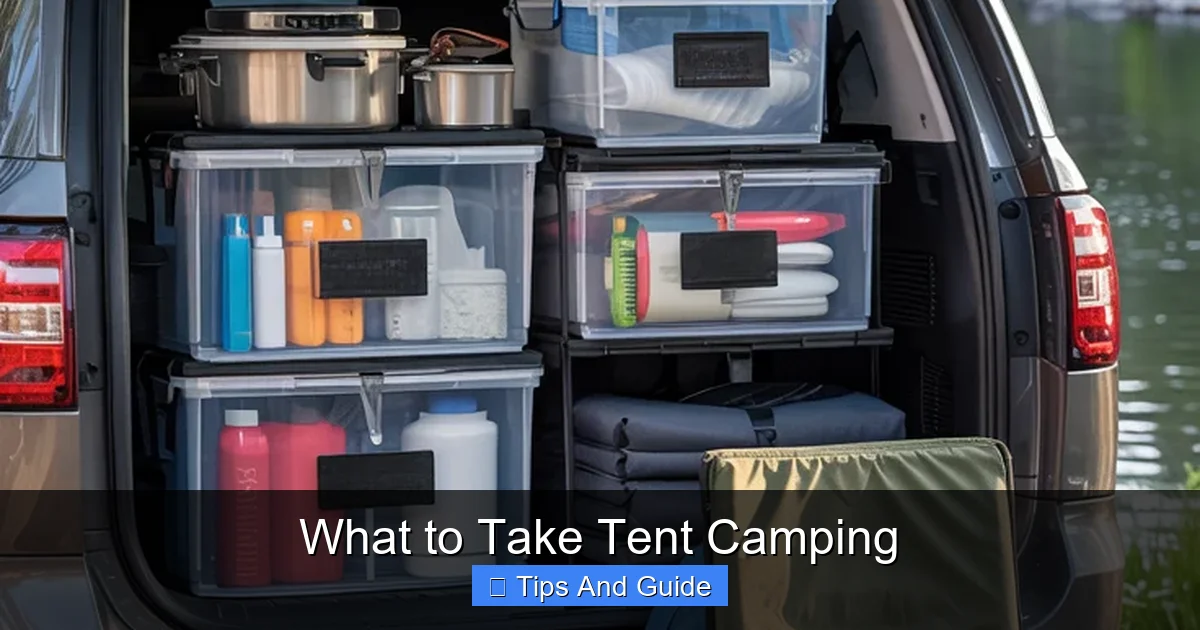
Pack non-perishable, easy-to-cook meals like pasta, oatmeal, dehydrated soups, and canned goods. Bring high-energy snacks like nuts, granola bars, and dried fruit. Store food in airtight containers or bear-proof canisters to keep animals away. For tips on safe food storage, read our article on how to store food when tent camping.
Water and Hydration
Always bring more water than you think you’ll need—at least one gallon per person per day. If you’re near a natural water source, pack a water filter or purification tablets to make it safe to drink. A reusable water bottle or hydration bladder makes it easy to stay hydrated on the go.
Lighting, Power, and Tools
When the sun goes down, good lighting is crucial for safety and comfort.
Headlamps and Flashlights
A headlamp is ideal because it leaves your hands free for tasks like cooking or setting up the tent. Bring extra batteries or a rechargeable model. A small flashlight is a good backup.
Camp Lanterns
Lanterns provide ambient light for the whole campsite. LED lanterns are energy-efficient and often have adjustable brightness. Some even double as power banks to charge your phone.
Portable Chargers and Solar Panels
If you’re using your phone for navigation or emergencies, bring a portable power bank. For longer trips, a small solar panel can recharge devices during the day.
Essential Tools
Pack a multi-tool with pliers, knife, and screwdrivers. A small hatchet or folding saw is useful for firewood. Don’t forget duct tape—it fixes everything from torn tent fabric to broken gear.
Safety, Hygiene, and Emergency Preparedness
Being prepared for the unexpected is part of responsible camping.
First Aid Kit
Your kit should include bandages, antiseptic wipes, tweezers, pain relievers, blister treatment, and any personal medications. Customize it based on your group’s needs—add allergy meds or altitude sickness pills if necessary.
Hygiene Supplies
Bring biodegradable soap, hand sanitizer, toilet paper, and a small trowel for digging catholes (if you’re in a backcountry area). Wet wipes are great for quick cleanups. For longer trips, consider a portable camping shower. Learn more in our guide on how to shower while tent camping.
Fire Starters and Emergency Gear
Pack waterproof matches, a lighter, and fire starters like cotton balls soaked in petroleum jelly. A whistle, emergency blanket, and signal mirror can help rescuers find you if something goes wrong.
Extras That Make Camping More Comfortable
Once you’ve covered the basics, these extras can elevate your experience.
Camp Chairs and Table
A lightweight folding chair makes sitting around the campfire much more enjoyable. A small camp table gives you a stable surface for cooking and eating.
Entertainment
Bring a book, cards, or a portable speaker (use responsibly and keep volume low). If you enjoy tech, you can even how to watch TV while tent camping with a portable projector and battery pack.
Bug Protection
Mosquitoes and ticks are no fun. Pack insect repellent, wear long sleeves at dawn and dusk, and consider a bug net for your tent door.
Conclusion: Pack Smart, Camp Happy
Knowing what to take tent camping isn’t about bringing everything—it’s about bringing what matters. Focus on shelter, sleep, food, safety, and comfort, and you’ll be ready for almost anything nature throws your way.
Before you head out, do a gear check at home. Test your tent, charge your devices, and make sure your stove works. A little prep goes a long way. And remember, the goal isn’t perfection—it’s enjoying the fresh air, the stars, and the peace that comes with sleeping under the open sky.
With this checklist in hand, you’re ready to pack confidently and camp comfortably. Happy trails!
Frequently Asked Questions
What should I pack first when preparing for a tent camping trip?
Start with your shelter and sleep system—tent, sleeping bag, and pad. These are the most essential items for safety and comfort. Then move on to clothing, food, and safety gear.
Do I need a tarp under my tent?
Yes, a ground tarp or footprint protects your tent floor from moisture, rocks, and wear. Just make sure it’s slightly smaller than the tent to prevent water from pooling underneath.
How much water should I bring camping?
Plan for at least one gallon of water per person per day for drinking, cooking, and cleaning. If you’re near a water source, bring a filter or purification tablets to refill safely.
Can I cook over a campfire?
Only if fires are allowed at your campsite and the fire danger is low. Always check local regulations and use established fire rings. Bring a stove as a backup.
What’s the best way to stay warm while tent camping?
Use a sleeping bag rated for the expected temperature, add a sleeping pad for insulation, and wear warm base layers. For more tips, see our guide on best way to stay warm tent camping.
How do I keep animals away from my campsite?
Store all food, trash, and scented items (like toothpaste) in bear-proof containers or hang them from a tree at least 100 feet from your tent. Never eat in your sleeping area.