

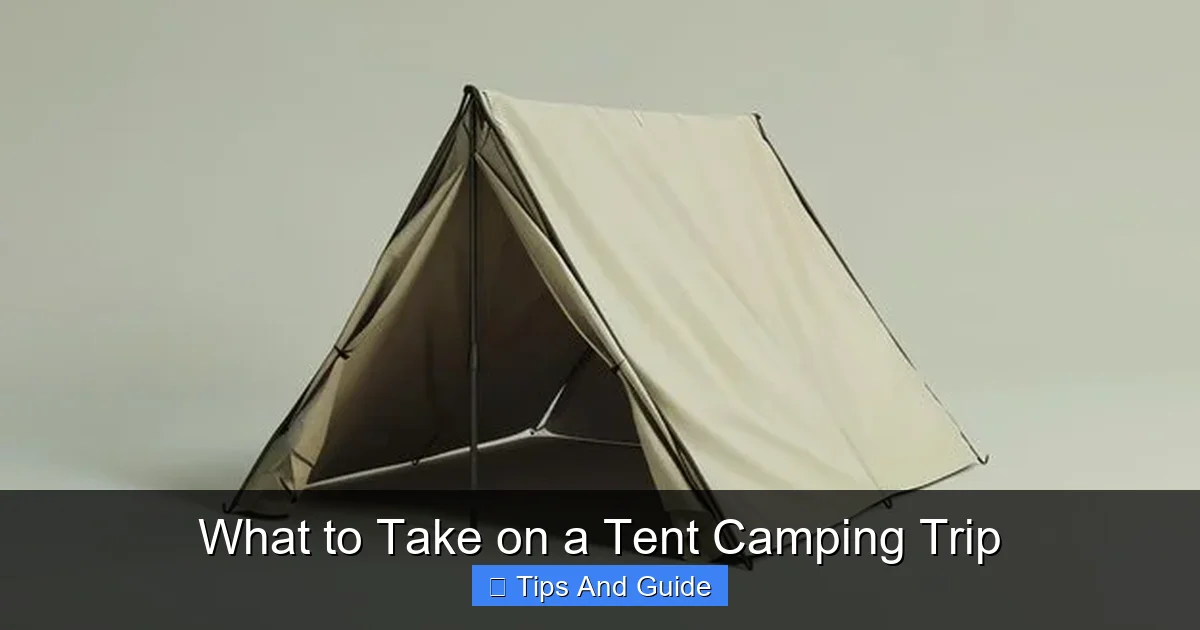
Heading out on a tent camping trip? Packing the right gear makes all the difference between a comfortable escape and a stressful ordeal. From shelter and sleep systems to food, safety, and personal items, knowing what to take ensures you’re ready for anything nature throws your way.
So, you’ve decided to unplug, breathe in some fresh air, and spend a night or two under the stars. That’s awesome! But before you hit the trail, there’s one crucial step: figuring out what to take on a tent camping trip. It’s easy to overpack or forget something important—like a flashlight or a spare pair of socks—and that can turn a dreamy getaway into a frustrating experience.
The good news? With a solid checklist and a little planning, you can pack smart and travel light. Whether you’re a first-time camper or a seasoned outdoor enthusiast, this guide will walk you through everything you need to bring for a safe, comfortable, and enjoyable tent camping adventure. We’ll cover shelter, sleep, food, safety, clothing, and those often-overlooked essentials that make all the difference.
Key Takeaways
- Start with the essentials: Your tent, sleeping bag, and sleeping pad form the foundation of a good night’s rest.
- Pack weather-appropriate clothing: Layering is key—bring moisture-wicking base layers, insulating mid-layers, and a waterproof outer shell.
- Don’t forget cooking gear: A portable stove, fuel, lightweight cookware, and utensils let you enjoy hot meals in the wild.
- Prioritize safety and navigation: Bring a first-aid kit, flashlight, map, compass, and fully charged power bank.
- Bring a tarp or footprint: Protect your tent floor from rocks, roots, and moisture with an extra layer underneath.
- Plan for waste and hygiene: Pack biodegradable soap, hand sanitizer, and a trowel for proper waste disposal.
- Check the forecast and adjust: Tailor your packing list based on season, location, and expected weather conditions.
📑 Table of Contents
1. Shelter and Sleep System
Your tent is your home away from home, so it’s the most important item on your list. But a tent alone isn’t enough—you’ll need a complete sleep system to stay warm, dry, and comfortable.
Choose the Right Tent
Pick a tent that matches your group size and the season. A 2-person tent works for couples, while families might need a 4- or 6-person model. For summer camping, a lightweight 3-season tent is ideal. If you’re camping in colder months, consider a 4-season tent designed to handle snow and wind.
Before you go, practice setting up your tent at home. This helps you avoid frustration at the campsite. And don’t forget to waterproof your tent if it’s been a while since the last trip—this simple step can prevent leaks during unexpected rain.
Sleeping Bag and Pad
Your sleeping bag should match the expected nighttime temperatures. Look for one with a comfort rating slightly lower than the coldest temp you expect. For example, if it might drop to 40°F, choose a bag rated for 30°F.
Pair your bag with a quality sleeping pad. It insulates you from the cold ground and adds cushioning. Inflatable pads are lightweight and comfortable, while foam pads are durable and never lose air. For extra warmth in cold weather, consider a double-layer setup.
Extras for Comfort
Bring a small pillow—either a compact camping pillow or a stuff sack filled with clothes. A sleeping bag liner can add warmth and keep your bag clean. And if you’re camping in a damp area, a tarp under your tent adds crucial protection against moisture.
2. Clothing and Footwear
What you wear matters—especially when you’re miles from the nearest store. The key is layering: dress in moisture-wicking base layers, insulating mid-layers, and a waterproof outer shell.
Base Layers
Start with synthetic or merino wool fabrics that pull sweat away from your skin. Avoid cotton—it stays wet and can make you cold.
Mid and Outer Layers
A fleece or down jacket provides warmth, while a rain jacket keeps you dry. Pack a lightweight hat and gloves, even in summer—nights can get chilly.
Footwear
Bring sturdy hiking boots for the trail and camp shoes (like sandals or lightweight sneakers) for relaxing at the site. Always pack extra socks—wet feet lead to blisters and discomfort.
Rain Gear
Even if the forecast looks clear, pack a rain jacket and pants. Weather in the wilderness can change fast. A well-ventilated tent helps, but rain gear gives you freedom to move around without getting soaked.
3. Cooking and Food Supplies
Eating well while camping boosts morale and energy. With the right gear, you can enjoy hot meals, coffee, and even dessert under the stars.
Portable Stove and Fuel
A compact camping stove is a game-changer. Propane or butane stoves are easy to use and reliable. Don’t forget extra fuel canisters—calculate based on meal count and boil times.
Cookware and Utensils
Bring a lightweight pot, a frying pan, and a mug or bowl. Titanium or aluminum sets are light and durable. Include a spatula, spoon, and knife. A small cutting board helps with food prep.
Food and Snacks
Plan simple, non-perishable meals: oatmeal for breakfast, sandwiches or wraps for lunch, and dehydrated dinners or pasta for dinner. Pack high-energy snacks like nuts, granola bars, and dried fruit. Store food in bear-proof containers or hang it from a tree if required.
Water and Filtration
Bring enough water for drinking, cooking, and cleaning. A 2-liter hydration bladder or bottles work well. Add a water filter or purification tablets to refill from natural sources safely.
4. Safety and Navigation Tools
Safety should always come first. Even on a short trip, it’s smart to be prepared for the unexpected.
First-Aid Kit
Pack a basic kit with bandages, antiseptic wipes, tweezers, pain relievers, and any personal medications. Include blister treatment—hiking boots and new terrain can be tough on feet.
Lighting
Bring a headlamp (hands-free is best), a flashlight, and extra batteries. A lantern can light up your whole campsite for evening activities.
Navigation Tools
Even if you’re using a GPS or phone app, carry a physical map and compass as backup. Batteries die, signals drop—knowing how to read a map could save your trip.
Fire Starters
Pack waterproof matches, a lighter, or a fire starter. Check local fire regulations—some areas require campfires only in designated rings.
Emergency Whistle and Multi-Tool
A whistle helps signal for help if you get lost. A multi-tool with pliers, knife, and screwdrivers comes in handy for gear repairs and food prep.
5. Personal Items and Extras
Don’t overlook the small things that make camping more enjoyable.
Hygiene Kit
Bring biodegradable soap, toothbrush, toothpaste, and hand sanitizer. Use a small trowel to dig a cathole (6–8 inches deep) for human waste, and pack out toilet paper in a sealed bag.
Sun Protection
Sunscreen, sunglasses, and a wide-brimmed hat protect against UV rays. Even on cloudy days, sunburn can sneak up on you.
Entertainment
Pack a book, cards, or a journal. Stargazing, birdwatching, or a quiet moment by the fire can be the highlight of your trip.
Power and Charging
A portable power bank keeps your phone or GPS charged. Consider a solar charger if you’ll be off-grid for several days.
6. Campsite Setup and Maintenance
A well-organized campsite makes life easier and more comfortable.
Tent Setup Tips
Choose a flat, dry spot away from water sources and dead trees. Clear the ground of rocks and sticks. Use a footprint or tarp underneath to protect the tent floor.
Stake your tent securely and use guylines in windy conditions. If you’re camping on hard ground like concrete, check out how to set up a camping tent on concrete for anchoring tips.
Packing and Storage
Use dry bags or stuff sacks to organize gear. Keep clothes, food, and electronics separate. Store smelly items (like trash or toiletries) away from your sleeping area.
Leave No Trace
Pack out all trash, including food scraps. Respect wildlife and other campers. When it’s time to go, take down your tent carefully, clean it if needed, and store it dry to prevent mold.
Conclusion
Knowing what to take on a tent camping trip doesn’t have to be overwhelming. Start with the basics—shelter, sleep, food, and safety—and build from there. Tailor your packing list to the season, location, and length of your trip. A little preparation goes a long way in ensuring your adventure is fun, safe, and memorable.
Remember, the goal isn’t to bring everything—it’s to bring the right things. With this guide, you’re ready to pitch your tent, build a fire, and enjoy the peace and beauty of the great outdoors. So pack your bags, double-check your list, and get ready to make some unforgettable memories under the stars.
Frequently Asked Questions
Do I really need a tarp under my tent?
Yes! A tarp or footprint protects your tent floor from sharp objects, moisture, and wear. It extends the life of your tent and keeps you dry in wet conditions.
Can I use my regular sleeping bag for camping?
It depends on the temperature rating. If your bag isn’t suited for outdoor conditions, you might wake up cold. Choose a bag designed for camping with the right comfort rating.
What’s the best way to stay warm in a tent at night?
Use a sleeping pad for insulation, wear warm base layers, and consider a sleeping bag liner. You can also learn more about staying warm while camping in a tent with proven tips.
How do I keep my tent cool in hot weather?
Ventilate your tent by opening windows and vents. Use a reflective tarp overhead for shade, and avoid camping in low-lying, humid areas. For more ideas, check out the best way to cool a tent while camping.
Should I bring a camp chair?
It’s not essential, but a lightweight camp chair adds comfort for sitting around the fire or enjoying the view. If space is tight, a foam sit pad works too.
How do I clean my tent after a trip?
Rinse off dirt, let it dry completely, and store it loosely in a breathable bag. Avoid washing unless necessary—spot clean with mild soap if needed. For detailed steps, see how to clean a tent after camping.
