What to Pack When Tent Camping
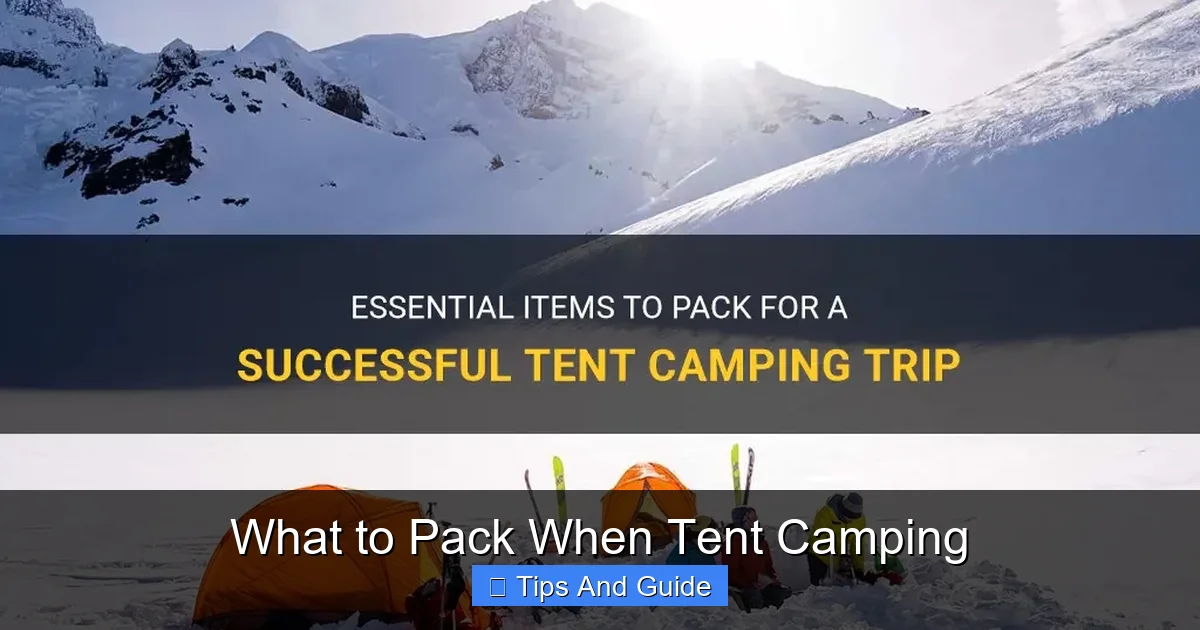
Knowing what to pack when tent camping can make or break your outdoor experience. From shelter and sleep systems to food, clothing, and safety gear, packing smart ensures comfort, safety, and fun. This guide covers everything you need—and a few clever extras—to enjoy your next camping trip to the fullest.
Key Takeaways
- Start with the basics: Your tent, sleeping bag, and sleeping pad are non-negotiable for comfort and protection.
- Pack smart clothing: Choose moisture-wicking, layered outfits suitable for changing weather conditions.
- Don’t forget cooking essentials: A portable stove, fuel, utensils, and food storage keep meals simple and safe.
- Prioritize safety and hygiene: First aid kits, flashlights, and sanitation tools are crucial for emergencies.
- Bring comfort items: A camp chair, lantern, or small pillow can greatly improve your camping experience.
- Plan for the weather: Check forecasts and pack accordingly—rain gear, sun protection, or extra insulation as needed.
- Organize and pack efficiently: Use packing cubes or dry bags to keep gear dry and easy to find.
📑 Table of Contents
- Introduction: Why Packing Right Matters for Tent Camping
- Shelter and Sleep: Your Home Away from Home
- Clothing: Dress for Success (and the Weather)
- Food and Cooking: Fuel for Your Adventure
- Safety, Hygiene, and Essentials
- Comfort and Extras: The Little Things That Matter
- Weather and Seasonal Considerations
- Conclusion: Pack Smart, Camp Happy
Introduction: Why Packing Right Matters for Tent Camping
Tent camping is one of the most rewarding ways to connect with nature. Whether you’re heading into the woods for a weekend or embarking on a week-long adventure, the key to a successful trip starts long before you arrive at the campsite—it starts with packing.
Knowing what to pack when tent camping isn’t just about bringing enough stuff. It’s about bringing the right stuff. Too little, and you risk discomfort or danger. Too much, and you’ll be weighed down by unnecessary gear. The sweet spot? A well-thought-out packing list that balances preparedness with practicality.
Think of your packing list as your personal camping blueprint. It ensures you don’t forget critical items like a tent or sleeping bag, while also helping you avoid overpacking things you’ll never use. With the right approach, you’ll spend less time fumbling through bags and more time enjoying the campfire, stargazing, or hiking nearby trails.
Shelter and Sleep: Your Home Away from Home
Your tent is your fortress in the wild—so it’s essential to choose and pack it wisely. But shelter doesn’t stop at the tent itself. A comfortable night’s sleep is just as important as staying dry.
Choosing the Right Tent
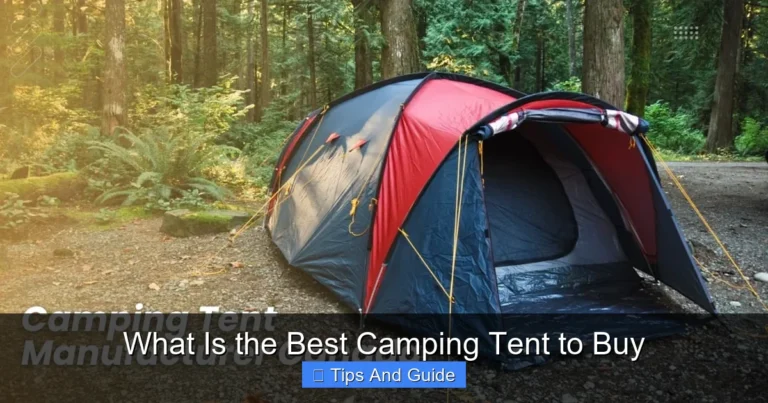
Start with a tent that matches your group size and weather needs. A 3-season tent is ideal for spring, summer, and fall, while a 4-season tent is better for winter or high-altitude camping. Look for features like a rainfly, vestibule for gear storage, and easy setup.
Sleeping Gear Essentials
Your sleeping system includes a sleeping bag, sleeping pad, and pillow. Choose a sleeping bag rated for the expected temperatures—down bags are lightweight and warm, while synthetic bags perform better in damp conditions. A quality sleeping pad adds insulation and cushioning, turning hard ground into a cozy bed. Don’t forget a small camp pillow or use a stuff sack filled with clothes for comfort.
For extra warmth on cold nights, consider a fleece liner for your sleeping bag. And if you’re camping in winter, check out our guide on how to stay warm tent camping in winter for expert tips on layering and insulation.
Clothing: Dress for Success (and the Weather)
What you wear—and pack—can make or break your comfort level. The golden rule? Dress in layers and choose fabrics that wick moisture, dry quickly, and protect from the elements.
Layering Basics
Start with a moisture-wicking base layer (like merino wool or synthetic fabric), add an insulating mid-layer (fleece or down), and top it off with a waterproof outer shell. This system lets you adjust to changing temperatures throughout the day.
Footwear and Accessories
Pack sturdy hiking boots for trails and camp shoes (like sandals or lightweight sneakers) for relaxing at the site. Always bring extra socks—wool or synthetic blends keep feet dry and prevent blisters. Don’t forget a hat, sunglasses, and gloves if it’s cold.
Weather-Specific Packing
If rain is in the forecast, bring a rain jacket and pants. For hot weather, pack lightweight, breathable clothing and a wide-brimmed hat. And no matter the season, always have a warm layer on hand—nights can get chilly even in summer.
Food and Cooking: Fuel for Your Adventure
Eating well while camping doesn’t require gourmet gear—just smart planning and the right tools.
Cooking Equipment
A portable camping stove is a must unless you’re certain fires are allowed. Bring fuel canisters, a lighter or matches (in a waterproof container), and a small pot or pan. A spork or camping utensil set saves space and weight.
Food Storage and Safety
Use airtight containers or resealable bags to keep food fresh and critters away. Store food in a bear-proof container or hang it from a tree if you’re in bear country. For tips on safe food handling, visit our guide on how to store food when tent camping.
Meal Planning Made Easy
Prep meals ahead of time when possible. Think dehydrated meals, instant oatmeal, canned beans, or pre-made sandwiches. Bring snacks like trail mix, granola bars, and fruit for energy on the go. And don’t forget coffee or tea—many campers swear by a French press or instant packets.
Safety, Hygiene, and Essentials
Even the most scenic campsites can present risks. Being prepared means packing the right safety and hygiene items.
First Aid and Emergency Gear
A well-stocked first aid kit should include bandages, antiseptic, tweezers, pain relievers, and any personal medications. Add a whistle, emergency blanket, and a multi-tool for unexpected situations.
Lighting and Navigation
Bring a headlamp (hands-free is best), extra batteries, and a backup flashlight. A lantern helps illuminate the campsite at night. If you’re hiking, carry a map and compass—even if you have GPS, batteries die.
Sanitation and Cleanliness
Pack biodegradable soap, hand sanitizer, toilet paper, and a small trowel for digging catholes. Wet wipes and a quick-dry towel help with personal hygiene. For longer trips, consider a portable camp shower—learn more in our article on how to shower while tent camping.
Comfort and Extras: The Little Things That Matter
It’s the small comforts that often make camping feel like a true escape.
Camp Furniture and Lighting
A foldable camp chair or stool makes sitting around the fire much more enjoyable. A battery-powered lantern or string lights add ambiance and practical lighting. Don’t forget a small table if your site doesn’t have one.
Entertainment and Relaxation
Bring a book, cards, or a journal. Some campers enjoy portable speakers (use responsibly), while others prefer the quiet of nature. If you’re traveling with kids, pack a frisbee, coloring books, or a scavenger hunt list.
Tech and Power
While camping is a great time to unplug, you might need your phone for emergencies or photos. Bring a portable power bank to keep devices charged. And if you’re a fan of staying connected, check out our tips on how to watch TV while tent camping using solar-powered options.
Weather and Seasonal Considerations
Always check the weather before you go—and pack accordingly.
Summer Camping
In hot weather, prioritize sun protection: sunscreen, hats, and lightweight clothing. Bring a fan or misting bottle to stay cool. For tips on beating the heat, read our guide on how to stay cool when tent camping.
Winter and Cold Weather
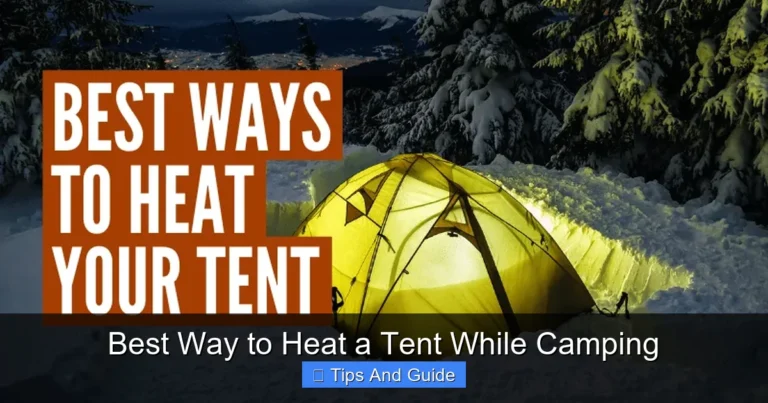
Insulation is key. Pack thermal underwear, a warm sleeping bag, and extra blankets. Use a sleeping pad with a high R-value for ground insulation. For more on staying warm, see our article on best way to stay warm tent camping.
Rainy Conditions
Always pack a rainfly for your tent and a tarp to place underneath for extra waterproofing. Keep clothes and sleeping bags in dry bags. And if your tent needs extra protection, learn how to waterproof a camping tent before your trip.
Conclusion: Pack Smart, Camp Happy
Packing for tent camping doesn’t have to be stressful. With a solid checklist and a focus on essentials, you’ll be ready for whatever nature throws your way. Remember: the goal isn’t to bring everything—it’s to bring what matters.
From your tent and sleeping bag to food, clothing, and safety gear, every item should serve a purpose. And don’t forget the little comforts that turn a good trip into a great one. Whether you’re a first-time camper or a seasoned outdoor enthusiast, knowing what to pack when tent camping ensures you spend less time worrying and more time enjoying the great outdoors.
So pack your bags, double-check your list, and head out with confidence. Your adventure awaits.
Frequently Asked Questions
What are the absolute essentials when tent camping?
The must-haves include a tent, sleeping bag, sleeping pad, cooking stove, food, water, first aid kit, flashlight, and weather-appropriate clothing. These items ensure safety, comfort, and basic survival in the wild.
How much should I pack for a weekend camping trip?
For a weekend trip, aim for one backpack or duffel bag per person. Focus on lightweight, multi-use items and avoid overpacking. A good rule of thumb: if you haven’t used it in the past year, leave it at home.
Can I bring my dog when tent camping?
Yes, many campgrounds allow dogs. Just make sure to pack food, water, a leash, waste bags, and a comfortable sleeping spot for your pet. Check out our guide on how to take a dog tent camping for more tips.
How do I keep my gear dry during rain?
Use waterproof dry bags or pack items in resealable plastic bags. Place a tarp under your tent and ensure the rainfly is properly secured. For extra protection, learn how to waterproof a camping tent.
What’s the best way to pack a tent for camping?
Clean and dry your tent before packing to prevent mold. Roll it tightly with the rainfly and stakes, then store it in its original bag or a compression sack. For backpacking, see our guide on the best way to pack a tent in a backpack.
Do I need a camp chair, or can I sit on the ground?
While you can sit on logs or blankets, a camp chair adds comfort, especially after a long hike. Lightweight, foldable chairs are easy to carry and make relaxing at the campsite much more enjoyable.