What to Pack for Tent Camping
Packing for tent camping doesn’t have to be overwhelming. With the right gear and a smart checklist, you can enjoy a comfortable, safe, and fun outdoor adventure. This guide covers everything you need—from tents to toiletries—so you’re fully prepared.
Key Takeaways
- Choose the right tent: Match your tent size and type to your group and weather conditions for maximum comfort and protection.
- Prioritize sleep comfort: A quality sleeping bag, sleeping pad, and pillow make a huge difference in rest quality.
- Pack efficient cooking gear: Bring a portable stove, utensils, and easy-to-prepare meals to simplify meal time.
- Don’t forget lighting and power: Headlamps, lanterns, and portable chargers keep you safe and connected after dark.
- Prepare for weather and safety: Rain gear, first aid kits, and navigation tools are essential for unpredictable conditions.
- Organize with packing systems: Use dry bags and packing cubes to keep gear dry and easy to find.
📑 Table of Contents
Introduction: Why Packing Smart Makes All the Difference
Tent camping is one of the most rewarding ways to experience nature. Whether you’re spending a weekend in the woods or a week by a mountain lake, the right gear can turn a good trip into a great one. But let’s be honest—figuring out what to pack for tent camping can feel like solving a puzzle. Too little gear, and you’re cold and uncomfortable. Too much, and you’re lugging around unnecessary weight.
The key is balance. You want to be prepared without overpacking. This guide walks you through every category of gear you’ll need, from shelter and sleep systems to cooking tools and personal items. We’ll help you build a smart, efficient packing list so you can focus on what really matters: enjoying the great outdoors.
Shelter and Tent Essentials
Your tent is your home away from home, so choosing the right one is critical. Start by considering how many people will be sleeping in it. A 2-person tent is cozy for couples, but if you’re car camping, you might prefer a 3-person tent for extra space. For families, a 6-person tent offers room to stretch and store gear.
Choosing the Right Tent
Look for a tent with a waterproof rainfly, strong poles, and good ventilation. Freestanding tents are easier to set up, while non-freestanding ones require stakes and guylines. If you’re camping in windy areas, consider a tent designed for wind resistance. Always check the season rating—3-season tents work for spring, summer, and fall, while 4-season tents handle snow and harsh weather.
Tent Accessories You Can’t Skip
Don’t forget a footprint or tarp to place under your tent. It protects the floor from rocks and moisture. Bring extra stakes and guylines—wind can snap standard ones. A gear loft or vestibule helps keep your backpack and boots dry. And if you’re setting up in the dark, practice how to set up your tent at home first.
Sleep System: Comfort Is Key
A good night’s sleep makes all the difference. Even in summer, nights can get chilly, so your sleep system needs to be reliable. Start with a sleeping bag rated for the expected low temperature. Down bags are lightweight and warm but lose insulation when wet. Synthetic bags are bulkier but perform better in damp conditions.
Sleeping Pads and Air Mattresses
A sleeping pad isn’t optional—it insulates you from the cold ground. Foam pads are cheap and durable, while inflatable ones offer more comfort. For extra luxury, try an air mattress for tent camping. Just make sure it fits your tent and has a reliable pump. Pair it with a fleece liner or camping pillow for added coziness.
Pillows and Sleep Accessories
Don’t underestimate the power of a good pillow. Inflatable camping pillows are compact and supportive. Or, stuff a small stuff sack with clothes for a DIY version. Earplugs and an eye mask can help block out noise and light, especially if you’re camping with others.
Cooking and Food Supplies
Eating well while camping doesn’t require gourmet gear—just smart planning. Start with a portable camping stove. Propane stoves are easy to use, while canister stoves are lighter for backpacking. Bring a lightweight pot, a spatula, and reusable plates and utensils. Don’t forget a sponge and biodegradable soap for cleaning.
Meal Planning Made Simple
Pack non-perishable foods like oatmeal, pasta, canned beans, and trail mix. Pre-measure ingredients at home to save time. Instant coffee or tea bags are great for mornings. If you’re car camping, bring a cooler with fresh food—just remember to pack it with ice and keep it in the shade.
Water and Hydration
Always bring more water than you think you’ll need. A general rule is one gallon per person per day. Use a water filter or purification tablets if you’re sourcing water from lakes or streams. Collapsible water containers save space when empty.
Clothing and Personal Items
Pack clothes in layers. Even in summer, temperatures can drop at night. Bring a moisture-wicking base layer, an insulating mid-layer like a fleece, and a waterproof outer shell. Avoid cotton—it stays wet and makes you cold. Quick-dry fabrics are your best friend.
Footwear and Extras
Wear broken-in hiking boots or trail shoes. Bring camp shoes like sandals or lightweight sneakers for relaxing at the site. Don’t forget socks—pack extra pairs and choose wool or synthetic blends. A hat, sunglasses, and sunscreen protect you from the sun.
Toiletries and Hygiene
Bring travel-sized toiletries: toothbrush, toothpaste, biodegradable soap, and hand sanitizer. Use a small toiletry bag to keep things organized. For bathroom needs, pack a trowel if you’re in a backcountry area, or use a bathroom tent for privacy at established campsites.
Safety, Lighting, and Navigation
Safety should always come first. A basic first aid kit with bandages, antiseptic, tweezers, and pain relievers is a must. Add any personal medications. A whistle and signal mirror can help in emergencies. Let someone know your itinerary before you go.
Lighting Options
Headlamps are hands-free and perfect for cooking or walking at night. Bring extra batteries. A lantern creates ambient light for the whole campsite. LED lights are energy-efficient and long-lasting. Solar-powered options are great for multi-day trips.
Navigation and Communication
Even if you’re familiar with the area, bring a map and compass. GPS devices or smartphone apps with offline maps are helpful, but don’t rely solely on batteries. A portable power bank keeps your phone charged for emergencies.
Packing Tips and Organization
How you pack is just as important as what you pack. Use dry bags to keep clothes and electronics safe from rain. Packing cubes help group similar items—sleeping gear in one, cooking in another. Label bags if you’re traveling with others.
Weight and Space Management
Distribute weight evenly in your backpack or car. Heavy items should be close to your body or centered in the vehicle. Roll clothes instead of folding to save space. Only bring what you’ll actually use—every ounce counts.
Check the Weather
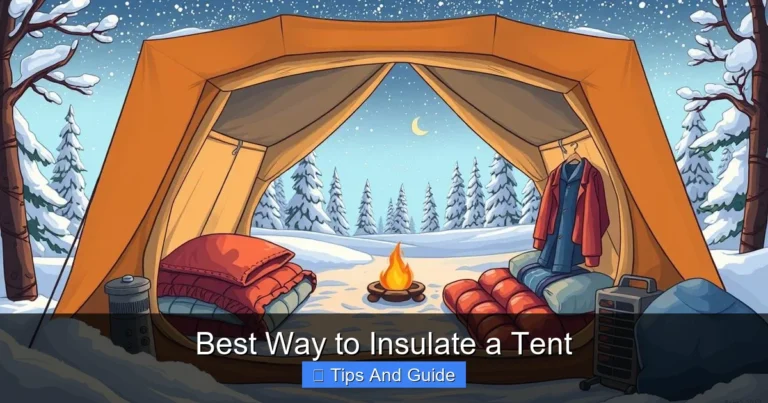
Always check the forecast before you go. If rain is expected, pack extra tarps and waterproof covers. For cold weather, add a tent insulation layer and a warmer sleeping bag. In hot climates, bring shade solutions and plenty of water.
Conclusion: Ready for Adventure
Packing for tent camping is all about preparation and simplicity. With the right gear—like a reliable tent, a warm sleeping bag, and smart cooking tools—you’ll be ready for anything nature throws your way. Remember, the goal isn’t to bring everything, but to bring the essentials that keep you safe, comfortable, and happy.
Take time to test your gear at home. Practice setting up your tent, cooking a meal, and packing your bag. The more prepared you are, the more you’ll enjoy your time under the stars. So grab your list, double-check your supplies, and get out there. Adventure is waiting.
Frequently Asked Questions
What should I pack for a first-time tent camping trip?
Start with the basics: a tent, sleeping bag, sleeping pad, flashlight, first aid kit, and simple meals. Focus on comfort and safety. Bring layers of clothing and a reusable water bottle. Don’t forget a map and a way to start a fire.
How do I keep my tent dry in the rain?
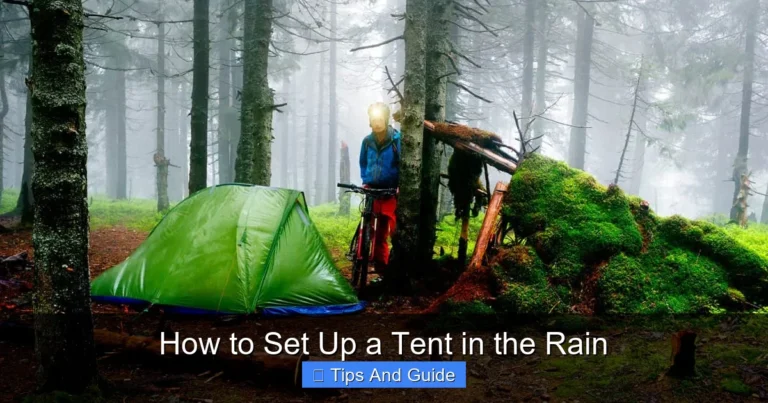
Use a waterproof rainfly and place a tarp or footprint under your tent. Avoid setting up in low areas where water pools. Keep wet gear in the vestibule, not inside the tent. Ventilate to reduce condensation.
Can I use a regular air mattress in a tent?
Yes, but make sure it fits and doesn’t puncture easily. Use a mattress protector and inflate it carefully. Some campers prefer foam pads for durability, especially on rough ground.
What’s the best way to pack a tent for car camping?
Keep your tent in its bag and store it in an accessible spot. Pack stakes, poles, and the rainfly together. Use a separate bag for wet or dirty gear. Label everything for easy setup.
Do I need a camping stove if I can build a fire?
Not always, but a stove is more reliable and often required in dry or restricted areas. Fires can be banned during fire season. A stove gives you consistent cooking power regardless of conditions.
How can I stay warm while tent camping in cold weather?
Use a sleeping bag rated for low temperatures, add a sleeping pad for insulation, and wear warm base layers. Bring a hat and gloves. Consider a safe tent heater or hot water bottle for extra warmth.