

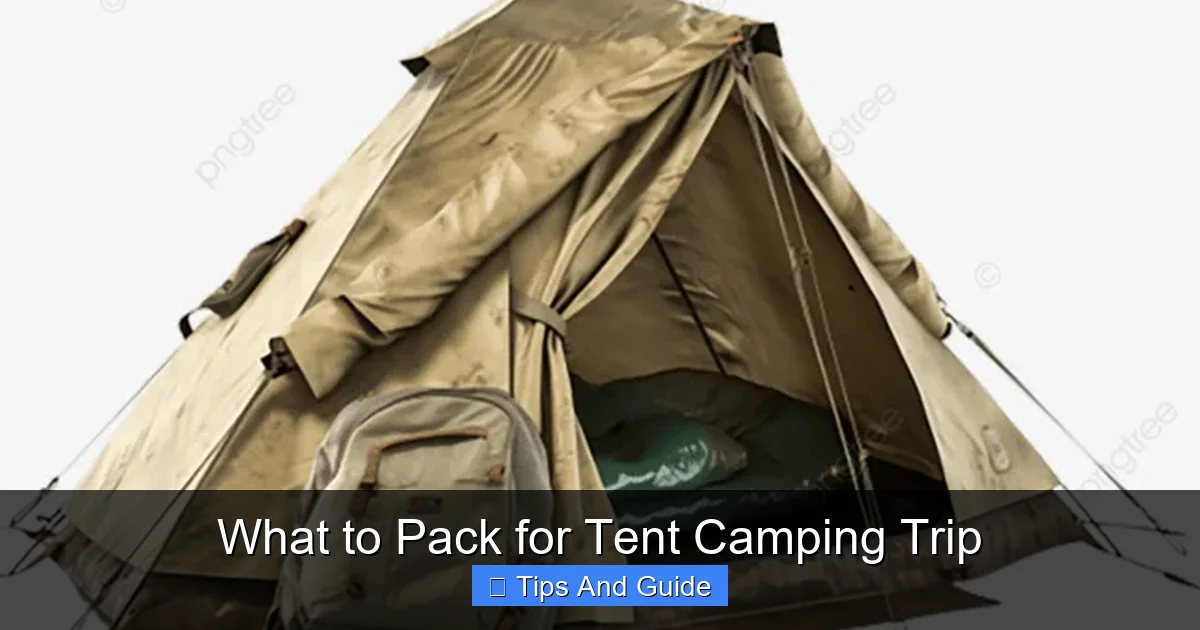
Knowing what to pack for tent camping trip ensures you’re prepared, comfortable, and safe in the great outdoors. From shelter and sleeping gear to food and safety items, this guide covers all the essentials—plus smart packing tips to avoid overloading your pack.
Key Takeaways
- Tent and shelter essentials: Choose a weather-appropriate tent, footprint, and stakes for stability and protection.
- Sleep system is crucial: Pack a sleeping bag rated for the season, a sleeping pad, and a pillow for comfort and warmth.
- Clothing layers matter: Bring moisture-wicking base layers, insulating mid-layers, and waterproof outerwear.
- Food and cooking gear: Include a portable stove, fuel, lightweight cookware, and easy-to-prepare meals.
- Safety and navigation tools: Always carry a first-aid kit, headlamp, map, compass, and multi-tool.
- Pack smart, not heavy: Use compression sacks and organize items by category to save space and weight.
- Leave no trace: Bring trash bags and practice eco-friendly habits to protect nature.
📑 Table of Contents
- Introduction: Why Packing Right Makes All the Difference
- Shelter and Tent Essentials
- Sleep System: Comfort Starts Here
- Clothing: Dress for Success (and the Elements)
- Food, Cooking, and Hydration
- Safety, Navigation, and Personal Items
- Packing Smart: Tips to Avoid Overpacking
- Conclusion: Be Prepared, Stay Comfortable, Enjoy the Wild
Introduction: Why Packing Right Makes All the Difference
There’s nothing quite like the freedom of pitching a tent under the stars, breathing in fresh mountain air, and waking up to birdsong instead of an alarm clock. But that dreamy camping experience can quickly turn stressful if you forget something essential—or worse, pack too much and end up hauling unnecessary weight.
Whether you’re heading out for a weekend getaway or a week-long adventure, knowing what to pack for tent camping trip is the foundation of a successful outdoor experience. It’s not just about bringing gear—it’s about bringing the right gear. From staying dry in a sudden rainstorm to getting a good night’s sleep on uneven ground, every item you pack plays a role in your comfort and safety.
In this guide, we’ll walk you through every category of gear you’ll need, share smart packing strategies, and help you avoid common mistakes. By the end, you’ll be ready to hit the trail with confidence—and maybe even impress your fellow campers with how prepared you are.
Shelter and Tent Essentials
Your tent is your home away from home, so it deserves top priority on your packing list. But it’s not just about the tent itself—accessories and setup tools are just as important.
Choosing the Right Tent
Start with a tent that matches your trip type. For car camping, a larger, heavier tent like the best big tent for camping offers extra space and comfort. For backpacking, go lightweight and compact—check out the best way to pack a tent for backpacking for tips on minimizing bulk.
Make sure your tent is rated for the season. A 3-season tent works for spring, summer, and fall, but winter camping requires a 4-season model. Also, consider the number of people—opt for a tent with a little extra room for gear storage.
Tent Accessories You Can’t Skip
Never rely on the ground alone. Always bring a tent footprint or groundsheet to protect the floor from rocks and moisture. Stakes and guylines are essential, especially in windy areas—bring extras in case some get lost. A small mallet can help drive stakes into hard ground.
For added comfort, consider a best bathroom tent for camping if privacy is a concern, or a vestibule organizer to keep muddy boots and wet gear outside the sleeping area.
Sleep System: Comfort Starts Here
A good night’s sleep is non-negotiable when camping. Being tired can ruin your mood, reduce your energy, and even affect your safety. Your sleep system includes your sleeping bag, sleeping pad, and pillow.
Sleeping Bag: Match It to the Weather
Choose a sleeping bag with a temperature rating that matches the lowest expected nighttime temperature. For summer trips, a 40°F (4°C) bag is usually fine. For cooler weather, go for 20°F (-6°C) or lower. Down bags are lightweight and compressible but lose insulation when wet—synthetic bags are bulkier but perform better in damp conditions.
Sleeping Pad: Your Hidden Hero
Don’t skip the sleeping pad. It provides insulation from the cold ground and cushions your body. Inflatable pads like the best air mattress for tent camping offer excellent comfort, while foam pads are lightweight and never deflate. For a budget-friendly option, check out the best beds for tent camping for comparisons.
Pillow and Sleep Extras
A small camping pillow or a stuff sack filled with clothes can make a big difference. Some campers also use earplugs and eye masks to block out noise and light, especially in busy campgrounds.
Clothing: Dress for Success (and the Elements)
Weather in the wilderness can change fast. Dressing in layers is the best way to stay comfortable whether it’s sunny, rainy, or chilly.
Base Layers: Stay Dry and Warm
Start with moisture-wicking base layers made of merino wool or synthetic fabric. Avoid cotton—it traps sweat and takes forever to dry. Long-sleeve tops and leggings work well for cooler mornings and evenings.
Mid and Outer Layers
Add an insulating mid-layer like a fleece or down jacket for warmth. Your outer layer should be a waterproof and windproof shell to protect against rain and wind. A lightweight rain jacket is a must, even on sunny days.
Footwear and Extras
Bring sturdy hiking boots for the trail and camp shoes (like sandals or lightweight sneakers) for relaxing at the site. Pack extra socks—wool socks are ideal because they stay warm even when wet. Don’t forget a hat, gloves, and sunglasses for sun and cold protection.
Food, Cooking, and Hydration
Eating well while camping boosts morale and energy. With the right gear, you can enjoy hot meals and stay hydrated without hassle.
Cooking Gear Basics
A portable camping stove is a game-changer. Pair it with lightweight cookware—a pot, pan, and utensils. Don’t forget fuel, a lighter or matches (in a waterproof case), and a small cutting board. For cleanup, bring biodegradable soap and a sponge.
Food Planning Made Easy
Plan meals ahead of time. Choose non-perishable, easy-to-cook foods like oatmeal, pasta, dehydrated meals, and canned goods. Pre-portion ingredients in ziplock bags to save space and reduce waste. Bring snacks like nuts, energy bars, and dried fruit for quick fuel.
Staying Hydrated
Always carry enough water or a way to purify it. A water filter or purification tablets let you refill from streams and lakes safely. Collapsible water bottles or a hydration bladder save space when empty.
Safety, Navigation, and Personal Items
Being prepared for emergencies is just as important as being comfortable. A few key items can make all the difference if things go wrong.
First-Aid Kit and Emergency Gear
Pack a basic first-aid kit with bandages, antiseptic wipes, pain relievers, tweezers, and any personal medications. Add a whistle, emergency blanket, and fire starter for worst-case scenarios.
Lighting and Navigation
A headlamp is essential—it keeps your hands free for setting up camp or cooking at night. Bring extra batteries. Always carry a map and compass, even if you’re using a GPS. Technology can fail, but a compass won’t.
Personal Hygiene and Extras
Pack toilet paper, hand sanitizer, and a small trowel for digging catholes (if required by local rules). Wet wipes are great for quick cleanups. Don’t forget sunscreen, insect repellent, and a small mirror for signaling.
Packing Smart: Tips to Avoid Overpacking
It’s easy to bring too much, especially on your first trip. Use these tips to pack efficiently.
Use Compression Sacks and Packing Cubes
Compression sacks shrink bulky items like sleeping bags and clothes. Packing cubes help organize gear by category—sleep, cook, clothes—so you can find things fast.
Test Your Pack Before You Go
Load everything into your backpack or car and do a short walk. If it’s uncomfortable or too heavy, rethink your choices. Every ounce counts on the trail.
Share the Load
If you’re camping with others, divide group gear like the tent, stove, and water filter. This reduces individual weight and builds teamwork.
Conclusion: Be Prepared, Stay Comfortable, Enjoy the Wild
Packing for a tent camping trip doesn’t have to be overwhelming. With a solid checklist and a focus on essentials, you can enjoy the outdoors without stress. Remember, the goal isn’t to bring everything—it’s to bring what you need to stay safe, warm, and happy.
From choosing the right tent to packing smart and leaving no trace, every decision shapes your experience. So take your time, double-check your list, and get ready to make memories under the stars. Happy camping!
Frequently Asked Questions
What should I pack for a first-time tent camping trip?
Start with the basics: a tent, sleeping bag, sleeping pad, flashlight, first-aid kit, food, water, and weather-appropriate clothing. Focus on comfort and safety, and don’t overpack—simplicity is key for beginners.
How do I keep my tent dry inside?
Use a footprint under your tent, avoid bringing wet gear inside, and keep the tent ventilated to reduce condensation. Never store damp clothes or boots in the tent overnight.
Can I use a regular sleeping bag for camping?
Regular sleeping bags may not be designed for outdoor conditions. Choose a camping-specific bag with the right temperature rating and materials that perform well in moisture and cold.
What’s the best way to pack a tent for car camping?
For car camping, you have more space, so focus on organization. Use a tent bag, pack stakes and poles separately, and store the tent dry to prevent mold. Check out the best way to pack a tent for detailed tips.
Do I need a camp chair?
A camp chair isn’t essential but adds comfort, especially for relaxing by the fire or eating meals. Lightweight, foldable chairs are ideal for most trips.
How can I stay warm while tent camping in cold weather?
Use a sleeping bag rated for low temperatures, add a sleeping pad for insulation, wear warm base layers, and consider a tent heater or hot water bottle. For more tips, read about the best way to stay warm tent camping.
