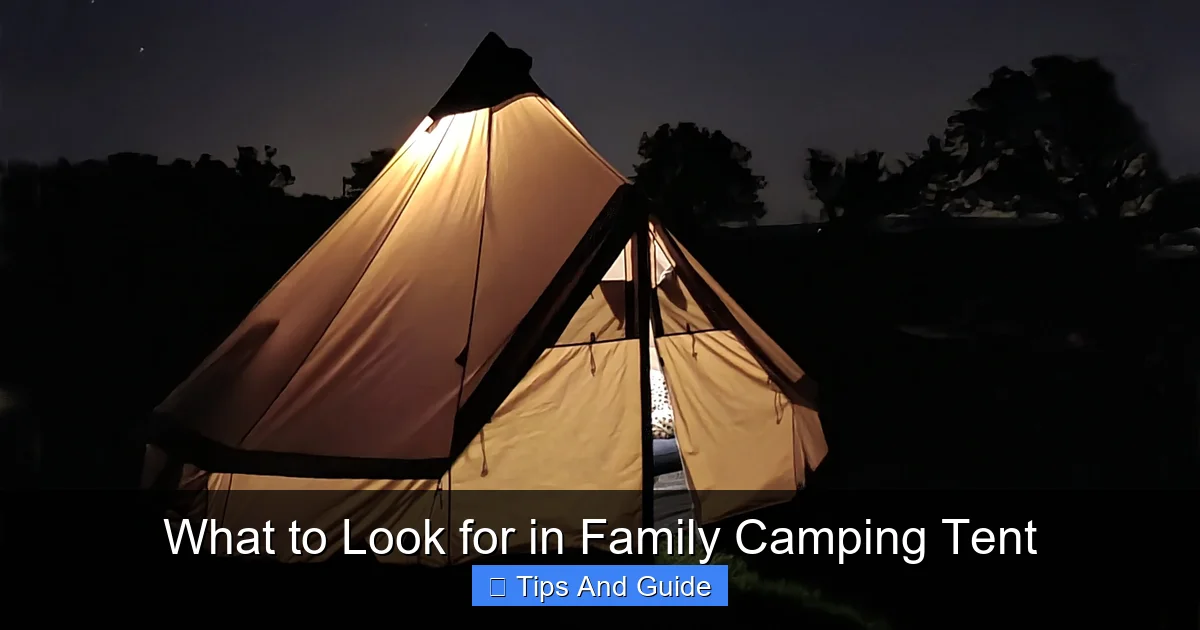
What to Look for in Family Camping Tent
Choosing the right family camping tent is essential for comfort, safety, and fun on your outdoor trips. With so many options available, knowing what features matter most—like size, ventilation, and weather resistance—can make all the difference between a cozy night under the stars and a soggy, cramped disaster.
Family camping is one of life’s greatest joys—roasting marshmallows over a crackling fire, telling stories under the stars, and waking up to birdsong instead of an alarm clock. But none of that magic happens if your tent isn’t up to the task. A poorly chosen tent can turn a dreamy weekend getaway into a miserable, cramped, or even dangerous experience.
So, how do you pick the right one? With so many brands, styles, and features on the market, it’s easy to feel overwhelmed. That’s why understanding what to look for in a family camping tent is crucial. Whether you’re heading to a national park, a lakeside campground, or your own backyard, the right tent can make all the difference. From keeping everyone dry during a sudden downpour to ensuring there’s enough room for sleeping bags, backpacks, and maybe even a portable crib, the details matter.
Key Takeaways
- Size and capacity: Choose a tent rated for at least one more person than your group to allow space for gear and movement.
- Weather resistance: Look for a high waterproof rating (1500mm+), sealed seams, and a full-coverage rainfly for reliable protection.
- Ventilation and airflow: Mesh panels and adjustable vents prevent condensation and keep the interior cool and fresh.
- Ease of setup: Freestanding tents with color-coded poles make pitching quick and stress-free, especially with kids around.
- Durability and materials: Ripstop nylon or polyester with reinforced floors ensures long-lasting performance in rough terrain.
- Interior features: Gear lofts, storage pockets, and room dividers add organization and privacy for families.
- Season rating: 3-season tents suit most climates; choose 4-season models only if camping in snow or high winds.
📑 Table of Contents
1. Size and Sleeping Capacity
One of the first things to consider is how many people will be sleeping in the tent. Tents are usually labeled by the number of people they can accommodate—like 4-person, 6-person, or 8-person models. But here’s a pro tip: always size up. A “4-person” tent might technically fit four adults, but it’ll be tight, especially if you’re bringing gear, kids, or pets.
Why You Should Size Up
Most manufacturers base their capacity ratings on minimal space—think backpacking standards where every inch counts. For families, comfort is key. Opt for a tent that’s rated for at least one more person than your actual group size. So, if you’re a family of four, consider a best tent for family of 4 camping that’s actually a 6-person model. This gives everyone room to stretch out and store personal items without feeling like sardines.
Floor Space and Peak Height
Check the floor dimensions and peak height. A taller peak height (at least 6 feet) allows most adults to stand upright, which is a game-changer when changing clothes or helping kids get ready. Floor space should be generous enough to fit sleeping pads or air mattresses side by side with a little wiggle room. For example, a 10′ x 10′ tent offers 100 square feet—plenty for a family of four with gear.
2. Weather Resistance and Waterproofing
No one wants to wake up to a puddle under their sleeping bag. Weather resistance is non-negotiable, especially if you’re camping in areas known for rain, wind, or sudden storms. A good family tent should keep you dry and secure no matter what Mother Nature throws your way.
Waterproof Ratings and Materials
Look for a tent with a waterproof rating of at least 1500mm on the rainfly and floor. This number refers to how much water pressure the fabric can withstand before leaking. Higher ratings (2000mm and above) offer better protection in heavy rain. The floor should be made of thick, durable polyethylene or coated polyester to prevent moisture from seeping up from the ground.
Rainfly Coverage and Seam Sealing
A full-coverage rainfly that extends over the entire tent—including the doors and windows—is ideal. Partial rainflies leave parts of the tent exposed, increasing the risk of leaks. Also, check if the seams are factory-sealed or require seam sealing after purchase. Pre-sealed seams save time and ensure immediate waterproofing.
Wind Resistance and Stability
Strong winds can turn a tent into a kite if it’s not built to handle them. Look for a dome or cabin-style design with sturdy poles (aluminum is lighter and stronger than fiberglass) and multiple guy lines. Freestanding tents are easier to move and reposition, but non-freestanding models often offer better wind resistance when properly staked.
3. Ventilation and Airflow
Condensation is the silent enemy of camping comfort. It forms when warm, moist air from breathing and sweating meets cooler tent walls, leading to damp clothes, sleeping bags, and an overall clammy feeling. Good ventilation solves this problem.
Mesh Panels and Windows
Look for tents with large mesh panels on the roof and walls. These allow airflow while keeping bugs out. Some models feature zippered windows with both mesh and solid flaps—perfect for adjusting ventilation based on weather. For summer camping, a tent with excellent airflow can mean the difference between a sweaty night and a cool, restful sleep.
Adjustable Vents and Roof Vents
Roof vents are especially useful because hot air rises. Tents with adjustable roof vents let you release warm, moist air without letting rain in. Some high-end models even have passive ventilation systems that work without opening doors—ideal for rainy nights when you don’t want to let moisture inside.
If you’re camping in hot climates, consider reading up on how to stay cool while camping in a tent for additional tips on airflow and shade strategies.
4. Ease of Setup and Portability
Let’s be honest—no one wants to spend 45 minutes wrestling with tangled poles and confusing instructions after a long drive to the campsite. A tent that’s easy to set up makes the whole experience more enjoyable, especially when kids are tired and hungry.
Freestanding vs. Non-Freestanding
Freestanding tents don’t require stakes to stand upright, making them easier to pitch on rocky or hard ground. They’re also simpler to move once set up. Non-freestanding tents rely heavily on stakes and guylines but often offer better stability in wind. For most families, a freestanding design is the way to go.
Pole Design and Color-Coding
Tents with color-coded poles and clips make setup intuitive—even for beginners. Some models use hub systems where multiple poles connect at a central point, reducing the chance of mistakes. Instant or pop-up tents are also available, though they may sacrifice durability for speed.
Packed Weight and Size
If you’re car camping, weight isn’t as critical as it is for backpacking. Still, a lighter, more compact tent is easier to carry from the car to the site. Look for a carrying bag with handles and compartments for poles, stakes, and the tent body.
5. Interior Features and Organization
A family tent isn’t just a shelter—it’s your home away from home. Smart interior features can keep things tidy, comfortable, and functional for everyone.
Storage Pockets and Gear Lofts
Built-in mesh pockets along the walls are perfect for stashing flashlights, phones, books, or snacks. A gear loft suspended from the ceiling provides overhead storage for lightweight items like hats or gloves. These small touches help keep the floor clear and reduce clutter.
Room Dividers and Multiple Rooms
Some larger family tents come with removable room dividers, creating separate sleeping areas for parents and kids. This adds a sense of privacy and can help with bedtime routines. Cabin-style tents often have multiple rooms, making them ideal for bigger families or groups.
Electrical Access Ports
Many modern tents include a zippered port for running a power cord from a campsite outlet or portable battery into the tent. This is great for charging devices or using a small fan or LED lights inside.
6. Durability and Season Rating
Your tent should last more than one season. Investing in a durable model means you won’t be replacing it after a few trips.
Fabric Quality and Floor Thickness
Look for ripstop nylon or polyester fabrics, which resist tearing. The floor should be at least 150–200 denier thick—thicker is better for rough ground. Some tents include a footprint (a separate ground cloth) to protect the floor from rocks and roots.
3-Season vs. 4-Season Tents
Most families will be perfectly happy with a 3-season tent, designed for spring, summer, and fall conditions. These offer great ventilation and are lightweight. 4-season tents are built for winter camping, with stronger frames and less mesh—but they’re heavier and more expensive. Unless you’re planning snow camping, stick with 3-season.
For winter trips, check out how to stay warm while camping in a tent for insulation and heating tips that work with any tent type.
Final Thoughts: Making the Right Choice
Choosing the perfect family camping tent doesn’t have to be overwhelming. Focus on your family’s specific needs: how many people, where you’ll camp, and what kind of weather you expect. Prioritize space, weather protection, and ease of use, and don’t forget those little comforts like storage pockets and good airflow.
Remember, the best tent is the one that gets you outside more often. With the right setup, your family can enjoy cozy nights, shared laughter, and memories that last a lifetime. So pack your bags, grab your best beds for camping in a tent, and head out with confidence—your adventure starts the moment you pitch that tent.
Frequently Asked Questions
How many people should a family camping tent accommodate?
Choose a tent rated for at least one more person than your actual group size. For example, a family of four should consider a 6-person tent for extra space and comfort.
What’s the difference between a 3-season and 4-season tent?
A 3-season tent is designed for spring, summer, and fall with good ventilation and lightweight materials. A 4-season tent is built for winter conditions, with stronger frames and less mesh for wind and snow resistance.
Do I need a footprint for my tent?
A footprint (ground cloth) protects the tent floor from abrasions, moisture, and dirt. It’s highly recommended, especially on rocky or uneven terrain.
Can I use an air mattress in a family tent?
Yes, most family tents are spacious enough for air mattresses or cots. Just make sure the floor dimensions accommodate your setup and that the tent is freestanding for stability.
How do I prevent condensation inside the tent?
Ensure good airflow by opening vents, using mesh panels, and avoiding sealing the tent completely. Cooking and boiling water inside the tent should also be avoided.
Are pop-up tents good for family camping?
Pop-up tents are convenient and quick to set up, but they may lack durability and weather resistance. They’re best for fair-weather camping and shorter trips.