What to Bring on Tent Camping Trip
Planning a tent camping trip? Packing the right gear makes all the difference between a comfortable adventure and a stressful one. This guide covers everything you need—from tents and sleeping bags to food, clothing, and safety items—so you can enjoy nature without the hassle.
Key Takeaways
- Tent and shelter essentials: Bring a weather-appropriate tent, ground tarp, stakes, and mallet for a dry, stable setup.
- Sleep system basics: Pack a sleeping bag rated for the season, sleeping pad, and pillow for comfort and warmth.
- Cooking and food gear: Include a portable stove, fuel, cookware, utensils, and airtight containers to store meals safely.
- Clothing and personal items: Dress in layers, pack rain gear, and bring toiletries, sunscreen, and insect repellent.
- Safety and navigation tools: Always carry a first aid kit, flashlight, map, compass, and fully charged power bank.
- Leave no trace: Bring trash bags and practice responsible camping to protect the environment.
📑 Table of Contents
What to Bring on Tent Camping Trip: The Ultimate Packing Guide
Camping under the stars is one of life’s simple pleasures. The sound of rustling leaves, the smell of pine, and the warmth of a campfire—these moments create memories that last a lifetime. But nothing ruins a great outdoor adventure faster than forgetting essential gear. Whether you’re a first-time camper or a seasoned explorer, knowing what to bring on tent camping trip is key to a smooth, enjoyable experience.
Packing for a tent camping trip isn’t just about throwing a tent and a sleeping bag into your car. It’s about planning for comfort, safety, and convenience. From the right shelter to the proper food storage, every item has a purpose. In this guide, we’ll walk you through every category of gear you’ll need, with practical tips and real-world examples to help you pack like a pro.
Shelter and Tent Essentials
Your tent is your home away from home, so it’s important to choose the right one and bring the necessary accessories.
Choose the Right Tent
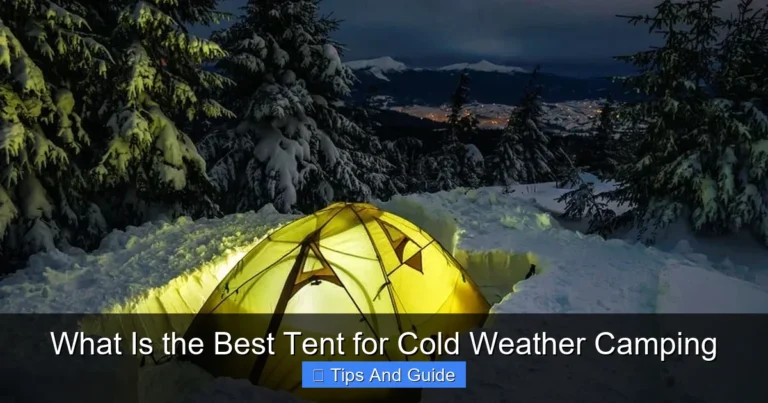
Start with a tent that matches your group size and the season. A 3-season tent works well for spring, summer, and fall, while a 4-season tent is built for harsh winter conditions. Look for features like waterproof fabric, ventilation windows, and easy setup. A dome-style tent is great for wind resistance, while a cabin-style offers more interior space.
Don’t Forget the Extras
Even the best tent needs support. Always bring a ground tarp to place under your tent—this prevents moisture from seeping up and protects the tent floor from wear. Pack extra stakes and a mallet, especially if you’re camping on soft ground or sand. Guy lines can help stabilize your tent in windy conditions.
If you’re setting up on a hard surface like concrete or a wooden platform, check out our guide on how to set up a camping tent on concrete for helpful tips. And for those using a deck or platform, how to setup tent on wooden platform offers smart anchoring solutions.
Sleep System: Stay Warm and Comfortable
A good night’s sleep is crucial when you’re camping. Without the right sleep system, you could wake up cold, sore, or restless.
Sleeping Bag and Pad
Your sleeping bag should match the expected temperature. Look for a bag with a comfort rating—this tells you the lowest temperature at which you’ll stay warm. Down bags are lightweight and compressible but lose insulation when wet. Synthetic bags are bulkier but perform better in damp conditions.
Pair your bag with a sleeping pad. It adds cushioning and acts as a barrier between you and the cold ground. Inflatable pads are comfortable but can puncture; foam pads are durable but less cushy. For more tips, read our article on the best way to sleep while tent camping.
Pillow and Extra Layers
Don’t skip the pillow—bring a compact camping pillow or use a stuff sack filled with clothes. If it gets chilly, layer up with a fleece or thermal blanket inside your sleeping bag. In winter, consider a sleeping bag liner for added warmth.
Cooking and Food Supplies
Eating well while camping keeps your energy up and makes the trip more enjoyable. But cooking in the wild requires planning.
Portable Stove and Fuel
A compact camping stove is a must. Propane or butane stoves are reliable and easy to use. Bring enough fuel for your trip—calculate based on meal frequency. Don’t forget matches or a lighter stored in a waterproof case.
Cookware and Utensils
Pack lightweight pots, a frying pan, and a kettle. A spork or camping utensil set saves space. Collapsible bowls and mugs are handy and easy to store. For cleanup, bring biodegradable soap, a sponge, and a small towel.
Food Storage and Safety
Store food in airtight containers to keep animals away. Use a bear-proof cooler or hang food in a bear bag if you’re in bear country. Never keep food in your tent. For more on safe storage, see our guide on how to store food when tent camping.
Clothing and Personal Items
What you wear matters just as much as what you bring. Dressing smart helps you adapt to changing weather.
Dress in Layers
Layering is the golden rule of outdoor clothing. Start with a moisture-wicking base layer, add an insulating mid-layer like fleece, and top it off with a waterproof outer shell. This system lets you adjust to temperature changes throughout the day.
Rain Gear and Footwear
Always pack a rain jacket and pants. Even if the forecast looks clear, mountain weather can change fast. Waterproof hiking boots with good grip are essential. Bring extra socks—wet feet lead to blisters and discomfort.
Toiletries and Hygiene
Pack travel-sized toiletries: toothbrush, toothpaste, biodegradable soap, hand sanitizer, and toilet paper. Use a small trowel to dig a cathole at least 6 inches deep and 200 feet from water sources when nature calls. Don’t forget sunscreen and insect repellent—bugs can be relentless.
Safety and Navigation Tools
Safety should always come first when you’re in the wilderness.
First Aid Kit
A well-stocked first aid kit is non-negotiable. Include bandages, antiseptic wipes, tweezers, pain relievers, and any personal medications. Add a small emergency blanket and a whistle for signaling help.
Lighting and Power
Bring a headlamp or flashlight with extra batteries. A headlamp keeps your hands free while setting up camp at night. A portable power bank ensures your phone stays charged for emergencies or navigation.
Map, Compass, and Navigation
Even with GPS, always carry a physical map and compass. Batteries die, and signals drop. Learn basic navigation skills before you go. Let someone know your itinerary and expected return time.
Leave No Trace: Pack It In, Pack It Out
Responsible camping protects nature and ensures future adventures remain beautiful.
Trash and Waste
Bring several trash bags and pack out everything you bring in. This includes food scraps, wrappers, and used toilet paper. Leave natural items like rocks and plants where you found them.
Respect Wildlife
Observe animals from a distance. Never feed them—human food harms their health and changes their behavior. Store food securely to avoid attracting wildlife to your campsite.
Bonus Tips for a Smooth Trip
– Test your gear at home before you go. Set up your tent in the backyard to check for missing parts.
– Pack a repair kit with duct tape, zip ties, and a sewing kit for quick fixes.
– Bring a camp chair for comfort around the fire.
– Check the weather forecast and adjust your packing list accordingly.
Conclusion
Knowing what to bring on tent camping trip doesn’t have to be overwhelming. With the right preparation, you can enjoy a safe, comfortable, and memorable outdoor experience. Focus on the essentials: shelter, sleep, food, clothing, safety, and environmental responsibility. Pack smart, stay flexible, and embrace the adventure.
Whether you’re heading to the mountains, forest, or lakeside, this checklist will help you feel confident and ready. For more tips on staying warm, cool, or comfortable, explore our related guides on best way to stay warm tent camping and best way to stay cool tent camping. Happy camping!
Frequently Asked Questions
What should I bring for a first-time tent camping trip?
Start with the basics: a tent, sleeping bag, sleeping pad, portable stove, food, water, clothing, and a first aid kit. Focus on comfort and safety, and don’t forget a flashlight and extra batteries.
How do I keep my tent dry during rain?
Use a waterproof ground tarp under your tent and make sure the rainfly is properly secured. Avoid drying wet gear inside the tent—use a vestibule or tarp-covered area instead.
Can I cook inside my tent?
No, never cook inside a tent. It’s a fire hazard and can lead to carbon monoxide buildup. Always cook outside, at least 20 feet from your tent.
How do I stay warm while tent camping in cold weather?
Use a sleeping bag rated for low temperatures, add a sleeping pad for insulation, and wear warm layers. Consider a hot water bottle or hand warmers for extra comfort.
What’s the best way to store food while camping?
Store food in airtight containers and keep them in a bear-proof cooler or hang them from a tree away from your campsite. Never leave food unattended or inside your tent.
Do I need a permit for tent camping?
It depends on the location. National parks, state parks, and some public lands require permits or reservations. Always check local regulations before you go.