What Tent to Buy for Group Long Term Camping
Choosing the right tent for group long term camping means balancing space, durability, and comfort. You need a shelter that stands up to weather, offers privacy, and feels like home over weeks outdoors.
Planning a group camping trip that lasts more than a weekend? You’re not just packing snacks and sleeping bags—you’re building a temporary home in the wild. Whether you’re spending two weeks at a music festival, a month in the mountains, or a summer by the lake, your tent becomes your base camp. That’s why choosing the right one isn’t just about shelter—it’s about comfort, safety, and sanity.
Group long term camping means more people, more gear, and more time spent inside. A flimsy pop-up won’t cut it. You need space to move, store belongings, and even host small gatherings. At the same time, you can’t ignore durability—wind, rain, and daily use will test your tent’s limits. The good news? With the right features and a little research, you can find a tent that feels like a cozy cabin under the stars.
Key Takeaways
- Prioritize size and layout: Look for tents with multiple rooms or vestibules to separate sleeping and living areas.
- Choose durable materials: Heavy-duty fabrics like ripstop polyester or canvas resist wear and tear over time.
- Focus on weather resistance: A high waterproof rating, strong poles, and sealed seams keep you dry in rain and wind.
- Ventilation is critical: Mesh panels and adjustable vents reduce condensation and improve airflow during extended stays.
- Ease of setup matters: Freestanding designs with color-coded poles save time and frustration, especially in bad weather.
- Consider insulation and climate control: For winter or cold nights, explore options like insulated liners or portable heaters.
- Accessories enhance comfort: Gear lofts, foot mats, and AC units make long-term camping more livable.
📑 Table of Contents
Why Long Term Camping Demands a Different Tent
Short weekend trips are forgiving. If your tent leaks a little or feels cramped, you can tough it out for a night or two. But when you’re staying for days or weeks, small flaws become big problems. Condensation builds up. Gear piles up. People need privacy. A tent that works for a quick overnight stay simply won’t hold up.
Long term camping also means more exposure to the elements. You might face sudden storms, temperature swings, or high humidity. Your tent needs to handle it all without failing. Plus, with multiple people, wear and tear happen faster. Zippers break, seams stretch, and fabric wears thin. That’s why investing in a high-quality, purpose-built tent is essential.
Space and Layout Are Everything
When camping with a group, square footage matters. Look for tents labeled as “family” or “cabin” style, which offer vertical walls and high ceilings. These designs maximize usable space, so you can stand up, change clothes, and move around without crouching.
For groups of 6 or more, consider a multi-room tent. Models with room dividers let you create separate sleeping zones—perfect for couples or families who want privacy. Vestibules are another must-have. They provide covered storage for muddy boots, backpacks, and coolers, keeping the main living area clean.
For example, an 8-person cabin tent with two dividers gives you three private rooms plus a central lounge. That’s ideal for a family reunion or friend group trip. Just remember: manufacturers often overstate capacity. A “6-person” tent might fit six sleeping bags, but not six people with gear. Always size up.
Durability Over Convenience
Long term camping means your tent will be up for weeks. That’s why durability beats convenience every time. Avoid ultra-light backpacking tents—they’re not built for daily use. Instead, look for:
- Heavy-duty floors: Polyester or polyethylene with a 1000mm+ waterproof rating.
- Reinforced poles: Fiberglass or aluminum frames that resist bending in wind.
- Quality zippers: YKK or equivalent, with storm flaps to prevent leaks.
Canvas tents are a top choice for long stays. They’re breathable, mold-resistant, and incredibly strong. While heavier and pricier, they last for years with proper care. For a lighter option, ripstop polyester with taped seams offers great protection without the bulk.
Weather Resistance and Climate Control
No one wants to wake up in a puddle. But beyond rain, long term campers face humidity, heat, and cold—all of which affect comfort.
Waterproofing and Seam Sealing
A tent’s waterproof rating (measured in mm) tells you how much water pressure it can handle. For long term use, aim for at least 1500mm—2000mm or higher is better. But don’t stop there. Check that all seams are factory-sealed or taped. Even the best fabric will leak if the stitching isn’t protected.
Full-coverage rainflies are essential. They should extend over the entire tent, including vestibules. This keeps rain from blowing in sideways during storms. Some high-end models even include bathtub floors—where the floor material wraps up the sides—to prevent groundwater seepage.
Ventilation to Prevent Condensation
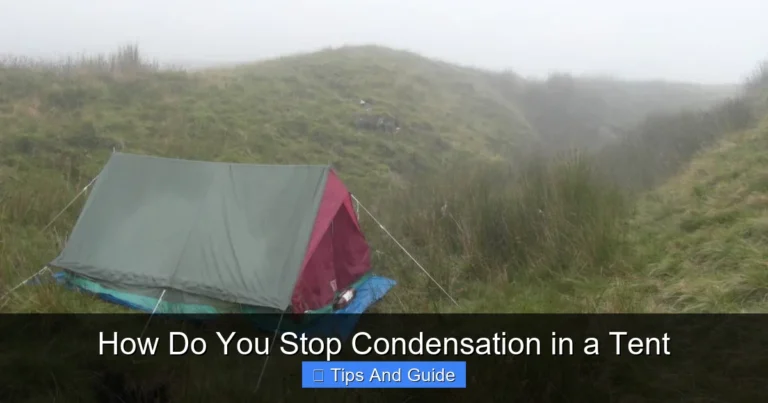
Condensation is the silent enemy of long term camping. It forms when warm, moist air from breathing and cooking hits cold tent walls. Over time, it leads to damp sleeping bags, mold, and discomfort.
The fix? Ventilation. Look for tents with large mesh panels, adjustable roof vents, and multiple windows. Cross-ventilation is key—air should flow from one side of the tent to the other. Some campers even add portable fans or vented skylights for extra airflow.
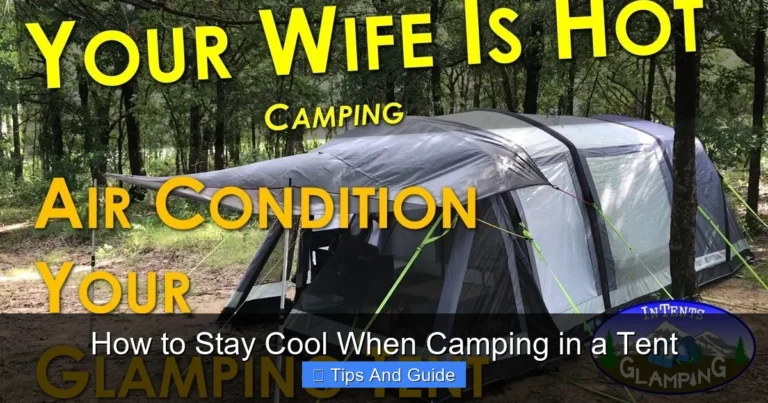
For summer trips, consider a tent with a sunshade or UV-resistant fabric. It keeps the interior cooler and protects against fabric degradation. And if you’re camping in the desert or high heat, pairing your tent with a portable AC unit can be a game-changer.
Ease of Setup and Portability
Let’s be honest: nobody wants to spend an hour assembling a tent in the rain. For long term stays, quick and reliable setup is a huge advantage.
Freestanding vs. Non-Freestanding Tents
Freestanding tents use internal poles and don’t require stakes to stand. This makes them easier to move, reposition, or set up on hard ground. They’re ideal for group camping where you might need to adjust your site.
Non-freestanding tents rely on guylines and stakes. While lighter, they’re harder to pitch on rocky or paved surfaces. For long term use, freestanding is almost always the better choice.
Instant and Pop-Up Options
Instant tents use pre-attached poles that “pop” into place in under a minute. They’re perfect for groups who want to minimize setup time. Brands like Coleman and Core offer reliable models with room dividers and good ventilation.
Just remember: instant doesn’t always mean indestructible. Check reviews for long term durability. And if you’re car camping, weight isn’t a concern—so don’t shy away from heavier, sturdier builds.
Comfort Features for Extended Stays
After the first few days, small comforts make a big difference. Think of your tent as a mini home—what would make it more livable?
Storage and Organization
Gear lofts, gear pockets, and hanging organizers keep things tidy. Look for tents with multiple interior pockets and a gear loft suspended from the ceiling. This keeps phones, books, and snacks off the floor.
Some campers add clip-on shelves or foldable tables. Others use under-bed storage bins if the tent has raised flooring. Every inch counts when you’re living out of a tent for weeks.
Sleeping and Bedding Solutions
A good night’s sleep is non-negotiable. Air mattresses or thick sleeping pads provide cushioning and insulation from the cold ground. For groups, consider cots—they elevate sleepers off the floor and add storage underneath.
And don’t forget bedding. Heavy-duty sleeping bags, blankets, and even small rugs can make your space feel cozy. For winter trips, an insulated tent liner or reflective barrier can boost warmth significantly.
Climate Control Add-Ons
Staying cool or warm often requires more than just the tent. In hot weather, a portable air conditioner or evaporative cooler can keep temperatures manageable. Just make sure your campsite allows generators or has power access.
For cold nights, a safe, tent-approved heater is a must. Catalytic or radiant heaters designed for indoor use work well, but never leave them unattended. Pair them with a carbon monoxide detector for safety.
Top Tent Recommendations for Group Long Term Camping
While the “best” tent depends on your group size and climate, here are a few standout options:
- Coleman WeatherMaster 6: Spacious, with a screened room and strong weather protection. Great for families.
- Core 9 Person Extended Dome: Instant setup, room divider, and excellent ventilation.
- White Duck Alpha Wall Tent: Canvas build, modular design, perfect for long stays in variable weather.
- NTK Laredo Tent: Heavy-duty, waterproof, and designed for extended use in harsh conditions.
Always read real user reviews—especially from campers who’ve used the tent for weeks, not just weekends.
Final Tips for Long Term Tent Care
Even the best tent needs maintenance. After each trip, clean it thoroughly, let it dry completely, and store it loosely in a breathable bag. Patch small tears immediately to prevent them from growing.
If you’re camping in one spot for weeks, consider a footprint or tarp underneath to protect the floor. And rotate your tent’s position occasionally to prevent ground moisture buildup.
With the right tent and a little care, your group can enjoy a comfortable, stress-free long term camping experience.
Frequently Asked Questions
What size tent do I need for a group of 6?
For six people with gear, choose a tent rated for 8–10 people. Manufacturers often underestimate space needs, so sizing up ensures comfort and storage room.
Can I use a backpacking tent for long term camping?
Not recommended. Backpacking tents are lightweight but lack durability, space, and ventilation for extended use. They’re designed for short trips, not daily living.
How do I keep my tent cool during summer camping?
Use mesh panels, open vents, and a reflective rainfly. Add a portable fan or evaporative cooler. For extreme heat, consider a tent with a sunshade or attach a tarp overhead.
Are canvas tents worth the investment?
Yes, if you camp frequently or in harsh conditions. Canvas is breathable, durable, and naturally water-resistant. It’s ideal for long term stays but requires more maintenance.
How often should I clean my tent?
Clean your tent after every trip. Remove dirt, let it dry completely, and store it dry to prevent mold and fabric damage. Spot-clean as needed during long stays.
Can I heat or cool my tent safely?
Yes, with proper equipment. Use tent-safe heaters with automatic shut-off and never leave them unattended. For cooling, portable AC units work if you have power access.