What Tent Is Good for Rain
Choosing the right tent for rainy conditions can make or break your outdoor adventure. A good rain tent needs a waterproof design, strong ventilation, and durable materials to keep you dry and comfortable. This guide breaks down everything you need to know.
Rain doesn’t have to ruin your camping trip—but the wrong tent definitely will. Whether you’re caught in a sudden summer storm or planning a multi-day trek through a rainforest, knowing what tent is good for rain can mean the difference between a cozy, dry night and a soggy, miserable one. The good news? With the right features and a little prep, you can stay comfortable no matter how hard it pours.
Many campers assume that any tent labeled “waterproof” will do the trick. But reality is more nuanced. Rain performance depends on a combination of design, materials, construction quality, and smart setup. From the type of rainfly to the floor fabric, every detail plays a role. In this guide, we’ll walk you through the essential features to look for, explain why certain tent styles outperform others in wet weather, and share practical tips to keep you dry—even when the skies open up.
Key Takeaways
- Waterproof Ratings Matter: Look for a tent with a hydrostatic head rating of at least 1,500mm for light rain and 3,000mm+ for heavy downpours.
- Dome and Cabin Tents Excel in Rain: Their sloped walls and full-coverage rainflies shed water effectively and resist wind.
- Sealed Seams Are a Must: Factory-taped or heat-sealed seams prevent leaks at stitching points—don’t skip this feature.
- Ventilation Prevents Condensation: Even in rain, airflow is crucial; choose tents with mesh panels and adjustable vents.
- Use a Ground Tarp: Always pair your tent with a properly sized, non-abrasive tarp to protect the floor from moisture and abrasion.
- Freestanding Designs Offer Flexibility: They’re easier to move and re-pitch if you need to adjust for drainage or slope.
- Test Before You Go: Practice setting up your tent at home and apply seam sealer if needed to ensure it’s rain-ready.
📑 Table of Contents
Understanding Waterproof Ratings and Materials
When evaluating what tent is good for rain, start with the basics: waterproof ratings and fabric types. Tent fabrics are measured using a metric called hydrostatic head (HH), which indicates how much water pressure a material can withstand before leaking. Think of it like this: the higher the number, the more rain-resistant the fabric.
Hydrostatic Head Explained
A rating of 1,000mm is considered water-resistant—fine for light drizzle but not reliable in sustained rain. For reliable rain protection, aim for at least 1,500mm for the rainfly and 2,000–3,000mm for the floor. High-end expedition tents often exceed 5,000mm, making them ideal for extreme weather. Always check both the fly and floor ratings—some budget tents skimp on floor waterproofing, which is a major weak point.
Fabric Types: Ripstop Nylon vs. Polyester
Most modern tents use either ripstop nylon or polyester. Ripstop nylon is lightweight, strong, and dries quickly—great for backpackers. Polyester is slightly heavier but more UV-resistant and less prone to stretching when wet. Both can be excellent in rain if properly coated with silicone or polyurethane (PU). Look for “PU-coated” or “silicone-treated” labels—they boost water resistance without adding much weight.
Tent Design Features That Matter in the Rain
Not all tent shapes are created equal when it comes to shedding water. Some designs naturally perform better in wet conditions due to their geometry and coverage.
Rainfly Coverage: Full vs. Partial
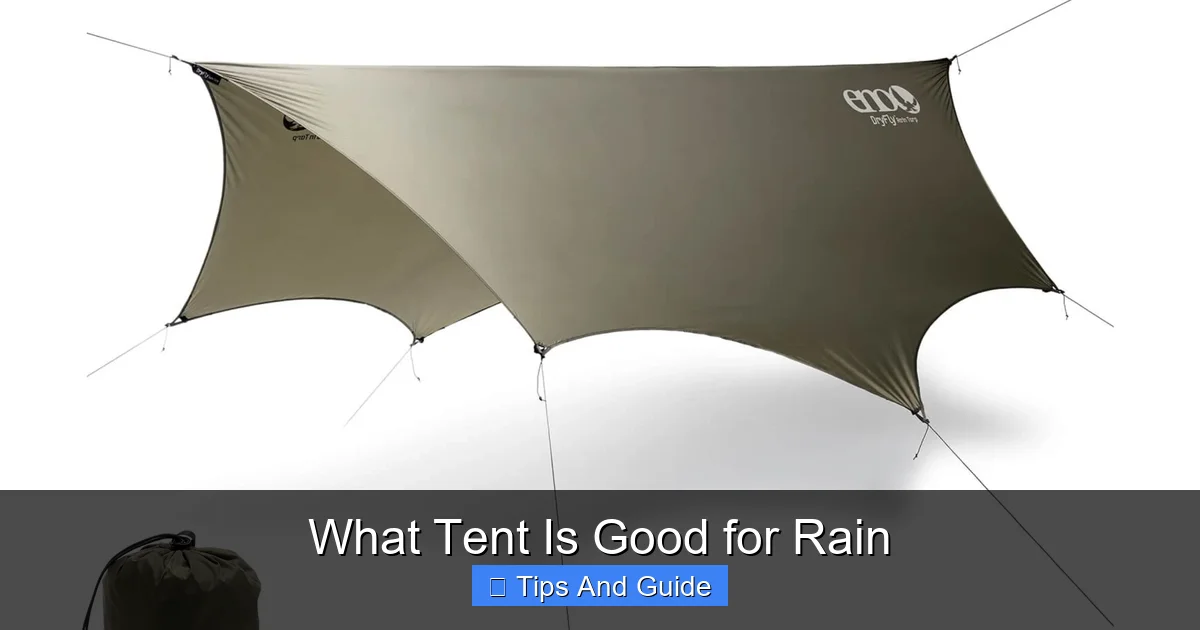
A full-coverage rainfly is non-negotiable for serious rain protection. It should extend over the entire tent body, including the vestibules, and drape close to the ground without touching it (to avoid wicking moisture). Partial-coverage flies, often found on ultralight or summer tents, leave sides exposed and are risky in heavy rain.
Dome and Cabin Tents: The Rain Champions
Dome tents, with their curved walls and aerodynamic shape, shed rain and resist wind well. They’re stable and spacious, making them a top pick for family camping in unpredictable weather. Cabin tents, while bulkier, offer vertical walls and large vestibules—perfect for car campers who want dry storage for gear. Both styles typically come with full rainflies and strong pole structures.
Vestibules: Your Dry Gear Zone
A vestibule is a covered entryway that keeps your boots, backpack, and cooking gear dry. Look for tents with large, well-designed vestibules—ideally on both sides for cross-ventilation. Some models, like those reviewed in our best 3 person tent for rain guide, offer extra-wide vestibules that double as mini porches.
Seams, Zippers, and Floor Protection
Even the best fabrics fail if the seams leak or the floor soaks through. These often-overlooked details are critical for rain readiness.
Seam Sealing: Factory-Taped vs. DIY
Most quality tents come with factory-taped seams, but it’s wise to inspect them. If your tent has unsealed seams, apply a seam sealer before your trip. Pay special attention to the floor seams—they’re most vulnerable to ground moisture. A quick home test: spray water on the seams and check for leaks.
Water-Resistant Zippers
Standard zippers can let water seep through the teeth. Look for tents with storm flaps over the zippers or water-resistant coatings. Some high-end models use waterproof zippers, though these are rare and add cost. At minimum, ensure the main door zipper is covered by a fabric flap.
Floor Fabric and Ground Protection
The tent floor takes a beating—from rocks, roots, and standing water. Choose a tent with a thick, durable floor (30–70 denier is standard; 100+ is better for rough terrain). Always use a ground tarp slightly smaller than the tent footprint to prevent water from pooling underneath. Avoid placing the tarp outside the tent walls—it can channel rain under your shelter.
Ventilation: The Secret to Staying Dry Inside
Here’s a surprise: staying dry isn’t just about keeping rain out—it’s also about managing condensation inside. Poor ventilation leads to moisture buildup, making your sleeping bag damp and your tent feel clammy.
Mesh Panels and Adjustable Vents
Look for tents with mesh roof panels and side vents that can be opened even when the rainfly is on. This allows airflow while keeping rain out. Some models feature dual vestibules with zippered vents—ideal for cross-breezes. Our best tent for rain camping article highlights several models with excellent airflow systems.
Avoiding Condensation Traps
Never let the inner tent touch the rainfly—this creates a condensation bridge. Pitch your tent taut, and avoid overstuffing the interior. If you’re car camping, consider a cabin-style tent with more headroom and better air circulation. For backpackers, a well-ventilated dome tent like those in our best backpack tent for heavy rain guide strikes a great balance.
Setting Up Your Tent for Maximum Rain Protection
A great tent won’t save you if it’s pitched poorly. Smart setup is half the battle in wet weather.
Choosing the Right Campsite
Avoid low spots, dry riverbeds, or areas with visible water flow. Look for slightly elevated ground with natural drainage. Clear away rocks and sticks that could puncture your floor. If possible, position the tent door away from the wind direction to minimize rain blowing in.
Proper Staking and Guy Lines
Use all provided stakes and guylines—even if the weather looks calm. Strong winds often accompany rainstorms. Angle stakes at 45 degrees away from the tent for maximum hold. Add extra guylines to the rainfly in stormy conditions to prevent flapping and reduce noise.
Using a Footprint or Tarp
A footprint (a custom-cut tarp that matches your tent floor) protects against abrasion and moisture. If your tent didn’t come with one, a generic polyethylene tarp works—just cut it 1–2 inches smaller than the tent base to avoid water pooling underneath.
Top Tent Recommendations for Rainy Conditions
While specific needs vary by group size and activity, certain tents consistently earn praise for rain performance. For families, the best 8 person tent for rain options offer spacious, stormworthy designs with full-coverage flies and robust poles. Backpackers should consider lightweight domes with high HH ratings and taped seams—our best tent for wind and rain list includes several top picks that weigh under 5 pounds but handle downpours like champions.
Ultimately, the best tent for rain is one that matches your camping style, fits your budget, and includes the features we’ve covered: waterproof materials, sealed seams, full rainfly, good ventilation, and smart setup. Don’t forget to test it at home before your trip—there’s nothing worse than discovering a leak halfway up a mountain trail.
Frequently Asked Questions
What’s the minimum hydrostatic head rating for a rain tent?
A rating of at least 1,500mm is recommended for the rainfly, while 2,000–3,000mm is ideal for the floor. Higher ratings (3,000mm+) are best for heavy or prolonged rain.
Can I use a summer tent in the rain?
Summer tents often have partial rainflies and poor ventilation for wet conditions. They’re risky in sustained rain—opt for a 3-season or all-weather tent instead.
Do I really need a ground tarp under my tent?
Yes. A tarp protects the floor from moisture, abrasion, and punctures. Just make sure it’s slightly smaller than the tent to avoid channeling water underneath.
How do I stop condensation in my tent during rain?
Ensure good airflow with mesh panels and open vents (even under the rainfly). Avoid letting the inner tent touch the rainfly, and don’t cook or boil water inside the tent.
Are pop-up tents good for rain?
Most pop-up tents lack full-coverage rainflies and durable floors, making them poor choices for heavy rain. Check our best pop up tent for rain guide for rare exceptions.
Should I seam seal my tent before a rainy trip?
If your tent doesn’t have factory-taped seams, yes. Apply seam sealer to all stitching, especially on the floor and rainfly, and let it cure fully before packing.