What Temperature Is Too Cold for Tent Camping
Knowing what temperature is too cold for tent camping can mean the difference between an unforgettable adventure and a dangerous situation. While experienced campers can handle sub-freezing temps with proper gear, beginners should avoid camping below 20°F (-6°C) without preparation.
Key Takeaways
- Below 20°F (-6°C) is generally too cold for most campers: This temperature range increases the risk of hypothermia and frostbite, especially without specialized gear.
- Your experience level matters more than the thermometer: Beginners should avoid cold-weather camping until they’ve built skills and confidence in milder conditions.
- Proper gear is non-negotiable in cold weather: A four-season tent, sleeping bag rated for low temps, and insulated sleeping pad are essential for safety.
- Wind chill dramatically affects perceived temperature: A calm 30°F day feels much colder with wind, increasing the danger even if the air temperature seems manageable.
- Layering clothing and staying dry are critical: Moisture from sweat or snow can quickly lead to heat loss, so moisture-wicking base layers are a must.
- Choose your campsite wisely: Avoid low-lying areas where cold air settles and look for natural windbreaks like trees or rock formations.
- Know the signs of hypothermia and frostbite: Shivering, confusion, numbness, and pale skin are warning signs that require immediate action.
📑 Table of Contents
What Temperature Is Too Cold for Tent Camping?
Camping under a starry sky, waking up to frost-covered grass, and sipping hot cocoa by a crackling fire—these are the images that make cold-weather camping so appealing. But while the idea of a winter adventure sounds romantic, the reality can be harsh if you’re not prepared. One of the most common questions new campers ask is: *What temperature is too cold for tent camping?* The answer isn’t just about numbers on a thermometer—it’s about understanding your limits, having the right gear, and respecting the power of nature.
There’s no universal cutoff, but most outdoor experts agree that temperatures below 20°F (-6°C) are generally too cold for casual or beginner campers. At this point, the risks of hypothermia, frostbite, and gear failure increase significantly. That said, experienced campers with proper equipment can safely camp in temperatures well below freezing—even into the single digits. The key difference? Preparation, knowledge, and the right tools for the job.
Understanding Cold Weather Risks
Before you pack your bags and head into the snow, it’s important to understand what cold weather actually does to your body and gear. Cold isn’t just uncomfortable—it can be deadly if ignored.
Hypothermia: The Silent Threat
Hypothermia occurs when your body loses heat faster than it can produce it, causing your core temperature to drop below 95°F (35°C). Early signs include shivering, fatigue, and confusion. If untreated, it can lead to organ failure and death. Even at temperatures above freezing, hypothermia is possible—especially if you’re wet, tired, or not dressed properly.
For example, a camper caught in a sudden rainstorm at 40°F (4°C) can develop hypothermia if their clothes get soaked and they can’t dry off. That’s why staying dry is just as important as staying warm.
Frostbite: When Skin Freezes
Frostbite happens when skin and underlying tissues freeze, usually in extremities like fingers, toes, ears, and nose. It starts with numbness and a tingling sensation, followed by hard, pale skin. Severe cases can lead to permanent damage or amputation.
Wind chill plays a huge role here. A temperature of 20°F (-6°C) with 20 mph winds feels like 5°F (-15°C). At that point, exposed skin can freeze in under 30 minutes. Always cover your head, hands, and feet—even if it doesn’t “feel that cold.”
When Is It Too Cold? A Temperature Guide
So, what’s the magic number? Let’s break it down by temperature range and what it means for your camping trip.
Above 32°F (0°C): Manageable with Preparation
Temperatures just below freezing are generally safe for most campers, especially if you have a good sleeping bag and insulated pad. This is the sweet spot for winter camping beginners. You’ll want a sleeping bag rated for at least 20°F (-6°C), and a sleeping pad with an R-value of 4 or higher to prevent heat loss to the ground.
20°F to 32°F (-6°C to 0°C): Challenging but Doable
This range is where things get serious. You’ll need a four-season tent designed to handle snow and wind, like the ones reviewed in our guide to the best camping tent for cold weather. A high-quality sleeping bag rated for 0°F (-18°C) or lower is essential, and you should consider a sleeping bag liner for extra warmth.
Below 20°F (-6°C): Only for Experienced Campers
This is the danger zone for most people. Unless you’re an experienced winter camper with specialized gear, it’s best to avoid camping in these conditions. Even then, you’ll need a four-season tent, a sleeping bag rated for -10°F (-23°C) or lower, and multiple layers of insulated clothing. And don’t forget the importance of a reliable heat source—like a safe, well-ventilated camp stove.
Essential Gear for Cold Weather Camping
You can’t rely on summer gear when the mercury drops. Cold-weather camping demands specialized equipment to keep you safe and comfortable.
Choose the Right Tent
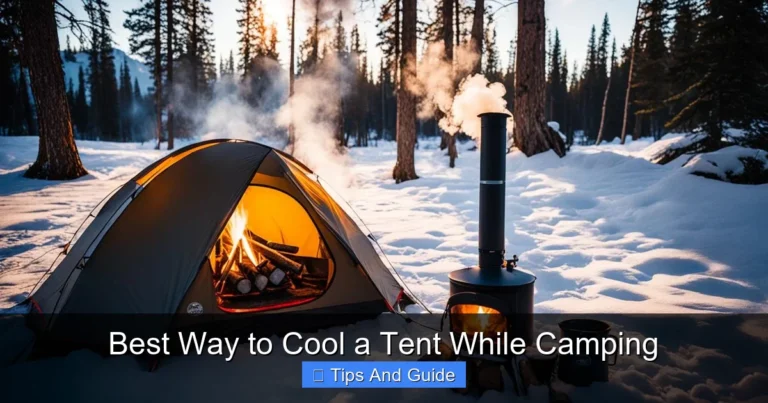
Not all tents are created equal. Three-season tents are great for spring, summer, and fall, but they’re not built for snow loads or high winds. For cold weather, you need a four-season tent with a sturdy frame, reinforced poles, and a full-coverage rainfly. These tents are heavier, but they’re designed to withstand harsh conditions.
Check out our recommendations for the best 8 person tent for cold weather if you’re camping with a group and need extra space and durability.
Sleeping Bag and Pad: Your First Line of Defense
Your sleeping bag should be rated for at least 10°F lower than the expected low temperature. Down bags are lightweight and warm but lose insulation when wet. Synthetic bags are heavier but perform better in damp conditions.
Equally important is your sleeping pad. A high R-value (4 or higher) pad insulates you from the cold ground. Consider using two pads—like a closed-cell foam pad under an inflatable one—for maximum warmth.
For a deeper dive, read our guide on the best air mattress for tent camping, which compares comfort and insulation options.
Layer Up: Clothing That Works
Cotton is the enemy in cold weather—it traps moisture and loses all insulating power when wet. Instead, use a layering system:
– **Base layer:** Moisture-wicking fabric like merino wool or synthetic materials.
– **Mid layer:** Fleece or down for insulation.
– **Outer layer:** Windproof and waterproof shell.
Don’t forget a warm hat, insulated gloves, and wool socks. A buff or neck gaiter can protect your face from windburn.
Tips for Staying Warm and Safe
Gear alone won’t keep you safe—your habits matter just as much.
Stay Dry
Sweat is your biggest enemy. If your base layer gets damp, you’ll lose heat rapidly. Ventilate your tent when possible, and avoid overexertion. Change into dry clothes before bed, especially socks.
Eat and Drink Enough
Your body burns more calories in the cold to stay warm. Eat high-energy snacks like nuts, chocolate, and jerky. Drink plenty of water—dehydration increases the risk of hypothermia. Avoid alcohol; it may make you feel warm, but it actually lowers your core temperature.
Use a Hot Water Bottle
Fill a Nalgene bottle with hot water and place it in your sleeping bag. It’s a simple trick that can make a huge difference on a freezing night.
Set Up Smart
Pitch your tent on flat, dry ground. Avoid valleys where cold air pools. Use natural windbreaks like trees or rocks, but don’t camp directly under dead branches that could fall in high winds.
When to Call It Quits
No adventure is worth your life. If the weather turns severe—blizzard conditions, whiteouts, or temperatures plunging below 10°F (-12°C)—it’s time to pack up and head home. Always check the forecast before you go, and have an exit plan.
Even experienced campers know when to turn back. Listen to your body. If you’re shivering uncontrollably, feeling disoriented, or noticing numbness in your fingers or toes, seek warmth immediately.
Final Thoughts
So, what temperature is too cold for tent camping? The short answer: it depends. For most people, anything below 20°F (-6°C) is pushing the limits without serious preparation. But with the right gear, knowledge, and respect for the elements, you can safely enjoy the magic of winter camping—even in sub-freezing temperatures.
Start slow. Try a late-fall trip in the 30s (°F) before attempting a true winter adventure. Invest in quality gear, learn from experienced campers, and always prioritize safety over scenery.
Remember, the best camping trip isn’t the one with the most extreme conditions—it’s the one where you come home safe, warm, and eager for the next adventure.
Frequently Asked Questions
Is 30°F too cold for tent camping?
No, 30°F (-1°C) is generally safe for tent camping with proper gear. Use a sleeping bag rated for 20°F or lower, a good sleeping pad, and dress in layers. Just be prepared for chilly nights and possible frost.
Can you camp in 20°F weather?
Yes, but only with a four-season tent, a sleeping bag rated for 0°F or lower, and insulated clothing. This temperature is challenging and not recommended for beginners without experience or proper equipment.
What is the lowest temperature you can camp in?
Experienced campers have camped in temperatures as low as -40°F (-40°C) with specialized gear. However, for most people, anything below 20°F (-6°C) is too cold without extensive preparation and cold-weather training.
Do I need a special tent for cold weather camping?
Yes. A four-season tent is essential for cold weather because it’s built to handle snow, wind, and low temperatures. Three-season tents are not designed for winter conditions and may fail in harsh weather.
How do I keep my tent warm at night?
Use a high-quality sleeping bag, insulated sleeping pad, and consider a hot water bottle. Ventilate your tent to reduce condensation, and avoid bringing wet gear inside. Layer clothing and keep your head covered.
What should I do if I start to feel too cold while camping?
Get into your sleeping bag immediately, change into dry clothes, and drink warm fluids. If you show signs of hypothermia (confusion, slurred speech, or intense shivering), seek emergency help and warm the person gradually.