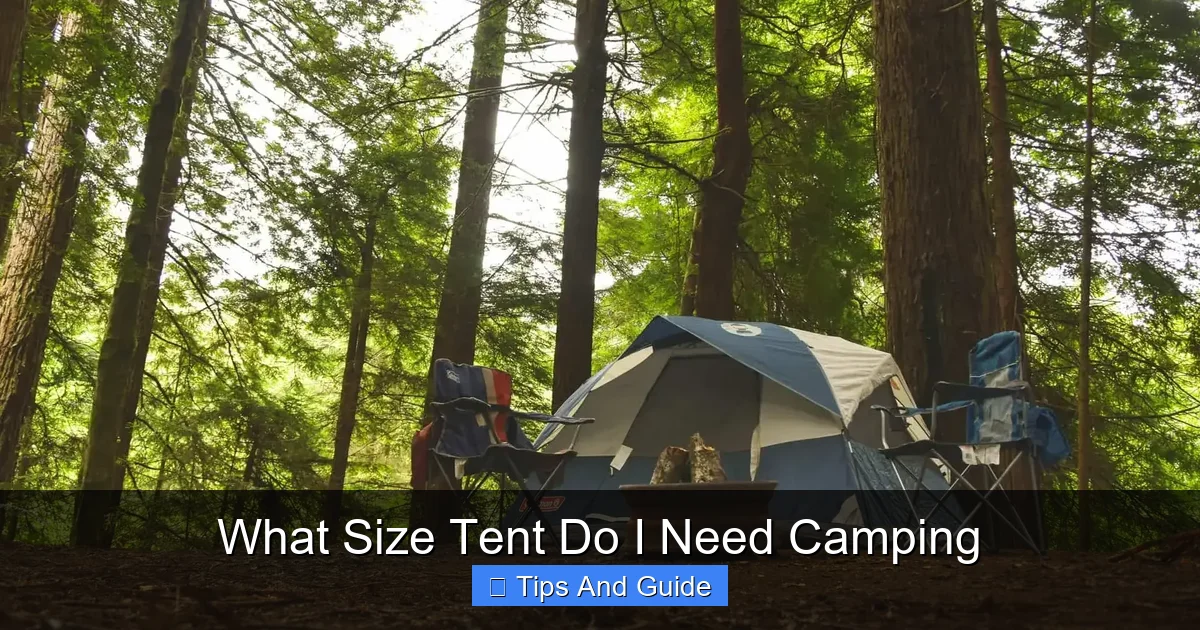
What Size Tent Do I Need Camping
Choosing the right tent size is crucial for a comfortable camping experience. A tent that’s too small leads to cramped nights, while one that’s too big is heavy and unnecessary. This guide helps you match tent size to your group, gear, and camping style.
Key Takeaways
- Match tent capacity to sleeping needs: A 2-person tent fits two people snugly; add 1–2 extra capacity for comfort and gear.
- Consider gear storage: Factor in backpacks, coolers, and clothing—most campers need 10–15 sq ft per person beyond sleeping space.
- Account for weather and season: Winter camping or stormy conditions may require more space for layers and safety.
- Think about tent height: Taller campers or those who like to sit up should look for tents with peak heights over 48 inches.
- Group vs. family camping: Families often prefer multi-room tents like a 3-room camping tent for privacy and organization.
- Car camping allows bigger tents: If you’re not backpacking, size is less of a concern—opt for spacious models like a best big tent for camping.
- Test before you go: Practice setting up your tent at home to ensure it fits your space and meets your expectations.
📑 Table of Contents
What Size Tent Do I Need Camping? A Complete Guide
So, you’ve decided to go camping—congrats! There’s nothing quite like sleeping under the stars, breathing in fresh air, and disconnecting from the daily grind. But before you hit the trail or pitch your site at the campground, there’s one big question you need to answer: what size tent do I need camping?
It might seem simple at first. After all, tents are labeled as 2-person, 4-person, 6-person, and so on. But those numbers can be misleading. A “4-person tent” doesn’t always mean four adults can sleep comfortably—especially if you’re bringing gear, kids, or pets. The truth is, choosing the right tent size is about more than just counting heads. It’s about comfort, space, weather, and how you plan to use your tent.
In this guide, we’ll walk you through everything you need to know to pick the perfect tent size for your next adventure. Whether you’re a solo backpacker, a couple on a romantic getaway, or a family of five with a dog in tow, we’ve got you covered. Let’s dive in.
Understanding Tent Capacity Labels
Most tents come with a capacity rating—like 2-person, 4-person, or 8-person. But here’s the catch: these numbers are based on minimal sleeping space. Manufacturers often assume each person needs about 15–20 square feet, which is just enough to lie down with a sleeping bag. That means a 4-person tent might technically fit four people, but it’ll feel cramped, especially if you’re over six feet tall or like to stretch out.
Why Capacity Ratings Can Be Misleading
Imagine four adults trying to sleep in a tent with only 80 square feet of floor space. That’s 20 sq ft per person—tight, especially if you’re sharing with someone who moves around at night. Plus, there’s no room for backpacks, boots, or a small cooler. That’s why many experienced campers recommend sizing up. For example, if you’re two people, consider a 3- or 4-person tent. This gives you extra space for gear and a more comfortable night’s sleep.
Real-World Example: 2-Person vs. 3-Person Tent
Let’s say you and your partner are going on a weekend trip. A 2-person tent might work, but you’ll be sleeping close—like, really close. If you value personal space or plan to bring a dog, a best 3-person tent for camping is a smarter choice. You’ll have room to store your backpacks inside, and you won’t feel like you’re sharing a closet.
How Many People Are Camping?
The first step in choosing a tent size is figuring out how many people will be sleeping inside. But don’t stop there. Ask yourself:
- Are you camping with kids? They take up less space but may want their own “zone.”
- Are you bringing a pet? Dogs can add warmth but also take up room.
- Will someone be using a wheelchair or mobility aid? You’ll need extra space for movement.
Group Size Recommendations
Here’s a quick rule of thumb:
- 1 person: A 2-person tent gives you room for gear and comfort.
- 2 people: Go for a 3- or 4-person tent, especially if you’re car camping.
- 3–4 people: A 6-person tent is ideal for families or small groups.
- 5–6 people: Look for an 8- or 10-person tent, like the best biggest tent for camping.
For example, a family of four with two young kids might feel fine in a 6-person tent. But if the kids are teens or you’re bringing a lot of gear, an 8-person model with multiple rooms could be better.
Don’t Forget Your Gear
One of the biggest mistakes campers make is forgetting about their stuff. Sure, you can fit two people in a 2-person tent—but where do you put your backpacks, hiking boots, rain jackets, and that giant cooler full of snacks?
How Much Space Does Gear Take?
On average, each person brings about 10–15 square feet of gear. That includes:
- Backpack (3–5 sq ft)
- Sleeping bag and pad (already in the tent, but bulky)
- Clothing bags (2–3 sq ft)
- Footwear (1–2 sq ft)
- Personal items (phone, books, toiletries—1 sq ft)
If you’re car camping, you might also bring camp chairs, a portable stove, or even a small table. That’s why many campers prefer tents with vestibules—covered areas outside the main entrance—for storing wet or dirty gear.
Tip: Use Packing Cubes and Compression Sacks
To save space, pack your clothes in compression sacks and use packing cubes. This keeps things organized and reduces bulk. You’ll be amazed at how much more fits when everything is neatly packed.
Tent Height and Interior Space
Floor space matters, but so does height. If you’re over six feet tall or just like to sit up in your tent, you’ll want a model with a high peak height.
Peak Height Guidelines
- Under 48 inches: Best for kids or low-profile backpacking tents.
- 48–60 inches: Good for most adults to sit up comfortably.
- Over 60 inches: Ideal for taller campers or those who want to stand inside.
For example, a dome tent with a 54-inch peak height lets most people sit up without hitting their head. But if you’re 6’2” and want to change clothes inside, look for a cabin-style tent with 70+ inches of headroom.
Bonus: Vestibules and Rooms
Some tents come with vestibules—great for storing boots and backpacks. Others have multiple rooms, like a best 3-room camping tent, which is perfect for families who want privacy. A gear loft or hanging pockets can also help keep small items off the floor.
Weather and Season Matter
The time of year and weather conditions can influence your tent size choice. Winter camping, for instance, often requires more space.
Winter Camping Considerations
In cold weather, you’ll likely wear more layers, use a thicker sleeping pad, and maybe even bring a small heater. All of that takes up space. Plus, you want room to move around without knocking over your gear in the middle of the night.
Stormy weather also plays a role. A larger tent can feel safer and more stable in high winds, and it gives you space to hunker down if you’re stuck inside for hours.
Summer and Beach Camping
If you’re camping on the beach, you might want extra space for sand-covered gear. A best beach tent camping model often includes sand pockets and UV protection. These tents are usually wider and lower to the ground, which helps with wind resistance.
Car Camping vs. Backpacking
Your mode of transportation affects tent size more than you might think.
Car Camping: Go Big
If you’re driving to your campsite, weight and pack size aren’t as big of a concern. That means you can go for a larger, more comfortable tent. A 6- or 8-person cabin tent with room dividers and a high ceiling is perfect for car camping families.
Backpacking: Keep It Light
Backpackers need to prioritize weight and compactness. A 2-person backpacking tent might weigh under 4 pounds and pack down to the size of a water bottle. But remember: you’re sacrificing space for portability. If you’re going on a multi-day hike, a slightly larger tent (like a 3-person) can make a big difference in comfort.
Final Tips for Choosing the Right Tent Size
Before you buy, ask yourself these questions:
- How many people are sleeping in the tent?
- Will we be bringing pets or extra gear?
- Do we need room to sit up or stand?
- Are we camping in winter or summer?
- Are we backpacking or car camping?
And don’t forget to read reviews! Real campers often share insights about how spacious (or cramped) a tent actually feels.
Ultimately, the best tent size is one that balances comfort, space, and practicality. A little extra room can turn a stressful night into a peaceful one. So when in doubt, size up.
Frequently Asked Questions
How do I know if a tent is too small?
If you can’t lie down comfortably, store your gear inside, or sit up without hitting the roof, the tent is likely too small. Always test it at home before your trip.
Can I fit 4 people in a 4-person tent?
Technically yes, but it will be tight. For comfort and gear storage, most campers recommend a 6-person tent for four people.
Do I need a bigger tent if I’m camping with a dog?
Yes, pets take up space and may need their own sleeping area. Add at least one person’s worth of capacity to your tent size.
What’s the best tent size for a family of five?
An 8- or 10-person tent with multiple rooms is ideal. It gives everyone space and keeps gear organized.
Are taller tents better for camping?
Not necessarily. Taller tents offer more headroom but can be less stable in wind. Choose height based on your needs and camping conditions.
Can I use a backpacking tent for car camping?
You can, but it’s usually too small and lightweight for comfort. Car camping allows for larger, more durable tents with better features.