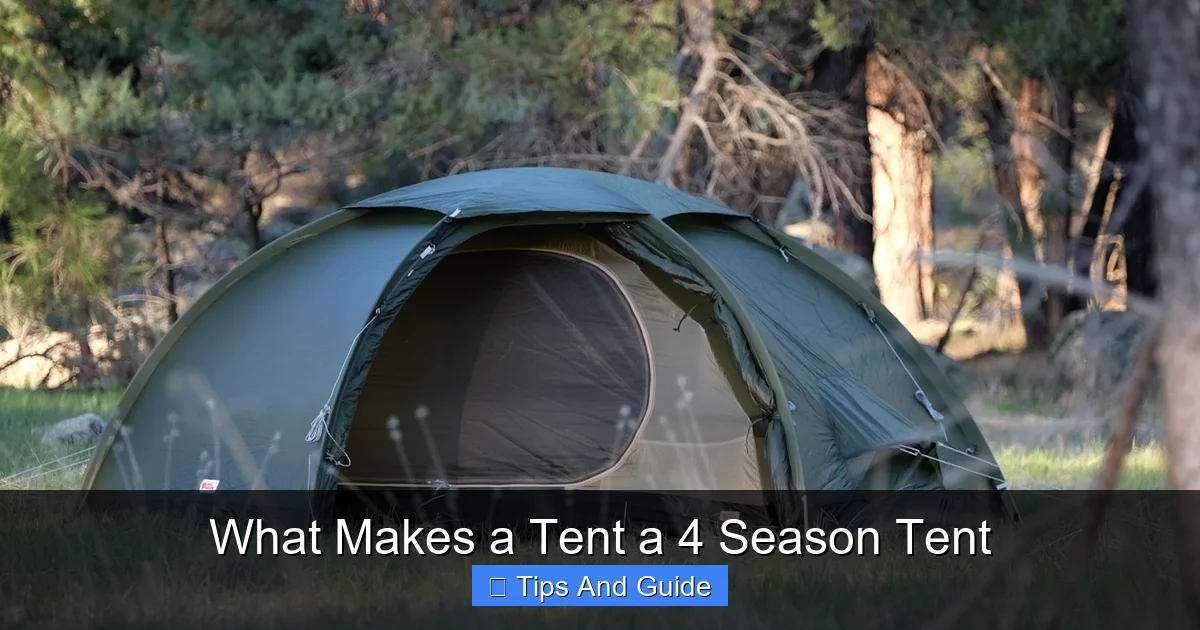
What Makes a Tent a 4 Season Tent
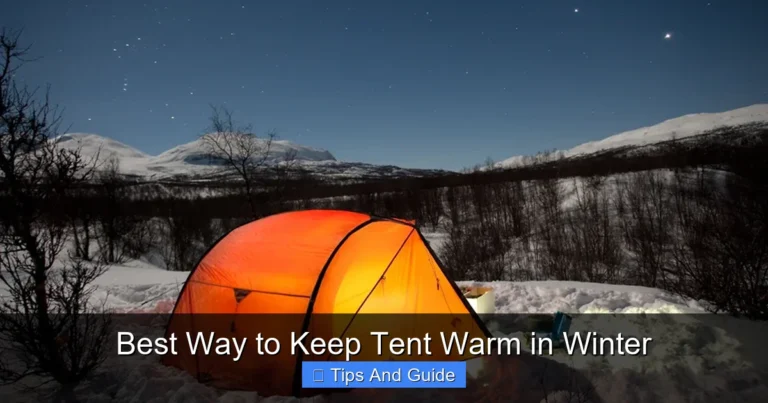
Not all tents are built for extreme weather. A true 4 season tent is engineered to handle snow, wind, and freezing temperatures while keeping you safe and warm. Unlike lighter 3-season models, these tents prioritize strength, insulation, and storm resistance for reliable performance in winter and alpine conditions.
Key Takeaways
- Robust frame and poles: 4 season tents use stronger, often aluminum or reinforced fiberglass poles to withstand heavy snow and high winds.
- Weatherproof materials: High-denier fabrics, full-coverage rainflies, and taped seams prevent water and wind from penetrating the tent.
- Enclosed design: Minimal mesh and fully sealed walls reduce heat loss and block cold drafts, improving insulation.
- Steep walls and low profile: These features help shed snow and resist wind pressure, enhancing stability in harsh conditions.
- Ventilation with protection: Strategic vents prevent condensation while maintaining storm resistance.
- Heavy-duty flooring: Thick, durable floors resist abrasion and moisture, essential for snow and rocky terrain.
- Designed for winter camping: 4 season tents are ideal for mountaineering, snow camping, and high-altitude expeditions.
📑 Table of Contents
What Makes a Tent a 4 Season Tent?
When you’re planning a winter camping trip or preparing for a high-altitude climb, your gear needs to be more than just durable—it needs to be survival-ready. That’s where 4 season tents come in. Unlike their lighter 3-season cousins, 4 season tents are built to endure the harshest conditions nature can throw at them: driving snow, freezing winds, and sub-zero temperatures.
But what exactly sets them apart? It’s not just about being “winter-proof.” A true 4 season tent combines structural strength, advanced materials, and smart design to create a safe, insulated shelter that can stand up to extreme weather. Whether you’re trekking through the Rockies in January or setting up base camp on a snowy mountain slope, understanding these key features will help you choose the right tent for your adventure.
In this guide, we’ll break down the essential elements that define a 4 season tent—from pole strength to ventilation systems—and explain why each one matters when the weather turns brutal.
1. Stronger Frame and Pole Construction
One of the most noticeable differences between a 4 season tent and a 3-season model is the frame. While 3-season tents often use lightweight aluminum or fiberglass poles to save weight, 4 season tents go a step further with thicker, more robust materials.
Aluminum vs. Fiberglass Poles
Most high-quality 4 season tents use 7001 or 7075 aluminum alloy poles. These metals offer an excellent strength-to-weight ratio and resist bending or snapping under pressure. In contrast, cheaper fiberglass poles may crack in extreme cold or high winds.
Reinforced Joints and Connections
The junctions where poles connect are stress points during storms. 4 season tents often feature reinforced grommets, double-welded joints, or shock-corded pole systems that maintain tension even when flexed by wind or snow load.
Example in Action
Imagine setting up camp during a blizzard. A 3-season tent might collapse under the weight of snow or buckle in 50 mph gusts. But a well-built 4 season tent, like those found in our guide to the best backpacking tent 4 season, will remain standing thanks to its sturdy frame.
2. Weather-Resistant Materials and Fabrics
The fabric of a 4 season tent is engineered for maximum protection. Every component—from the rainfly to the floor—is designed to block wind, repel water, and resist tearing.
High Denier Fabrics
Denier measures fabric thickness. Most 4 season tents use 70D to 150D nylon or polyester for the rainfly and walls—significantly heavier than the 20D to 40D fabrics common in 3-season models. This added thickness improves durability and wind resistance.
Full-Coverage Rainfly
Unlike 3-season tents that may have partial rainflies with large mesh sections, 4 season tents feature full-coverage rainflies that extend all the way to the ground. This prevents snow and wind from sneaking in from the sides.
Taped and Seam-Sealed Construction
All seams are factory-taped or heat-sealed to prevent water from seeping through stitching holes. This is crucial in snowy conditions where melting snow can drip into poorly sealed tents.
Waterproof Ratings
Look for tents with a hydrostatic head rating of at least 3,000mm for the rainfly and 5,000mm for the floor. These ratings indicate how much water pressure the fabric can withstand before leaking—essential for long-term snow exposure.
3. Insulated, Enclosed Design
A 4 season tent isn’t just about keeping water out—it’s also about keeping warmth in. That’s why these tents have a much more enclosed design compared to breezy 3-season models.
Minimal Mesh Panels
While 3-season tents rely heavily on mesh for ventilation and bug protection, 4 season tents minimize mesh to reduce heat loss. Any mesh used is often covered by a waterproof layer that can be zipped shut during storms.
Double-Wall Construction
Most 4 season tents are double-wall, meaning they have an inner tent and a separate rainfly. This design traps a layer of insulating air between the layers, helping retain body heat and reduce condensation.
Draft-Free Zippers and Flaps
Zipper flaps, storm flaps, and draft tubes cover zippers to prevent cold air from sneaking in. Some models even feature dual zippers with internal and external covers for added protection.
Real-World Benefit
If you’ve ever woken up shivering in a 3-season tent during a cold snap, you’ll appreciate the difference. A 4 season tent, like those recommended in our best affordable 4 season tent list, keeps the cold out and the warmth in—even when temperatures drop below freezing.
4. Aerodynamic Shape and Stability
Wind and snow are the biggest threats to tent integrity in winter conditions. A 4 season tent’s shape is carefully designed to handle both.
Low Profile and Steep Walls
These tents often have a dome or geodesic shape with steeply angled walls. This allows snow to slide off easily and reduces wind resistance. A low center of gravity also improves stability in high winds.
Geodesic and Semi-Geodesic Designs
Geodesic tents cross multiple poles over the top, creating a web-like structure that distributes stress evenly. This makes them ideal for exposed ridges or alpine environments. Semi-geodesic models offer a balance of strength and easier setup.
Multiple Guylines and Anchor Points
4 season tents come with extra guylines and reinforced tie-out points. These allow you to secure the tent tightly to the ground using snow stakes, rocks, or deadmen (buried anchors) in snowy conditions.
Pro Tip
Always pitch your 4 season tent with the door facing away from the wind. Use all available guylines and weigh down the rainfly with snow if stakes won’t hold. For more on setup in tough conditions, check out our guide on the best way to set up a tent in the rain.
5. Smart Ventilation Systems
One challenge with enclosed tents is condensation. Without proper airflow, moisture from breathing and wet gear can build up inside, making the tent feel damp and cold.
Adjustable Roof Vents
Many 4 season tents feature high and low vents that can be opened or closed as needed. Roof vents allow warm, moist air to escape, while low vents draw in cooler, drier air—creating a natural circulation loop.
Condensation Management
Look for tents with vent flaps that can be adjusted from inside, so you don’t have to expose yourself to the cold. Some models also include interior pockets or gear lofts to keep wet items off the walls.
Balancing Warmth and Airflow
The key is to ventilate without losing too much heat. On calm nights, open vents slightly. During storms, close them but leave a small gap to prevent total stagnation.
6. Heavy-Duty Flooring and Ground Protection
The floor of a 4 season tent takes a beating—especially on snow, ice, or rocky terrain. That’s why durability is a top priority.
Thick, Abrasion-Resistant Floors
Floors are typically made from 150D to 300D polyester or nylon with a high waterproof rating. This prevents melting snow from soaking through and protects against sharp objects.
Bathtub-Style Construction
In this design, the floor material extends slightly up the tent walls, creating a “bathtub” effect that prevents water from seeping in from the ground—even if snow melts around the edges.
Use a Ground Tarp
Even with a tough floor, it’s wise to use a footprint or tarp underneath. This adds an extra layer of protection and extends the life of your tent. For tips, see our guide on the best way to put a tarp under a tent.
When to Choose a 4 Season Tent
So, do you really need a 4 season tent? It depends on your camping style.
These tents are ideal for:
– Winter camping in snowy or mountainous regions
– High-altitude backpacking and mountaineering
– Expeditions where weather can change rapidly
– Solo or small-group adventures where reliability is critical
However, they are heavier and less ventilated than 3-season tents, making them overkill for spring, summer, or fall camping in mild climates. If you’re planning a family trip in the summer, a best camping tent for a family of 4 might be a better fit.
Conclusion
A 4 season tent is more than just a winter shelter—it’s a critical piece of safety gear designed for extreme conditions. From reinforced poles and storm-proof fabrics to insulated designs and smart ventilation, every feature serves a purpose: to keep you safe, dry, and warm when the weather turns hostile.
While they may cost more and weigh more than 3-season alternatives, the peace of mind and performance they offer in harsh environments are unmatched. Whether you’re summiting a peak or camping in a snowy forest, investing in a quality 4 season tent is a decision you won’t regret.
Before your next winter adventure, take time to evaluate your needs and choose a tent that matches the conditions you’ll face. With the right gear, even the coldest nights can feel like home.
Frequently Asked Questions
What’s the difference between a 3-season and a 4 season tent?
A 3-season tent is designed for spring, summer, and fall—offering lightweight construction and maximum ventilation. A 4 season tent is built for winter and extreme weather, with stronger materials, enclosed designs, and better insulation to handle snow, wind, and cold.
Can I use a 4 season tent in the summer?
Yes, but it may feel overly warm and stuffy due to limited ventilation. 4 season tents are heavier and less breathable, so they’re best reserved for cold-weather trips unless you’re camping in a high-altitude or windy location.
Do 4 season tents need special care?
Yes. After winter use, always dry your tent thoroughly to prevent mold and mildew. Store it loosely in a cool, dry place—never leave it compressed for long periods, as this can damage the fabric and coatings.
Are 4 season tents worth the extra cost?
If you camp in snow, high winds, or freezing temperatures, absolutely. The added durability, safety, and comfort make them a worthwhile investment for serious winter campers and mountaineers.
Can I heat a 4 season tent safely?
Heating a tent requires extreme caution. Use only approved tent heaters with automatic shut-off and never leave them unattended. Proper ventilation is essential to prevent carbon monoxide buildup. For tips, see our guide on the best way to heat a tent without electricity.
How do I keep my 4 season tent from freezing shut?
Shake off snow before entering, use a tent brush to clear frost, and keep zippers lubricated with silicone spray. Store gear in a vestibule to minimize moisture inside the main cabin.