

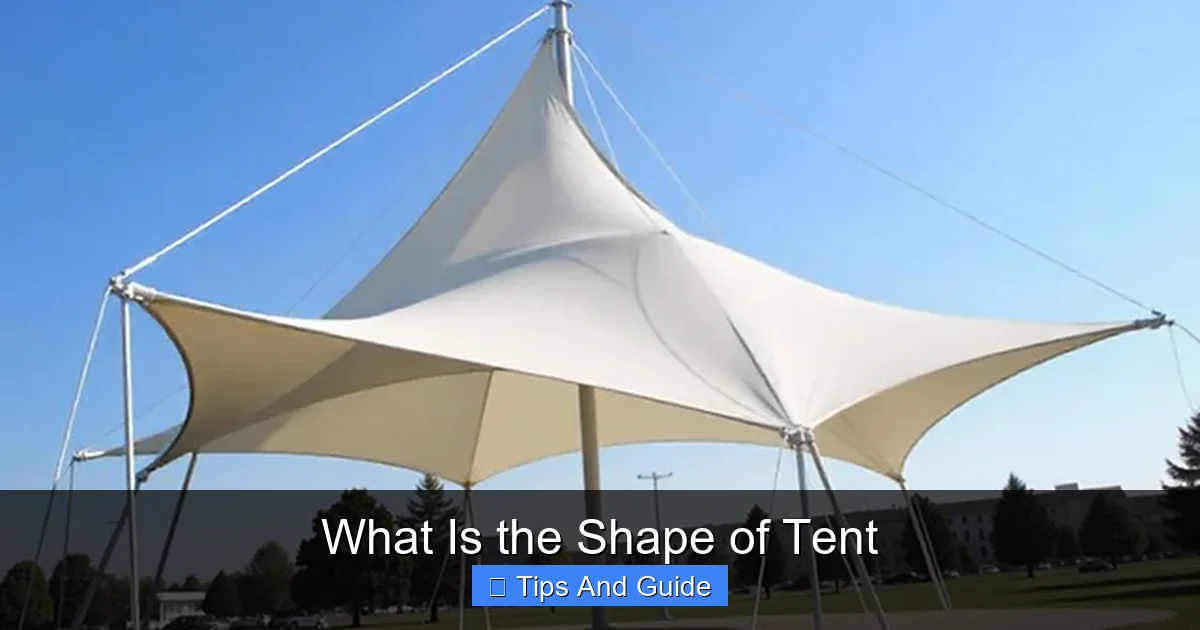
The shape of a tent plays a crucial role in its stability, interior space, and ability to withstand weather. From classic dome designs to modern geodesic and pop-up styles, each tent shape offers unique advantages depending on your camping environment and needs.
Key Takeaways
- Dome tents are popular for their balance of space, weight, and wind resistance, making them ideal for general camping.
- Cabin tents offer maximum headroom and floor space, perfect for car camping and family trips.
- Geodesic and semi-geodesic tents provide superior stability in harsh weather, often used by mountaineers and winter campers.
- Tunnel tents deliver excellent interior volume and are great for long-term base camps or group camping.
- Pop-up and instant tents prioritize speed and ease of setup, ideal for casual campers and beach outings.
- Teepee and pyramid tents have a simple design with a central pole, offering good wind resistance and a retro aesthetic.
- Choosing the right tent shape depends on your activity, group size, weather conditions, and setup preferences.
📑 Table of Contents
What Is the Shape of Tent?
When you think about a tent, what image comes to mind? Is it a classic A-frame with two slanted sides, or perhaps a rounded dome that looks like a bubble? The truth is, tents come in many shapes—and each one is designed with a specific purpose in mind. Understanding the shape of a tent isn’t just about aesthetics; it directly affects how well the tent performs in different environments, how much space you have inside, and how easy it is to set up and take down.
Whether you’re planning a weekend getaway in the woods, a beach vacation, or a high-altitude trek, the shape of your tent can make or break your outdoor experience. Some shapes are built to withstand strong winds and heavy snow, while others prioritize quick setup and maximum interior space. In this guide, we’ll explore the most common tent shapes, break down their pros and cons, and help you figure out which one is best for your next adventure.
Why Tent Shape Matters
The shape of a tent influences nearly every aspect of its performance. It affects how well the tent sheds rain and snow, how it handles wind, how much usable space is inside, and even how easy it is to pitch. For example, a tall, boxy cabin tent might feel spacious, but it could catch the wind like a sail in a storm. On the other hand, a low-profile dome tent hugs the ground and resists wind much better, but it might not give you enough room to stand up.
Stability and Weather Resistance
One of the most important factors in tent design is how well the shape handles the elements. Tents with steep walls and aerodynamic profiles—like geodesic or tunnel tents—are better at deflecting wind and shedding rain. These shapes reduce the chance of flapping fabric or collapsed poles during a storm. If you’re camping in exposed areas or during unpredictable weather, choosing a tent with a weather-resistant shape is essential.
Interior Space and Comfort
Another key consideration is interior volume. Some shapes, like cabin tents, offer near-vertical walls and high ceilings, giving you plenty of room to move around, store gear, and even stand up. This is especially important for family camping or extended stays. In contrast, low-profile tents like pyramid or dome styles may feel cramped, especially if you’re tall or traveling with a lot of equipment.
Setup Time and Portability
The shape also impacts how easy a tent is to set up. Pop-up tents, for instance, spring into shape in seconds—perfect for a quick beach setup or a spontaneous picnic. Dome tents usually require a few poles and some practice, while geodesic tents can be more complex due to their multiple crossing poles. If you’re backpacking or moving camp frequently, a lightweight, easy-to-pitch shape will save you time and energy.
Common Tent Shapes and Their Uses
Now that we know why shape matters, let’s dive into the most popular tent designs and what makes each one unique.
Dome Tents: The All-Around Favorite
Dome tents are perhaps the most common shape you’ll see at campgrounds. They feature two or more flexible poles that cross at the top, creating a rounded, dome-like structure. This design is loved for its balance of strength, space, and weight.
Dome tents are great for general camping because they handle moderate wind and rain well. The curved walls help shed water and reduce flapping. They’re also relatively lightweight and easy to set up, making them a top choice for backpackers and weekend campers. However, they may not offer as much headroom as other styles, and taller campers might find them a bit cramped.
For a reliable dome tent that offers great value, check out the Best 3 Person Tent For The Money.
Cabin Tents: Spacious and Comfortable
If you’re car camping with family or friends, a cabin tent might be your best bet. These tents are tall and boxy, with near-vertical walls and high ceilings. They often include room dividers, multiple doors, and large windows, making them feel more like a portable room than a shelter.
The main advantage of cabin tents is space. You can easily stand up, store gear inside, and even fit a small table or cot. However, their large surface area makes them less stable in windy conditions, and they’re usually heavier and bulkier than other types. They’re best used in calm, protected areas like campgrounds or backyards.
For larger groups, consider the Best 8 Person Tent For The Money, which offers excellent space and durability.
Geodesic and Semi-Geodesic Tents: Built for the Wild
For serious adventurers heading into extreme conditions, geodesic and semi-geodesic tents are the gold standard. These tents feature multiple poles that intersect in several places, creating a strong, dome-like structure that can withstand high winds and heavy snow loads.
Geodesic tents are often used by mountaineers and winter campers because of their exceptional stability. The complex pole structure distributes stress evenly, reducing the risk of collapse. Semi-geodesic tents are similar but slightly simpler, offering a good balance of strength and ease of setup. These tents are usually heavier and more expensive, but they’re worth it if you’re camping in exposed or harsh environments.
Tunnel Tents: Long and Low for Base Camps
Tunnel tents are long and curved, resembling a half-pipe laid on the ground. They’re made with several hoop-shaped poles that create a tunnel-like interior. This design offers excellent floor space and volume, especially along the length of the tent.
These tents are popular for long-term camping, base camps, or group trips where you need lots of room. They’re also relatively lightweight for the space they provide. However, tunnel tents can be tricky to pitch on uneven ground and may not perform as well in strong crosswinds unless properly staked. They’re best suited for calm, flat areas like beaches or open fields.
If you’re planning a beach trip, compare options like the Large 3 Vs Beach Tent Which Is For You to find the right fit.
Pop-Up and Instant Tents: Quick and Convenient
Pop-up tents are designed for speed. They come pre-assembled with flexible frames that spring into shape when released from their bag. You simply unfold them, and they pop up in seconds. These are perfect for casual campers, beachgoers, or parents setting up a play tent for kids.
Instant tents are similar but may require a few extra steps, like attaching poles or securing clips. While they’re not as durable or weather-resistant as traditional tents, they’re incredibly convenient for short trips or fair-weather camping. Just remember to anchor them well—their lightweight design can make them vulnerable to wind.
For a quick beach setup, see how the Oileus Xx Vs Beach Tent Which Is Best stacks up against other models.
Teepee and Pyramid Tents: Simple and Stylish
Teepee and pyramid tents have a single central pole and a conical or pyramid shape. They’re inspired by traditional Native American tipis and are known for their elegant, minimalist design. These tents offer good wind resistance due to their low profile and sloped walls.
They’re great for solo campers or small groups who want a lightweight, easy-to-pitch option. However, the central pole can take up floor space, and the lack of vertical walls may limit usable area. Still, their unique look and performance in windy conditions make them a favorite among minimalist campers.
How to Choose the Right Tent Shape for Your Needs
With so many options, how do you pick the right tent shape? Start by asking yourself a few key questions:
- Where are you camping? Windy mountains? Calm beaches? Dense forests? Your environment will dictate the best shape for stability and weather resistance.
- How many people are in your group? Larger groups need more space, so cabin or tunnel tents may be better. Solo travelers might prefer a lightweight dome or pyramid.
- Are you backpacking or car camping? Backpackers need lightweight, compact tents. Car campers can prioritize comfort and space.
- How important is setup speed? If you want to pitch your tent in minutes, consider a pop-up or instant model.
- What’s your budget? Some shapes, like geodesic tents, are more expensive due to their complex design.
For example, if you’re heading to the beach with family, a spacious cabin tent or a durable beach-specific model might be ideal. If you’re hiking the PCT, a lightweight dome or semi-geodesic tent would be a smarter choice. Always match the tent shape to your activity and conditions.
Final Thoughts on Tent Shapes
The shape of a tent is far more than just a design choice—it’s a critical factor in your comfort, safety, and overall camping experience. From the wind-resistant dome to the spacious cabin, each shape serves a purpose. By understanding the strengths and weaknesses of each design, you can make a smarter, more informed decision when buying your next tent.
Whether you’re a weekend warrior, a family camper, or a seasoned mountaineer, there’s a tent shape out there that’s perfect for you. Take the time to evaluate your needs, consider the environment, and choose a tent that will keep you dry, safe, and comfortable—no matter where your adventures take you.
Frequently Asked Questions
What is the most stable tent shape?
The most stable tent shape is the geodesic or semi-geodesic design. These tents use multiple intersecting poles to create a strong, dome-like structure that resists wind and snow. They’re commonly used in extreme conditions like mountaineering and winter camping.
Which tent shape is best for windy conditions?
Tents with low profiles and aerodynamic shapes—like dome, pyramid, and geodesic tents—perform best in wind. Their curved or sloped walls help deflect wind and reduce flapping, making them more stable during storms.
Are pop-up tents durable?
Pop-up tents are convenient and quick to set up, but they’re generally less durable than traditional tents. They’re best for fair-weather camping, beach use, or short trips. For rugged conditions, a sturdier dome or geodesic tent is recommended.
Can I stand up in a dome tent?
Most dome tents have limited headroom, so standing up may not be possible unless you’re near the center. If you need to stand, consider a cabin tent or a tall dome model designed for extra height.
What’s the difference between a tunnel and a dome tent?
A tunnel tent is long and curved with hoop poles, offering more floor space along its length. A dome tent is rounded with crossing poles, providing better wind resistance and a more compact footprint. Tunnel tents are great for space; domes are better for stability.
Which tent shape is best for families?
Cabin tents are ideal for families because they offer high ceilings, vertical walls, and plenty of floor space. They often include room dividers and multiple doors, making them feel like a real room. For larger groups, an 8-person cabin tent is a great choice.
