What Is the Largest Tent for Camping
Finding the largest tent for camping means balancing size, comfort, and practicality. While massive tents offer space for groups, they require more setup time and sturdy anchoring. This guide breaks down what makes a tent truly “large,” top models, and how to choose the right one for your needs.
Key Takeaways
- Size vs. Practicality: The largest tents can sleep 10+ people but are best for car camping due to weight and setup complexity.
- Key Features Matter: Look for durable materials, strong poles, good ventilation, and easy access doors when choosing a big tent.
- Top Brands Lead the Way: Coleman, Core, and Gazelle offer some of the most reliable large camping tents on the market.
- Ventilation Is Critical: Large tents trap heat and moisture—choose models with multiple windows, roof vents, and mesh panels.
- Setup Takes Teamwork: Most oversized tents require 2+ people and 20–30 minutes to pitch properly.
- Accessories Enhance Comfort: Use room dividers, gear lofts, and air mattresses to maximize space and usability.
- Not All Large Tents Are Equal: Check floor dimensions, peak height, and packed weight—not just the “person count” label.
📑 Table of Contents
What Makes a Tent the Largest for Camping?
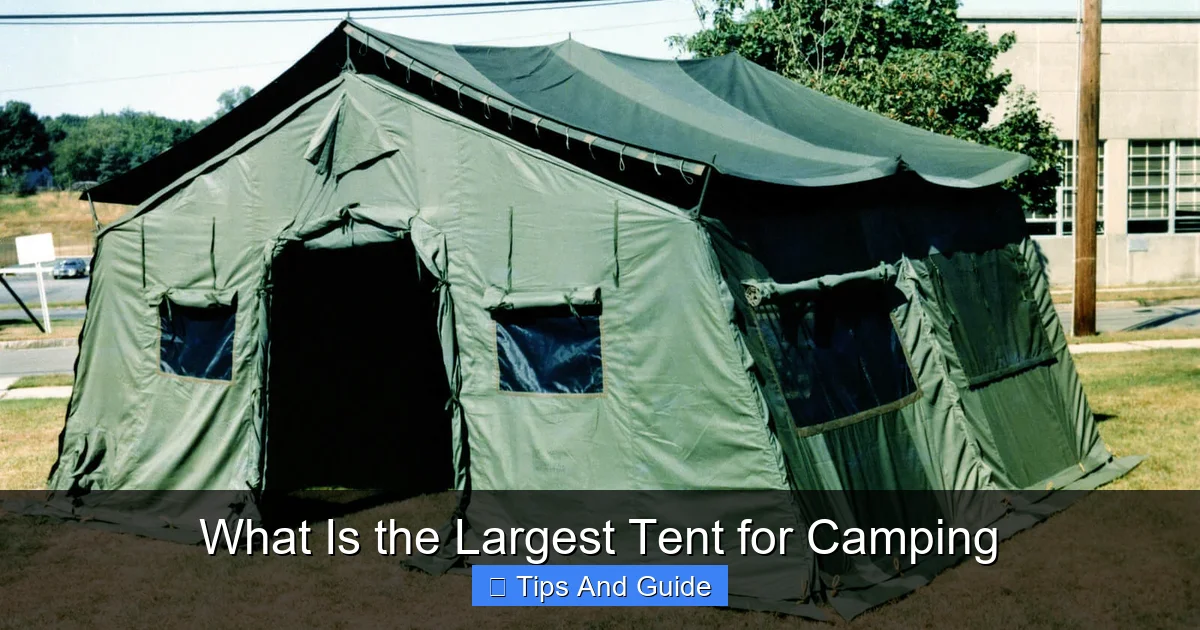
When people ask, “What is the largest tent for camping?” they’re usually thinking about how many people can sleep inside. But true “largeness” goes beyond just occupant count. The largest tents are measured by floor area (in square feet), peak height, door count, and overall volume. Some tents claim to fit 12 people, but realistically, that means tight sleeping quarters with no room for gear.
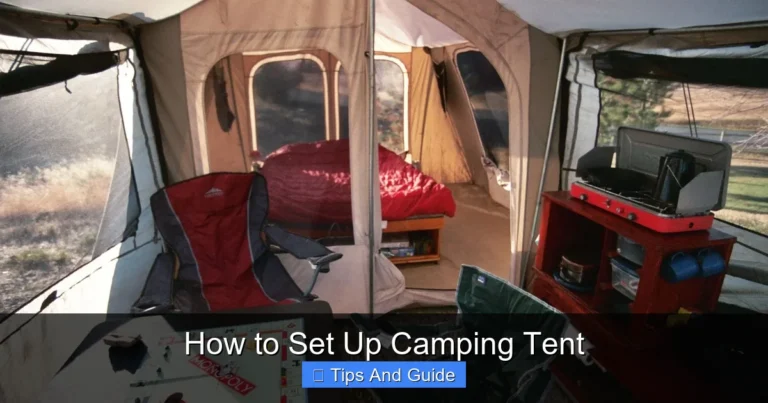
The biggest camping tents are typically designed for car camping—not backpacking—because they weigh 30–50 pounds and come in bulky bags. These tents often feature multiple rooms, large vestibules, and even built-in awnings. While they’re not ideal for hiking, they’re perfect for family reunions, group trips, or glamping-style adventures.
Understanding Tent Size Labels
Manufacturers often label tents by “person count,” but this can be misleading. A 10-person tent might technically fit 10 sleeping bags, but real comfort comes from having space for luggage, movement, and personal items. For true comfort, subtract 2–3 people from the labeled capacity. So, a 10-person tent comfortably sleeps 7–8 adults.
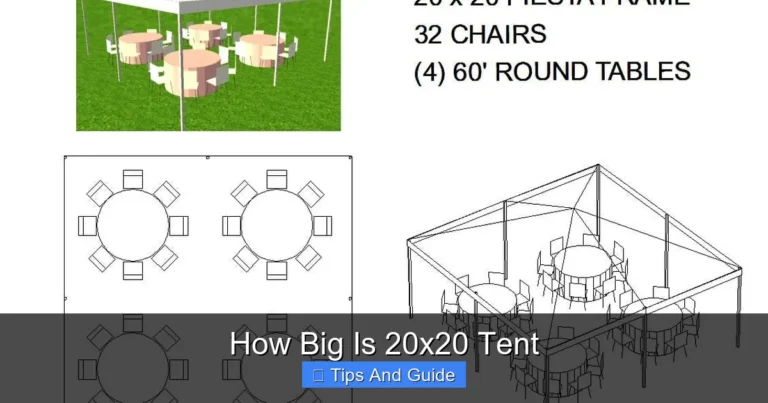
Floor dimensions matter more than the number on the box. Look for tents with at least 100–120 square feet of floor space for a family of four. Peak height is also crucial—taller campers will appreciate ceilings over 70 inches.
Top Contenders for the Largest Camping Tent
Several brands dominate the large-tent market, but a few models stand out for their size, durability, and user-friendly design.
Coleman WeatherMaster 10-Person Tent
One of the most popular large tents, the Coleman WeatherMaster offers 159 square feet of space and a 78-inch peak height. It features a hinged door for easy entry, room divider, and WeatherTec system for storm protection. While it’s heavy (over 40 lbs), it’s a favorite for car campers who prioritize space and weather resistance.
Core 9-Person Extended Dome Tent
With 140 square feet and nearly 7 feet of headroom, the Core 9-Person tent includes an adjustable ground vent, gear loft, and instant setup (under 10 minutes). Its unique design allows for better airflow, reducing condensation—a common issue in large tents. This model is ideal for families wanting quick setup without sacrificing space.
Gazelle Tents G5 6-Person Pop-Up
Though labeled for 6, the Gazelle G5 feels much larger thanks to its vertical walls and 96-square-foot floor. It sets up in under a minute and includes a full-coverage rainfly. While not the absolute largest, it’s one of the most spacious per person and excels in wind and rain.
For those seeking even more room, the best biggest tent for camping often includes multi-room designs with separate living and sleeping zones.
Key Features to Look for in a Large Camping Tent
Size is important, but functionality determines whether a tent is truly usable. Here’s what to prioritize when shopping for a large tent.
Durable Materials and Frame
Large tents catch more wind, so they need strong poles—usually steel or heavy-duty aluminum. Look for ripstop polyester or nylon with a high denier rating (60D or higher) for the floor and rainfly. A waterproof rating of 1500mm or higher ensures protection in rain.
Ventilation and Condensation Control
Big tents trap heat and moisture, leading to condensation on walls and ceilings. Choose models with multiple mesh windows, roof vents, and adjustable airflow systems. The Core 9-Person’s ground vent is a great example—it pulls in cool air while hot air escapes through the top.
Multiple Doors and Room Dividers
Nothing ruins a group trip like everyone needing to exit through one small door at 5 a.m. Look for tents with at least two large doors. Room dividers add privacy and help organize space—perfect for families or couples sharing a tent.
Ease of Setup
Even the largest tent isn’t useful if it takes hours to assemble. Instant or “quick-pitch” designs save time and frustration. The Coleman Instant and Core tents are excellent examples of user-friendly setups.
Storage and Organization
Built-in gear lofts, hanging pockets, and vestibules keep clutter under control. Some tents even include electrical port access—handy for charging devices or running a small fan.
Pros and Cons of Owning a Large Camping Tent
Before investing in a massive tent, weigh the benefits against the drawbacks.
Advantages
– Spacious interior: Room for gear, chairs, and even a small table.
– Comfort for groups: Ideal for family vacations or camping with friends.
– Weather protection: Many large tents offer superior storm resistance.
– Glamping potential: Add a best air mattress for tent camping and enjoy hotel-like comfort in nature.
Disadvantages
– Heavy and bulky: Not suitable for backpacking or remote sites.
– Long setup time: Even quick-pitch models take 10–30 minutes.
– Requires large campsites: You’ll need a premium or group site with ample space.
– Higher cost: Quality large tents range from $200 to $600.
Tips for Maximizing Space and Comfort
Once you’ve chosen your large tent, make the most of it with smart organization.
Use Room Dividers
Create private sleeping zones or a living area. Some tents include built-in dividers; others require DIY solutions like curtains or tarps.
Invest in Quality Bedding
Air mattresses with built-in pumps or self-inflating pads add comfort and insulation. Pair them with best bedding for tent camping for a cozy night’s sleep.
Keep Gear Organized
Use collapsible bins, hanging organizers, and under-bed storage. Label everything to avoid midnight searches.
Control Temperature
In hot weather, open all vents and use a battery-powered fan. In cold climates, consider a best AC for camping tent or portable heater (with proper ventilation).
Anchor It Properly
Large tents need strong guylines and stakes. Use sandbags or heavy rocks in windy areas. Practice setup at home before your trip.
Who Should Buy a Large Camping Tent?
The largest tents aren’t for everyone—but they’re perfect for specific situations.
– Families with kids: Extra space means room to play and store toys.
–
– Car campers: No need to worry about weight or portability.
– Glampers: Those who want comfort, style, and space in the outdoors.
If you’re a solo hiker or backpacker, a large tent is overkill. But for base camps, festivals, or weekend getaways with loved ones, it’s a game-changer.
Final Thoughts: Is Bigger Always Better?
While the largest tent for camping offers unmatched space, it’s not always the best choice. Consider your camping style, group size, and transportation. A well-designed 6- or 8-person tent might offer better value and usability than a massive 12-person model.
Focus on quality, ventilation, and ease of use—not just square footage. And remember: the best tent is the one that gets you outside, comfortably and confidently.
Frequently Asked Questions
What is the largest tent for camping by square footage?
The Coleman WeatherMaster 10-Person Tent offers 159 square feet, making it one of the largest on the market. Other models like the Core 9-Person provide nearly 140 square feet with better airflow.
Can a large tent be used for backpacking?
No—most large tents weigh 30+ pounds and are too bulky for hiking. They’re designed for car camping where weight and portability aren’t concerns.
How many people can comfortably sleep in a 10-person tent?
Realistically, 7–8 adults can sleep comfortably in a 10-person tent. The labeled capacity assumes tight sleeping with no gear space.
Do large tents need special care in bad weather?
Yes. Always use guylines, stakes, and a full-coverage rainfly. Avoid setting up in exposed areas during high winds.
Are instant large tents worth the extra cost?
If you camp frequently with groups, yes. Instant tents save time and reduce frustration—especially in rain or darkness.
Can I add air conditioning to a large camping tent?
Yes, with a portable best AC unit for tent camping. Ensure your site has power access and use a tent with a sealed port for safe operation.