What Is the Biggest Camping Tent
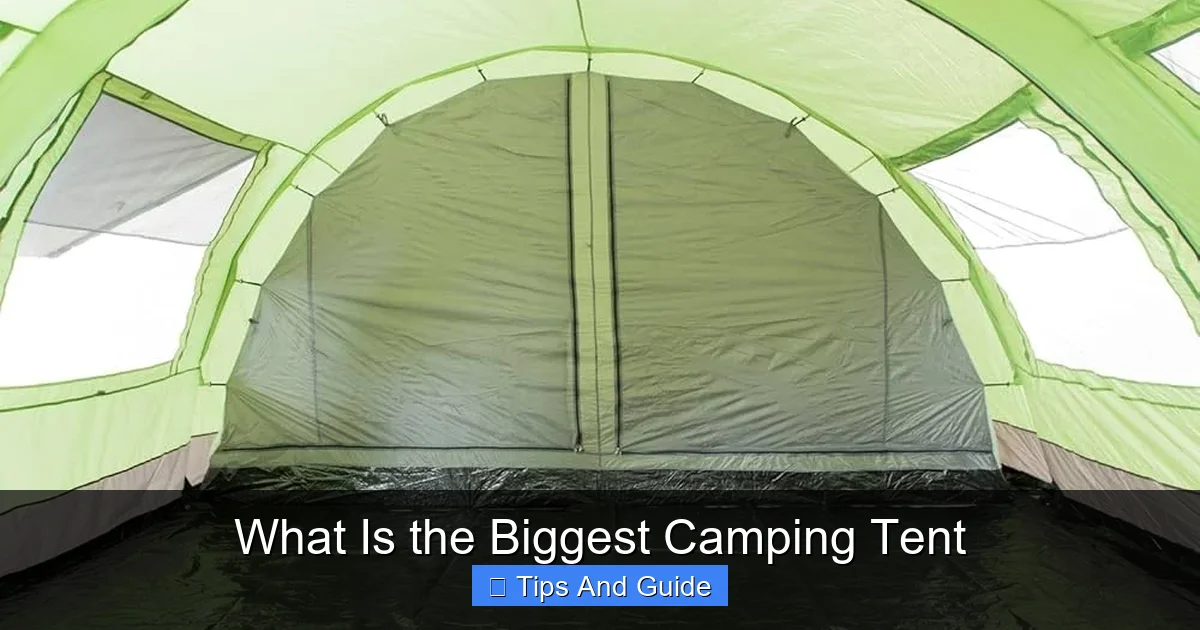
If you’re wondering what is the biggest camping tent on the market, you’re not alone. These massive shelters can sleep 10–16 people and offer room for gear, furniture, and even indoor activities. Whether you’re planning a family reunion or a group adventure, knowing your options helps you pick the right one.
So, you’re planning a big outdoor gathering—maybe a family reunion, a weekend with friends, or even a wedding under the stars. You’ve got a crew of 10, 12, or even 16 people, and you’re wondering: what is the biggest camping tent that can actually fit everyone comfortably? You’re not alone. As camping becomes more social and family-oriented, demand for spacious, reliable shelters has skyrocketed.
Gone are the days when a tent was just a place to sleep. Today’s largest camping tents are like portable cabins—complete with room dividers, gear lofts, built-in lighting, and even space for a small table or chairs. They’re designed not just for shelter, but for comfort, convenience, and community. Whether you’re camping at a national park, setting up at a music festival, or hosting a backyard sleepover, the right big tent can make all the difference.
But with so many options out there, how do you know which one truly earns the title of “the biggest”? It’s not just about square footage—though that matters. It’s also about usability, durability, and how well the tent performs in real-world conditions. In this guide, we’ll break down what makes a tent truly massive, highlight some of the top contenders, and help you decide which one fits your needs.
Key Takeaways
- Size matters: The biggest camping tents can accommodate up to 16 people with space to move around comfortably.
- Multi-room designs: Many large tents feature separate rooms or dividers for privacy and organization.
- Durability is key: Look for reinforced frames, waterproof materials, and strong zippers to handle weather and wear.
- Ease of setup: Some big tents use instant or pop-up designs to save time and effort during assembly.
- Ventilation and airflow: Proper windows, vents, and mesh panels prevent condensation and keep air fresh.
- Weight and portability: Larger tents are heavier—consider vehicle access and storage space before buying.
- Best for car camping: These tents shine when you don’t need to hike far, making them ideal for festivals, family trips, or backyard use.
📑 Table of Contents
What Makes a Tent the “Biggest”?
When people ask, “what is the biggest camping tent,” they’re usually thinking about capacity. But size isn’t just about how many people can squeeze in. It’s about usable space, headroom, layout, and functionality.
Most manufacturers rate tents by the number of people they can sleep. A 10-person tent, for example, might fit 10 sleeping bags on the floor—but that doesn’t mean everyone will have room to sit up or store their gear. The real measure of a big tent is whether it offers standing height, multiple rooms, and enough floor space for movement.
For instance, a tent with 150 square feet might sleep 10 people, but if it’s only 5 feet tall, it won’t feel spacious. On the other hand, a 12-person tent with 7-foot peak height and two rooms can feel like a mini cabin. So when evaluating size, look at floor area, peak height, and layout—not just the person count.
Floor Space vs. Sleeping Capacity
Floor space is measured in square feet and gives you a better sense of how much room you actually have. A typical double sleeping bag takes up about 20–25 square feet. So a 10-person tent needs at least 200–250 square feet just for sleeping—plus extra for walking and storage.
Many of the largest tents on the market offer 200–300 square feet. That’s enough for a small living room. Some even include vestibules or screened porches for added space.
Peak Height and Interior Layout
Nothing kills the vibe of a big tent like having to crawl everywhere. Look for models with peak heights of 6.5 feet or more. This allows most adults to stand upright, which is a game-changer for comfort.
Interior layout also matters. Tents with vertical walls (instead of slanted sides) maximize usable space. Some feature center poles or dome designs that improve airflow and reduce sagging.
Top Contenders for the Biggest Camping Tent
Now that we know what to look for, let’s meet the giants of the camping world. These tents are currently leading the pack in size, features, and user satisfaction.
Coleman WeatherMaster 10-Person Tent
One of the most popular large tents, the Coleman WeatherMaster offers 170 square feet of space and a 7-foot center height. It features a hinged door (like a real door!), two rooms with a divider, and a screened room for bug-free lounging. It’s built with WeatherTec technology for waterproofing and has strong fiberglass poles.
While it’s rated for 10 people, it’s best for 6–8 if you want room for gear and movement. It’s a favorite for family camping trips and is often recommended in guides like Best Big Family Camping Tent.
UNP Tents 10-Person Instant Cabin Tent
This tent is a standout for ease of setup. It uses an instant frame that pops up in under 60 seconds—no confusing poles or instructions. With 165 square feet and 7-foot height, it sleeps 10 comfortably and includes two rooms, a gear loft, and multiple windows for ventilation.
It’s made with 210T polyester and a 3000mm waterproof rating, making it durable in rain and wind. Users love how quickly it goes up, especially after a long drive. Check out a detailed comparison in Coleman Instant vs UNP Camping Tent 10 to see how it stacks up.
Core 9-Person Extended Dome Tent
Don’t let the “9-person” label fool you—this tent feels bigger. It offers 140 square feet and a unique extended front vestibule that adds 30 square feet of covered space. That’s perfect for storing muddy boots or setting up a camp kitchen.
It has a 6.5-foot center height, adjustable vents, and a gear loft. While not as wide as some 10-person models, the extra vestibule makes it feel more spacious. It’s a great pick if you want a balance of size and practicality.
Wenzel Klondike 10-Person Tent
This classic dome-style tent has been a family favorite for years. It offers 165 square feet, a 6.5-foot center height, and a large screened sunroom. The sunroom is perfect for relaxing during the day or keeping bugs out at night.
It’s not an instant setup, but it’s sturdy and affordable. With a waterproof floor and rainfly, it handles light rain well. It’s ideal for casual campers who want space without breaking the bank.
Features to Look for in a Large Camping Tent
Size is important, but so are the details that make a big tent livable. Here’s what to prioritize when shopping.
Room Dividers and Privacy
If you’re camping with multiple families or couples, privacy matters. Look for tents with removable room dividers. These let you split the space into two or three sections—great for parents and kids, or separating sleeping and living areas.
Some high-end models even offer three-room designs. For example, the Best 3 Room Camping Tent guide highlights options with full-wall dividers and separate entrances.
Ventilation and Condensation Control
Large tents trap heat and moisture, especially with many people inside. Without proper airflow, you’ll wake up to a damp, stuffy interior.
Look for mesh roof panels, adjustable vents, and multiple windows. Some tents have “low-high” venting systems that let cool air in at the bottom and hot air out at the top. This keeps the air moving and reduces condensation.
Ease of Setup
Nobody wants to spend an hour assembling a tent in the dark. Instant or quick-pitch designs are a lifesaver for large tents. These use pre-attached poles or color-coded clips to simplify the process.
Even non-instant tents can be easier with practice. Consider buying a practice tent or watching setup videos before your trip. Some families even assign roles—one person handles poles, another the rainfly—to speed things up.
Durability and Weather Resistance
A big tent is an investment, so it needs to last. Check the denier rating of the fabric (higher is stronger), the strength of the poles (steel or reinforced aluminum is best), and the waterproof rating (look for 1500mm or higher).
Reinforced seams, storm flaps over zippers, and a full-coverage rainfly are also essential. If you camp in windy or rainy areas, consider a tent with guy lines and stakes included.
Best Uses for the Biggest Camping Tents
These tents aren’t just for large groups. They’re versatile enough for many situations.
Family Reunions and Group Trips
When extended families camp together, a big tent becomes the central hub. It’s where meals are shared, games are played, and stories are told. With room for cots, chairs, and a small table, it doubles as a living room under the stars.
Music Festivals and Events
Festivals like Coachella or Bonnaroo attract thousands of campers. A large tent offers privacy, storage, and a home base between sets. Some people even decorate them with lights and rugs for a personal touch.
Backyard Camping and Staycations
Not every adventure requires a hike. A big tent in your backyard creates a fun escape for kids—or adults! Use it for sleepovers, movie nights, or just a quiet place to read. It’s also great for guests when you’re out of indoor space.
Emergency Shelter and Disaster Relief
In rare cases, large tents serve as temporary housing during emergencies. Organizations like the Red Cross use them for shelters, and some families keep one for power outages or storms. While not their primary use, it’s good to know they’re capable.
Tips for Choosing and Using a Large Tent
Before you buy, keep these practical tips in mind.
Measure Your Campsite
Not all campsites can fit a 20-foot-wide tent. Check the dimensions of your tent and compare them to your site’s size. Some parks have designated “group sites” with extra space—book these in advance.
Practice Setup at Home
Unpack the tent in your yard before your trip. Time how long it takes and note any tricky steps. This builds confidence and ensures you won’t be stuck in the dark.
Use Ground Tarps and Footprints
Protect the tent floor from rocks and moisture with a tarp or footprint. Just make sure it’s smaller than the tent base to avoid trapping water underneath.
Pack Smart
Large tents need more storage. Use duffel bags, gear lofts, and under-cot organizers to keep things tidy. Label bins so everyone knows where their stuff goes.
Ventilate Daily
Even on dry days, open vents and windows to let air circulate. This prevents mold and keeps the tent smelling fresh.
Conclusion
So, what is the biggest camping tent? It’s not just one model—it’s a category of spacious, well-designed shelters built for comfort, community, and convenience. Whether you choose the Coleman WeatherMaster, the UNP Instant Cabin, or another giant, the key is finding one that fits your group size, camping style, and budget.
These tents are perfect for families, friends, and anyone who believes camping should be about connection, not confinement. With the right features—like room dividers, ventilation, and easy setup—you can turn a patch of forest or a festival field into a cozy home away from home.
Remember, the biggest tent isn’t always the best. Focus on quality, usability, and how it enhances your outdoor experience. And if you’re still deciding, check out our guide on the Best Biggest Tent for Camping to compare top models side by side.
Now go forth, gather your crew, and camp in style.
Frequently Asked Questions
What is the biggest camping tent available?
The biggest camping tents can sleep up to 16 people and offer over 250 square feet of space. Models like the Coleman WeatherMaster and UNP 10-Person Instant Cabin are among the largest and most popular.
Can a 10-person tent really fit 10 people?
Technically, yes—but only if everyone is sleeping tightly packed. For comfort and gear storage, it’s better to use a 10-person tent for 6–8 people.
Are large tents hard to set up?
Some are, but many now feature instant or quick-pitch designs that take under 10 minutes. Practice at home to make setup faster and easier.
Do big tents work in bad weather?
Yes, if they’re built with strong materials, waterproof coatings, and secure guylines. Always check the weather rating and use a full-coverage rainfly.
Can I use a large tent for backpacking?
Not really. These tents are heavy and bulky, making them ideal for car camping but impractical for hiking. For backpacking, consider a lighter 2- or 3-person tent.
How do I keep a big tent cool in summer?
Use all available vents and windows, avoid dark-colored tents that absorb heat, and consider a portable fan or best air conditioners for tent camping for extra comfort.