What Is the Biggest Camping Tent You Can Buy
If you’re planning a big family trip or group camping adventure, you might be wondering: what is the biggest camping tent you can buy? The answer isn’t just about size—it’s about comfort, durability, and smart design. From 12-person giants to multi-room luxury shelters, today’s largest tents offer space, weather protection, and ease of use that make group camping a breeze.
So, you’ve got a big crew—maybe extended family, friends from college, or a weekend warrior group—and you’re ready to hit the great outdoors. But here’s the real question: what is the biggest camping tent you can buy without sacrificing comfort or sanity during setup?
You’re not alone in asking. As camping becomes more popular, especially post-pandemic, families and groups are looking for ways to enjoy nature together—safely and comfortably. And that means space. Real space. Not just enough room to sleep, but room to move, store gear, cook, and even host a small campfire chat under the canopy (figuratively, of course—safety first!).
The good news? Modern tent technology has come a long way. Today’s largest camping tents aren’t just bigger—they’re smarter. Think multiple rooms, near-vertical walls, built-in lighting ports, and even air conditioning compatibility. Whether you’re car camping at a national park or setting up basecamp for a weekend festival, there’s a massive tent out there designed for your adventure.
But with so many options, how do you choose? Let’s break it down.
Key Takeaways
- Size matters, but so does layout: The biggest tents often feature multiple rooms, vestibules, and high ceilings for comfort.
- 12-person tents are the standard for large groups: Most manufacturers cap at this size for practical portability and setup.
- Look for durable materials: Heavy-duty polyester, reinforced poles, and waterproof coatings ensure longevity.
- Ease of setup is crucial: Instant or cabin-style tents save time and frustration during group trips.
- Ventilation and climate control are essential: Large tents need proper airflow to prevent condensation and overheating.
- Consider weight and packed size: Even the biggest tent must be transportable—check vehicle space and portability needs.
- Accessories enhance the experience: Gear lofts, room dividers, and electrical ports add convenience for long stays.
📑 Table of Contents
Understanding Tent Capacity: What Does “12-Person” Really Mean?
When manufacturers label a tent as “12-person,” it doesn’t always mean 12 adults sleeping comfortably side by side like sardines. In reality, most 12-person tents are designed with a mix of sleeping and living space in mind.
Sleeping vs. Living Space
A true 12-person sleeping capacity would be extremely tight—think backpacking-style floor space with minimal headroom. But the biggest camping tents you can buy today prioritize livability. They often include:
- Two or three separate rooms with dividers
- A central living area or “couch zone”
- Large vestibules for gear storage
- Near-vertical walls for standing room
For example, the Coleman WeatherMaster 10-Person Tent (often used for 8–10 people comfortably) offers a screened room and ample headroom—perfect for families who want space to relax. While not the absolute largest, it’s a great example of how design impacts usability.
Real-World Capacity Tips
– Plan for 20–25 square feet per person for comfort.
– Subtract 1–2 people from the labeled capacity if you’re bringing kids or pets.
– Always account for gear—backpacks, coolers, and chairs take up space.
Top Contenders: The Largest Camping Tents Available Today
So, which tents actually claim the title of “biggest”? Here are a few standout models that push the limits of size and functionality.
Coleman Montana 12-Person Tent
This is one of the most popular large family tents on the market. With a floor area of over 180 square feet and a peak height of 7 feet, it’s a favorite for car campers. It features:
- Two rooms with a detachable divider
- Hinged door for easy entry
- WeatherTec system for waterproofing
- Electrical access port
It’s not the lightest (clocking in at around 40 pounds), but for car camping, it’s a solid choice. Plus, it sets up in under 10 minutes with two people—a huge plus when you’re managing a group.
Core 12-Person Straight Wall Cabin Tent
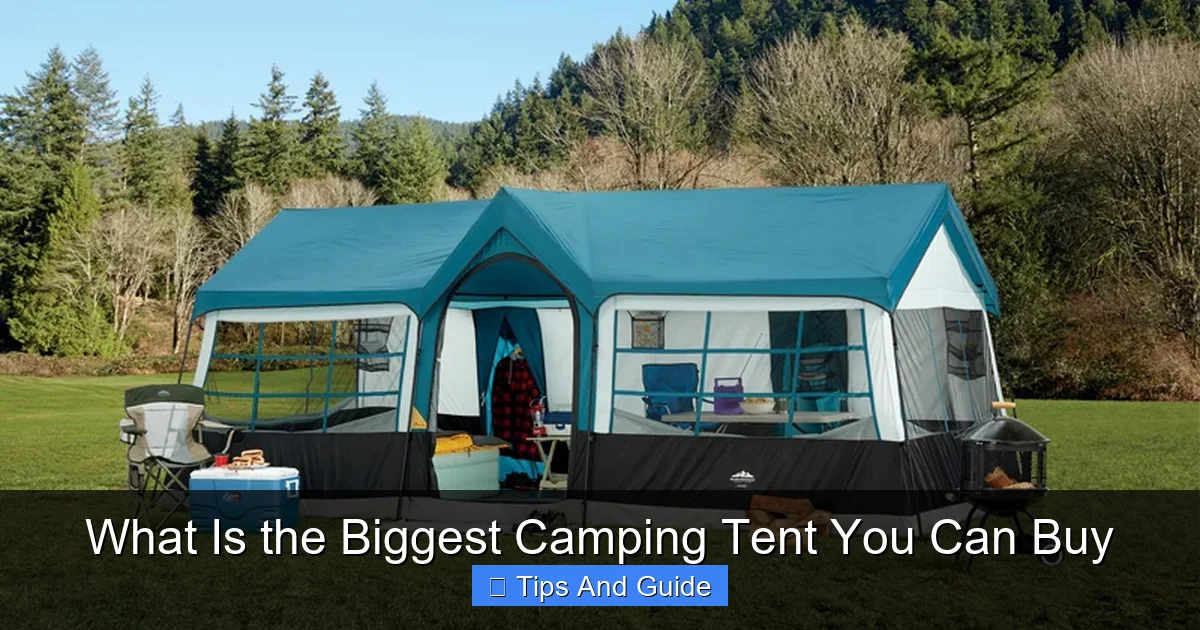
If you want near-vertical walls and maximum interior space, this is one of the best options. The straight-wall design gives you over 100 inches of headroom across the entire floor—no more ducking in the corners.
Highlights include:
- Three rooms with two dividers
- Room for two queen air mattresses per section
- Advanced ventilation with adjustable ground vents
- Gear pockets and lantern hook
It’s a bit heavier and bulkier, but if you’re driving to your campsite, the comfort is unmatched.
Ozark Trail 12-Person 3-Room Tent
For budget-conscious campers, Ozark Trail offers a surprisingly spacious 12-person tent with three separate rooms. While it may not have the premium materials of Coleman or Core, it delivers solid value.
Pros:
- Affordable price (often under $200)
- Easy setup with color-coded poles
- Large windows and mesh panels for airflow
Just keep in mind: it’s not as durable in extreme weather, so it’s best for fair-weather camping.
Features That Make a Big Tent Worth It
Size alone doesn’t make a great tent. The best large tents include smart features that enhance comfort and usability.
Room Dividers and Privacy
Nothing ruins a family trip faster than lack of privacy. Look for tents with removable room dividers. This lets you create separate sleeping areas for parents, kids, or couples—keeping peace and quiet where needed.
High Ceilings and Standing Room
One of the biggest upgrades in large tents is the move toward cabin-style designs with straight walls and high peaks. Being able to stand up fully makes a huge difference in comfort, especially on longer trips. For more on this, check out our guide to the best camping tent you can stand up in.
Weather Resistance and Durability
Big tents catch more wind and rain, so materials matter. Look for:
- 68D or higher polyester fabric
- Taped seams and bathtub floors
- Steel or fiberglass poles with reinforced hubs
- Rainfly that extends over doors and windows
A good rainfly is non-negotiable—especially if you’re camping in unpredictable climates.
Ventilation and Climate Control
Large tents trap heat and moisture. Without proper airflow, you’ll wake up to condensation and stuffiness. The best big tents include:
- Mesh ceiling panels
- Adjustable ground vents
- Multiple windows with zippered closures
Some even support portable air conditioners or fans—ideal for summer camping. For tips on staying cool, see our article on the best way to stay cool while tent camping.
Setup and Portability: Can You Really Handle a Giant Tent?
Let’s be honest: a 12-person tent isn’t something you toss in a backpack. But that doesn’t mean it’s impractical.
Car Camping vs. Backpacking
The biggest camping tents are designed for car camping. They’re heavy (30–50 pounds) and bulky when packed, but if you’re driving to your site, that’s not a dealbreaker. Just make sure your vehicle has enough trunk space—and that you’ve got help for setup.
Instant vs. Traditional Setup
Many large tents now use instant or hub-based systems that let two people pitch the tent in under 10 minutes. Coleman’s Instant Setup technology and Core’s Quick Pitch design are great examples. Compare options in our Coleman Instant vs Camping Tent 2 guide to see which style suits your needs.
Tips for Easy Setup
– Practice at home before your trip.
– Use a tarp or footprint underneath to protect the floor.
– Stake out corners first, then raise the poles.
– Assign roles: one person handles poles, another manages guylines.
Who Needs the Biggest Camping Tent?
Not every camper needs a massive shelter. But if you fall into any of these categories, a large tent could be a game-changer:
- Large families: Parents, kids, and grandparents all in one place.
- Group trips: Friends reuniting for a weekend in the woods.
- Festival camping: Extra space for gear, chairs, and socializing.
- Extended stays: More room means more comfort over several days.
- Pet owners: Dogs and cats need space too!
Even if you don’t fill it every time, having the space reduces stress and increases enjoyment.
Final Thoughts: Is Bigger Always Better?
When it comes to camping, bigger isn’t always better—but for the right situation, it’s absolutely worth it. The biggest camping tent you can buy today offers more than just square footage. It provides comfort, privacy, and a true home-away-from-home experience.
Just remember: size should match your needs. A 12-person tent is ideal for most large groups, but don’t overlook features like ventilation, ease of setup, and weather protection. And always consider where and how you’ll be camping—car access makes a huge difference.
So go ahead—invite the whole crew. With the right tent, you’ll have space to sleep, play, and make memories under the stars.
Frequently Asked Questions
What is the biggest camping tent you can buy?
The largest standard camping tents typically accommodate 12 people, with floor areas over 180 square feet. Models like the Coleman Montana and Core 12-Person Straight Wall Tent are among the biggest available for recreational use.
Can a 12-person tent fit in a car?
Yes, but it will take up significant trunk space. Most 12-person tents weigh 30–50 pounds and come in large bags. SUVs or minivans are ideal, and you may need to pack strategically.
How long does it take to set up a large tent?
With two people, most big tents take 10–15 minutes to set up. Instant designs can be even faster. Practice at home to save time at the campsite.
Are big tents good in bad weather?
It depends on the model. Look for reinforced poles, full-coverage rainflies, and sturdy materials. Not all large tents are built for storms—check reviews and weather ratings.
Do I really need a 12-person tent?
Only if you have a large group or want extra space. For smaller groups, an 8-person tent with room dividers may offer better value and easier handling.
Can you heat or cool a large tent?
Yes, but ventilation is key. Use portable heaters cautiously (never leave unattended) and consider battery-powered fans or small AC units with proper venting.