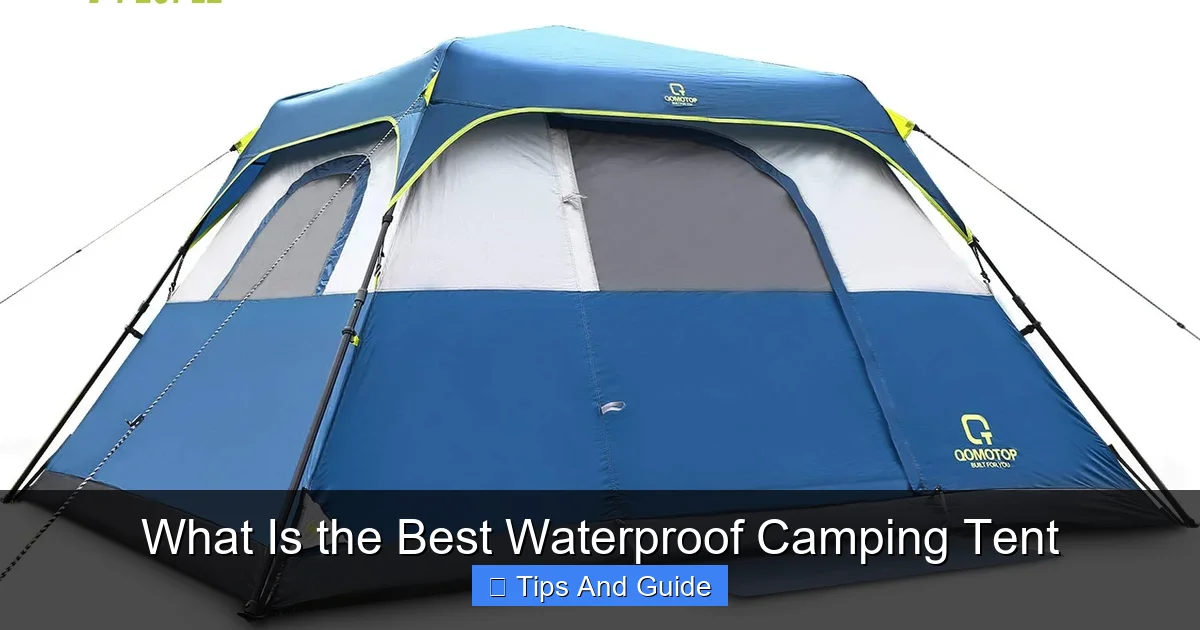
What Is the Best Waterproof Camping Tent
Choosing the best waterproof camping tent means balancing durability, weather resistance, and comfort. With so many options on the market, it’s essential to know what makes a tent truly waterproof and how to pick one that fits your needs—whether you’re backpacking solo or camping with the family.
[FEATURED_IMAGE_PLACEHER]
Key Takeaways
- Waterproof ratings matter: Look for a tent with a high hydrostatic head rating (at least 1500mm) and taped seams for real rain protection.
- Material quality is key: Ripstop nylon and polyester with durable floor coatings offer better long-term waterproof performance.
- Vestibules add value: Extra covered space keeps gear dry and improves ventilation during wet weather.
- Seasonality affects performance: 3-season tents work for most conditions, but 4-season models are better for heavy rain and wind.
- Proper setup prevents leaks: Even the best waterproof camping tent needs correct pitching and ground protection to stay dry.
- Ventilation reduces condensation: Good airflow minimizes moisture buildup inside the tent, keeping you comfortable.
- Brand reputation counts: Trusted names like Coleman, REI, and MSR consistently deliver reliable waterproof designs.
📑 Table of Contents
What Makes a Tent Truly Waterproof?
When you’re out in the wilderness, a sudden downpour can turn a fun trip into a soggy nightmare. That’s why finding the best waterproof camping tent isn’t just about avoiding leaks—it’s about peace of mind. But not all tents labeled “waterproof” are created equal. True waterproofing involves multiple layers of protection: the fabric itself, seam sealing, floor material, and smart design features.
The first thing to understand is the hydrostatic head (HH) rating, which measures how much water pressure a fabric can resist before leaking. A rating of 1,500mm is the minimum for light rain, but for serious weather, aim for 2,000mm or higher. Also, check if the seams are factory-taped—untaped seams are weak points where water can seep through, even if the fabric is waterproof.
Fabric Types and Their Role
Most modern tents use either nylon or polyester for the rainfly and walls. Nylon is lighter and stronger, making it ideal for backpacking. Polyester resists UV damage better, so it lasts longer in sunny climates. Both can be treated with silicone or polyurethane coatings to boost water resistance. For the floor, look for thick polyethylene or coated polyester—this is where ground moisture often sneaks in.
The Importance of a Full-Coverage Rainfly
A partial rainfly leaves parts of your tent exposed, especially the sides and ends. The best waterproof camping tents come with a full-coverage rainfly that drapes over the entire structure, including the vestibules. This design keeps rain from blowing in at an angle during storms and protects your gear stored outside the main tent body.
Top Features to Look for in a Waterproof Tent
Beyond basic waterproofing, several design elements make a tent more reliable and comfortable in wet conditions. These features can mean the difference between a dry, cozy night and a miserable, damp experience.
Vestibules for Gear Storage
Vestibules are covered extensions of the rainfly that create dry space outside the tent door. They’re perfect for stashing muddy boots, backpacks, or wet clothes without bringing moisture inside. Some tents offer dual vestibules—one on each side—ideal for couples or groups who want separate entry points.
Bathtub Floors Prevent Ground Seepage
A bathtub-style floor means the floor fabric wraps up slightly along the edges, like the sides of a bathtub. This prevents water from pooling under your tent and seeping through the seams. It’s a simple but effective feature that many budget tents skip—don’t overlook it.
Ventilation Reduces Condensation
Even the most waterproof tent can become clammy if there’s no airflow. Look for mesh panels, adjustable vents, or dual-layer doors that let air circulate while keeping rain out. Condensation happens when warm, moist air from breathing meets cold tent walls—good ventilation minimizes this issue.
Best Waterproof Tents by Category
There’s no single “best” tent for everyone—your ideal choice depends on how and where you camp. Here’s a breakdown of top performers across different use cases.
Best Overall: REI Co-op Half Dome SL
The REI Co-op Half Dome SL series consistently ranks as one of the best waterproof camping tents for general use. With a 3000mm hydrostatic head rating, fully taped seams, and a robust rainfly, it handles heavy rain with ease. It also features large vestibules, excellent ventilation, and a roomy interior. Available in 2-, 3-, and 4-person versions, it’s great for car camping and short backpacking trips.
Best for Backpacking: MSR Hubba Hubba NX
For ultralight adventures, the MSR Hubba Hubba NX is a favorite among serious hikers. Weighing under 4 pounds, it doesn’t sacrifice waterproof performance—its 1200mm rainfly is coated with durable silicone, and the floor uses 30D ripstop nylon with a 3000mm rating. The single-door design with a large vestibule keeps weight down while maintaining dry storage space.
Best for Families: Coleman WeatherMaster 6
If you’re camping with kids or extra gear, the Coleman WeatherMaster 6 offers spacious comfort and reliable weather protection. It includes a screened room for bug-free lounging and a hinged door for easy entry. With a 3000mm waterproof rating and welded floors, it’s built to withstand family-sized messes and mountain storms alike. For more options, check out our guide on the best big family camping tent.
Best Budget Option: Coleman Sundome
Don’t let the low price fool you—the Coleman Sundome delivers solid waterproof performance for casual campers. Its 68D polyester taffeta fabric and 900mm rating handle light to moderate rain well, especially when paired with a footprint. It’s not for extreme weather, but for weekend trips in mild conditions, it’s a reliable, affordable pick. See how it compares in our Coleman Instant vs Camping Tent 2 review.
How to Maximize Your Tent’s Waterproof Performance
Even the best waterproof camping tent needs proper care and setup to perform at its best. A few smart habits can extend its life and keep you dry season after season.
Use a Footprint or Ground Tarp
A footprint is a small tarp that goes under your tent floor. It protects against sharp rocks, roots, and moisture from the ground. While some tents include one, it’s often worth buying a custom-fit version or cutting a silnylon tarp to size. Never skip this step—it’s one of the easiest ways to prevent leaks and floor damage.
Pitch on High, Dry Ground
Always set up your tent on elevated, well-drained terrain. Avoid depressions where water can collect, and steer clear of dry creek beds—they can flood quickly during rain. If you’re unsure, look for flat, grassy areas or use a camping app to check recent weather patterns in the region.
Seal Seams and Reapply Waterproofing
Over time, seam tape can degrade, and coatings wear off. Use a seam sealer kit to reapply protection annually, especially before rainy seasons. For nylon tents, consider a silicone refresh spray to restore water repellency. Our guide on the best way to waterproof a tent walks you through the process step by step.
Store Your Tent Dry
Never pack away a damp tent. Even a little moisture can lead to mold, mildew, and fabric breakdown. After each trip, hang it up to air dry completely before storing it loosely in a breathable bag—not the original stuff sack, which can trap humidity.
Common Mistakes to Avoid
Even experienced campers make errors that compromise their tent’s waterproof integrity. Here are a few pitfalls to watch out for.
Ignoring Weather Forecasts
No tent is invincible. If a storm is predicted with hurricane-force winds or prolonged downpours, consider postponing your trip. Pushing limits in bad weather puts you and your gear at risk.
Tensioning the Rainfly Too Tight or Too Loose
A properly tensioned rainfly sheds water efficiently. If it’s too loose, it can flap in the wind and collect puddles. If it’s too tight, it may tear at the attachment points. Aim for a taut but flexible fit.
Using the Tent on Wet Ground Without Protection
Wet grass or soaked soil increases the chance of ground moisture seeping up. Always use a footprint, and consider a small tarp inside the tent for extra peace of mind during extended wet spells.
Final Thoughts: Choosing the Right Tent for You
Finding the best waterproof camping tent comes down to understanding your needs. Are you a weekend warrior, a thru-hiker, or a family camper? Do you face frequent rain, or just occasional showers? By prioritizing key features like hydrostatic head ratings, full-coverage rainflies, and smart ventilation, you’ll be well-equipped for whatever the sky throws your way.
Remember, the most expensive tent isn’t always the best—focus on value, durability, and real-world performance. And don’t forget maintenance: a little care goes a long way in keeping your shelter dry and reliable for years to come. For more expert recommendations, explore our roundup of the best camping tent waterproof models currently on the market.
Frequently Asked Questions
What does hydrostatic head rating mean?
The hydrostatic head (HH) rating measures how much water pressure a fabric can withstand before leaking. A higher number means better waterproofing—aim for at least 1500mm for light rain and 2000mm+ for heavy storms.
Can I make any tent waterproof?
You can improve water resistance with seam sealers, waterproof sprays, and footprints, but not all tents can be made fully stormproof. Cheap tents with poor designs will always have weak points.
Do I need a 4-season tent for rain?
Not necessarily. Most 3-season tents handle rain well if properly set up. Reserve 4-season tents for snow, high winds, or extreme alpine conditions.
How often should I re-waterproof my tent?
Reapply seam sealer and fabric treatment once a year, or after heavy use. Check for wear signs like stiffness, peeling coatings, or damp spots after rain.
Is a double-wall tent better for waterproofing?
Yes. Double-wall tents have an inner mesh layer and outer rainfly, which improves ventilation and reduces condensation—key for staying dry and comfortable.
Can I use a regular tarp instead of a rainfly?
While possible in emergencies, a tarp won’t offer the same tailored fit, ventilation, or storm protection as a designed rainfly. It’s best used as a backup or ground cover.