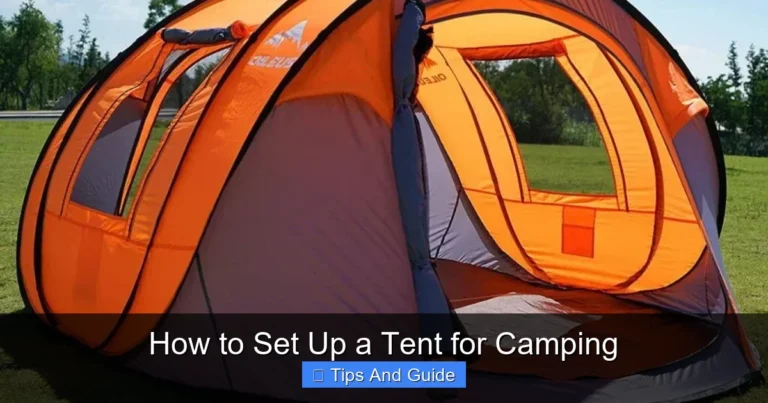
What Is the Best Tent to Live In
Choosing the best tent to live in depends on your climate, budget, and lifestyle needs. This guide breaks down top features like insulation, ventilation, and durability to help you find a reliable, comfortable home under canvas—whether you’re camping full-time or embracing minimalist living.
Key Takeaways
- Size matters: A 4-6 person tent offers enough space for long-term living with room for gear and movement.
- Weather resistance is critical: Look for waterproof materials, sealed seams, and strong frames for rain, snow, and wind.
- Ventilation prevents condensation: Mesh panels and adjustable vents keep air flowing and reduce moisture buildup.
- Insulation and heating compatibility: Canvas or four-season tents work best in cold climates and support safe heating methods.
- Ease of setup and durability: Choose a tent you can assemble quickly with sturdy poles and reinforced stitching.
- Floor protection and anchoring: A heavy-duty floor and secure guylines prevent damage and improve stability.
📑 Table of Contents
What Is the Best Tent to Live In?
Living in a tent isn’t just for weekend campers or survivalists anymore. With rising housing costs and a growing interest in minimalist, off-grid lifestyles, more people are choosing to make a tent their full-time home. Whether you’re a digital nomad, a seasonal worker, or someone seeking simplicity, finding the best tent to live in is about balancing comfort, safety, and practicality.
But not all tents are created equal. A lightweight two-person backpacking tent won’t cut it for long-term living. You need space, durability, climate control, and ease of use. The ideal tent becomes your shelter, bedroom, living room, and storage unit—all in one. In this guide, we’ll walk you through what to look for, the top tent types for full-time living, and real-world tips to make your tent feel like home.
Key Features of a Long-Term Living Tent
When you’re living in a tent full-time, every detail counts. Unlike short camping trips, you’ll be dealing with weather changes, daily wear and tear, and the need for personal comfort. Here are the must-have features to prioritize.
Spacious Interior and Headroom
You’ll want a tent with enough floor space to move around, store your belongings, and sleep comfortably. A 4- to 6-person dome or cabin-style tent is ideal. Look for models with vertical walls—cabin tents offer more usable space than dome tents, which taper at the sides. At least 7 feet of peak height lets most adults stand upright, which makes a huge difference in daily comfort.
Weatherproof Construction
The best tent to live in must stand up to rain, snow, wind, and sun. Choose a tent with a waterproof rating of at least 1500mm for the rainfly and floor. Taped or welded seams prevent leaks, and a full-coverage rainfly ensures water runs off without pooling. For snowy climates, a four-season tent with a robust pole structure is essential.
Ventilation and Condensation Control
Condensation is the enemy of tent living. Without proper airflow, moisture builds up inside, leading to mold, mildew, and a clammy interior. Look for tents with large mesh windows, roof vents, and adjustable airflow panels. This keeps air moving and reduces humidity—especially important if you’re cooking or using a heater inside.
Durability and Reinforced Materials
Full-time use means your tent will face constant stress. Opt for ripstop nylon or polyester fabrics with reinforced stress points. Aluminum poles are lighter and more corrosion-resistant than fiberglass. Double-stitched seams and heavy-duty zippers also extend the tent’s lifespan.
Top Tent Types for Long-Term Living
Not every tent style suits extended stays. Here are the best options based on climate and lifestyle.
Canvas Tents
Canvas tents are a top choice for full-time living, especially in colder or wetter climates. Made from cotton or polyester-cotton blends, they’re breathable, durable, and naturally water-resistant when treated. They handle condensation better than synthetic tents and can be insulated easily. Many come with stove jacks for safe wood heating—perfect for winter living. Brands like Kodiak Canvas and Whiteduck offer high-quality models designed for long-term use.
Four-Season Dome Tents
If you’re in a region with harsh winters, a four-season dome tent is a solid pick. These are built to withstand snow loads and high winds. While not as spacious as cabin tents, modern designs offer improved headroom and vestibules for gear storage. The Mountain Hardwear Trango and The North Face VE 25 are excellent examples, though they’re pricier.
Cabin Tents with Room Dividers
For families or those wanting privacy, cabin tents with optional room dividers are ideal. They offer multiple “rooms” and large windows, making them feel more like a tiny home. The Core 9 Person Extended Cabin Tent is a popular choice, with a 7-foot ceiling and gear lofts. Just remember: larger tents take longer to set up and require more space.
Setting Up Your Tent for Comfort and Safety
A great tent is only as good as its setup. A poorly pitched shelter can lead to leaks, drafts, and even collapse. Follow these tips to make your tent safe and cozy.
Choose the Right Location
Always set up on level, elevated ground away from flood zones, dead trees, or loose rocks. Look for natural windbreaks like hills or dense trees—but not so close that branches can fall on your tent. A slight incline helps with drainage during rain.
Use a Ground Tarp or Footprint
Protect your tent floor from moisture and abrasion by laying down a tarp or footprint underneath. Make sure it’s slightly smaller than the tent base to prevent water from pooling underneath. This simple step can double your tent’s lifespan.
Secure Anchoring and Guylines
Strong winds can destroy a poorly anchored tent. Use sturdy tent pegs and run guylines to nearby trees or stakes. In sandy areas like beaches, sand anchors or heavy-duty pegs work best. For more tips, check out our guide on the best way to anchor a tent on the beach.
Manage Temperature and Humidity
Keeping your tent at a comfortable temperature takes planning. In winter, use a safe tent heater—never an open flame inside. Our article on the best way to heat a tent in the winter covers safe options like catalytic heaters and insulated flooring. In summer, maximize airflow and use reflective tarps to shade the roof. For more ideas, see how to keep your tent cool in hot weather.
Making Your Tent Feel Like Home
Living in a tent doesn’t mean sacrificing comfort. With a few smart additions, you can create a cozy, functional space.
Sleeping Setup
Invest in a quality air mattress or foam sleeping pad with an R-value of 4 or higher for insulation. Pair it with warm bedding and a sleeping bag rated for your climate. For more comfort tips, read our guide on the best way to sleep comfortably in a tent.
Lighting and Power
Solar-powered lanterns, string lights, and battery packs keep your tent lit without fire hazards. USB-powered fans and small heaters add convenience. Consider a portable power station for charging devices.
Storage and Organization
Use hanging organizers, under-bed bins, and gear lofts to maximize space. Keep frequently used items in easy reach and store seasonal gear in sealed containers to prevent moisture damage.
Maintenance and Longevity
Regular care keeps your tent in top shape. After each use, clean it with mild soap and water, and let it dry completely before storing. Reapply waterproofing treatment annually, especially on the rainfly and floor. Inspect seams and zippers for wear, and patch small tears immediately. Proper maintenance can extend your tent’s life to 5–10 years or more.
Living in a tent is a bold, rewarding choice—but only if you have the right shelter. The best tent to live in is one that matches your environment, supports your daily needs, and stands the test of time. With the right setup and mindset, your tent can be more than just a shelter—it can be home.
Frequently Asked Questions
Can you really live in a tent full-time?
Yes, many people live in tents full-time, especially in mild climates or with proper insulation and heating. It requires planning, the right gear, and awareness of local laws, but it’s a viable option for minimalist and off-grid living.
What size tent is best for one person living long-term?
A 3- or 4-person tent is ideal for one person. It provides enough space for sleeping, storage, and movement without being too large to heat or maintain.
How do you keep a tent warm in winter?
Use a four-season tent, insulated flooring, a safe tent heater, and thermal blankets. Seal gaps and use a tent skirt to block wind. Always prioritize ventilation to avoid carbon monoxide buildup.
Is a canvas tent better than nylon for long-term living?
Canvas is more breathable, durable, and better at managing condensation, making it ideal for long-term use. Nylon is lighter and cheaper but less insulating and prone to moisture buildup.
How often should you replace a tent used full-time?
With proper care, a high-quality tent can last 5–10 years. Replace it sooner if you notice fabric degradation, broken poles, or persistent leaks.
Can you cook inside a tent?
No, cooking inside a tent is dangerous due to fire risk and carbon monoxide. Always cook outside or in a well-ventilated vestibule with a stove designed for outdoor use.