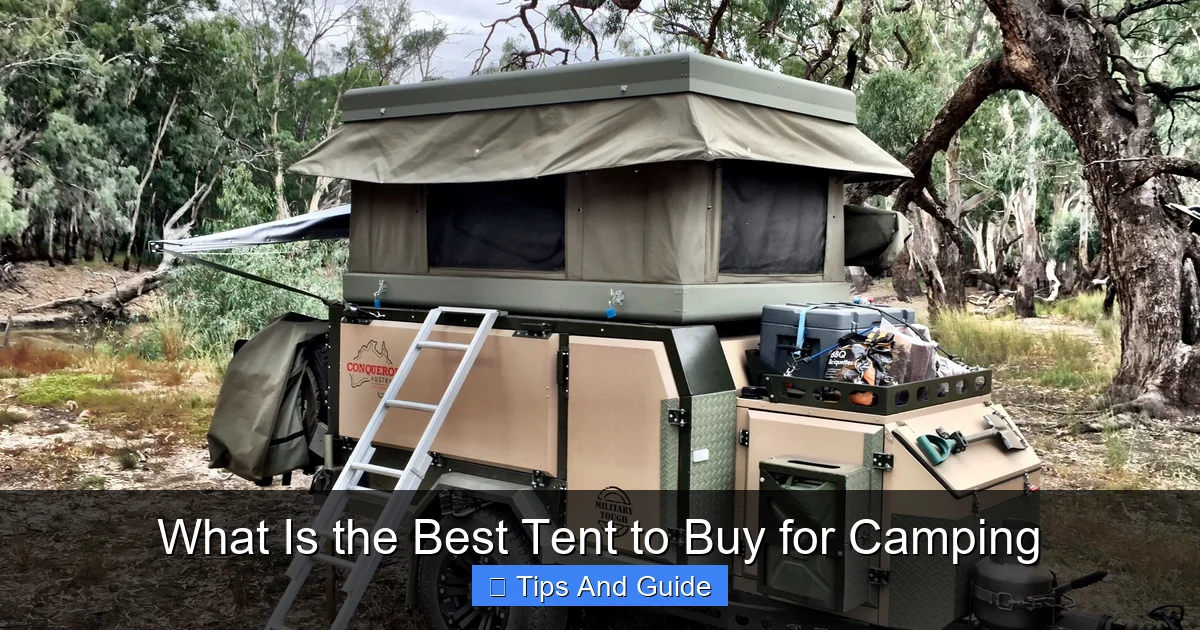
What Is the Best Tent to Buy for Camping
Choosing the best tent to buy for camping depends on your needs—group size, weather, and trip type all matter. This guide breaks down top features like durability, ventilation, and ease of setup so you can camp in comfort and confidence.
Key Takeaways
- Match tent size to your group: A 3-person tent is ideal for two people with gear; always size up for comfort.
- Weather resistance is critical: Look for a high waterproof rating (at least 1,500mm) and a full-coverage rainfly.
- Ventilation prevents condensation: Mesh panels and adjustable vents keep air flowing, especially in warm climates.
- Ease of setup saves time: Instant or pop-up tents are great for beginners or solo campers.
- Weight matters for backpacking: Ultralight tents under 4 lbs are best for long hikes; heavier models suit car camping.
- Durability ensures longevity: Ripstop nylon or polyester with reinforced poles lasts longer in rough conditions.
- Extra features enhance comfort: Gear lofts, vestibules, and room dividers add convenience and organization.
📑 Table of Contents
- Introduction: Finding Your Perfect Camping Companion
- Know Your Camping Style: Car Camping vs. Backpacking
- Size Matters: How Many People Fit Comfortably?
- Weather Resistance: Staying Dry When It Pours
- Ventilation and Condensation Control
- Ease of Setup: From Novice to Expert
- Durability and Materials: Built to Last
- Extra Features That Make a Difference
- Conclusion: The Best Tent Is the One That Fits Your Adventure
Introduction: Finding Your Perfect Camping Companion
Camping is one of the most rewarding ways to connect with nature, but nothing can ruin a trip faster than a poorly chosen tent. Whether you’re a weekend warrior heading to the mountains or a family planning a summer lakeside getaway, the right shelter makes all the difference. The best tent to buy for camping isn’t just about price—it’s about comfort, reliability, and how well it fits your adventure style.
With so many options on the market, from ultralight backpacking tents to spacious family domes, it’s easy to feel overwhelmed. But don’t worry—we’ve got you covered. This guide will walk you through everything you need to know to pick a tent that keeps you dry, cozy, and stress-free, no matter where your journey takes you.
Know Your Camping Style: Car Camping vs. Backpacking
Before you even look at tent models, ask yourself: how will you get to your campsite? This simple question shapes your entire decision.
Car Camping: Space and Comfort First
If you’re driving to your destination, weight isn’t a major concern. That means you can prioritize space, ease of setup, and extra features. Car campers often choose larger tents with multiple rooms, tall ceilings, and gear storage areas. For example, a 6-person tent for car camping offers plenty of room for a family of four plus backpacks, coolers, and even a small table.
These tents are typically heavier—sometimes over 20 pounds—but they’re built for comfort. Look for models with large doors, vestibules for muddy boots, and even built-in LED lighting. Brands like Coleman and REI Co-op offer excellent options that balance durability and livability.
Backpacking: Lightweight and Compact
On the flip side, backpackers need to carry everything on their backs. Every ounce counts. That’s why the best tent to buy for camping in the backcountry is usually under 5 pounds and packs down small. Ultralight tents often use single-wall designs or minimalist pole structures to save weight, but they may sacrifice some ventilation or interior space.
For solo hikers, a 1- or 2-person tent is ideal. If you’re trekking with a partner, consider a 3-person model—it gives you extra room for gear without adding much weight. Check out our guide on the best camping tent to buy for lightweight recommendations that won’t slow you down.
Size Matters: How Many People Fit Comfortably?
Tent manufacturers often label tents by the number of people they can sleep. But here’s the truth: a “4-person tent” usually fits four people lying shoulder-to-shoulder—not exactly cozy.
Size Up for Comfort
We recommend sizing up. If you’re two people camping, go for a 3-person tent. This gives you space for backpacks, a small dog, or just room to stretch out. Families should consider a 6- or 8-person tent even if it’s just for four people. For example, the best 8-person tent for camping offers ample room for parents, kids, and gear—plus a central living area for rainy days.
Height and Layout
Ceiling height is another key factor. If you like to sit up in your tent or change clothes inside, look for models with peak heights over 60 inches. Cabin-style tents offer near-vertical walls, maximizing usable space. Dome tents, while more aerodynamic, often have sloped walls that reduce headroom near the edges.
Weather Resistance: Staying Dry When It Pours
A tent is only as good as its ability to keep you dry. Rain, wind, and condensation are the three big challenges—and your tent must handle them all.
Waterproof Ratings and Rainflies
The waterproof rating, measured in millimeters (mm), tells you how much water the fabric can resist before leaking. For reliable protection, aim for at least 1,500mm for the floor and 1,200mm for the walls. A full-coverage rainfly—one that extends over the entire tent—is essential. Avoid tents with partial rainflies; they leave the vestibule exposed.
Seam Sealing and Taped Seams
Even the best fabric won’t help if water seeps through the seams. Look for factory-taped or heat-sealed seams, which prevent leaks at stitch points. Some budget tents require you to seal seams yourself—this adds time and effort, so factor that into your decision.
Wind and Storm Performance
In exposed areas, wind resistance is crucial. Dome and geodesic tents handle high winds better than cabin-style models. Aluminum poles are stronger and lighter than fiberglass, and more tent stakes (especially guylines) improve stability. For windy beach camping, consider a low-profile tent with sand anchors—our guide on the best tent for windy beach camping has great storm-ready options.
Ventilation and Condensation Control
Stuffy, damp air inside your tent is a common complaint—especially in humid or cold weather. Condensation forms when warm, moist air from breathing meets a cold tent wall.
Mesh Panels and Vents
The solution? Ventilation. Tents with large mesh panels on the roof and sides allow air to circulate, reducing moisture buildup. Adjustable vents near the top of the tent let you control airflow without opening the door. This is especially helpful in summer or tropical climates.
Single-Wall vs. Double-Wall Tents
Double-wall tents—those with a separate inner tent and rainfly—are best for condensation control. The air gap between layers prevents moisture from reaching the sleeping area. Single-wall tents are lighter but more prone to condensation, making them better suited for dry, cold environments.
For hot-weather camping, prioritize breathability. Look for tents with full-mesh roofs and large side vents. If you’re camping in the heat, you might also want to check out our tips on the best way to stay cool while tent camping.
Ease of Setup: From Novice to Expert
Let’s be honest—no one wants to spend 30 minutes assembling a tent in the dark after a long drive. Setup time and complexity matter, especially for beginners.
Instant and Pop-Up Tents
Instant tents use pre-attached poles that snap into place in under a minute. These are perfect for families or first-time campers. Coleman’s Instant series, for example, sets up in about 60 seconds. While they’re slightly heavier, the convenience is worth it for car campers.
Traditional Freestanding Tents
Most backpacking tents are freestanding—they don’t need stakes to stand up, making them easy to move or reposition. They’re usually color-coded for quick assembly, with pole clips instead of sleeves for faster setup. Practice pitching your tent at home before your trip to avoid frustration at the campsite.
Durability and Materials: Built to Last
A great tent should last for years, not just one season. The materials used in construction play a big role in longevity.
Fabric and Denier Ratings
Denier (D) measures fabric thickness. Higher denier = more durable. A 70D floor is tougher than a 30D one, but also heavier. For car camping, 70D or higher is ideal. Backpackers might accept 20D–40D to save weight.
Pole Materials
Aluminum poles (like DAC Featherlite) are strong, lightweight, and corrosion-resistant. Fiberglass is cheaper but can snap in high winds. For serious conditions, aluminum is the way to go.
Zippers and Reinforcements
Check the zippers—YKK zippers are the gold standard for durability. Reinforced stress points, like corner grommets and pole attachment hubs, prevent tears and breaks.
Extra Features That Make a Difference
Small details can greatly improve your camping experience.
Vestibules and Gear Storage
A vestibule is a covered area outside the tent door, perfect for storing wet boots or backpacks. Larger vestibules add convenience, especially in bad weather.
Room Dividers and Multiple Doors
Family tents often include room dividers to create private sleeping areas. Two doors mean you don’t have to climb over your partner to get out at night.
Gear Lofts and Pockets
Interior pockets and overhead gear lofts keep small items organized. Some tents even have built-in tablet holders or lantern hooks.
Conclusion: The Best Tent Is the One That Fits Your Adventure
There’s no single “best tent to buy for camping” that works for everyone. The right choice depends on your group size, camping style, and the conditions you expect to face. Whether you’re backpacking through the Rockies or setting up base camp at a national park, prioritize weather protection, ventilation, and ease of use.
Take the time to read reviews, compare specs, and consider your real-world needs. A little research now can save you from a soggy, sleepless night later. And remember—your tent is more than just shelter. It’s your home away from home.
With the right tent, every sunrise feels a little brighter, and every campfire a little cozier.
Frequently Asked Questions
What size tent do I need for two people?
For two people, a 3-person tent is ideal. It provides enough space for both sleepers and gear without being too bulky. A 2-person tent often feels cramped once backpacks are inside.
Are instant tents worth it?
Yes, especially for car campers. Instant tents set up in under two minutes and are great for families or beginners. They’re slightly heavier, but the convenience outweighs the extra weight if you’re not backpacking.
How do I prevent condensation in my tent?
Use a double-wall tent with mesh panels and keep vents open. Avoid drying wet clothes inside, and don’t block airflow with gear. A small towel can help wipe down damp walls in the morning.
Can I use a backpacking tent for car camping?
You can, but it’s not ideal. Backpacking tents are lighter and smaller, so you’ll sacrifice comfort and storage space. For car camping, a larger, more durable tent is usually a better investment.
What’s the difference between a 3-season and 4-season tent?
3-season tents are designed for spring, summer, and fall—they’re lightweight and well-ventilated. 4-season tents are heavier, with stronger poles and less mesh, built to handle snow and high winds in winter.
How often should I replace my camping tent?
With proper care, a quality tent can last 5–10 years. Replace it if the fabric is peeling, poles are bent, or zippers are broken. Always clean and dry your tent before storing it to extend its life.