What Is the Best Tent for Family Camping
Choosing the best tent for family camping means balancing space, comfort, durability, and ease of setup. With so many options available, it’s important to consider your family size, camping style, and weather conditions to find the perfect fit.
Key Takeaways
- Size matters: Choose a tent rated for at least one more person than your family size for extra comfort and gear storage.
- Weather resistance is crucial: Look for waterproof materials, sealed seams, and sturdy frames to handle rain and wind.
- Ease of setup saves time: Instant or pop-up tents are ideal for families who want to spend less time pitching and more time enjoying nature.
- Ventilation prevents condensation: Mesh panels and adjustable vents keep air flowing and reduce moisture buildup inside the tent.
- Room dividers add privacy: Multi-room tents help separate sleeping and living spaces, especially useful for larger families.
- Durability ensures longevity: Reinforced floors and high-denier fabrics withstand wear from kids, pets, and rough terrain.
- Don’t forget accessories: Gear lofts, vestibules, and lantern hooks enhance functionality and organization.
📑 Table of Contents
What Is the Best Tent for Family Camping?
Family camping is one of the most rewarding ways to bond, unplug, and reconnect with nature. But let’s be honest—nothing can ruin a trip faster than a cramped, leaky, or complicated tent. Whether you’re heading to a national park, a lakeside campground, or your backyard, choosing the right shelter is essential. So, what is the best tent for family camping?
The answer isn’t one-size-fits-all. It depends on your family size, camping frequency, climate, and personal preferences. Some families prioritize quick setup, while others need extra room for gear or privacy between kids and parents. The good news? Today’s family tents are smarter, more durable, and more comfortable than ever before.
In this guide, we’ll walk you through everything you need to know to pick the perfect tent for your next adventure—without the overwhelm.
How to Choose the Right Size Tent
One of the most common mistakes families make is buying a tent that’s too small. A “4-person” tent might technically fit four people, but it often leaves no room for backpacks, shoes, or a tired toddler who needs space to stretch.
Go Bigger Than You Think
As a rule of thumb, choose a tent rated for at least one more person than your actual family size. For example, a family of four should consider a 6-person tent. This extra space makes a huge difference in comfort, especially on longer trips.
Consider Layout and Room Dividers
If you have older kids or want some privacy, look for tents with room dividers. These create separate sleeping zones and can turn one large space into two cozy rooms. Some models even come with zippered doors between sections—perfect for families with teenagers who want their own space.
Check Floor Dimensions and Peak Height
Don’t just rely on the “person rating.” Look at the actual floor dimensions. A longer tent gives kids room to play during rainy days, while a taller peak height (at least 6 feet) allows adults to stand up comfortably. This is especially helpful when changing clothes or organizing gear.
For families of four, we recommend checking out the best tent for family of 4 camping to find models that balance space and portability.
Key Features to Look for in a Family Tent
Not all tents are created equal. When shopping for the best tent for family camping, focus on features that enhance comfort, safety, and convenience.
Waterproof and Weather-Resistant Design
Look for a tent with a high waterproof rating (measured in millimeters). A rating of 1,500mm or higher is ideal for rain protection. Fully taped seams and a durable rainfly that extends over the sides are must-haves. If you camp in windy areas, like beaches or mountain ridges, choose a tent with strong poles and guylines for added stability.
Easy Setup and Takedown
No one wants to spend 30 minutes arguing over pole alignment while kids run around. Instant or pop-up tents can be set up in under five minutes—some even in seconds. These are perfect for families with young children or those who camp frequently. Brands like Coleman and Quechua offer reliable instant tents that are both user-friendly and durable.
Ventilation and Condensation Control
Stuffy, sweaty tents are no fun. Look for mesh roof panels, adjustable vents, and multiple windows. Good airflow reduces condensation, keeps bugs out, and helps regulate temperature. This is especially important in humid or warm climates.
Durability and Floor Protection
Kids and gear can be tough on tent floors. Choose a tent with a thick, ripstop floor (at least 150D or higher) and consider using a footprint or tarp underneath for extra protection. Reinforced stress points and strong zippers also extend the life of your tent.
Storage and Organization
Built-in gear lofts, mesh pockets, and vestibules make a big difference. Vestibules provide covered space outside the tent for muddy boots or wet clothes. Interior pockets keep small items like phones, flashlights, and books within reach.
Top Tent Types for Families
Different camping styles call for different tent types. Here are the most popular options for families:
Cabin Tents
Cabin tents are tall, spacious, and ideal for car camping. They often have near-vertical walls, maximizing interior space. Great for families who want room to move around, but they can be heavier and less wind-resistant. Perfect for summer trips to campgrounds with level ground.
Dome Tents
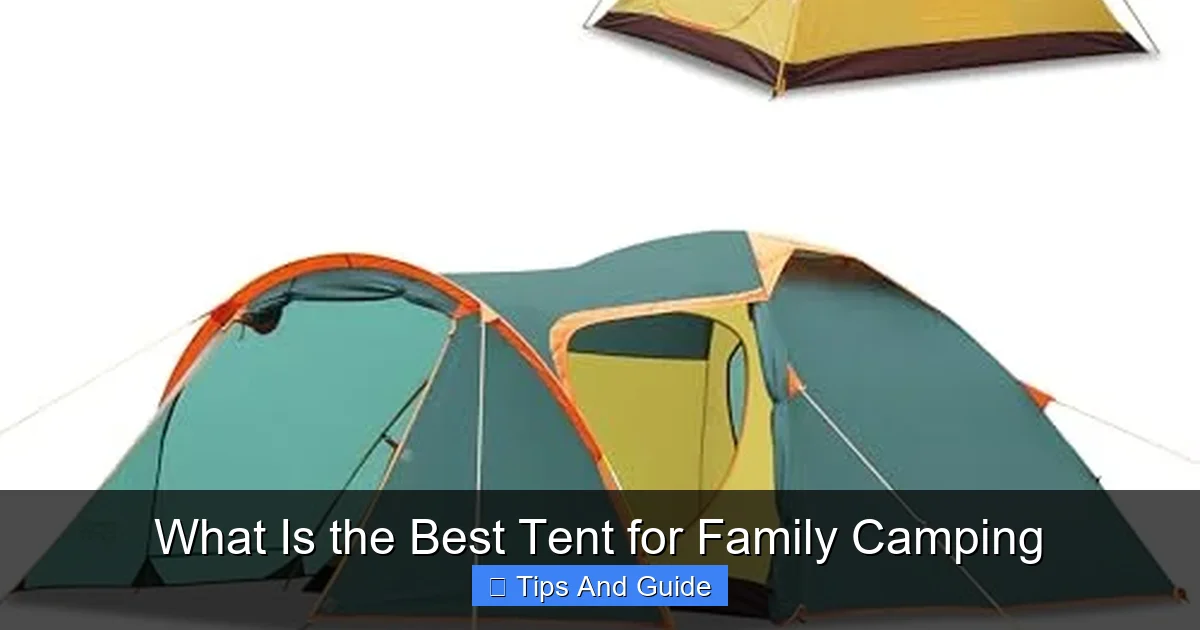
Dome tents are lightweight, aerodynamic, and handle wind well. They’re a solid all-around choice for families who camp in varied conditions. While not as tall as cabin tents, many modern dome designs offer good headroom and easy setup.
Pop-Up and Instant Tents
These are game-changers for busy families. Pop-up tents spring into shape in seconds—no poles to assemble. Instant tents use pre-attached poles that unfold quickly. They’re perfect for weekend getaways or first-time campers. Just make sure to anchor them well in windy weather.
Air Tents (Inflatable Tents)
Air tents use air beams instead of traditional poles. They’re incredibly easy to set up with a pump and offer a sleek, modern look. While still a niche option, they’re gaining popularity for their speed and stability. Check out the best air tent for family if you’re interested in this innovative style.
Best Tents by Family Size
Every family is different, so it helps to narrow down your search by size. Here’s a quick breakdown:
Families of 3–4
A 6-person tent offers the best balance of space and portability. Look for models with a central living area and room for gear. The best tent for family of 4 camping includes options with vestibules and room dividers for added comfort.
Families of 5–6
For larger families, an 8-person tent is often necessary. These tents can feel like a mini home with separate sleeping zones and ample storage. Explore the best tent for family of 6 camping for top-rated models that handle crowds without sacrificing comfort.
Large or Extended Families
If you’re camping with grandparents, cousins, or multiple families, consider a 10- or 12-person tent. These are best for car camping and often include multiple doors, large vestibules, and even screened-in porches. The best tent for large family camping features options designed for group adventures.
Tips for Maximizing Comfort and Safety
Once you’ve chosen your tent, a few smart habits can make your trip even better.
Test Before You Go
Always set up your tent at home before your first trip. This helps you learn the process, check for missing parts, and ensure everything works. It’s also a great way to involve the kids and build excitement.
Use a Ground Tarp or Footprint
Protect your tent floor by placing a tarp or custom footprint underneath. Just make sure it’s smaller than the tent base to prevent water from pooling underneath.
Keep It Clean and Dry
Shake out dirt and moisture before packing up. Store your tent in a cool, dry place—never in a damp garage or basement. A well-maintained tent can last for years.
Practice Leave-No-Trace Principles
Choose durable sites, avoid trampling vegetation, and pack out all trash. Teaching kids these habits early helps protect nature for future adventures.
Final Thoughts: Finding Your Perfect Family Tent
So, what is the best tent for family camping? It’s the one that fits your lifestyle, keeps everyone comfortable, and makes setup a breeze. Whether you’re a weekend warrior or a full-time van lifer, the right tent can turn a good trip into a great memory.
Focus on space, weather protection, ease of use, and durability. Don’t forget to consider your typical camping conditions—do you need something lightweight for backpacking, or a spacious cabin tent for car camping? And always read real customer reviews to see how tents perform in the real world.
With the right tent, your family can enjoy cozy nights under the stars, rain or shine. Happy camping!
Frequently Asked Questions
How big should a family tent be?
A family tent should have enough space for everyone to sleep comfortably with room for gear. Add at least one extra person to the tent’s rating—so a family of four should choose a 6-person tent.
Are pop-up tents good for families?
Yes! Pop-up tents are great for families because they’re quick to set up and take down. Just make sure to anchor them properly in windy conditions.
What’s the difference between a cabin tent and a dome tent?
Cabin tents are taller and roomier with near-vertical walls, ideal for car camping. Dome tents are lower, lighter, and better in wind, making them more versatile for varied conditions.
Do I need a tent with a rainfly?
Absolutely. A full-coverage rainfly protects the tent from rain and helps with ventilation. Look for one that extends over the sides for maximum coverage.
Can I use a family tent in winter?
Most family tents are designed for three-season use (spring, summer, fall). For winter camping, you’ll need a four-season tent built to handle snow and strong winds. Check out the best tent for the winter for cold-weather options.
How do I keep my tent from getting wet inside?
Ensure the rainfly is properly secured, avoid drying wet clothes inside, and use a ground tarp. Good ventilation also reduces condensation buildup.