

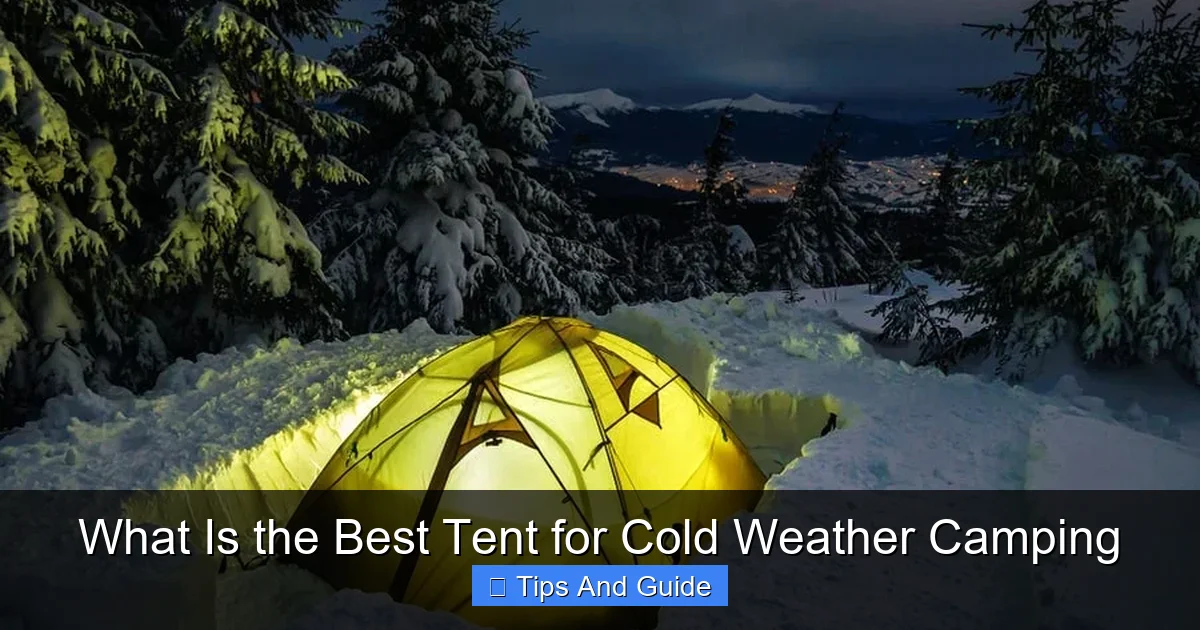
Choosing the best tent for cold weather camping means prioritizing warmth, wind resistance, and durability. This guide breaks down key features like four-season design, materials, and ventilation to help you pick the right shelter for snowy, windy, or freezing conditions.
[FEATURED_IMAGE_PLACEHENTER]
Key Takeaways
- Four-season tents are essential: Unlike summer tents, four-season models are built to handle snow, wind, and freezing temperatures with reinforced poles and sturdy fabrics.
- Look for a low-profile design: A dome or tunnel shape with a low center of gravity resists strong winds better than tall, boxy tents.
- Ventilation prevents condensation: Proper airflow reduces moisture buildup inside the tent, which is critical in cold weather to avoid damp gear and frost.
- Double-wall construction matters: A rainfly over a breathable inner tent traps warmth while allowing moisture to escape, improving comfort and insulation.
- Material quality impacts performance: Ripstop nylon or polyester with high denier ratings and waterproof coatings offer better durability and weather protection.
- Size and weight balance is key: While larger tents offer more space, heavier models are often more stable—choose based on your trip type and mobility needs.
- Accessories enhance warmth: Adding a footprint, insulated sleeping pad, or even a safe tent heater can significantly improve cold-weather comfort.
📑 Table of Contents
- Why Cold Weather Camping Demands a Special Tent
- Understanding Four-Season vs. Three-Season Tents
- Key Features of the Best Cold Weather Tents
- Top Picks for Cold Weather Camping Tents
- Accessories That Boost Warmth and Comfort
- Tips for Setting Up and Maintaining Your Tent in Winter
- Final Thoughts: Invest in Safety and Comfort
Why Cold Weather Camping Demands a Special Tent
Cold weather camping isn’t just about wearing extra layers—it’s about having the right gear to survive and enjoy harsh conditions. While a basic three-season tent might work in mild autumn weather, it won’t cut it when temperatures drop below freezing, snow starts piling up, or winds howl at 50 mph. That’s why choosing the best tent for cold weather camping is one of the most important decisions you’ll make before heading into the backcountry.
Winter camping introduces unique challenges: frost, condensation, strong winds, and heavy snow loads. A tent that’s not designed for these conditions can collapse, leak, or leave you shivering all night. The right tent acts as your first line of defense, providing shelter, warmth, and peace of mind. Whether you’re planning a weekend ski trip, a snowshoeing adventure, or a winter backpacking journey, investing in a quality cold-weather tent is non-negotiable.
Understanding Four-Season vs. Three-Season Tents
Not all tents are created equal—especially when it comes to seasonal use. Most campers are familiar with three-season tents, which are lightweight and great for spring, summer, and fall. But when winter rolls in, you need something stronger. That’s where four-season tents come in.
What Makes a Four-Season Tent Different?
Four-season tents are built to withstand extreme weather. They feature stronger poles (often aluminum or carbon fiber), more robust fabrics, and a design that sheds snow and resists wind. Unlike three-season tents, they often have fewer mesh panels and more solid walls to retain heat. This makes them heavier, but that weight translates to stability and safety in blizzards or high-altitude storms.
When to Choose a Four-Season Tent
If you’re camping in snow, at high elevations, or in areas with unpredictable winter weather, a four-season tent is a must. For example, if you’re planning a trip to the Rockies in January or the Sierra Nevada in February, don’t risk it with a lightweight summer tent. On the other hand, if you’re car camping in mild winter conditions with minimal snow, a reinforced three-season tent might suffice—but always err on the side of caution.
Key Features of the Best Cold Weather Tents
So, what should you look for when shopping for the best tent for cold weather camping? It’s not just about warmth—it’s about a combination of design, materials, and functionality.
Low-Profile, Wind-Resistant Design
A tent that stands tall might look spacious, but it’s a wind magnet in winter. The best cold-weather tents have a low, aerodynamic profile—think dome or tunnel shapes—that cuts through wind and prevents snow from accumulating on top. Look for models with steep walls and a centered peak to allow snow to slide off easily.
Double-Wall Construction
Double-wall tents have an inner tent made of breathable fabric and an outer rainfly that creates an air gap. This design reduces condensation, which is a major issue in cold weather. When warm air from your body and breath hits the cold inner wall, it can condense into water droplets. The air gap in a double-wall tent allows moisture to escape while trapping heat—keeping you dry and warm.
High-Quality Materials and Waterproofing
Fabrics matter. Look for ripstop nylon or polyester with a high denier count (40D or higher) for durability. The rainfly should have a waterproof rating of at least 1500mm, and the floor should be 3000mm or higher. Taped seams and reinforced stress points also help prevent leaks and tears in harsh conditions.
Ventilation Systems
Even in winter, ventilation is crucial. Without it, moisture builds up inside the tent, leading to damp sleeping bags and gear. The best tents have adjustable vents near the top and bottom, allowing you to control airflow without letting in cold drafts. Some models even feature dual-zip vents for precise regulation.
Top Picks for Cold Weather Camping Tents
While the “best” tent depends on your specific needs, several models consistently rank high for winter performance. Here are a few standout options:
For Backpacking: MSR Access 2
This lightweight four-season tent is perfect for winter backpackers. It weighs just over 5 pounds, features a durable DAC pole system, and has excellent ventilation. Its steep walls shed snow well, and the dual doors make entry and exit easy—even with heavy boots. It’s a favorite among mountaineers and snow campers.
For Car Camping: The North Face Mountain 25
If you’re driving to your campsite and don’t need to carry your tent far, the Mountain 25 offers spacious comfort and serious weather protection. It’s a four-season, two-person tent with a large vestibule for gear storage and a robust design that handles heavy snow loads. It’s also compatible with a tent heater for extra warmth.
For Families: Hilleberg Staika
Need space for more people? The Hilleberg Staika is a premium four-season tent built for harsh conditions. It’s heavier than backpacking models but offers exceptional durability and weather resistance. With two vestibules and a roomy interior, it’s ideal for winter family camping or extended expeditions.
For more detailed comparisons, check out our guide on the best camping tents for cold weather to see how these models stack up against others on the market.
Accessories That Boost Warmth and Comfort
Your tent is just the beginning. To truly stay warm and dry, pair it with the right accessories.
Ground Insulation: Footprints and Sleeping Pads
Heat escapes downward, so insulating the ground is critical. Use a footprint or tarp under your tent to prevent moisture wicking up from the snow. Pair it with a high R-value sleeping pad (R-5 or higher) like the Therm-a-Rest NeoAir XTherm. For extra warmth, consider a closed-cell foam pad underneath your inflatable one.
Safe Heating Options
While open flames are dangerous inside tents, some campers use safe, vented tent heaters like the Mr. Heater Buddy. Always follow manufacturer guidelines and ensure proper ventilation. For a no-heat option, try a hot water bottle in your sleeping bag or a reflective emergency blanket to trap body heat.
Organize with Vestibules and Gear Lofts
Keep your boots, backpack, and wet gear in the vestibule to prevent moisture from entering the main tent. A gear loft helps organize small items and keeps them off the cold floor. These small touches make a big difference in comfort.
For more ideas, explore our article on the best accessories for tent camping to find gear that complements your cold-weather setup.
Tips for Setting Up and Maintaining Your Tent in Winter
Even the best tent won’t perform well if it’s not set up correctly. Winter camping requires extra attention to detail.
Choose the Right Campsite
Avoid low-lying areas where cold air settles. Look for a spot sheltered from wind, ideally behind a natural barrier like a rock wall or tree line. Clear snow down to the ground before pitching your tent to prevent melting and refreezing.
Stake It Down Securely
Use snow stakes or deadman anchors (sticks buried under snow) instead of regular tent stakes, which won’t hold in frozen ground. Tension the guylines tightly to prevent flapping in the wind.
Keep It Dry and Clean
Shake off snow before entering the tent. Use a small broom or brush to remove ice and moisture from the exterior. At the end of your trip, let the tent dry completely before storing to prevent mold and mildew.
For more on setup and care, read our guide on the best way to heat a tent in cold weather for practical tips on staying warm without compromising safety.
Final Thoughts: Invest in Safety and Comfort
Choosing the best tent for cold weather camping isn’t just about comfort—it’s about safety. A poorly chosen tent can lead to hypothermia, gear damage, or a miserable night that ruins your trip. By focusing on four-season design, quality materials, and smart accessories, you’ll be prepared for whatever winter throws your way.
Remember, the right tent is an investment. It’s better to spend a little more on a durable, well-designed model than to risk failure in a storm. Whether you’re a weekend warrior or a seasoned winter explorer, prioritize warmth, stability, and breathability. With the right gear and preparation, cold weather camping can be one of the most rewarding outdoor experiences you’ll ever have.
Frequently Asked Questions
What’s the difference between a three-season and four-season tent?
A three-season tent is designed for spring, summer, and fall, with lightweight materials and mesh panels for ventilation. A four-season tent is built for winter, with stronger poles, heavier fabrics, and a design that resists wind and snow.
Can I use a regular tent in winter if I add a tarp?
While a tarp can help with ground insulation and wind protection, it won’t make a three-season tent safe for extreme cold or heavy snow. A proper four-season tent is strongly recommended for winter camping.
How do I prevent condensation inside my tent?
Use a double-wall tent, keep vents open, and avoid bringing wet gear inside. Ventilate regularly and consider using a moisture-absorbing product like silica gel packs.
Is it safe to use a heater inside a tent?
Only use heaters specifically designed for indoor or tent use, like vented propane heaters. Never use open flames or unvented heaters, as they can cause carbon monoxide poisoning or fire.
What’s the best sleeping pad for cold weather?
Look for a sleeping pad with an R-value of 5 or higher. Inflatable pads like the Therm-a-Rest NeoAir XTherm or closed-cell foam pads like the Z Lite Sol are excellent choices.
How do I keep my tent from collapsing under snow?
Choose a tent with a steep-pitched roof and strong poles. Clear snow from the top regularly, and avoid setting up in areas prone to heavy snowfall unless your tent is rated for it.
